
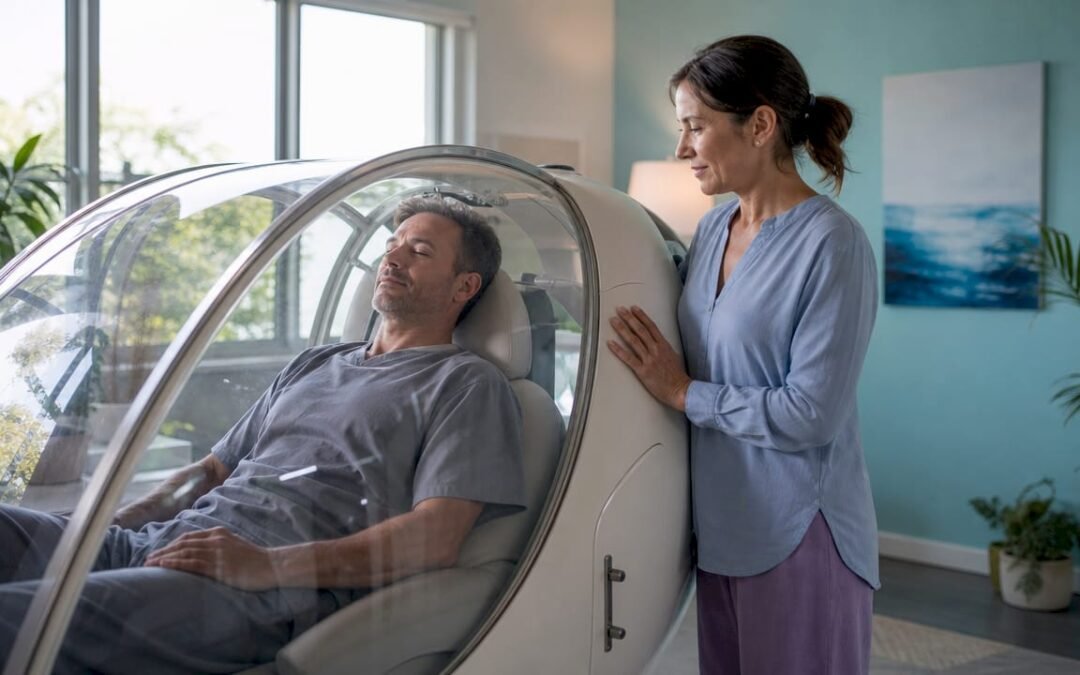
Hyperbaric oxygen therapy (HBOT) is a medical treatment that delivers 100% pure oxygen at elevated atmospheric pressure to promote brain repair, reduce neuroinflammation, and improve mental health outcomes. The role of HBOT in mental health is gaining serious clinical attention, with emerging research pointing to measurable benefits for conditions including PTSD, anxiety-related sleep disturbances, and cognitive symptoms linked to long COVID. HBOT works by flooding tissues with oxygen at pressures between 1.5 and 3.0 atmospheres absolute (ATA), triggering physiological changes that standard treatments cannot replicate. Studies from institutions including Frontiers in Neurology and the US Department of Veterans Affairs now form the backbone of an evolving evidence base that is both promising and appropriately cautious.
How does HBOT affect brain function and mental wellbeing?
HBOT improves mental wellbeing primarily by restoring oxygen supply to brain regions that are metabolically compromised due to injury, inflammation, or chronic stress. When you breathe pure oxygen under pressure, plasma oxygen levels rise dramatically, reaching tissues that red blood cells alone cannot adequately supply. This process supports cellular repair, reduces oxidative stress, and triggers a cascade of neurological benefits that directly affect mood, cognition, and resilience.
The neuroplasticity mechanisms activated by HBOT are particularly relevant to mental health. Neuroplasticity refers to the brain’s ability to reorganise and form new neural connections. HBOT stimulates the release of growth factors including brain-derived neurotrophic factor (BDNF), which supports the survival and growth of neurons. For someone experiencing depression or PTSD, this means the brain has a greater capacity to rewire away from entrenched negative patterns.
The immune modulation effects of HBOT are equally significant. Research published in Frontiers in Immunology confirms that HBOT modulates inflammation pathways impacting mental health symptoms through systemic physiological changes rather than direct psychiatric action. This is a critical distinction. HBOT does not act like an antidepressant or anxiolytic. Instead, it addresses the underlying biological environment that makes psychiatric symptoms worse.
Key mechanisms through which HBOT supports mental wellbeing include:
- Improved cerebral oxygenation: Restores metabolic function in hypoxic brain regions linked to mood regulation and executive function.
- Mitochondrial support: Enhances the energy output of mitochondria, the powerhouse of the cell, which directly influences mental energy, motivation, and emotional stability.
- Reduced neuroinflammation: Lowers inflammatory markers associated with depression, anxiety, and cognitive decline.
- Angiogenesis stimulation: Promotes the growth of new blood vessels in the brain, improving long-term oxygen and nutrient delivery.
- Neurotransmitter environment: Supports the conditions needed for healthy serotonin and dopamine signalling by reducing oxidative interference.
Pro Tip: If you are considering HBOT for mental health, ask your practitioner to track intermediate markers such as sleep quality scores and neurobehavioral inventories early in the treatment course. These often improve before mood changes become noticeable, giving you and your clinician useful early feedback on whether the protocol is working.
What evidence supports HBOT for specific mental health conditions?
The clinical evidence for HBOT in mental health is strongest for PTSD, particularly in veterans and service members who have not responded to standard care. A 2026 randomised controlled trial protocol uses 60 daily sessions at 2.0 ATA versus sham normobaric oxygen to assess PTSD symptom improvement and neurobehavioral outcomes. This is the most rigorous trial design to date, and its use of 60 sessions reflects growing consensus that dose matters enormously in HBOT for psychiatric applications.
Sleep disturbance is one of the most consistent areas of benefit. A 2026 Frontiers in Neurology study analysed 395 patients across diverse conditions and found statistically significant improvements in Pittsburgh Sleep Quality Index (PSQI) scores post-HBOT, particularly in those with a baseline PSQI score above 5 (p < 0.001). Patients with the worst sleep at the outset gained the largest improvements. For anyone dealing with anxiety or depression, where disrupted sleep both causes and worsens symptoms, this finding is clinically meaningful.
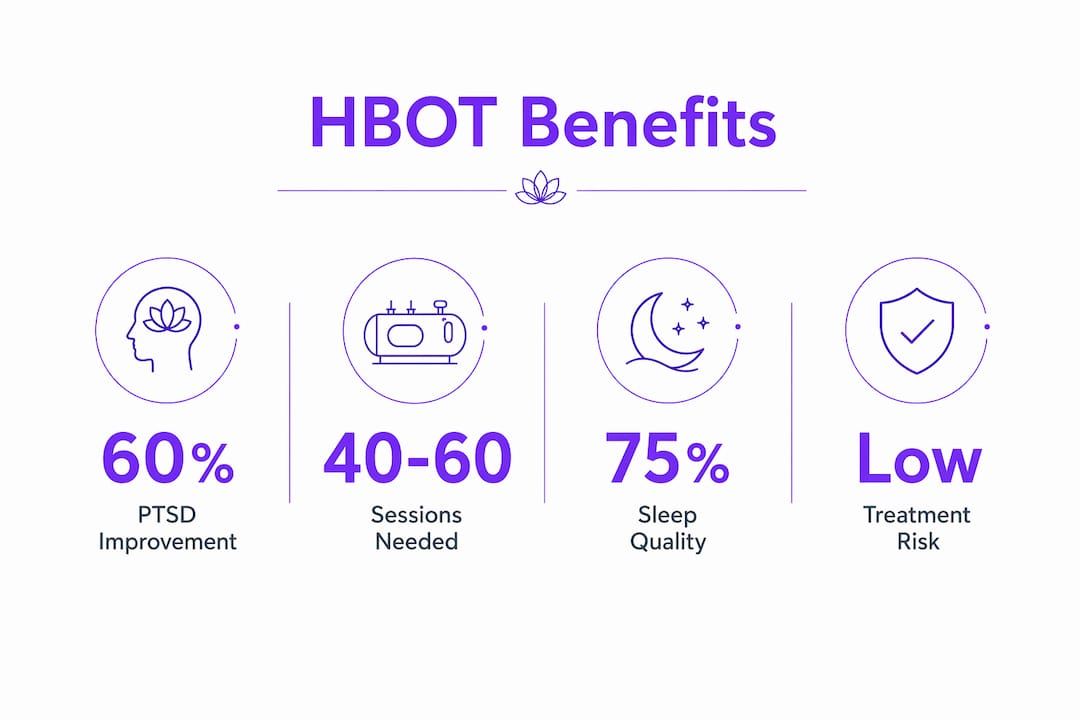
Long COVID presents a more complicated picture. A phase 2 randomised trial with 73 patients reported lasting improvements in cognition, energy, and sleep after 40 daily sessions over two months. However, other trials using fewer sessions showed mixed or no placebo advantage, suggesting that treatment duration is a decisive variable. This variability is not a reason to dismiss HBOT. It is a reason to take protocol design seriously.
| Condition | Evidence strength | Typical protocol | Key outcome measure |
|---|---|---|---|
| PTSD (veterans) | Moderate to strong | 60 sessions at 2.0 ATA | PTSD symptom scales, neurobehavioral scores |
| Sleep disturbance | Strong in poor sleepers | 20 to 40 sessions | PSQI score improvement |
| Long COVID (neuropsychiatric) | Mixed | 40 sessions over 2 months | Cognition, energy, sleep |
| TBI-related psychiatric symptoms | Inconclusive | Variable | Cognitive and mood inventories |
| General anxiety and depression | Emerging, indirect | Not yet standardised | Neuroinflammation markers, mood scales |
The VA/HSRD evidence brief on HBOT for TBI and PTSD is candid: positive case series contrast with systematic reviews showing no clear benefit over sham treatment. This does not mean HBOT does not work. It means the science is still catching up with clinical observation, and that patient selection and protocol precision are likely the deciding factors.
What are the risks and practical considerations for HBOT?
HBOT is a well-tolerated therapy when delivered by trained practitioners using appropriate protocols, but it is not without risk. Understanding those risks helps you make an informed decision rather than an anxious one.
The most discussed risk is oxygen toxicity. At pressures at or below 2.0 ATA, CNS oxygen toxicity risk is approximately 1 in 10,000 treatments, and air breaks during sessions reduce seizure incidence by a factor of ten. That is a very low risk profile, particularly when weighed against the potential benefits for treatment-resistant conditions. The total oxygen dose (pressure multiplied by time multiplied by session count) informs both the therapeutic benefit and the toxicity risk, which is why protocol design by a qualified clinician is non-negotiable.
Practical considerations you should be aware of before starting:
- Contraindications: Untreated pneumothorax is an absolute contraindication. Certain medications, active respiratory infections, and claustrophobia may also affect suitability.
- Pressure equalisation: Your ability to equalise ear and sinus pressure during chamber pressurisation is a significant clinical consideration. Difficulty doing so can lead to treatment interruption and reduced outcomes. A practitioner will assess this before you begin.
- Treatment burden: Protocols for mental health conditions typically involve 40 to 60 daily sessions. This is a substantial time commitment and a logistical factor worth planning for.
- Regulatory status: HBOT is off-label for most psychiatric indications in Ireland, the UK, and the US. This means it requires careful clinician screening and should sit within a broader treatment plan.
- Cost: Multiple sessions at a reputable centre represent a meaningful financial investment. Weigh this against the potential for improvement in quality of life.
You can review a full safety and contraindications checklist before your first consultation to arrive prepared.
Pro Tip: Before committing to a full course, ask your provider whether an initial assessment session is available. This allows you to experience the chamber environment, test your pressure equalisation ability, and confirm your comfort with the process before investing in a longer protocol.
How does HBOT compare with other mental health treatments?
HBOT is not a replacement for established psychiatric care. It is most accurately described as an adjunctive or experimental therapy, particularly for treatment-resistant cases where standard options have delivered limited relief. The evidence base supports this positioning clearly: HBOT should complement, not replace, medication and psychological therapies.
| Treatment | Mechanism | Evidence for mental health | Accessibility |
|---|---|---|---|
| HBOT | Neuroplasticity, anti-inflammation, oxygenation | Moderate (PTSD, sleep); mixed (others) | Specialist centres only |
| SSRIs / SNRIs | Neurotransmitter regulation | Strong for depression and anxiety | GP prescription |
| CBT / psychotherapy | Cognitive restructuring, behavioural change | Strong across conditions | Widely available |
| Exercise therapy | Endorphin release, neurogenesis | Moderate to strong | Universally accessible |
| HBOT as adjunct | Biological environment optimisation | Emerging, promising | Growing availability |
Where HBOT genuinely stands apart is in its ability to address the biological substrate of mental illness rather than managing symptoms at the neurotransmitter level alone. For someone with PTSD whose brain shows measurable hypometabolism on imaging, or a long COVID patient with documented neuroinflammation, HBOT targets the root physiological problem. That is a different proposition from a daily SSRI.
The potential for synergy with other wellness practices is real. Combining HBOT with quality sleep protocols, nutritional support, and therapies such as cold water immersion or infrared sauna may amplify the neuroinflammatory benefits. Live5dhealth takes exactly this integrated approach, pairing HBOT with complementary therapies to support whole-body recovery. You can also explore mental health and hormonal factors that may be influencing your mood alongside neuroinflammation, since these systems interact more than most people realise.
Cost and access remain genuine barriers. A full 40 to 60 session protocol at a reputable centre is a significant investment, and not all providers offer the clinical oversight that psychiatric applications require. Patient preference also matters. Some people find the chamber environment uncomfortable, and that experience can undermine the therapeutic benefit if not properly managed.
Key takeaways
HBOT improves mental health outcomes primarily by reducing neuroinflammation, supporting neuroplasticity, and restoring cerebral oxygenation, with the strongest clinical evidence in PTSD and sleep disturbance.
| Point | Details |
|---|---|
| Strongest evidence in PTSD | Sixty sessions at 2.0 ATA show the most rigorous trial support for treatment-resistant PTSD. |
| Sleep quality improves significantly | Patients with poor baseline sleep (PSQI > 5) gain the largest measurable improvements post-HBOT. |
| Indirect psychiatric action | HBOT works via neuroinflammation and oxygenation, not direct neurotransmitter targeting. |
| Protocol precision matters | Total oxygen dose (pressure × time × sessions) determines both benefit and safety risk. |
| Adjunct, not replacement | HBOT complements established psychiatric care; it does not replace medication or psychotherapy. |
My view on HBOT as a mental health tool
I find the emerging evidence for HBOT in mental health genuinely exciting, but I think it is important to be honest about where we are in the science. The mechanisms are compelling. Neuroplasticity, neuroinflammation reduction, mitochondrial support. These are not fringe concepts. They are well-established biological pathways, and HBOT engages all of them. What the field still lacks is the large-scale, well-controlled trial data that would move HBOT from “promising adjunct” to “standard of care.”
What I tell people who ask me about this is simple: if you have tried the established routes and still feel stuck, HBOT deserves serious consideration, particularly if your symptoms include sleep disruption, cognitive fog, or a history of head injury. The risk profile at therapeutic pressures is genuinely low, and the upside for the right patient can be substantial.
The mistake I see most often is people approaching HBOT as a standalone fix. It works best when it is part of a wider plan that includes sleep hygiene, nutrition, movement, and psychological support. Think of it as giving your brain the biological conditions it needs to respond to everything else you are doing. That framing tends to produce the best outcomes and the most realistic expectations.
If you are considering HBOT, please work with a qualified practitioner who can screen you properly, design an appropriate protocol, and monitor your progress. The therapy is only as good as the clinical oversight around it.
— Mark
Explore HBOT and holistic wellness at Live5dhealth
If you are ready to explore what HBOT could do for your mental wellbeing, Live5dhealth offers hyperbaric oxygen therapy alongside a full suite of complementary wellness therapies at its retreat centre in Boyle, County Roscommon. The team takes an integrated approach, combining advanced therapies with expert guidance to support your recovery and resilience.
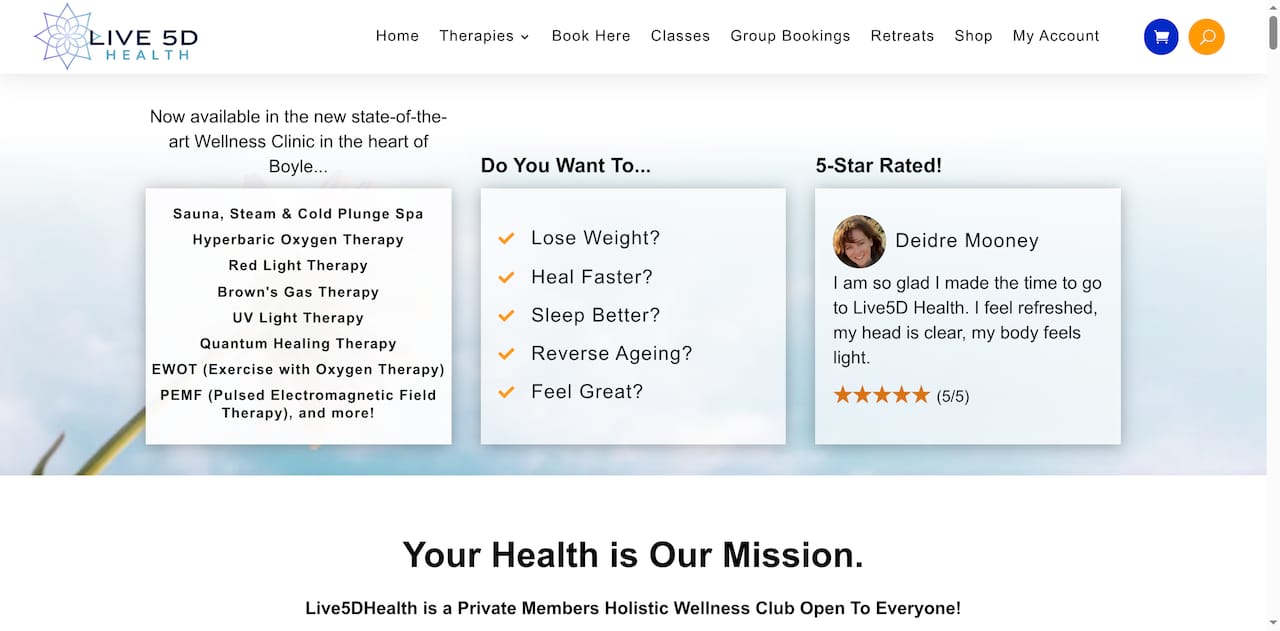
Whether you are dealing with persistent anxiety, disrupted sleep, or the cognitive effects of long COVID, a personalised consultation at Live5dhealth can help you understand whether HBOT is appropriate for your situation. Explore the luxury spa and wellness centre to see the full range of therapies available, or browse wellness retreats in Ireland to plan a dedicated period of recovery and renewal. Your best self is within reach.
FAQ
What is the role of HBOT in mental health treatment?
HBOT supports mental health by improving cerebral oxygenation, reducing neuroinflammation, and stimulating neuroplasticity. It is best used as an adjunct to established psychiatric care rather than a standalone treatment.
Can HBOT improve symptoms of PTSD?
The strongest evidence for HBOT in mental health comes from PTSD trials, particularly in veterans unresponsive to standard care. A 2026 randomised controlled trial uses 60 sessions at 2.0 ATA to assess symptom improvement and neurobehavioral outcomes.
How many HBOT sessions are needed for mental health benefits?
Most mental health protocols require 40 to 60 daily sessions to produce measurable benefits. Fewer sessions have shown inconsistent results in clinical trials, particularly for long COVID and PTSD.
Is HBOT safe for people with anxiety or depression?
At pressures at or below 2.0 ATA, the risk of CNS oxygen toxicity is approximately 1 in 10,000 treatments. HBOT is generally well tolerated, but a clinical screening for contraindications including untreated pneumothorax and pressure equalisation difficulties is required before starting.
Does HBOT directly target depression or anxiety symptoms?
HBOT does not act directly on neurotransmitter systems the way antidepressants do. Its benefits for mood are largely indirect, working through improvements in sleep quality, neuroinflammation reduction, and cellular energy restoration.