
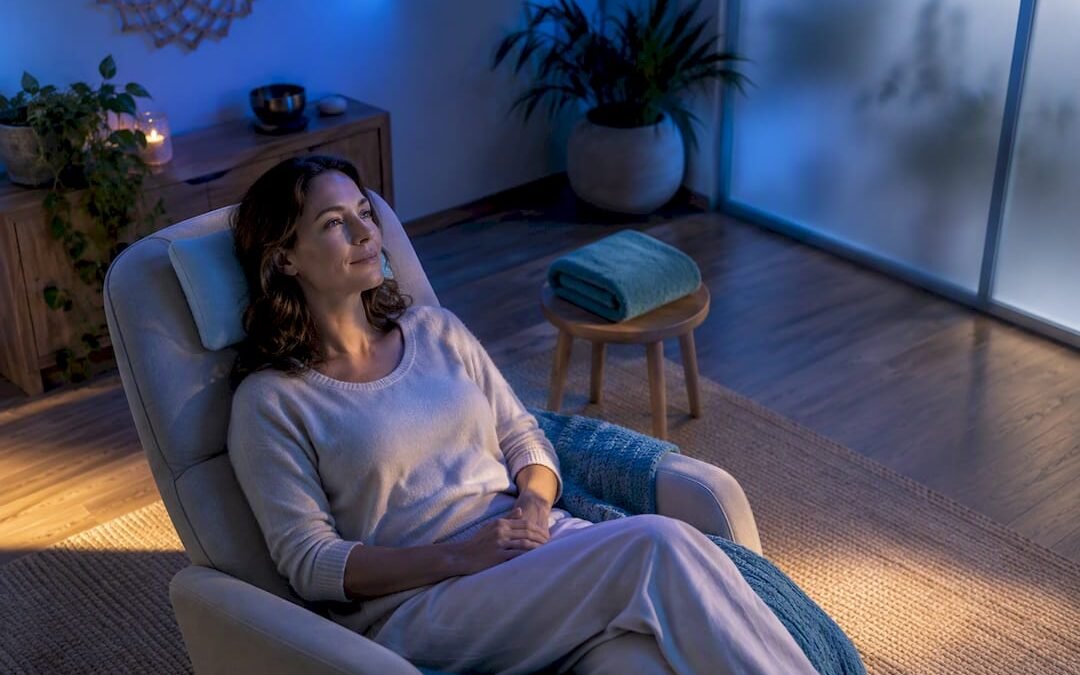
Chromotherapy offers real but modest benefits, mostly for short-term anxiety relief, and the strongest clinical evidence for light-based mood support actually comes from bright white light for seasonal affective disorder and from photobiomodulation (PBM) using specific red and near-infrared wavelengths. Ambient colour sessions can help you feel calmer within minutes, while targeted light therapy needs the right parameters and timing to work safely. We’ll walk through both, so you know which one you’re actually getting.
TL;DR:
- Bright white light therapy remains the most reliable option for seasonal affective disorder and circadian rhythm regulation, with color-specific light showing less consistent results.
- Ambient chromotherapy can reduce short-term anxiety, with blue light having the strongest evidence for calming effects in clinical and pre-surgical environments.
- Photobiomodulation using specific red and near-infrared wavelengths has more substantial backing for treating depression than general color therapy.
- Protocols matter: session durations of 10 to 20 minutes are typical for anxiety relief, but targeted PBM requires precise parameters set by professionals.
- Chromotherapy is a supportive tool for relaxation and mood support, not a substitute for clinical treatment, and should be combined with established therapies under medical guidance.
Table of Contents
- What chromotherapy is and how it differs from clinical photobiomodulation
- Evidence summary: trials and reviews for anxiety, SAD, depression, pain and sleep
- Benefits by colour and common practical uses
- How to use chromotherapy safely and effectively
- Who benefits most and how chromotherapy fits with other therapies
- How Live 5D Health puts chromotherapy and red light therapy into practice
- Setting realistic expectations with chromotherapy
- Try chromotherapy and red light therapy for yourself
- Sources
- FAQ
What chromotherapy is and how it differs from clinical photobiomodulation
Chromotherapy, or colour therapy, uses ambient coloured light to shift mood and comfort. It works largely through your eyes: specialised retinal cells called ipRGCs respond to light and colour, influencing alertness, calm and your circadian rhythm. Photobiomodulation is a different mechanism entirely. It uses specific wavelengths of red or near-infrared light, absorbed by mitochondria through a process involving cytochrome c oxidase, to support cellular energy production in tissue.
The practical distinction matters:
- Ambient chromotherapy sets a mood, using colour to create a calming or energising environment.
- Clinical PBM targets tissue at defined wavelengths, irradiance and session lengths, closer to a therapeutic protocol than a spa ambience.
- One works through your visual system and nervous system; the other works through your cells directly.
A sauna bathed in blue light and a red light therapy panel might look similar, but they’re doing fundamentally different jobs.
Evidence summary: trials and reviews for anxiety, SAD, depression, pain and sleep
The best available evidence points in a consistent direction: chromotherapy helps most with short-term anxiety, while white light and PBM carry the stronger clinical backing for mood disorders.
A randomised clinical trial found blue-themed colour therapy significantly reduced anxiety in chemotherapy patients, with intervention group anxiety scores dropping notably on a standard scale. A separate 2026 pilot study on patients awaiting cataract surgery found that immersive blue lighting lowered preoperative anxiety and improved heart-rate variability compared with standard ambient light. Small trials in paediatric dental settings have shown similar short-term reductions in children’s anxiety using blue, pink and yellow light.
For seasonal affective disorder, the picture shifts. A review on light therapy for preventing SAD found that white or bright light performs most consistently, while evidence for colour-specific visible light is smaller and less reliable. The review also noted that available prevention trials are few and generally low quality, so even the strongest finding, that white light beats coloured light for SAD, comes with caveats.
Photobiomodulation has firmer backing for depression. A 2024 meta-analysis of PBM trials reported a standardised mean difference of −0.55 for depression symptoms, with the best outcomes at wavelengths near 808 to 823 nanometres and specific dosing schedules.
A few limitations run through all of this evidence:
- Most trials use small samples and short follow-up periods.
- Protocols vary widely between studies, making direct comparisons difficult.
- Chromotherapy is best treated as an adjunctive tool, not a standalone treatment for clinical conditions.
Benefits by colour and common practical uses
Different colours tend to serve different purposes, though the research base varies a great deal by colour.
- Blue is the most studied colour for calming effects, used in oncology waiting rooms, dental settings and pre-surgical spaces where short immersive exposure has measurably reduced anxiety in trials.
- Green is associated with balance and possible pain modulation, though the research here is still early, and it’s commonly used in relaxation and meditation spaces.
- Red tends to feel energising and stimulating in ambient settings, but in PBM contexts, red and near-infrared wavelengths serve a completely different purpose: supporting tissue repair rather than shifting circadian rhythm.
- White or bright light has the strongest evidence base of any colour, particularly for seasonal affective disorder and general circadian entrainment, though this is a distinct application from ambient coloured mood lighting.
In practice, you’ll see chromotherapy show up as coloured lighting in saunas and steam rooms, blue-toned lighting in clinical waiting areas, and guided relaxation sessions pairing colour with breathing or mindfulness.
How to use chromotherapy safely and effectively
Timing and dose both matter more than most people expect.
- Morning bright light supports alertness and helps anchor your circadian rhythm, an effect well documented for natural light exposure shortly after waking.
- Evening blue light can delay your body clock and disrupt sleep, so it’s best reserved for daytime sessions if sleep is a priority.
- Anxiety-focused trials typically use 10 to 20 minute immersive exposures, while PBM protocols require specific wavelength, fluence and session-count parameters set by a clinic.
- People with bipolar disorder should approach light therapy with caution, since clinical guidance on light therapy in bipolar disorder recommends monitoring because timing and intensity can provoke mood shifts.
- Anyone on photosensitising medication or with existing eye conditions should check with a clinician or eye-care professional before starting sessions.
Pro Tip: Keep a short log of your mood before and after each session. Two weeks of notes will tell you more about whether it’s working than any single session ever could.
Who benefits most and how chromotherapy fits with other therapies
Chromotherapy tends to suit people looking for short-term anxiety relief, a calmer environment before a stressful appointment, or a mood-supportive space to unwind in, as highlighted in thoughtful gift ideas for someone in the hospital that focus on therapeutic comforts. People with diagnosed SAD are better served by dedicated bright white light protocols, and anyone managing chronic pain may find it useful as a complementary layer rather than a primary treatment.
- Choose ambient chromotherapy when your goal is comfort, relaxation or reducing situational anxiety.
- Choose clinical PBM when you need a targeted, parameter-led approach to a specific symptom.
- Pair either with established treatments such as cognitive behavioural therapy, prescribed medication or physiotherapy, and track how you respond.
- See a clinician if mood symptoms persist beyond a few weeks, if you have bipolar disorder, or if you notice any visual disturbance during sessions.
How Live 5D Health puts chromotherapy and red light therapy into practice
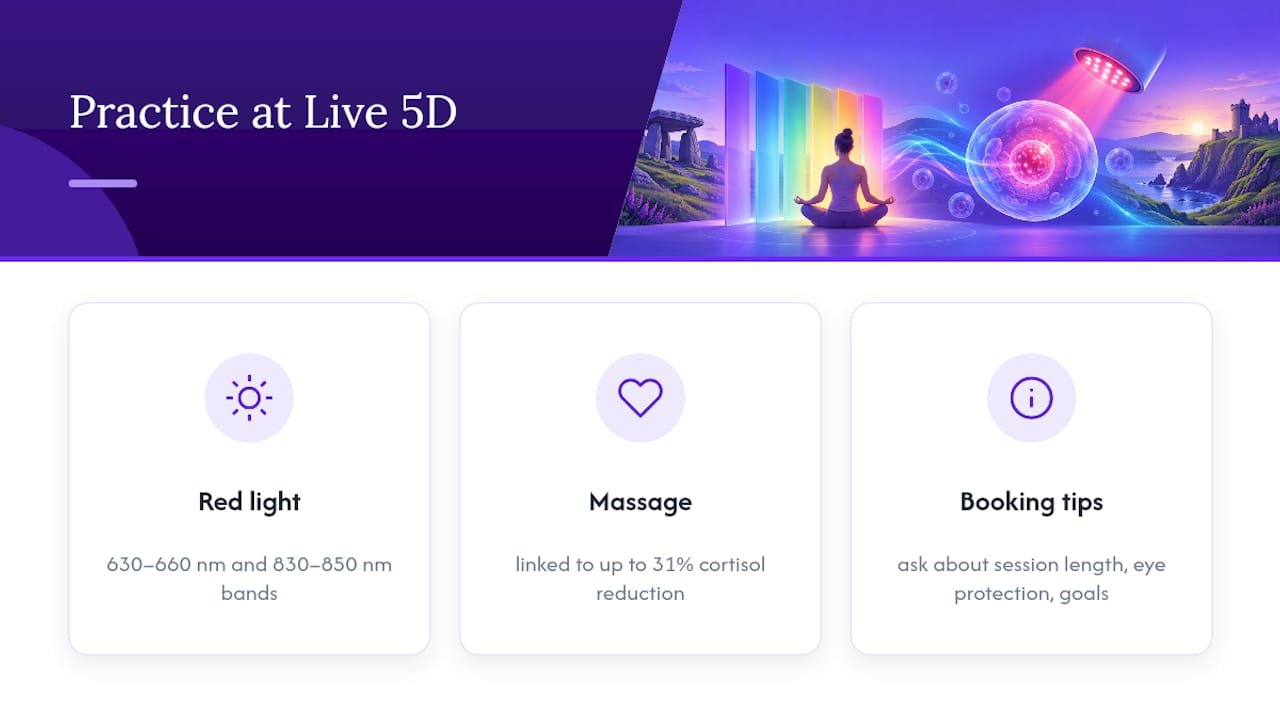
Sauna sessions sometimes use ambient chromotherapy for relaxation, alongside sound and light sessions that combine multisensory immersion with guided rest. These are wellness experiences, not clinical treatments, and we’re upfront about that distinction. Where the science is firmer, our red light therapy uses wavelengths in the 630 to 660 nanometre and 830 to 850 nanometre ranges, the same bands referenced in PBM research. Holistic massage, another option worth pairing with a session, has been linked to a reduction in cortisol of up to 31% in prior evaluations. Ask staff about session length, eye protection and what outcome you’re aiming for before booking.
Setting realistic expectations with chromotherapy
Chromotherapy is a useful, low-risk addition to your wellness routine, not a replacement for clinical care. Expect small, short-term shifts in how calm or alert you feel rather than a lasting change to mood or health. If low mood or anxiety persists, talk to a clinician alongside anything you try at home.
— Mark
Try chromotherapy and red light therapy for yourself
If you’d like to feel the calming effect of ambient colour without guessing at protocols, a spa day gives you a straightforward way to start. Our Sauna, Steam & Cold Plunge Spa sessions include sauna chromotherapy alongside heat and cold exposure, priced from €30 for a one-off visit.
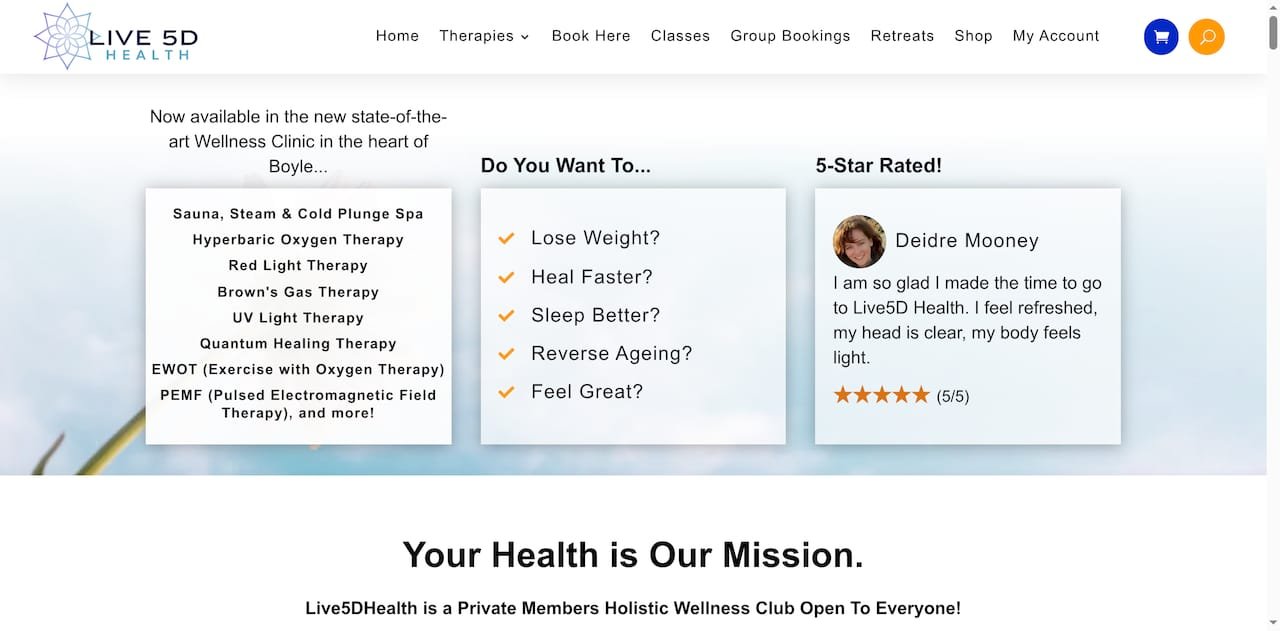
A first visit typically involves a short consultation about what you’re hoping to get from the session, followed by your chosen therapy in a relaxed setting.
- Book a sauna spa day to experience ambient chromotherapy directly.
- Ask about session timing if evening light exposure is a concern for your sleep.
- Ask about session timing if evening light exposure is a concern for your sleep.
- Combine your visit with red light therapy or holistic massage for a broader stress-reduction approach.
Head to our spa day booking page to check availability and pick a session that fits your week.
This article is general information, not a substitute for advice from a qualified doctor. Consult a qualified healthcare professional about your own circumstances before acting on anything here.
Sources
- Designing for calm: exploring the impact of colored light on autonomic regulation and anxiety in patients awaiting cataract surgery
- The Effect of Color Therapy on Anxiety in Chemotherapy Patients Attending the Oncology Department: A Randomized Clinical Trial
FAQ
Does chromotherapy actually work?
Chromotherapy shows measurable short-term benefits for anxiety, including a reduction in anxiety scores among chemotherapy patients exposed to blue-themed environments. It works best as a supportive, adjunctive tool rather than a standalone treatment for diagnosed conditions.
What colour is best for chromotherapy?
Blue has the most trial support for calming and reducing anxiety in clinical and pre-procedural settings. For seasonal affective disorder specifically, white or bright light performs more consistently than any single coloured light.
What is the most healing color?
There is no single colour proven to be the most healing across all conditions. Blue has the strongest evidence for short-term anxiety relief, while white light is the better-supported choice for seasonal mood changes.
Is color therapy real or fake?
Colour therapy has a real, though limited, evidence base, particularly for short-term anxiety reduction in clinical settings. It is not a proven treatment for chronic or diagnosed mental health conditions, so it works best alongside established care rather than in place of it.