
You are noticing the signs. Energy that dips earlier than it used to. Skin that recovers more slowly. A sense that your body is working harder to maintain what once came easily. This hyperbaric oxygen anti-ageing benefits guide exists to cut through the noise and give you a clear, honest picture of what hyperbaric oxygen therapy (HBOT) can realistically offer. We will cover the science, the preparation, what sessions actually feel like, and how to tell genuine evidence from marketing hype. If you are between 30 and 60 and serious about your vitality and skin health, this is worth your full attention.
Table of Contents
- Key takeaways
- How hyperbaric oxygen therapy works
- The science behind HBOT and ageing
- Preparing for HBOT as an anti-ageing treatment
- What to expect during and after sessions
- My honest take on HBOT for anti-ageing
- Start your HBOT journey with Live5dhealth
- FAQ
Key takeaways
| Point | Details |
|---|---|
| HBOT is medically established | It is FDA-approved for serious conditions; anti-ageing applications remain investigational but are supported by early clinical data. |
| Cellular changes are measurable | A 60-session protocol produced over 20% telomere lengthening and a 37% reduction in senescent immune cells in adults aged 64 and over. |
| Protocol precision matters | Replicating research outcomes requires matching the exact pressure, oxygen dose, and session count used in clinical trials. |
| Preparation reduces risk | Screening for contraindications such as ear pressure issues and respiratory infections is non-negotiable before starting elective HBOT. |
| Lifestyle supports results | HBOT works best alongside sleep, nutrition, and movement, not as a standalone fix. |
How hyperbaric oxygen therapy works
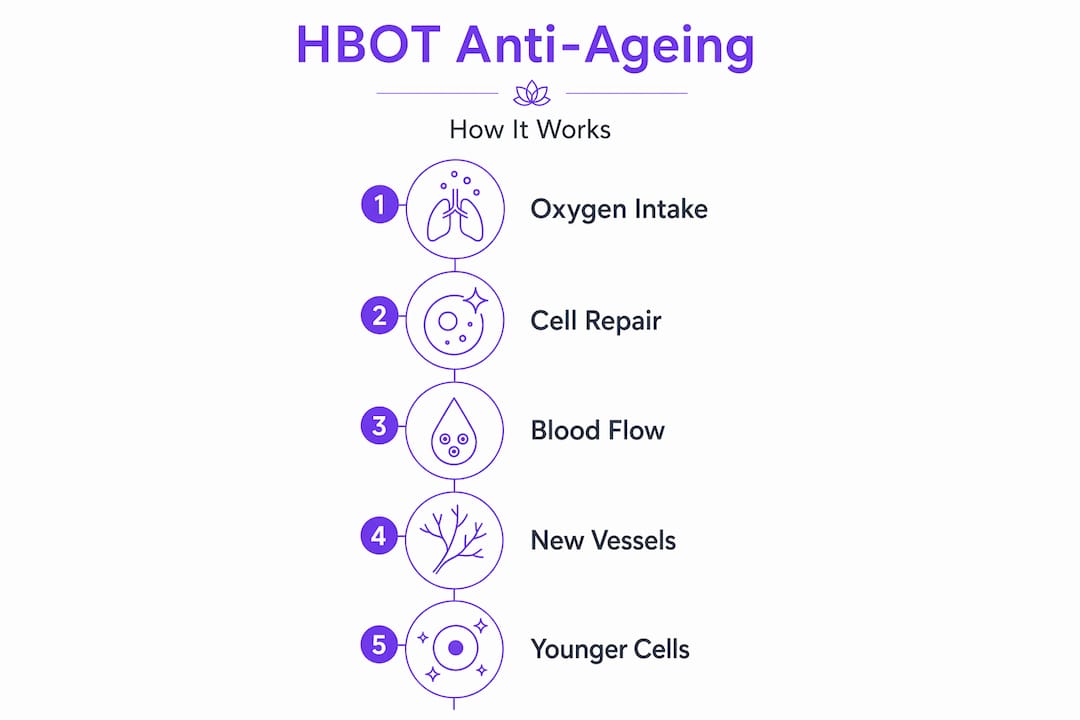
Hyperbaric oxygen therapy is a medical treatment in which you breathe pure oxygen under pressure inside a sealed chamber. The pressure is raised to two or three times normal atmospheric levels, which forces significantly more oxygen into your blood plasma, red blood cells, and body tissues than breathing ambient air ever could.
This matters because oxygen is the raw material your cells use to repair themselves. Under standard conditions, haemoglobin carries most of the oxygen your blood transports. Under hyperbaric pressure, oxygen dissolves directly into plasma, reaching tissues that poor circulation or inflammation might otherwise starve. The result is accelerated healing, reduced swelling, and a cascade of biological repair processes.
The biological effects of HBOT include vasoconstriction, improved endothelial function, stimulation of new blood vessel growth (angiogenesis), and a measurable reduction in systemic inflammation. These are not speculative. They are the same mechanisms that make HBOT effective for decompression sickness, carbon monoxide poisoning, and non-healing diabetic wounds, all of which carry FDA approval.
| Parameter | Standard range |
|---|---|
| Oxygen concentration | 100% |
| Chamber pressure | 1.9 to 3.0 ATA |
| Session duration | 90 to 120 minutes |
| FDA-approved uses | Decompression sickness, CO poisoning, non-healing wounds, radiation injury |
| Anti-ageing status | Investigational |
Anti-ageing is an emerging application. The mechanisms are plausible and the early data is promising, but it sits in a different category from the approved indications. That distinction matters when you are making decisions about your health.
The science behind HBOT and ageing
The most cited study in this space is a prospective trial involving adults aged 64 and over. After 60 HBOT sessions, participants showed a telomere length increase of over 20% and a reduction in senescent T helper cells of approximately 37%. Telomeres are the protective caps on your chromosomes. Shorter telomeres correlate with cellular ageing and increased disease risk. Reducing senescent cells, the so-called “zombie cells” that linger and drive inflammation, is one of the most active areas in longevity research.
That is a remarkable finding. It is also a biomarker finding, not a clinical outcome. Longer telomeres in immune cells do not automatically translate to visibly younger skin or dramatically improved stamina. The gap between what changes at a cellular level and what you notice in the mirror is real, and any honest guide needs to acknowledge it.
On the skin side, a randomised trial found that HBOT improved skin graft uptake and donor site healing, with meaningful benefit requiring more than four sessions. This tells us HBOT genuinely supports skin tissue repair. Extrapolating that to cosmetic anti-ageing outcomes requires caution, but the underlying biology is consistent.
| Study focus | Outcome | Protocol | Limitation |
|---|---|---|---|
| Telomere length and senescence | 20%+ telomere increase, 37% fewer senescent cells | 60 sessions, ~2 ATA, adults 64+ | Biomarker data only, no cosmetic outcomes measured |
| Skin graft healing | Improved uptake and donor site recovery | More than 4 sessions | Wound healing context, not cosmetic |
| Biological mechanisms | Angiogenesis, inflammation reduction, endothelial improvement | Varied | Mechanistic, not outcome-based |
The anti-ageing claims lack FDA clearance and should be treated as investigational. That does not make them worthless. It means you should approach them with informed curiosity rather than blind faith, and that you should insist on evidence-based protocols from any provider you consider.
Pro Tip: Ask any HBOT provider specifically which studies their protocol is based on. Request details about pressure levels, session count, and oxygen dose. If they cannot answer clearly, that tells you something important.
Preparing for HBOT as an anti-ageing treatment
Before your first session, a thorough medical evaluation is not optional. It is the foundation of safe, effective treatment. Certain conditions make HBOT inadvisable or require specific management before you begin.
Contraindications for elective HBOT include an inability to equalise ear pressure, active respiratory infections, uncontrolled fever, and some forms of lung disease. The most common adverse events in HBOT relate to pressure equalisation in the ears and sinuses. If you have had previous ear surgeries or chronic sinus problems, tell your provider before booking a session. Pressure equalisation training, or in some cases tympanostomy tubes, can reduce this risk significantly.
The protocols used in anti-ageing research are specific. The telomere study used approximately 60 sessions at around 2 ATA. Matching that protocol fidelity for HBOT efficacy is what separates a meaningful treatment course from an expensive wellness experience with uncertain benefit.
Before committing to a course of treatment, ask your provider the following:
- What pressure level and oxygen concentration does your chamber deliver?
- How many sessions do you recommend, and why?
- What outcome measures will you use to track my progress?
- Is your facility accredited, and are sessions supervised by qualified clinical staff?
- What is your protocol for managing ear or sinus discomfort during sessions?
- Do you offer a medical consultation before treatment begins?
| Preparation requirement | Details |
|---|---|
| Medical evaluation | Full health history, including ear, sinus, and respiratory status |
| Contraindication screening | Fever, active infection, certain lung conditions, inability to equalise pressure |
| Pressure equalisation | Training or medical intervention if ear issues are present |
| Facility accreditation | Confirm clinical supervision and equipment certification |
| Baseline measurements | Skin assessments or blood biomarkers to track progress |
What to expect during and after sessions
A typical HBOT session lasts between 90 and 120 minutes. You lie or sit inside a chamber, either a monoplace unit designed for one person or a multiplace chamber that accommodates several people at once. The chamber pressurises gradually, and you breathe 100% oxygen throughout. Most people find the experience straightforward. The main sensation during pressurisation is a feeling of fullness in the ears, similar to descending in an aircraft.
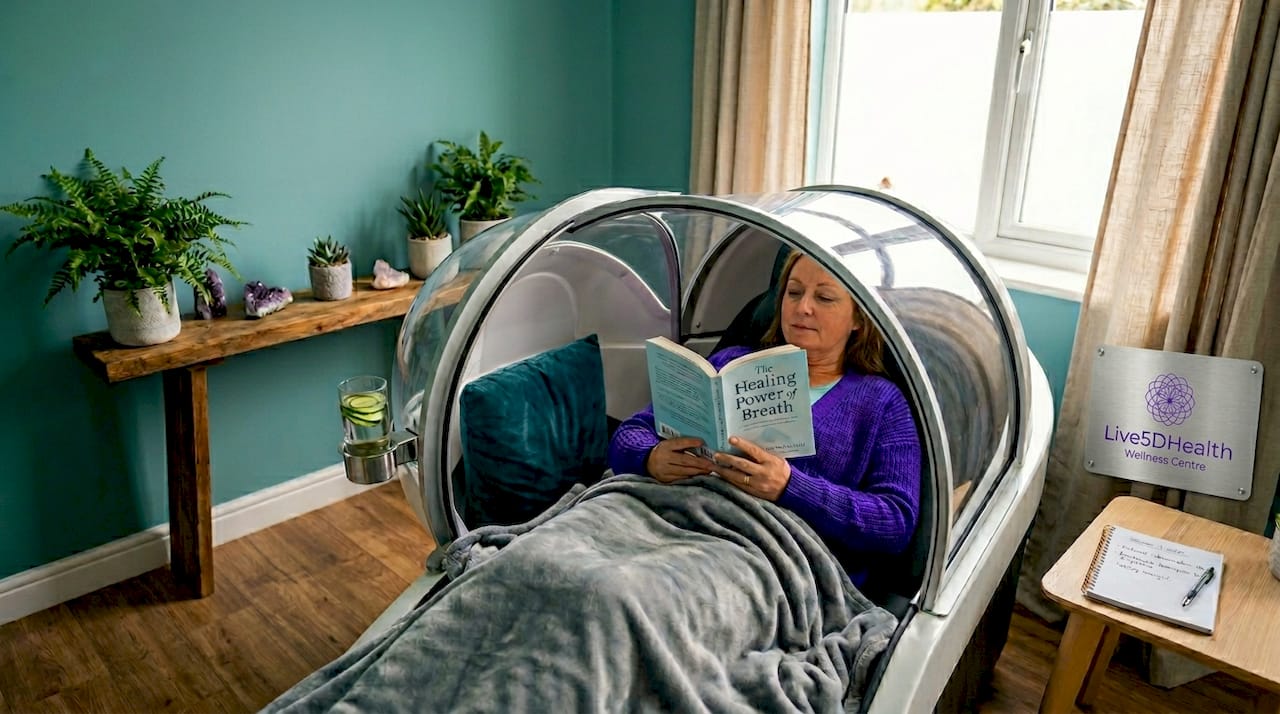
Session parameters typically sit between 1.9 and 3.0 ATA, with serious adverse events being rare. Mild side effects include temporary vision changes (usually short-lived myopia that resolves after treatment ends), ear discomfort, and occasional lightheadedness. Oxygen toxicity is a theoretical risk but is extremely uncommon at standard therapeutic pressures.
The biological changes that support anti-ageing outcomes take time to accumulate. Do not expect to feel dramatically different after five sessions. The telomere and senescence data came from a 60-session protocol. Commit to the full course before evaluating results.
Here is what to do after each session and across your treatment course:
- Hydrate well after each session. Increased oxygen metabolism raises your body’s demand for fluids.
- Avoid alcohol on treatment days. It interferes with the oxygen-driven repair processes.
- Keep a simple log of energy levels, sleep quality, and skin observations each week.
- Schedule a mid-course check-in with your provider to review any side effects or concerns.
- At the end of your course, request a formal reassessment using the same baseline measures taken before you started.
- Discuss with your provider whether a maintenance protocol is appropriate for your goals.
Pro Tip: Photograph your skin in consistent lighting at the start, midpoint, and end of your treatment course. Subjective impressions are unreliable. Visual documentation gives you something concrete to evaluate.
My honest take on HBOT for anti-ageing
I have seen a lot of wellness therapies come and go, and I have noticed a consistent pattern. The most promising ones attract the most exaggerated claims earliest. HBOT is no different. The biomarker data from the telomere studies is genuinely exciting. I would not dismiss it. But I have also spoken with people who completed full HBOT courses expecting dramatic cosmetic transformation and felt underwhelmed, not because the therapy failed, but because their expectations were shaped by marketing rather than evidence.
What I have learned is that the value of HBOT for anti-ageing lies primarily at the cellular and systemic level. If you go in hoping for a non-surgical facelift, you will likely be disappointed. If you go in hoping to support your body’s repair mechanisms, reduce chronic inflammation, and give your cells a biological advantage, you are working with what the evidence actually supports.
Choosing an accredited facility matters enormously. I have seen people try HBOT in settings with inadequate pressure, unqualified supervision, and no outcome tracking. That is not just ineffective. It is a missed opportunity and a potential safety risk. The HBOT treatment landscape varies widely in quality.
My other consistent observation is that HBOT works best as part of a broader commitment. Sleep, nutrition, movement, and stress management are not optional extras. They are the foundation that allows HBOT’s biological effects to actually translate into how you feel and function. Read more about combining therapies effectively if you want to understand how to build a protocol that genuinely compounds results.
This is an evolving field. Stay curious, stay sceptical of oversimplified claims, and keep asking providers for evidence. That approach will serve you far better than chasing the next headline.
— Mark
Start your HBOT journey with Live5dhealth
If this guide has you ready to take the next step, Live5dhealth in Boyle, County Roscommon, offers supervised HBOT sessions in a luxury wellness setting designed specifically for people serious about their long-term vitality and skin health.
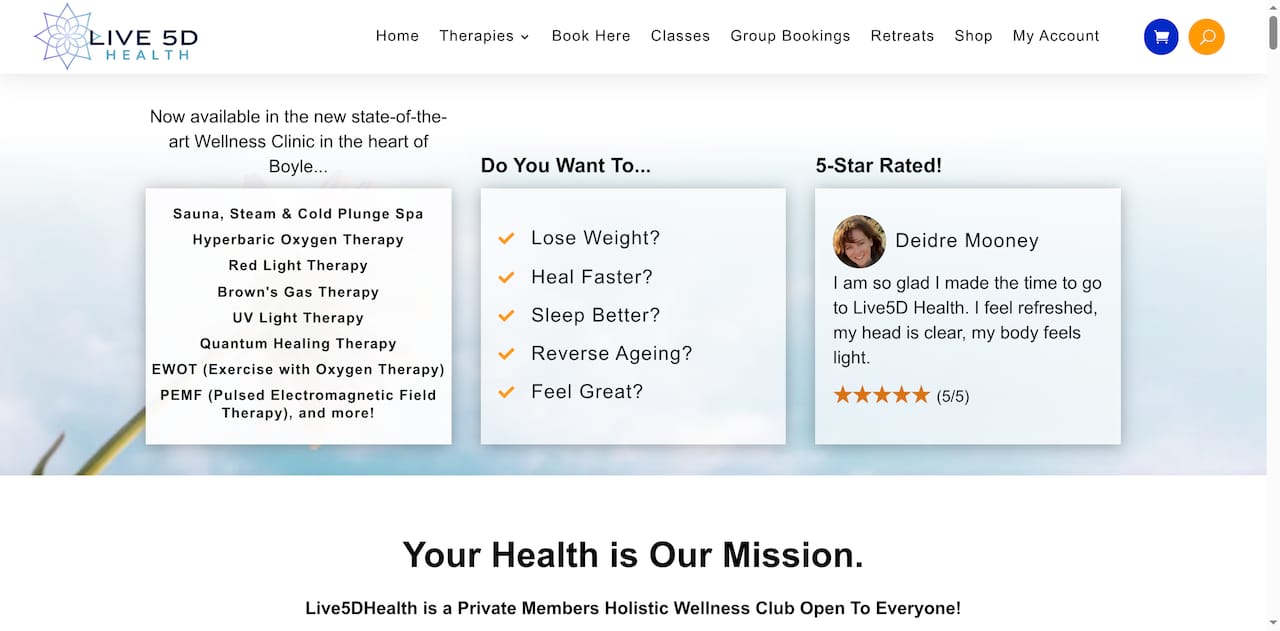
The team at Live5dhealth works with each client individually, building protocols grounded in clinical evidence rather than generic wellness packages. You can explore luxury wellness retreats that incorporate HBOT alongside complementary therapies, or discover how vibro plate and HBOT combined can amplify your results. Whether you are beginning your first course or refining an existing health practice, Live5dhealth offers the expertise, accreditation, and environment to make it count.
FAQ
What is hyperbaric oxygen therapy used for?
HBOT is FDA-approved for conditions including decompression sickness, carbon monoxide poisoning, and non-healing wounds. Anti-ageing applications are investigational and not yet FDA-cleared.
How many HBOT sessions are needed for anti-ageing benefits?
The primary clinical study supporting anti-ageing biomarker changes used 60 sessions at approximately 2 ATA. Fewer sessions may produce some benefit, but matching the research protocol gives you the best chance of replicating the outcomes.
Is HBOT safe for elective anti-ageing use?
HBOT is generally safe when delivered in an accredited facility with clinical supervision. The most common risks involve ear and sinus pressure, which can be managed with proper screening and preparation before treatment begins.
Will HBOT visibly improve my skin?
HBOT supports skin tissue repair at a biological level, as shown in skin graft healing studies. Visible cosmetic improvements are plausible but not yet confirmed by large-scale trials specifically measuring cosmetic skin outcomes.
Can I combine HBOT with other anti-ageing treatments?
Yes. HBOT complements other anti-ageing health practices including nutrition, exercise, and targeted supplementation. Combining therapies thoughtfully, rather than stacking them without a plan, tends to produce the most consistent results.
Recommended
- Hyperbaric Oxygen Therapy Ireland? Live5DHealth Boyle
- The Beneficial Effects of Hyperbaric Oxygen Therapy (HBOT) Prior to Surgery – Live 5D Health
- Hyperbaric Oxygen Therapy Treatment Review – Live 5D Health
- Exploring the Remarkable Benefits of Hyperbaric Oxygen Therapy (HBOT) for Multiple Sclerosis (MS) – Live 5D Health