
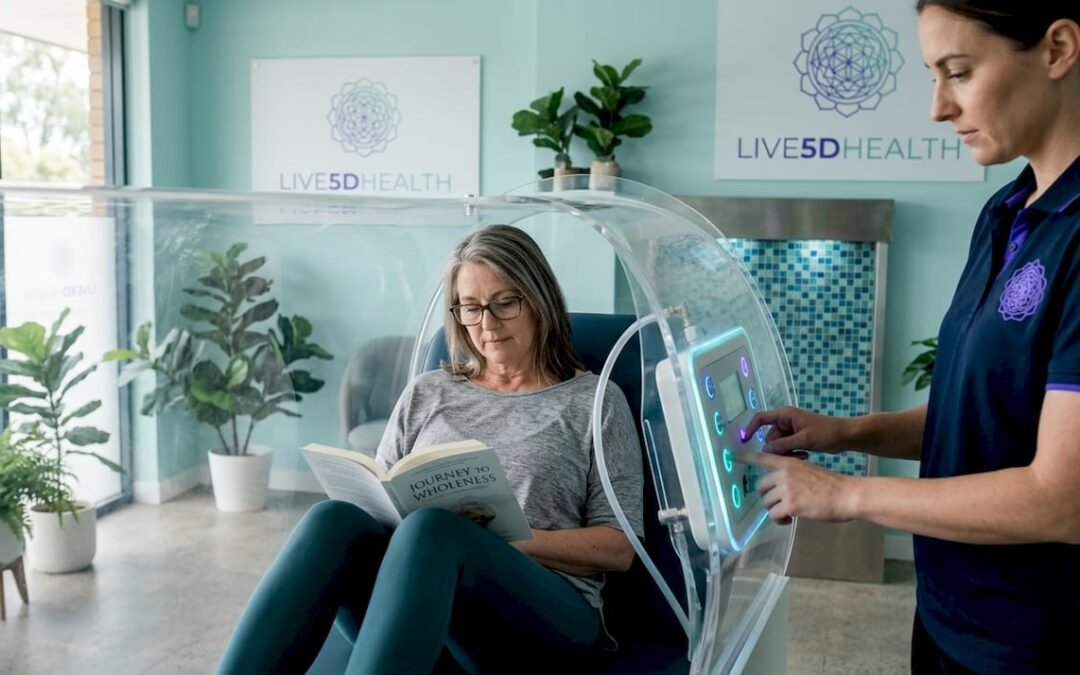
If you or someone you care for has been living with Lyme disease, you have likely come across hyperbaric oxygen therapy, or HBOT, as a potential option. Understanding what is HBOT for Lyme disease, and what it can realistically offer, is genuinely useful. HBOT has real medical applications, but it is also surrounded by claims that go well beyond what current evidence supports. This guide cuts through the noise, explains the science plainly, and helps you make informed decisions about whether HBOT belongs in your recovery plan.
Table of Contents
- Key takeaways
- What is HBOT and how does it work?
- What research actually says about HBOT for Lyme
- Lyme stages, PTLDS, and where HBOT fits
- Practical considerations: benefits, risks, and costs
- My honest perspective on HBOT and Lyme disease
- Support your recovery at Live5dhealth
- FAQ
Key takeaways
| Point | Details |
|---|---|
| HBOT is not a cure for Lyme | No regulatory body has approved HBOT as a treatment for active Lyme disease infection. |
| Evidence is limited but promising | Research is mostly small studies and anecdotal reports, so interpret results cautiously. |
| Adjunctive role is where HBOT fits | HBOT may support symptom relief, particularly for fatigue, brain fog, and joint pain. |
| Accurate diagnosis comes first | Knowing your stage of Lyme disease is critical before considering any adjunct therapy. |
| Costs and access are significant | HBOT is not covered by most insurance for Lyme disease and sessions add up financially. |
What is HBOT and how does it work?
Hyperbaric oxygen therapy (HBOT) involves breathing 100% pure oxygen inside a pressurised chamber. Under increased atmospheric pressure, your lungs take in far more oxygen than they could at normal air pressure. That oxygen dissolves directly into your blood plasma, reaching tissues and cells that your red blood cells might not adequately supply on their own.
This is why HBOT has earned a strong reputation in wound healing, decompression sickness, radiation injury, and carbon monoxide poisoning. The conditions it is approved for share a common thread: tissues are oxygen-deprived and healing is stalled. Flooding the body with oxygen at pressure accelerates cellular repair and supports immune function.
So where does Lyme disease fit in? Borrelia burgdorferi, the bacterium responsible for Lyme disease, is described as microaerophilic, meaning it prefers low-oxygen environments. The thinking behind HBOT for Lyme is that elevated oxygen may disrupt the bacterium’s preferred conditions, potentially interfering with its survival and the biofilm structures it forms to evade antibiotics.
Here is what HBOT specifically may do in the context of Lyme disease management:
- Increase oxygen in poorly vascularised tissues where Borrelia tends to hide and where antibiotics struggle to reach
- Disrupt biofilm and cystic forms of the bacteria, at least in theory
- Reduce systemic and neurological inflammation
- Support mitochondrial function, which is often impaired in chronic illness
- Promote tissue repair and cellular regeneration
Pro Tip: When researching HBOT clinics, always ask whether they use a monoplace or multiplace chamber, what pressure protocols they follow, and how many sessions they typically recommend. These details matter enormously and vary between providers.
What research actually says about HBOT for Lyme
This is where you need honest information, not wishful thinking. The straightforward reality is that no large randomised controlled trials exist to confirm HBOT as an effective treatment for Lyme disease. The available evidence consists primarily of small, uncontrolled studies and patient-reported outcomes. Without placebo comparisons, it is very difficult to know how much improvement is due to HBOT itself versus the natural fluctuation of Lyme symptoms.
“HBOT does not eradicate Borrelia or common co-infections; infection-focused care remains primary.” — Daniel Cameron MD
That said, some patterns in smaller studies are worth noting. Patients receiving HBOT have reported improvements in fatigue, cognitive clarity, and pain. Neurological symptom improvement is one of the more consistently mentioned benefits, likely linked to better oxygenation of brain tissue and a reduction in neuroinflammation. These are meaningful outcomes for people who have been suffering for months or years.
The regulatory picture is equally clear. The FDA has not approved HBOT for Lyme disease, and clinics offering it as such are operating outside established medical guidelines. That does not mean every patient experience is invalid. It does mean you should be cautious about any provider claiming HBOT will cure or eradicate your infection.
Here is a straightforward summary of where HBOT for Lyme disease stands today:
| Aspect | Current status |
|---|---|
| FDA approval for Lyme | Not approved |
| Quality of evidence | Mostly small studies and anecdotal reports |
| Effect on active infection | Unproven; bacteria not reliably eradicated |
| Effect on chronic symptoms | Some reported improvement, particularly neurological |
| Insurance coverage | Rarely covered for Lyme disease |
| Expert consensus | Adjunctive use only, not first-line treatment |
The absence of large placebo-controlled trials means reported symptom improvement from HBOT must be viewed cautiously, even when individual patient stories are encouraging. This is not scepticism for its own sake. It is the kind of clarity that helps you spend your time and money wisely.
Lyme stages, PTLDS, and where HBOT fits
One of the most overlooked aspects of the HBOT and Lyme conversation is that “Lyme disease” is not a single, uniform condition. Where you are in the disease process shapes everything about what kind of support you actually need.
Early Lyme disease symptoms vary widely, blood tests may be negative in the early weeks, and many patients go undiagnosed for months. By the time HBOT is being considered, most people are dealing with one of two very different situations:
- Active, undertreated infection. If the bacterial infection has not been properly addressed, HBOT cannot substitute for antibiotics. Antibiotic treatment remains the cornerstone of care for active Lyme disease, with guidelines consistently emphasising this point.
- Post-treatment Lyme disease syndrome (PTLDS). This describes patients who completed antibiotic treatment but continue experiencing fatigue, cognitive difficulties, pain, and sleep disturbance. Here, the underlying infection is presumed resolved, and the symptoms likely relate to persistent inflammation and immune dysregulation rather than active bacterial presence.
HBOT’s strongest theoretical case is in the second group. When the infection has been addressed and ongoing symptoms reflect inflammation, mitochondrial dysfunction, or neurological damage, boosting oxygen delivery to affected tissues makes meaningful physiological sense.
The challenge is that distinguishing active infection from PTLDS from an entirely different condition that mimics Lyme is genuinely difficult. Many HBOT claims blur these distinctions, which is precisely why experienced clinicians prioritise thorough diagnostic workup before recommending any costly adjunct therapy. If you pursue HBOT without knowing which situation you are in, you risk spending significant money on a therapy that may not address your actual problem.
Practical considerations: benefits, risks, and costs
Once you have an accurate diagnosis and have received appropriate antibiotic treatment where indicated, considering HBOT as part of a broader recovery plan becomes a reasonable conversation. Here is what you need to weigh up honestly.
Potential benefits for Lyme symptoms
Patients who have found value in hyperbaric oxygen therapy Lyme protocols most commonly report improvement in these areas:
- Reduced fatigue and improved energy levels
- Clearer thinking and less brain fog
- Decreased joint and muscle pain
- Better sleep quality
- Reduced headaches and sensory sensitivities
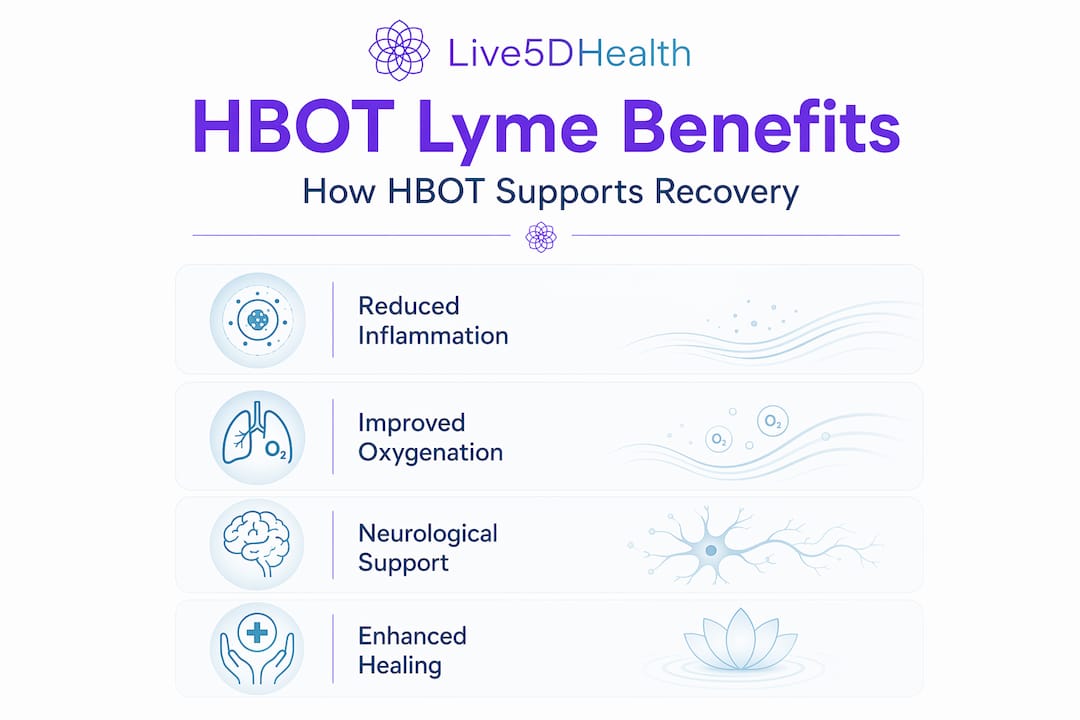
These align with HBOT’s known mechanisms: reduced inflammation, improved oxygenation of brain and nerve tissue, and support for cellular energy production.
Risks and side effects
HBOT is generally well-tolerated, but it is not without risk. Common side effects include ear discomfort from pressure changes, temporary vision changes, and fatigue following sessions. Less commonly, oxygen toxicity can occur at very high pressures, though reputable clinics use protocols specifically designed to minimise this. If you have certain lung conditions or a history of seizures, HBOT may not be appropriate for you.
The financial reality
Since the FDA has not cleared HBOT for Lyme disease, most insurance providers will not cover it for this purpose. A typical course of treatment involves multiple sessions, and costs can accumulate quickly. This financial barrier is a genuine consideration, not something to dismiss.
| Factor | What to consider |
|---|---|
| Session frequency | Protocols typically involve 20 to 40 sessions for chronic conditions |
| Cost per session | Varies by clinic; ask for a full cost breakdown upfront |
| Medical supervision | Reputable clinics include physician oversight and intake assessment |
| Integration with other care | HBOT works best alongside, not instead of, your primary treatment |
| Supplement and immune support | Pairing HBOT with immune support supplements may enhance overall recovery |
Pro Tip: Before committing to a full course of HBOT sessions, ask the clinic whether they offer an initial assessment or a trial of sessions to gauge your personal response. A reputable provider will welcome this conversation.
My honest perspective on HBOT and Lyme disease
I have spent years speaking with people who are exhausted, frustrated, and desperately looking for the thing that will finally turn the corner on their Lyme disease. I understand that desperation deeply, and it is precisely why I want to be honest with you.
In my experience, the biggest mistake I see is people pursuing HBOT before they have a clear picture of where they are in the disease process. HBOT is not a shortcut around antibiotics. It is not a cure. Treating it as one, as some providers unfortunately suggest, means you may spend thousands and still have an active infection quietly progressing.
What I do believe is that HBOT has genuine value in the right context. For patients dealing with the persistent inflammation, cognitive fog, and fatigue of PTLDS, after appropriate antibiotic treatment has been completed, HBOT can be a meaningful part of recovery. I have seen this play out in ways that genuinely move people forward. The HBOT treatment review at Live5dhealth speaks to outcomes that echo this pattern.
My advice is always the same. Get diagnosed properly. Work with a clinician who understands Lyme disease in all its complexity. Then, if HBOT is a good fit for your situation, pursue it with clear eyes and realistic expectations. That combination, good diagnosis, appropriate infection treatment, and targeted adjunct support, is where real recovery happens.
— Mark
Support your recovery at Live5dhealth
At Live5dhealth in Boyle, County Roscommon, we understand that recovering from Lyme disease requires more than a single therapy. That is why we have built a wellness centre that brings together HBOT, Vibro Plate therapy, high-quality supplements, and a genuinely supportive team, all under one roof.
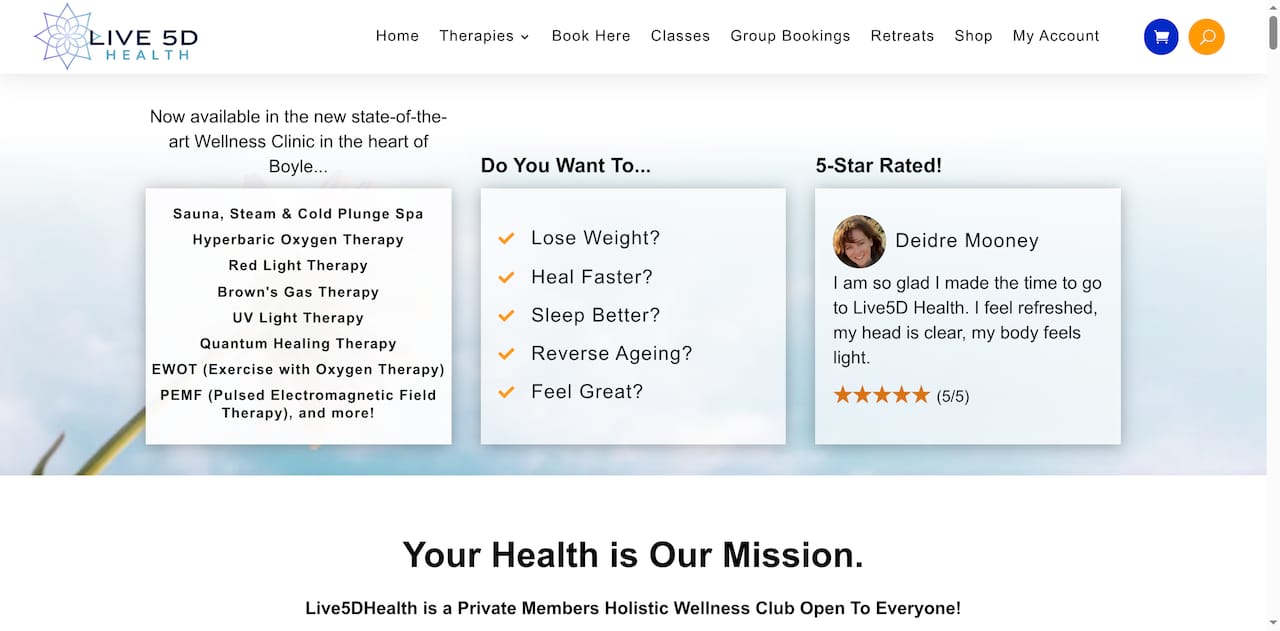
Whether you are exploring HBOT for the first time or looking to combine it with other evidence-informed approaches, our team can help you build a plan that makes sense for your stage of recovery. Our Vibro Plate and HBOT combination has helped many clients dealing with chronic symptoms finally feel progress. You can also explore our wellness retreats in Ireland for a more immersive recovery experience in a setting designed to truly restore you.
FAQ
What does HBOT do for Lyme disease?
HBOT increases oxygen in tissues where Borrelia bacteria tend to hide, may reduce inflammation, and can support neurological recovery. It is considered an adjunctive therapy, not a primary treatment or cure.
Is HBOT approved for treating Lyme disease?
No. The FDA has not approved HBOT specifically for Lyme disease, and most insurance does not cover it for this purpose. It is used off-label as a supportive therapy.
Can HBOT replace antibiotics for Lyme disease?
No. Antibiotics remain the primary treatment for active Lyme infection. HBOT does not reliably eradicate Borrelia burgdorferi and should never be used as a substitute for appropriate antibiotic care.
Who benefits most from HBOT in Lyme disease recovery?
Patients most likely to benefit are those who have completed antibiotic treatment and continue experiencing persistent symptoms such as fatigue, brain fog, and joint pain, often described as post-treatment Lyme disease syndrome.
How many HBOT sessions are typically needed for Lyme symptoms?
Protocols vary, but chronic condition programmes typically involve between 20 and 40 sessions. Always discuss expected session numbers and costs with a clinician before committing to treatment.
Recommended
- Hyperbaric Oxygen Therapy Ireland? Live5DHealth Boyle
- Hyperbaric Oxygen Therapy: Unlocking the Benefits for Lyme Disease – Live 5D Health
- Exploring the Remarkable Benefits of Hyperbaric Oxygen Therapy (HBOT) for Multiple Sclerosis (MS) – Live 5D Health
- Autism & Hyperbaric Oxygen Therapy (HBOT) – Live 5D Health