
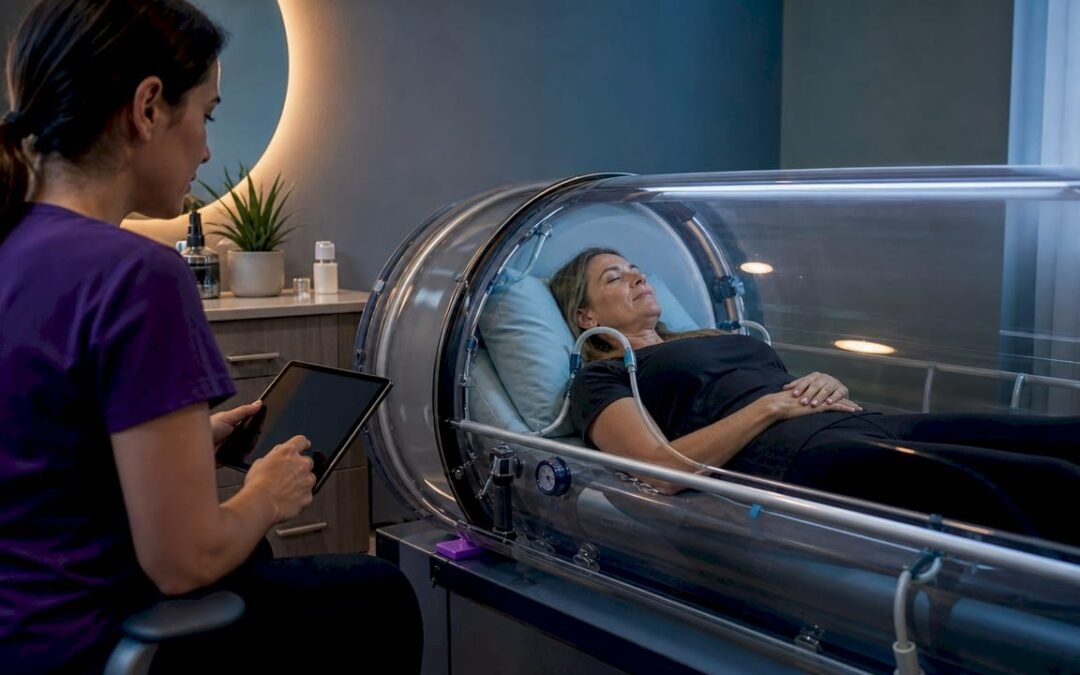
Hyperbaric oxygen therapy (HBOT) is a medically validated treatment that reduces inflammation by suppressing pro-inflammatory cytokines and restoring oxygen delivery to damaged tissues. Clinically, this means measurable reductions in C-reactive protein (CRP) following 10 to 20 session protocols, alongside improvements in energy, pain, and tissue repair. If you are between 30 and 60 and dealing with chronic inflammation, autoimmune conditions, or slow recovery, understanding how HBOT works at a biological level gives you the foundation to make an informed decision about whether it belongs in your health plan.
How HBOT reduces inflammation at a biological level
HBOT reduces inflammation through three distinct but interconnected mechanisms: cytokine suppression, oxidative stress modulation, and vascular repair. Each one addresses a different layer of the inflammatory process, which is why the therapy tends to produce results that single-target interventions cannot match.
The most direct mechanism is the suppression of pro-inflammatory cytokines including TNF-α, IL-1β, and IL-6, alongside inhibition of the NF-κB signalling pathway. NF-κB acts as a master switch for inflammation. When HBOT inhibits it, the downstream cascade of inflammatory molecules is reduced across multiple tissue types simultaneously. Neutrophil adhesion to blood vessel walls also decreases, which limits the localised tissue damage that drives chronic swelling and pain.
The second mechanism is what researchers call the hyperoxic-hypoxic paradox. During an HBOT session, your body is flooded with high-pressure oxygen. When the session ends, the sudden return to normal oxygen levels triggers a hormetic response. Your cells interpret this as a mild stress signal and upregulate antioxidant enzymes including superoxide dismutase (SOD) and glutathione peroxidase. This internal antioxidant activation is more durable than taking antioxidant supplements, because it trains your own cellular machinery rather than substituting for it.
The third mechanism is mitochondrial protection. Inflamed tissues are typically hypoxic, meaning they are starved of oxygen. HBOT dissolves oxygen directly into blood plasma at pressures of 2.0 to 2.4 ATA, reaching tissue compartments that haemoglobin-bound oxygen cannot access. This restores mitochondrial function in damaged cells, reduces oxidative damage, and creates the conditions for genuine cellular repair rather than just symptom management.
| Mechanism | What it does |
|---|---|
| Cytokine suppression | Lowers TNF-α, IL-1β, IL-6 and inhibits NF-κB signalling |
| Neutrophil adhesion reduction | Reduces localised vascular inflammation and tissue damage |
| Hormetic antioxidant activation | Upregulates SOD and glutathione peroxidase via hyperoxic-hypoxic paradox |
| Plasma oxygen delivery | Reaches hypoxic tissues inaccessible to haemoglobin-bound oxygen |
| Mitochondrial protection | Restores cellular energy production in inflamed, oxygen-deprived tissue |
Pro Tip: If you are researching HBOT for oxidative stress, ask your provider specifically about air break protocols during sessions. These scheduled pauses are what trigger the hormetic signalling that activates your body’s own antioxidant defences.
How do HBOT treatment protocols affect inflammation outcomes?
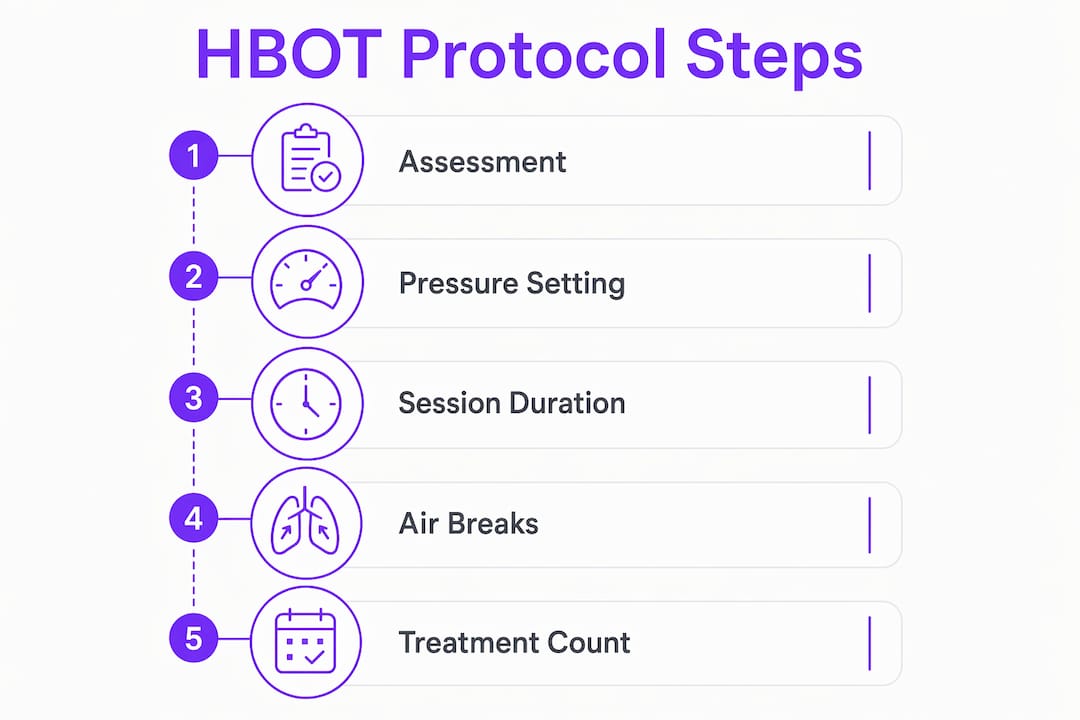
Not all HBOT protocols produce the same anti-inflammatory results. The pressure, session duration, number of sessions, and chamber type all influence how effectively the therapy modulates inflammation.
Standard clinical protocols for anti-inflammatory HBOT involve approximately 60 sessions at 2.0 to 2.4 ATA with 100% oxygen, with each session lasting 60 to 90 minutes. This is the protocol associated with the most significant regenerative and systemic anti-inflammatory outcomes. However, evidence shows meaningful improvements in markers like CRP after as few as 20 sessions, particularly for mild cognitive impairment and early-stage inflammatory conditions.
Chamber type matters more than most people realise. Hard-shell clinical chambers pressurised to 2.0 to 2.4 ATA are required to achieve the plasma oxygen tension needed for cytokine modulation and stem cell mobilisation. Soft-shell chambers, which are increasingly marketed for home use, typically operate below 1.5 ATA. They may offer mild relaxation benefits, but they cannot replicate the regenerative signalling documented in clinical research. This distinction is worth understanding before you invest time or money in any HBOT programme.
Air breaks are a non-negotiable part of effective protocols. Scheduled oxygen fluctuations during sessions prevent oxygen toxicity and, more importantly, trigger the hyperoxic-hypoxic signalling that drives the hormetic antioxidant response. A provider who skips air breaks is not just cutting corners on safety. They are removing the mechanism responsible for a significant portion of HBOT’s anti-inflammatory benefit.
| Protocol variable | Standard clinical range | Inflammatory outcome |
|---|---|---|
| Pressure | 2.0 to 2.4 ATA | Full cytokine modulation and plasma oxygen delivery |
| Session duration | 60 to 90 minutes | Sufficient exposure for mitochondrial and vascular repair |
| Number of sessions | 20 to 60 | Measurable CRP reduction from 20; full regeneration at 60 |
| Chamber type | Hard-shell only | Soft-shell insufficient for therapeutic anti-inflammatory effects |
| Air breaks | Scheduled throughout | Critical for hormetic signalling and toxicity prevention |
Pro Tip: When evaluating a provider, ask for their specific protocol in writing, including pressure settings, session length, and air break schedule. A reputable centre will provide this without hesitation. You can review chamber types and pressures to understand what to look for before your first consultation.
Which inflammatory conditions respond best to HBOT?
HBOT shows therapeutic promise across a wide range of inflammation-driven conditions. The evidence base is strongest where tissue hypoxia and immune dysregulation overlap, which describes most chronic inflammatory diseases.
- Autoimmune conditions: HBOT improves autoimmune myocarditis outcomes by lowering pro-inflammatory cytokines, protecting mitochondria, and restoring immune balance. Preclinical models show reduced heart inflammation and improved cardiac function. Fibromyalgia patients report reduced pain and improved sleep quality following full treatment courses.
- Neuroinflammatory conditions: Post-COVID syndrome and Lyme disease both involve persistent neuroinflammation. Patient-reported benefits include reduced joint pain, improved energy, and cognitive clarity, with improvements typically appearing within weeks of completing a course. For a detailed look at HBOT’s role in Lyme disease, the HBOT for Lyme disease guide at Live5dhealth covers the clinical picture thoroughly.
- Wound healing and joint inflammation: HBOT accelerates wound closure by restoring oxygen to ischaemic tissue and reducing the inflammatory burden that delays healing. Measurable wound size reduction is typically observed after 15 to 20 sessions.
- Exercise recovery: Athletes and active individuals use HBOT to reduce post-exercise inflammation, accelerate muscle repair, and shorten recovery windows between training sessions.
- Complex medical conditions: HBOT is used as an adjunctive therapy alongside conventional medical management for conditions where tissue hypoxia and inflammatory cascades compound each other, including radiation injury and diabetic complications.
The consistent thread across all these applications is that HBOT works best as a complement to, not a replacement for, established medical treatment. It addresses the biological environment in which disease persists, rather than targeting a single pathogen or pathway.
What are the practical considerations before starting HBOT?
Understanding the timeline and logistics of HBOT helps you set realistic expectations and get the most from your sessions.
- Early sessions (1 to 10): Most people notice improved energy and reduced fatigue within the first five to ten sessions. This reflects the initial boost in tissue oxygenation and early cytokine modulation rather than full anti-inflammatory resolution.
- Mid-course (10 to 20 sessions): Measurable wound size reduction and more sustained pain relief typically emerge here. CRP levels begin to fall in patients with active inflammatory markers.
- Full course (20 to 60 sessions): Systemic anti-inflammatory effects, mitochondrial repair, and regenerative signalling are consolidated. A full assessment is recommended four to eight weeks after completing treatment to capture the full biological response.
- Herxheimer-like reactions: Some patients experience a temporary worsening of symptoms in early sessions, particularly those with Lyme disease or chronic infections. This reflects the immune system responding to improved oxygenation and is generally short-lived. Reducing session frequency temporarily or shortening duration can moderate this response.
- Combining therapies: Combining HBOT with NAD+ IV therapy is common in integrative medicine settings, but timing matters. Staggering sessions by at least 24 hours prevents the metabolic interventions from cancelling each other’s hormetic signalling benefits. Discuss scheduling with your practitioner before combining treatments.
- Professional-grade chambers only: As noted in the protocols section, therapeutic anti-inflammatory outcomes require hard-shell chambers at clinical pressures. Home devices marketed as HBOT do not meet this standard.
Key takeaways
HBOT reduces inflammation through cytokine suppression, hormetic antioxidant activation, and plasma oxygen delivery to hypoxic tissues, with clinical outcomes dependent on pressure, session count, and chamber type.
| Point | Details |
|---|---|
| Core mechanism | HBOT suppresses TNF-α, IL-1β, and IL-6 while inhibiting NF-κB inflammatory signalling. |
| Hormetic antioxidant effect | The hyperoxic-hypoxic paradox activates SOD and glutathione peroxidase more effectively than supplements. |
| Protocol requirements | Hard-shell chambers at 2.0 to 2.4 ATA with air breaks are required for therapeutic anti-inflammatory outcomes. |
| Treatment timeline | Energy improvements appear within 5 to 10 sessions; measurable inflammation reduction by sessions 15 to 20. |
| Clinical applications | HBOT benefits autoimmune, neuroinflammatory, wound healing, and exercise recovery conditions as an adjunctive therapy. |
Why I think HBOT deserves more serious attention than it gets
From where I stand, HBOT sits in an unusual position. The science behind it is genuinely rigorous. The mechanisms are well-characterised, the clinical data is growing, and the patient outcomes we see are consistent with what the research predicts. Yet it is still treated with scepticism in some quarters, largely because it does not fit neatly into the pharmaceutical model of one drug, one target.
What I find most compelling is the hormetic mechanism. The idea that controlled oxidative stress can train your body to manage inflammation more effectively than any supplement is counterintuitive, but the evidence supports it. Most people arrive expecting HBOT to simply flood their body with oxygen and fix things. The reality is more sophisticated and, frankly, more interesting than that.
The misconception I correct most often is that soft-shell chambers are equivalent to clinical HBOT. They are not. If you are considering this therapy for a genuine inflammatory condition, the chamber type and pressure are not optional details. They are the difference between a therapeutic intervention and an expensive relaxation session.
My honest recommendation is to approach HBOT as part of a broader health strategy, not a standalone cure. Pair it with sound nutrition, appropriate supplementation, and medical oversight. When used that way, it is one of the most scientifically grounded tools available for managing chronic inflammation in the 30 to 60 age group.
— Mark
Experience HBOT and inflammation relief at Live5dhealth
Live5dhealth, based in Boyle, County Roscommon, offers professional-grade HBOT sessions within a fully integrated wellness environment. The facility uses hard-shell chambers with clinical protocols, supported by experienced practitioners who tailor session plans to your specific health goals.

Beyond HBOT, Live5dhealth combines hyperbaric therapy with complementary services including natural anti-inflammatory supplements and the full recovery facilities of the luxury spa in Boyle, featuring sauna, steam, and cold plunge. This combination supports the full inflammatory recovery cycle, from cellular repair to systemic recovery. Contact the team at Live5dhealth to discuss a personalised HBOT programme and take the first step towards feeling genuinely well.
FAQ
How does HBOT reduce inflammation in the body?
HBOT reduces inflammation by suppressing pro-inflammatory cytokines including TNF-α, IL-1β, and IL-6, inhibiting the NF-κB signalling pathway, and delivering oxygen to hypoxic tissues via blood plasma at pressures of 2.0 to 2.4 ATA. It also triggers a hormetic antioxidant response that activates superoxide dismutase and glutathione peroxidase.
How many HBOT sessions are needed to reduce inflammation?
Most patients notice energy improvements and early inflammation relief within 5 to 10 sessions, with measurable reductions in inflammatory markers like CRP typically observed after 15 to 20 sessions. Full anti-inflammatory and regenerative outcomes are associated with courses of 40 to 60 sessions.
Does HBOT reduce swelling and joint pain?
Yes. HBOT reduces swelling by lowering neutrophil adhesion, restoring vascular integrity, and suppressing the cytokine cascade that drives localised inflammation. Patient-reported outcomes consistently include reduced joint pain and improved mobility following a full treatment course.
Is a soft-shell hyperbaric chamber effective for inflammation?
Soft-shell chambers operate below the 2.0 ATA threshold required for therapeutic cytokine modulation and regenerative signalling. They may provide mild relaxation benefits, but they cannot replicate the anti-inflammatory outcomes documented in clinical research using hard-shell chambers.
Can HBOT be combined with other anti-inflammatory therapies?
HBOT works well as an adjunctive therapy alongside conventional medical management, and can be combined with metabolic interventions such as NAD+ IV therapy. Sessions should be staggered by at least 24 hours to preserve the hormetic signalling benefits that drive HBOT’s anti-inflammatory effects.