
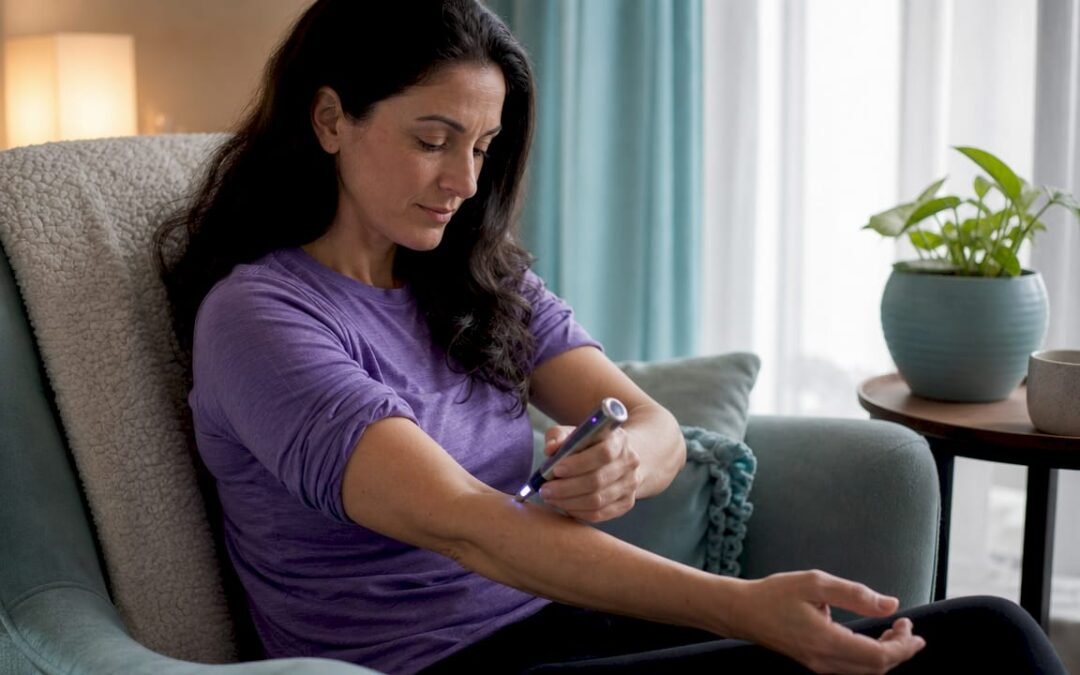
Pain genie therapy is a multidisciplinary approach to chronic pain relief that combines handheld electrostimulation devices, pain neuroscience education (PNE), and structured activity pacing to recalibrate an oversensitive nervous system. The term “pain genie” is widely used to describe both a category of portable electrotherapy tools and the broader therapeutic concept built around them. Many people searching for this approach expect a single passive cure. The reality is more powerful: combining these methods produces results that no single device or session can match alone.
1. What is pain genie therapy and how does it work?
Pain genie therapy is best understood as a three-part framework: device-based electrostimulation, nervous system education, and controlled movement. Each component targets a different layer of the pain experience. Together, they address pain as a biopsychosocial condition rather than a purely physical one.
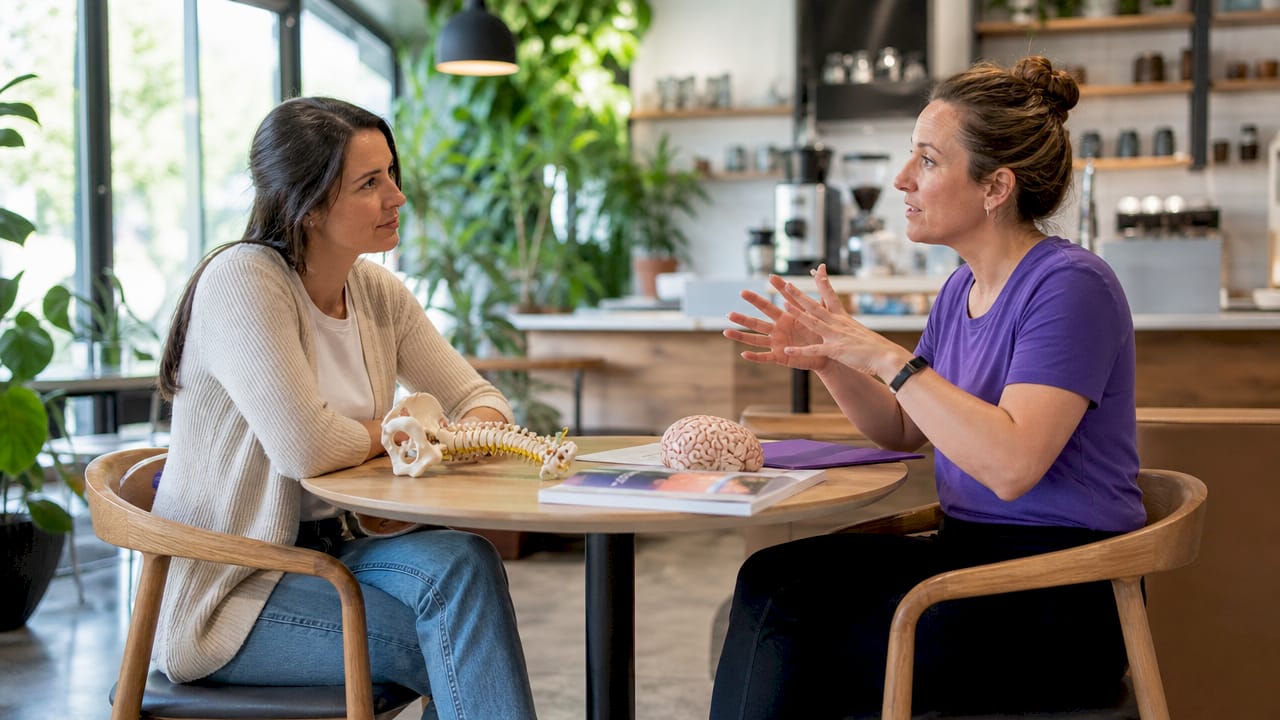
The confusion around the term is real and worth addressing. Patients often misunderstand “pain genie” as a single passive cure rather than part of active rehabilitation. This misunderstanding leads to frustration when a device alone does not resolve months or years of chronic pain. Knowing what the approach actually involves puts you in a far stronger position to benefit from it.
2. Electrostimulation devices used in pain genie therapy
Handheld electrostimulation tools are the most visible part of pain genie therapy. These devices deliver low-voltage, high-frequency electrical impulses through the skin to stimulate nerves and activate the body’s natural pain-relief mechanisms, including endorphin release and nerve signal interruption.
The Paingone Plus TENS pen is one of the most recognised tools in this category. It delivers a 30-second electrostimulation session for muscle and joint pain without pads or gels, powered by a single AAA battery. That simplicity makes it genuinely portable and accessible for daily self-care.
| Feature | Entry-level pen devices | Mid-range pad-based TENS | Advanced multi-mode units |
|---|---|---|---|
| Application time | 30 seconds | 10–20 minutes | 20–30 minutes |
| Portability | High | Medium | Low |
| Ease of use | Very easy | Moderate | Requires setup |
| Cost range | Low | Medium | High |
| Target areas | Localised joints | Broader muscle groups | Full-body programmes |
The table above helps you match a device to your lifestyle and pain profile. If you need something you can use at your desk or while travelling, a pen-style device is the most practical starting point.
Pro Tip: Start with the lowest intensity setting on any electrostimulation device and increase gradually over several sessions. Jumping to high intensity too quickly can cause muscle soreness rather than relief.
3. How pain neuroscience education complements electrostimulation
Pain neuroscience education (PNE) is a structured, conversational therapy that teaches you how chronic pain actually works in the brain and nervous system. It is not a device. It is a process of changing how you think about and respond to pain signals.
PNE rewires hypersensitive nervous systems by explaining pain’s protective role, reducing fear, and enabling safer movement. The classic metaphor used in PNE sessions is the “sensitive smoke alarm.” Your nervous system, like an oversensitive alarm, fires pain signals even when there is no real tissue damage. Understanding this shifts your response from fear to confidence.
The benefits of PNE for chronic pain sufferers are well established:
- Reduced fear of movement: Patients learn that pain does not always equal damage, which makes gentle activity feel safer.
- Lower anxiety around symptoms: Understanding the nervous system’s role reduces catastrophising and emotional distress.
- Improved engagement with rehabilitation: People who understand their pain are more likely to follow through with exercise and pacing plans.
- Better communication with clinicians: PNE gives you the language to describe your experience more accurately.
- Longer-lasting outcomes: Education changes beliefs, and changed beliefs change behaviour over time.
PNE paired with exercise or manual therapy reduces pain intensity by approximately 30–40% more than education alone. That figure underlines why PNE works best as part of a combined approach rather than a standalone intervention.
4. Why pacing activity is central to recovery
Pacing is the practice of managing your activity levels deliberately to avoid both overexertion and prolonged inactivity. Both extremes worsen chronic pain. Pacing within safe limits reduces flare-ups and supports nervous system retraining over time.
For people recovering from surgery or managing long-term pain, pacing looks like this in practice:
- Begin with short, manageable tasks lasting 5–10 minutes.
- Rest before you feel the urge to stop, not after pain peaks.
- Gradually increase duration and intensity over days and weeks, not hours.
- Track what you did and how your body responded the following day.
- Adjust your baseline activity level based on patterns, not on how you feel in the moment.
Pacing also reinforces the effects of electrostimulation and PNE. When your nervous system is less reactive because of education and device use, pacing gives it the consistent, low-threat movement signals it needs to recalibrate. You can find practical guidance on structuring recovery through paced therapy in the context of injury and post-surgical rehabilitation.
Pro Tip: Keep a simple daily log noting your activity, pain level before and after, and sleep quality. Reviewing a week of entries reveals patterns that are invisible in the moment and helps you set a realistic, safe baseline.
5. How to choose the right pain genie therapy method
Choosing the right approach depends on your pain type, lifestyle, and access to professional support. No single method suits every person, and the most effective plans combine more than one.
| Method | Convenience | Cost | Long-term efficacy | Best for |
|---|---|---|---|---|
| Handheld electrostimulation | Very high | Low | Moderate | Localised, acute flare-ups |
| TENS pad systems | Moderate | Medium | Moderate | Broader muscle pain |
| Pain neuroscience education | Moderate | Low to medium | High | Fear-driven or long-term pain |
| Structured pacing plan | High | Low | High | Post-surgical recovery |
| Combined multidisciplinary | Lower initially | Medium to high | Highest | Complex or persistent pain |
The table makes one pattern clear: passive device use offers convenience but limited long-term change. Active approaches like PNE and pacing require more effort but produce stronger and more durable results.
Tracking pain levels, activities, and emotions daily transforms subjective suffering into data you and your clinician can act on. This is not optional for complex pain. It is the mechanism by which you identify what is working and what needs adjusting.
Consulting a clinician who specialises in multidisciplinary pain management is the most reliable way to build a plan that fits your specific situation. A pain specialist can assess whether electrostimulation, PNE, pacing, or a combination is the right starting point for you. You might also explore PEMF therapy options as a complementary electrotherapy approach worth discussing with your care team.
6. Fitting pain genie therapy into a broader care plan
Chronic pain is a biopsychosocial condition. That means physical, psychological, and lifestyle factors all contribute to it, and all three need attention for lasting improvement. Multidisciplinary care teams with psychological and physical therapies produce better outcomes than any single intervention.
A 2026 JAMA study involving 764 patients found that team-based, individualised care including nonpharmacological therapies improves long-term pain interference outcomes over 12 months. That finding confirms what pain specialists have argued for years: the combination matters more than any individual component.
Effective integrative care plans for chronic pain typically include:
- Manual therapy: Physiotherapy, osteopathy, or massage to address physical restrictions and tissue sensitivity.
- Cognitive behavioural therapy (CBT): Targets the thought patterns that amplify pain perception and reduce quality of life.
- Acupuncture: Stimulates nerve pathways and may reduce central sensitisation in some patients.
- Lifestyle changes: Sleep, nutrition, and stress management all directly influence pain thresholds.
- Patient education: Ongoing learning about pain science keeps you engaged and reduces reliance on passive treatments.
When pain genie tools sit within this broader framework, their effects are amplified. The device reduces acute discomfort. The education changes your relationship with pain. The pacing and lifestyle work build the foundation for lasting recovery. Improved mobility, mood, and daily function follow naturally from that combination. A clinical comparison of device and rehabilitation approaches reinforces the necessity of integrating interventions into personalised plans rather than relying on any single tool.
Key takeaways
Pain genie therapy works best as a multidisciplinary combination of electrostimulation, pain neuroscience education, and structured pacing rather than as a single device-based fix.
| Point | Details |
|---|---|
| Electrostimulation provides fast relief | Handheld TENS devices like the Paingone Plus deliver 30-second sessions for localised pain without gels or pads. |
| PNE changes pain perception | Education about the nervous system reduces fear and catastrophising, enabling safer movement and better outcomes. |
| Pacing prevents flare-ups | Starting with short activities and increasing gradually retrains the nervous system and supports recovery. |
| Tracking improves results | Daily pain and activity logs give you and your clinician objective data to adjust your plan effectively. |
| Combined approaches work best | A 2026 JAMA study confirms that team-based, multidisciplinary care produces the strongest long-term pain outcomes. |
Mark’s view: what pain genie therapy actually requires of you
People come to pain genie therapy hoping for a shortcut. I understand that completely. When you have been in pain for months or years, the idea of pressing a device to your knee for 30 seconds and feeling better is deeply appealing. And to be fair, electrostimulation does provide real, measurable relief for many people. But the device is the easy part.
What I have seen consistently is that the people who get the most from this approach are the ones who do the unglamorous work alongside it. They read about how pain works in the nervous system. They keep a log. They pace their activity even on good days, especially on good days, because that is when the temptation to overdo it is strongest.
The “sensitive smoke alarm” metaphor from pain neuroscience education is one I return to often. Your nervous system is not broken. It is overprotective. The goal of therapy is not to silence it but to recalibrate it gradually through consistent, low-threat inputs. That takes patience. It takes tracking. It takes combining the device with education and movement in a way that feels almost boring compared to the promise of a quick fix.
My honest advice: treat the electrostimulation device as a tool that buys you a window of reduced pain, then use that window to do the movement and education work that creates lasting change. One without the other rarely gets you where you want to go.
— Mark
Live5dhealth and your pain recovery
Live5dhealth, based in Boyle, County Roscommon, offers a range of wellness services that complement the principles behind pain genie therapy. Whether you are managing chronic pain or recovering from surgery, the centre’s luxury spa treatments including sauna, steam, and cold plunge support circulation, reduce muscle tension, and promote the kind of deep recovery that device-based therapy alone cannot provide.

Live5dhealth also stocks a curated range of health supplements to support your recovery from the inside out. For those seeking a more immersive reset, the centre’s healing retreats in Ireland offer a structured environment to rest, recover, and rebuild. Visit Live5dhealth to find the support that fits your pain management plan.
FAQ
What does pain genie therapy actually involve?
Pain genie therapy combines handheld electrostimulation devices, pain neuroscience education, and structured activity pacing to reduce chronic pain by recalibrating an oversensitive nervous system. It is a multidisciplinary approach rather than a single device or treatment.
How does a TENS pen work for pain relief?
A TENS pen delivers low-voltage electrical impulses through the skin to stimulate nerves and trigger the body’s natural pain-relief response. The Paingone Plus, for example, provides a 30-second session without pads or gels, making it practical for daily use.
Is pain neuroscience education the same as counselling?
Pain neuroscience education is not counselling. It is a structured process that teaches you how the nervous system generates and maintains pain, using clear metaphors to reduce fear and improve your confidence in moving safely.
How long does it take to see results from pacing?
Results from pacing vary by individual, but NHS guidance recommends starting with short manageable activities and increasing gradually over weeks. Most people notice reduced flare-ups within several weeks of consistent, structured pacing.
Can pain genie therapy replace medication?
Pain genie therapy is a nonpharmacological approach designed to complement, not replace, medical care. A 2026 JAMA study confirms that the best outcomes come from team-based plans that may include both pharmacological and nonpharmacological interventions.