
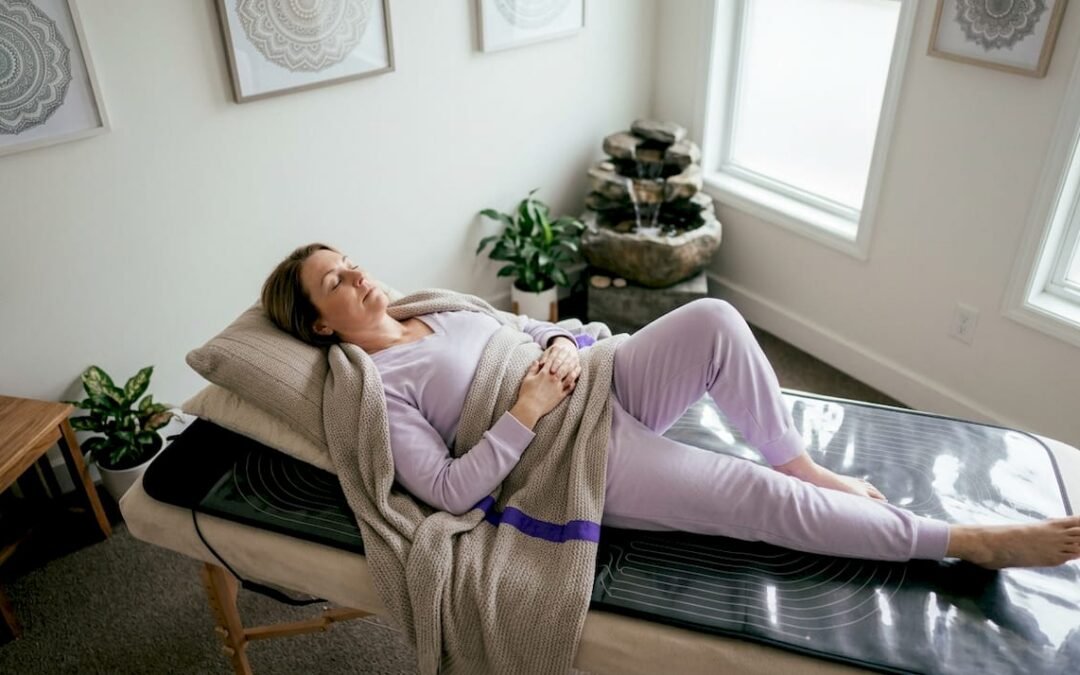
Pulsed electromagnetic field therapy, known clinically as PEMF therapy, is a non-invasive treatment that uses low-frequency electromagnetic pulses to stimulate cellular repair, reduce inflammation, and support pain relief. Interest in PEMF therapy Ireland has grown steadily as people look beyond conventional medicine for recovery and wellness support. The therapy works at a cellular level, making it relevant for conditions ranging from chronic back pain to post-exercise recovery. Live5dhealth, based in Boyle, County Roscommon, is one of the Irish wellness centres bringing clinical-grade access to this therapy outside of major urban areas.
How does PEMF therapy work in the body?
PEMF therapy delivers brief bursts of electromagnetic energy through a coil or mat placed near the body. These pulses penetrate tissue and interact with cell membranes, encouraging ion exchange and stimulating the body’s natural repair processes. The result is improved circulation, reduced oxidative stress, and faster tissue recovery.
Low-frequency PEMF uses microtesla-level intensities over sessions of 10–30 minutes, supporting inflammation control and gradual recovery. High-intensity repetitive magnetic stimulation, sometimes called rPMS, works differently. It induces visible muscle contractions and delivers rapid analgesia, making it more suitable for acute pain management in clinical settings. The two approaches serve distinct goals, and the right choice depends entirely on your condition and treatment objectives.
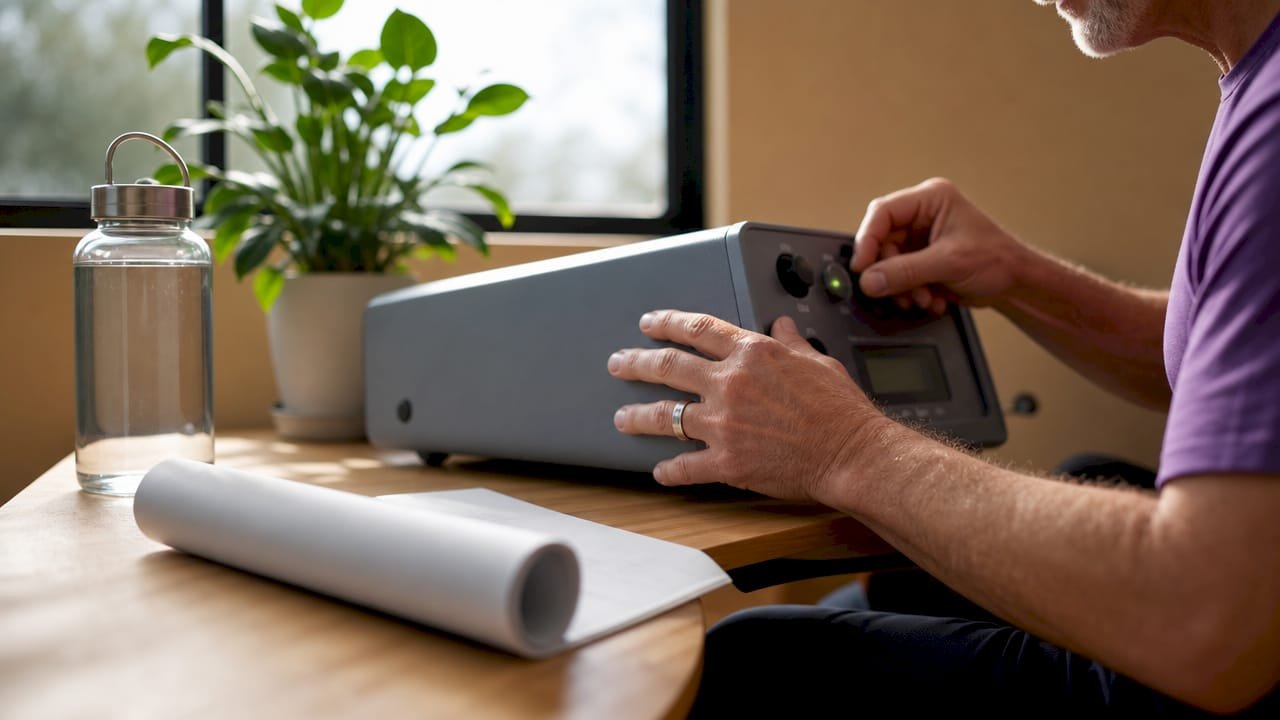
A typical low-intensity PEMF session lasts 20–30 minutes. You lie or sit near the device while the electromagnetic field passes through your body. Most people feel little or nothing during the session, though some report a mild warmth or tingling sensation.
Pro Tip: If you are new to pulsed electromagnetic field therapy, start with shorter sessions at lower intensities. Your body needs time to adapt, and gradual exposure tends to produce better long-term results than aggressive early protocols.
What does the research say about PEMF for pain relief?
The evidence base for PEMF therapy has strengthened considerably in recent years. A 2026 systematic review found that PEMF therapy significantly reduces pain in 75% of randomised controlled trials, with statistical significance confirmed across three of four trials reviewed. The evidence for improving physical function, however, remains inconsistent across studies.
Condition type matters enormously. A separate meta-analysis on neuropathic pain found a standardised mean difference of −2.35 for spinal and radicular pain, a result that is clinically significant. For peripheral neuropathy, the same analysis found no statistically significant benefit. This distinction is critical for anyone considering PEMF as a treatment option.
“Efficacy depends strongly on diagnosis. Spinal or radicular pain shows more reliable improvements than diffuse peripheral neuropathy with PEMF therapy.”
Source: Frontiers in Pain Research, 2026
The table below summarises what current research tells us about condition-specific outcomes.
| Condition | Evidence strength | Key finding |
|---|---|---|
| Spinal and radicular pain | Strong | SMD −2.35; statistically significant improvement |
| Peripheral neuropathy | Weak | No statistically significant benefit found |
| General pain reduction | Moderate | Significant in 75% of RCTs reviewed |
| Physical function | Inconsistent | Benefits not reliably replicated across trials |
Researchers consistently call for etiology-specific trials and protocols matched to individual patient conditions. Generic, one-size-fits-all approaches are less likely to produce meaningful results. This is why choosing a provider who tailors treatment parameters to your specific diagnosis matters far more than simply booking any available session.
What does PEMF therapy cost in Ireland?
Access to pulsed electromagnetic field therapy through the Health Service Executive is limited. Over 90% of people seeking PEMF in Ireland use private providers, as public health routes restrict the therapy primarily to specific orthopaedic cases with long waiting times. Private clinics across Ireland and Northern Ireland have filled this gap, making access more practical for most people.
Private session costs in Ireland typically fall between €30 and €90 per 30 to 60-minute session. Multi-session packages reduce the per-session cost significantly. Subscription models, which are increasingly common at wellness centres, range from €120 to €240 monthly and provide the most cost-effective route for people using PEMF as an ongoing wellness tool.
Key cost factors to consider before booking:
- Session length: 30-minute sessions cost less but may be insufficient for chronic conditions
- Device grade: Clinical-grade devices command higher prices than consumer wellness mats
- Location: Urban clinics in Dublin and Cork tend to charge more than regional centres
- Package structure: Committing to a course of sessions typically reduces the overall cost per visit
- Subscription plans: Monthly memberships at wellness centres offer the best value for regular users
The PEMF therapy services at Live5dhealth in Boyle offer a regional alternative to city-based clinics, with subscription options designed to make consistent treatment accessible for people in Connacht and the wider west of Ireland.
What should you know before choosing PEMF therapy or a device?
The PEMF market in Ireland contains a wide spectrum of products and services. Consumer wellness devices are sold as general wellbeing tools and carry no medical claims. Clinical-grade devices, by contrast, require professional use and, in some cases, a prescription. Confusing the two categories leads to mismatched expectations and wasted money.
Before starting any PEMF programme, follow these steps:
- Consult your GP or specialist. PEMF is contraindicated for people with pacemakers, cochlear implants, or active bleeding. A healthcare professional can confirm whether it is appropriate for your condition.
- Get a clear diagnosis first. The research confirms that PEMF works best for specific conditions, particularly spinal pain. Knowing your diagnosis helps you and your provider choose the right protocol.
- Ask about device specifications. Frequency, intensity, and waveform all affect outcomes. A reputable provider will explain the parameters they use and why they suit your condition.
- Set realistic expectations. The Cleveland Clinic advises that some perceived benefits may reflect placebo effects, and that individual responses vary considerably. PEMF is a support tool, not a cure.
- Avoid generic factory settings. Consumer mats often run fixed programmes unsuited to specific conditions. Tailored protocols, adjusted over time, produce better outcomes.
Pro Tip: Ask any clinic or device supplier whether their protocols are adjusted per session based on your response. A provider who tracks your progress and adapts the treatment is far more likely to deliver genuine results than one running a fixed programme for every client.
For further context on individualised electromagnetic therapy parameters, the principles that apply to red light therapy translate directly to PEMF: frequency, duration, and intensity all need to match the target tissue and condition.
How does PEMF therapy fit into a wider wellness plan?
PEMF therapy works best as an adjunct to other treatments, not as a standalone solution. Magnetic stimulation enhances rehabilitation when combined with physiotherapy, structured exercise, and lifestyle management. Treating it as a replacement for these foundations reduces its effectiveness.
A well-rounded recovery or wellness plan that includes PEMF might look like this:
- Physiotherapy: Addresses structural issues and movement patterns that PEMF alone cannot correct
- Structured exercise: Builds the muscular support and cardiovascular health that accelerates tissue repair
- Nutrition: Anti-inflammatory dietary choices reduce the baseline inflammation that PEMF is working against
- Sleep hygiene: Recovery happens during sleep; PEMF sessions timed before bed may support deeper rest for some people
- Monitoring: Track symptoms, energy levels, and pain scores across sessions to identify what is working
Complementary therapies available at wellness centres, such as sound bath therapy or infrared sauna, can support the nervous system recovery that PEMF initiates at a cellular level. The combination of therapies tends to produce more noticeable and lasting results than any single modality used in isolation.
Key takeaways
PEMF therapy produces the strongest, most consistent results for spinal and radicular pain, and works best when protocols are tailored to your diagnosis and integrated with physiotherapy and lifestyle measures.
| Point | Details |
|---|---|
| Evidence is condition-specific | PEMF reliably reduces spinal pain but shows no significant benefit for peripheral neuropathy. |
| Private access dominates in Ireland | Over 90% of Irish users access PEMF through private clinics, not the HSE. |
| Costs vary widely | Sessions range from €30 to €90; monthly subscriptions offer the best value for regular use. |
| Device grade matters | Clinical-grade devices differ fundamentally from consumer wellness mats in intensity and therapeutic effect. |
| Integration improves outcomes | PEMF works best alongside physiotherapy, exercise, and nutrition, not as a replacement for them. |
My honest view on PEMF therapy in Ireland
I have watched interest in PEMF therapy grow sharply across Ireland over the past few years, and I think that growth is largely justified. The 2026 research is more encouraging than many people realise, particularly for anyone dealing with spinal or radicular pain. The evidence is not perfect, and the heterogeneity across trials is a genuine limitation. But for the right condition, with the right protocol, the results can be meaningful.
What concerns me more is the gap between what the science supports and what some providers promise. I see wellness centres advertising PEMF as a solution for conditions where the evidence is thin or absent. Peripheral neuropathy is the clearest example. The meta-analysis data is unambiguous: PEMF does not produce statistically significant improvements for that condition. Telling someone otherwise is not just misleading; it delays them seeking treatments that might actually help.
My advice is straightforward. Seek out providers who use clinical-grade PEMF devices and who ask about your diagnosis before designing a protocol. Be sceptical of any provider running every client through the same fixed programme. And if you are managing chronic pain, treat PEMF as one part of a broader plan rather than the whole answer. The therapy has real value. Getting the most from it requires honesty about what it can and cannot do.
— Mark
PEMF therapy and wellness at Live5dhealth
Live5dhealth in Boyle, County Roscommon, offers clinical-grade PEMF therapy as part of a full wellness centre experience that includes a luxury spa, gym, and retreat facilities.

Whether you are managing a specific condition or building a long-term wellness routine, the team at Live5dhealth works with you to design a programme that fits your goals. Subscription plans make regular sessions affordable, and the centre’s range of complementary therapies means you can support recovery from multiple angles in one visit. For those looking at broader options, the wellness retreat experience at Live5dhealth combines PEMF with therapies designed to support both physical and mental recovery. You can also explore the full range of services at the Live5dhealth spa and wellness centre in Boyle.
FAQ
What is PEMF therapy used for?
PEMF therapy is used primarily for pain relief, inflammation reduction, and cellular recovery support. Current research shows the strongest evidence for spinal and radicular pain.
Is PEMF therapy available on the HSE in Ireland?
HSE access is limited to specific orthopaedic cases and involves long waiting times. The vast majority of people in Ireland access PEMF through private clinics or wellness centres.
How many PEMF sessions do you need to see results?
Most protocols involve multiple sessions over several weeks. A single session is unlikely to produce lasting results; consistent treatment matched to your condition produces the best outcomes.
Are home PEMF devices as effective as clinical ones?
Consumer wellness devices operate at much lower intensities than clinical-grade systems and carry no medical claims. Clinical devices deliver measurably different electromagnetic parameters and are used under professional supervision.
Is PEMF therapy safe?
PEMF therapy is considered safe for most people, but it is contraindicated for those with pacemakers, cochlear implants, or active bleeding. Always consult a healthcare professional before starting treatment.