

The core difference between normobaric and hyperbaric oxygen therapy comes down to one thing: pressure. Normobaric oxygen therapy delivers concentrated oxygen at normal or only slightly elevated atmospheric pressure, typically 1.0–1.5 ATA. Hyperbaric oxygen therapy (HBOT) goes much further, using 100% pure oxygen inside a sealed chamber at pressures of 1.5–3.0 ATA. That pressure difference is not cosmetic. It changes how oxygen enters your body entirely, which is why the two therapies suit very different situations.
- Normobaric therapy increases the oxygen bound to haemoglobin in your red blood cells, boosting delivery through your normal circulatory system.
- Hyperbaric therapy forces oxygen to dissolve directly into blood plasma, bypassing haemoglobin altogether and reaching tissues that impaired circulation cannot serve.
- Clinical roles differ sharply: normobaric oxygen suits respiratory support, wellness, and recovery; HBOT addresses serious medical conditions such as decompression sickness, carbon monoxide poisoning, and non-healing wounds.
- Risk profiles are not equal: normobaric therapy carries minimal risk; HBOT requires medical supervision and carries real risks including barotrauma and oxygen toxicity.
- Neither therapy replaces the other. Clinicians treat them as complementary tools, each with its own place in a well-considered care plan.
How do normobaric and hyperbaric oxygen therapies actually work?
The physiology behind each therapy explains why they produce such different outcomes, and why you cannot simply swap one for the other.
Normobaric oxygen therapy
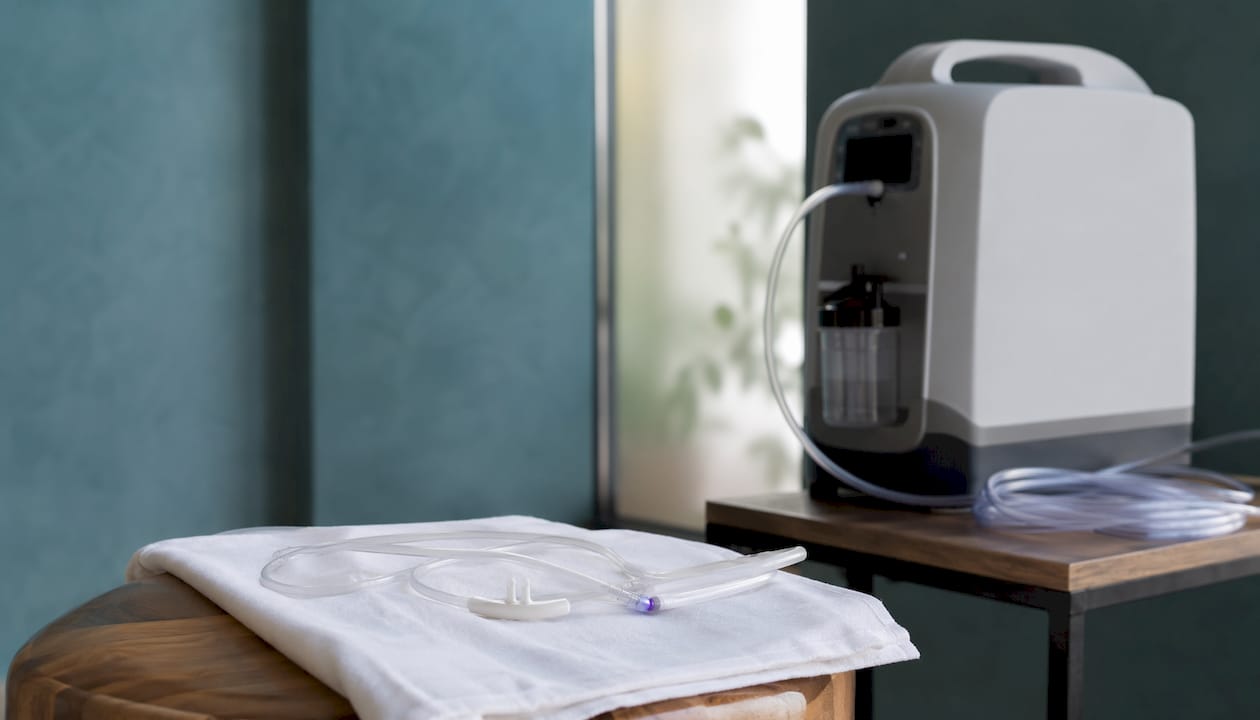
Normobaric oxygen therapy delivers oxygen at concentrations well above the 21% found in ordinary air, but at atmospheric pressure that stays at or very close to sea level (1.0–1.5 ATA). Your lungs absorb this enriched oxygen in the usual way: it binds to haemoglobin molecules in red blood cells, which then carry it through your bloodstream. Because haemoglobin has a natural saturation ceiling, the gains are real but bounded. The therapy is accessible, requires no pressurised chamber, and can be administered via a face mask, nasal cannula, or oxygen concentrator in a clinical, wellness, or even home setting.
Hyperbaric oxygen therapy
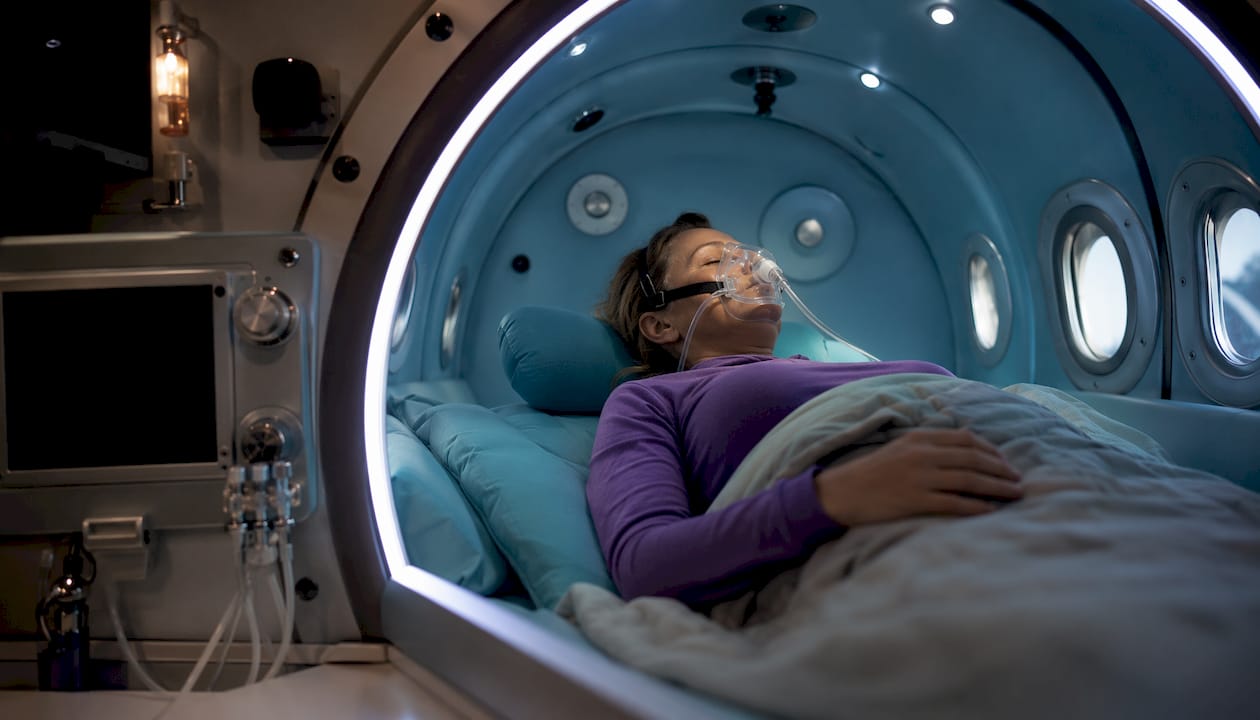
HBOT works on a fundamentally different principle. Inside a sealed hyperbaric chamber, atmospheric pressure rises to between 1.5 and 3.0 ATA while you breathe 100% oxygen. At that pressure, Henry’s Law takes effect: gases dissolve into liquids in proportion to the pressure applied. Oxygen stops relying on haemoglobin and dissolves directly into blood plasma, cerebrospinal fluid, and lymphatic fluid. At 3.0 ATA, plasma oxygen concentration rises from roughly 0.3 mL/dL at sea level to approximately 6 mL/dL, a dramatic increase that allows oxygen to reach tissues where blood flow is compromised or blocked. That is the mechanism behind HBOT’s ability to treat conditions that normobaric oxygen simply cannot address.
Side-by-side comparison
| Feature | Normobaric oxygen therapy | Hyperbaric oxygen therapy (HBOT) |
|---|---|---|
| Pressure level | 1.0–1.5 ATA | 1.5–3.0 ATA |
| Oxygen concentration | Elevated (above 21%) | 100% pure oxygen |
| Delivery mechanism | Haemoglobin-bound in red blood cells | Dissolved directly into blood plasma |
| Typical setting | Clinic, wellness centre, home | Sealed hyperbaric chamber (hospital or specialist clinic) |
| Session duration | Variable; often 30–60 minutes | Typically 90–120 minutes per session |
| Clinical complexity | Low to moderate | High; requires medical supervision |
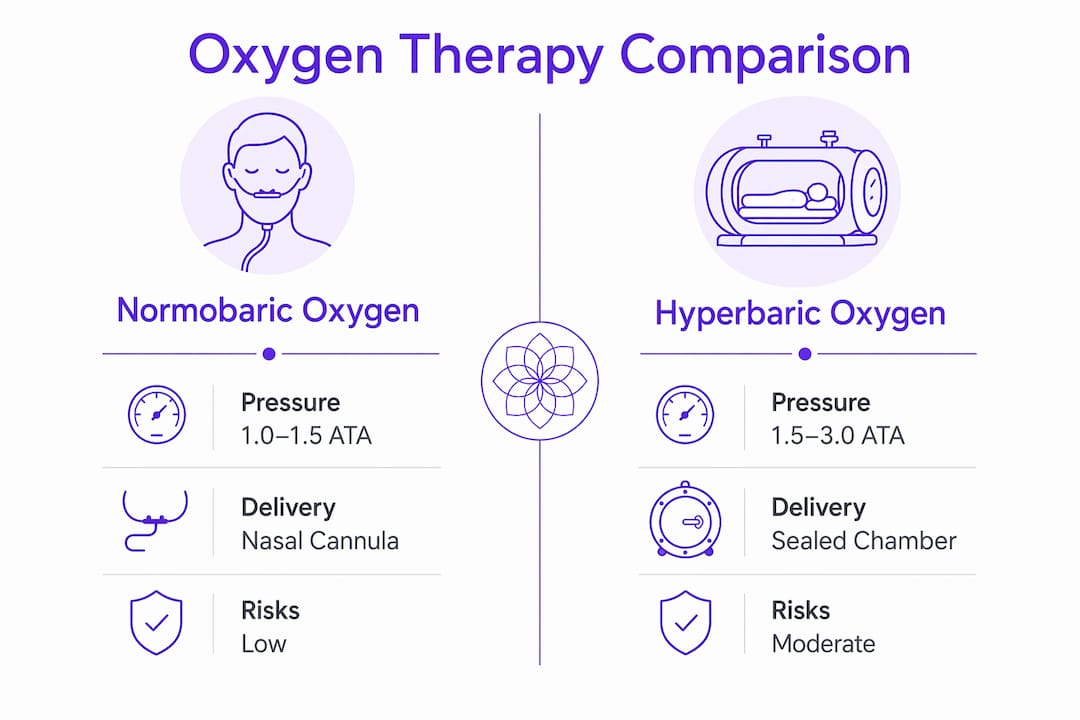
The equipment reflects this gap. Normobaric therapy uses straightforward oxygen delivery devices. HBOT requires a hyperbaric chamber, a pressurised vessel that must meet strict engineering and safety standards. Many NHS hospitals operate monoplace chambers (single-patient tubes), while multiplace chambers can accommodate several patients simultaneously under medical staff supervision.
What conditions does each therapy treat?
The physiological differences between the two therapies translate directly into distinct clinical roles. Understanding those roles helps you ask the right questions when exploring oxygen therapy as part of your health plan.
Where normobaric oxygen therapy is used
Regular oxygen therapy at sea-level pressure is a cornerstone treatment for respiratory conditions including COPD, asthma, and pneumonia, and its wide accessibility makes it a practical first-line intervention across clinical and wellness settings.
- Acute respiratory support: supplemental oxygen for patients with low blood oxygen saturation, including those with COPD, asthma, or pneumonia.
- Emergency medicine: first-line oxygen delivery in ambulances and A&E departments.
- Wellness and recovery: used in spa and retreat settings to support energy, mental clarity, and post-exercise recovery.
- Mood and cognitive support: some wellness programmes use normobaric oxygen to reduce fatigue and support focus, though these applications sit outside formal clinical guidelines.
- Altitude acclimatisation: portable oxygen is used to relieve symptoms of altitude sickness when access to a hyperbaric chamber is not possible.
Where HBOT is used
HBOT is FDA-approved for a defined set of serious conditions, and the Undersea and Hyperbaric Medical Society (UHMS) recognises it as an effective treatment for 14 specific indications. These include:
- Decompression sickness (the bends, experienced by divers)
- Carbon monoxide poisoning
- Non-healing diabetic foot ulcers and chronic wounds
- Radiation injury to soft tissue and bone following cancer treatment
- Serious infections, including necrotising fasciitis and osteomyelitis
- Air or gas embolism (bubbles of gas in the bloodstream)
- Severe anaemia where blood transfusion is not possible
- Sudden unexplained hearing loss
It is worth being clear about what HBOT does not do. Some private clinics claim it treats Alzheimer’s disease, autism, cancer, and Lyme disease. There is no scientific proof to support those claims, and neither the FDA nor Health Canada has approved HBOT for these conditions. If you encounter such claims, treat them with scepticism.
Pro Tip: If you are exploring HBOT for a specific condition, check whether it appears on the UHMS-recognised list before committing to a treatment course. For wellness goals, normobaric oxygen therapy in an accredited setting is often the more appropriate and accessible starting point.
What are the risks and side effects of each therapy?
Knowing the risk profile of each therapy is as important as understanding its benefits. The two therapies are not equally demanding on your body, and that shapes who is a good candidate for each.
Normobaric oxygen therapy: a low-risk profile
Normobaric therapy carries minimal risk for most people. The most common complaints are mild nasal or oral dryness caused by the dry gas, and occasional mild headaches if sessions are prolonged. There is no risk of barotrauma because the pressure does not change significantly. For the vast majority of wellness and respiratory support applications, normobaric oxygen is well tolerated and does not require intensive medical oversight.
HBOT: a more demanding therapy
HBOT carries a more complex risk profile, and those risks are directly tied to the pressure changes involved.
- Barotrauma: pressure changes can cause pain or injury to the ears, sinuses, or lungs. Middle ear barotrauma is the most common complication.
- Oxygen toxicity: breathing 100% oxygen at high pressure for extended periods can, in rare cases, trigger seizures or lung irritation.
- Temporary vision changes: some patients notice short-term changes in near-sightedness during a course of treatment, which typically resolve after therapy ends.
- Claustrophobia: the enclosed chamber environment causes anxiety in some patients, particularly in monoplace (single-person) chambers.
- Fire risk: high oxygen concentrations are highly flammable. Accredited facilities manage this through strict protocols, but it is a genuine hazard in unregulated settings.
Common side effects such as ear pain, sinus congestion, and claustrophobia are manageable with proper medical supervision and preparation, but they underscore why HBOT is not a casual wellness treatment.
Safety note: HBOT should only be undertaken at a facility accredited by a recognised body such as the Undersea and Hyperbaric Medical Society (UHMS). Unaccredited clinics cannot guarantee the engineering standards, medical oversight, or emergency protocols that safe HBOT requires. For a full list of contraindications, including untreated pneumothorax, certain medications, and pregnancy considerations, consult a qualified clinician before beginning any course of treatment. You can also review the contraindications guide from Live5dhealth for a detailed clinical overview.
What does the clinical evidence say about effectiveness?
The evidence base for the two therapies reflects their different roles. HBOT has a well-established body of peer-reviewed research for its approved indications; normobaric oxygen therapy has strong clinical support for respiratory conditions and emerging interest in wellness contexts.
The science of oxygen delivery under pressure
The key mechanism that separates HBOT from normobaric therapy is grounded in Henry’s Law: the amount of gas dissolved in a liquid is proportional to the pressure of that gas above the liquid. Under normal conditions, haemoglobin reaches a saturation limit, and plasma carries only about 0.3 mL/dL of dissolved oxygen. At 3.0 ATA during HBOT, that figure rises to approximately 6 mL/dL, enabling oxygen to reach ischaemic or hypoxic tissues that haemoglobin-bound delivery cannot serve.
Clinical evidence summary
| Therapy | Key indication | Evidence level | Outcome |
|---|---|---|---|
| HBOT | Decompression sickness | Strong (RCT and clinical consensus) | Rapid symptom resolution |
| HBOT | Carbon monoxide poisoning | Strong (multiple RCTs) | Reduced neurological sequelae |
| HBOT | Chronic non-healing wounds | Moderate to strong | Improved wound closure rates |
| HBOT | Radiation tissue injury | Moderate | Reduced necrosis, improved healing |
| Normobaric oxygen | COPD, asthma, pneumonia | Strong (long-established clinical practice) | Improved blood oxygen saturation |
| Normobaric oxygen | Cluster headache (acute) | Moderate (Cochrane review evidence) | Effective in terminating acute attacks |
| Normobaric oxygen | Wellness and recovery | Emerging; limited formal RCT data | Reported improvements in energy and focus |
A Cochrane review examining normobaric and hyperbaric oxygen for migraine and cluster headache found evidence supporting both therapies for acute attack termination, with HBOT showing particular promise for cluster headache. This is one of the few conditions where the two therapies have been directly compared in a controlled setting, and it illustrates how each can contribute at different points in a treatment pathway.
- For life-threatening or serious tissue conditions, HBOT is the evidence-backed choice where it is indicated.
- For respiratory support and acute oxygen supplementation, normobaric therapy is the established, accessible standard.
- For wellness, recovery, and energy support, normobaric oxygen therapy in a supervised setting offers a practical and low-risk option.
- For conditions not on the UHMS-approved list, neither therapy has sufficient evidence to justify clinical use, regardless of how it is marketed.
How do you choose between normobaric and hyperbaric oxygen therapy?
Clinicians are clear on this point: normobaric and hyperbaric oxygen therapies are complementary tools, not competing ones. Each serves a different population of patients with different needs, and the choice between them is rarely a matter of preference. It is a matter of clinical appropriateness.
When HBOT is the right choice
HBOT is a specialised medical intervention. You need it when your condition involves tissue hypoxia that normal circulation cannot correct, or when you are dealing with one of the UHMS-recognised indications. Because HBOT requires accredited facilities, access is more limited, and treatment courses are demanding. Protocols for chronic wounds or radiation injury usually involve multiple sessions of extended duration spread over several weeks. Patient compliance is not optional; the cumulative physiological effects depend on completing the full course.
When normobaric oxygen therapy fits better
Normobaric oxygen therapy is the right starting point for most wellness-oriented goals and for respiratory conditions that do not involve severe tissue hypoxia. It is accessible, well tolerated, and can be integrated into a broader wellness programme without the clinical overhead of HBOT. At Live5dhealth, normobaric oxygen therapy sits within a wider approach to wellbeing that includes physical recovery, stress reduction, and cellular support, all in a setting designed to make you feel at your best.
Patient experience: what to expect
The experience of the two therapies differs considerably. Normobaric oxygen therapy is straightforward: you breathe enriched oxygen through a mask or cannula in a comfortable setting, often for 30–60 minutes. HBOT is more involved. As the chamber pressurises, you will feel a sensation in your ears similar to descending in an aircraft. Learning to equalise that pressure before your first session is not optional.
Pro Tip: Before your first HBOT session, practise the Valsalva manoeuvre: pinch your nose, close your mouth, and gently exhale to equalise middle ear pressure. Patients who master ear-clearing techniques before treatment report significantly less discomfort during chamber pressurisation and are far less likely to experience barotrauma.
Patients new to HBOT are often surprised by how physical the pressure sensation feels. Education on breathing exercises and ear-clearing is a standard part of clinical protocols at accredited facilities, and it makes a real difference to comfort and safety throughout the course of treatment. If you want to understand more about how pressurised oxygen affects the body at a physiological level, the pressurised oxygen guide from Live5dhealth covers the mechanisms in accessible detail.
Choosing the right therapy starts with an honest conversation with a qualified clinician about your specific condition, your goals, and your medical history. Neither therapy is a universal solution, but together they cover a wide spectrum of human health needs, from emergency medicine to everyday vitality.
Key takeaways
Hyperbaric oxygen therapy dissolves oxygen directly into blood plasma at pressures of 1.5–3.0 ATA, enabling tissue oxygenation that normobaric therapy at 1.0–1.5 ATA cannot achieve through haemoglobin-bound delivery alone.
| Point | Details |
|---|---|
| Pressure is the defining difference | Normobaric therapy operates at 1.0–1.5 ATA; HBOT requires 1.5–3.0 ATA in a sealed chamber. |
| Oxygen delivery mechanisms differ | Normobaric therapy increases haemoglobin-bound oxygen; HBOT dissolves oxygen directly into blood plasma. |
| Clinical applications do not overlap | HBOT treats serious conditions like decompression sickness and non-healing wounds; normobaric therapy supports respiratory health and wellness. |
| Risk profiles are not equal | HBOT carries risks including barotrauma and oxygen toxicity; normobaric therapy is well tolerated with minimal side effects. |
| Accreditation matters for HBOT | Only use HBOT at a facility accredited by a body such as the Undersea and Hyperbaric Medical Society (UHMS). |

At Live5dhealth in Boyle, County Roscommon, we believe that understanding your options is the first step to feeling your best. Whether you are curious about normobaric oxygen therapy as part of a recovery or wellness programme, or you want to learn more about how advanced therapies integrate with a broader approach to health, our team is here to guide you. Explore our luxury spa and wellness services, or browse our range of health supplements to support your wellbeing from every angle. Your best self is within reach.