
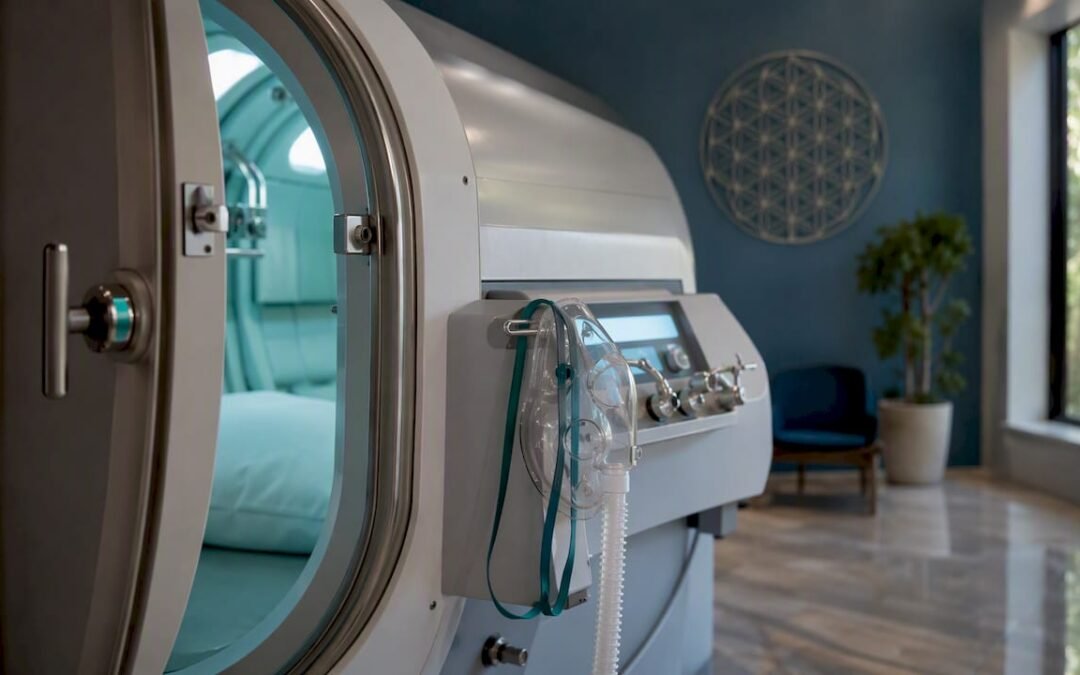
Hyperbaric oxygen therapy (HBOT) can terminate acute migraine attacks in some patients, but the evidence is low quality and there is no reliable proof it prevents future episodes. The most authoritative summary comes from a Cochrane systematic review, which pooled three randomised controlled trials and found a relative risk of 6.21 (95% CI 2.41 to 16.00) in favour of HBOT for acute relief. That sounds striking, but the Cochrane authors are explicit: the overall evidence quality is low, sample sizes were small, and the result should not be read as a green light for routine use.
In practical terms:
- Acute relief: There is a modest, low-certainty signal that HBOT may abort a migraine attack in progress.
- Prevention: No trial evidence supports HBOT as a prophylactic treatment for reducing future migraine frequency.
Key takeaways
HBOT shows a low-certainty signal for acute migraine relief but no evidence for prevention, making specialist guidance and proper screening non-negotiable before pursuing treatment.
| Point | Details |
|---|---|
| Acute relief signal exists | Pooled RR of 6.21 from three small trials, but evidence quality is rated low by Cochrane. |
| No prevention evidence | No trial has demonstrated that HBOT reduces future migraine frequency or severity. |
| Safety screening is essential | Ear barotrauma, oxygen toxicity, and COPD are key risks; always complete pre-treatment medical assessment. |
| Established treatments come first | Triptans, CGRP antibodies, and preventive medications have stronger evidence and should be tried before HBOT. |
| Live5dhealth offers supervised HBOT | Medical screening and trained oversight are included before any session at the Boyle wellness centre. |
Table of Contents
- What does the research actually show about HBOT for migraines?
- How is HBOT given in trials and in clinical practice?
- Safety, common side effects and who should not have HBOT
- What do UK guidance and headache specialists say?
- Availability, likely cost and how to find a reputable HBOT clinic
- Which patients might reasonably consider HBOT?
- How does oxygen therapy for cluster headache differ from migraine treatment?
- Final recommendation and practical next steps
- An honest perspective on HBOT and migraine
- Considering HBOT? Here is what Live5dhealth offers
- Sources
What does the research actually show about HBOT for migraines?
The Cochrane review, last updated in 2015, included 11 trials covering 209 participants across migraine and cluster headache studies. For migraine specifically, the pooled acute-relief figure (RR 6.21) comes from just three small trials, and the Cochrane authors caution that this result carries low confidence because of heterogeneity, small samples, and methodological weaknesses across the included studies.
The earliest and most-cited individual trial is Myers et al. (1995), a small preliminary RCT in which 9 of 10 patients receiving HBOT experienced meaningful acute relief compared with 1 of 10 receiving normobaric oxygen. The effect size is large, but the study enrolled only 20 participants in total, which limits how far the finding can be generalised.
Subsequent trials and reviews have not consistently replicated that magnitude of benefit. A 2021 review published in PMC noted that many of the included trials were small crossover studies with incomplete reporting and unclear allocation concealment, all of which reduce confidence in positive findings and call for larger, better-designed research.
| Outcome | Evidence signal | Evidence quality |
|---|---|---|
| Acute migraine termination | Pooled RR 6.21 (3 trials) | Low |
| Migraine prevention | No benefit found | Very low / absent |
| Cluster headache (NBOT) | Consistent benefit | Moderate |
What this means for you: the acute data is genuinely encouraging, but it rests on a narrow base. Treat it as a promising early signal rather than established clinical fact.
How is HBOT given in trials and in clinical practice?
Understanding what a session actually involves helps you ask the right questions before booking anything.
In the trials reviewed by the Cochrane team, HBOT was delivered at pressures of 2.0–2.4 ATA (atmospheres absolute) for sessions lasting 30–60 minutes, with participants breathing 100% oxygen via a mask or hood inside a pressurised chamber. That is a physiologically distinct exposure from breathing supplemental oxygen through a face mask at normal atmospheric pressure (1 ATA), which is called normobaric oxygen therapy (NBOT).
The difference matters clinically. At 2.0–2.4 ATA, dissolved oxygen in plasma rises substantially above what NBOT can achieve. This is why you cannot assume that results from NBOT studies in cluster headache automatically apply to HBOT in migraine.
A typical clinical HBOT session looks like this:
- You enter a monoplace (single-person) or multiplace chamber.
- Pressure increases gradually over 10–15 minutes to the target ATA.
- You breathe 100% oxygen for the prescribed treatment period.
- Pressure is reduced slowly at the end to allow safe decompression.
- Total time in the chamber, including pressurisation and decompression, is usually 60–90 minutes.
Trial courses varied, but some protocols used daily sessions over several weeks. Private clinics may offer shorter courses depending on the indication and clinical assessment.
Pro Tip: If you are considering your first HBOT session, ask the clinic whether they run an acclimatisation session at a lower pressure before your full treatment begins. Gradual exposure helps your ears and sinuses adjust and significantly reduces the risk of barotrauma.
Safety, common side effects and who should not have HBOT
HBOT is generally well tolerated in healthy adults when delivered by a trained team, but it carries real risks that require proper screening.
Common side effects:
- Ear barotrauma (the most frequent complaint, caused by pressure changes in the middle ear)
- Sinus squeeze (similar mechanism, affecting the sinuses)
- Transient visual changes (mild myopia that typically resolves after a course ends)
- Claustrophobia, particularly in monoplace chambers
Serious but rarer risks:
- Oxygen toxicity seizures (more likely with prolonged or high-pressure exposures)
- Pulmonary barotrauma (lung damage from pressure changes, rare but serious)
Screening matters. Patients with an untreated pneumothorax, severe or unstable COPD, or certain middle-ear conditions should not undergo HBOT without specialist clearance. Pregnancy, active upper respiratory infections, and an inability to equalise ear pressure are also standard screening cautions. A reputable clinic will conduct a thorough pre-treatment medical assessment that typically includes a chest review, ENT assessment, and a detailed medical history before any session begins.
The PMC review of HBOT safety notes that trials reported few serious adverse events in small samples, but this reflects limited trial size rather than confirmed safety at scale. For a full checklist of contraindications, the HBOT contraindications guide at Live5dhealth covers the key screening criteria in practical detail.
What do UK guidance and headache specialists say?
HBOT is not a standard first-line treatment in UK headache guidelines. NICE has not issued specific guidance endorsing HBOT for migraine, and the therapy sits firmly in the experimental or adjunctive category in specialist neurology practice.
The position of systematic reviewers is consistent:
- The Cochrane review concludes that evidence for acute relief is low quality and that no prophylactic benefit has been demonstrated.
- Headache specialists generally recommend that established pharmaceutical and lifestyle measures remain primary, with HBOT considered only in selected cases, ideally within a research setting.
- Researchers call for larger, well-designed, long-term trials to identify which patient subgroups might benefit and to measure how durable any effect is.
If you are considering HBOT for migraine, the appropriate first step is a conversation with your GP or a headache specialist, not a direct booking at a private clinic. Your specialist can assess whether your migraine pattern, treatment history, and overall health make you a reasonable candidate, and can flag any contraindications before you proceed.
Availability, likely cost and how to find a reputable HBOT clinic
NHS provision of HBOT for migraine is not routine. Chambers exist within NHS trusts for approved indications (such as decompression illness and certain wound-healing conditions), but migraine is not among the standard funded uses. Private clinics and wellness centres offer HBOT in the UK, though availability varies considerably by region.
Questions to ask any clinic before booking:
- Is a pre-treatment medical screening included, and who conducts it?
- What are the clinician’s qualifications and experience with HBOT?
- What type of chamber is used (monoplace or multiplace) and what is the maximum operating pressure?
- What emergency procedures and equipment are in place?
- Is the clinic accredited or affiliated with a recognised hyperbaric medicine body?
- Will you receive written documentation of your screening assessment and consent?
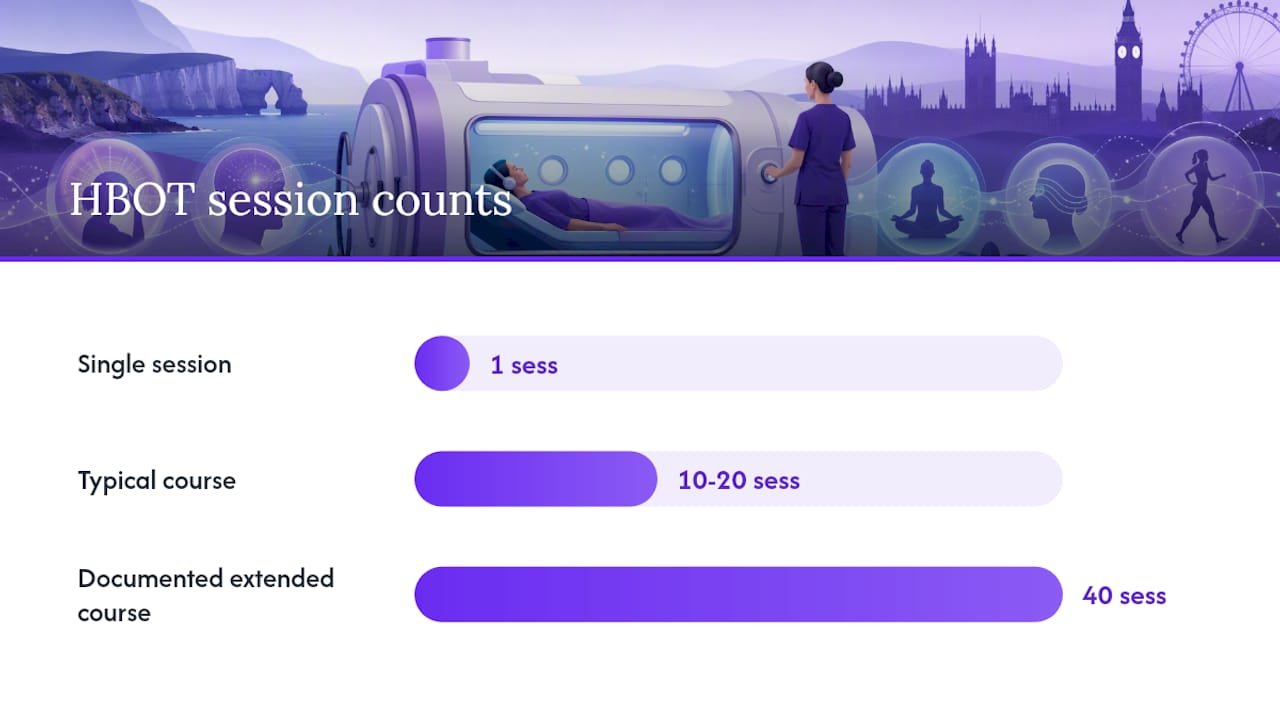
On cost: single sessions at private UK clinics typically range from around £100 to £250, while a full course of 10–20 sessions can cost considerably more. Prices vary with chamber type, clinic location, and whether a clinician is present throughout. Research trial participation, where available, may offer access at no direct cost and with more rigorous medical oversight.
Case reports and small series suggest that some patients with treatment-resistant migraine have pursued extended courses (one documented case involved 40 sessions), but these are uncontrolled accounts and cannot be used to set expectations for a typical patient.
Written pre-treatment consent and a documented medical screening record are non-negotiable. If a clinic cannot provide both, look elsewhere.
Which patients might reasonably consider HBOT?
HBOT is not a first-choice option for most people with migraine. The patients for whom clinicians sometimes consider it tend to share a specific profile.
Candidate characteristics:
- Chronic or episodic migraine that has not responded adequately to at least two or three standard preventive therapies
- Intolerance or contraindication to triptans or other established acute treatments
- Under active care from a headache specialist or neurologist
- Willing to participate in a research trial or to pursue private treatment with realistic expectations
Realistic goals to discuss with your clinician:
- Acute attack termination during a session (the outcome with the most trial support, albeit low-certainty)
- Possible reduction in attack severity in treatment-resistant cases (supported only by uncontrolled case reports)
- Prevention of future attacks (no reliable trial evidence supports this goal)
A simple decision path before speaking to your clinician:
- Have you tried at least two evidence-based acute treatments (triptans, NSAIDs, antiemetics)?
- Have you tried at least one or two preventive options (beta-blockers, anticonvulsants, CGRP antibodies)?
- If both steps have been exhausted or are not tolerable, ask your headache specialist whether HBOT within a research setting or accredited private clinic is appropriate for your case.
- Confirm full medical screening and written consent before any session.
For broader context on HBOT across neurological conditions, the evidence landscape is similarly mixed, which underscores why specialist guidance matters before committing to a course.
How does oxygen therapy for cluster headache differ from migraine treatment?
This distinction is one of the most commonly misunderstood points in the HBOT conversation, and it is worth being direct about it.
Normobaric oxygen (NBOT) and cluster headache: High-flow oxygen delivered at normal atmospheric pressure (1 ATA) is an established, evidence-based abortive treatment for cluster headache. The Cochrane review found consistent benefit for NBOT in cluster headache, with moderate-quality evidence. It is relatively inexpensive and accessible.
NBOT and migraine: The evidence for NBOT in migraine is limited and inconsistent. You cannot assume that what works for cluster headache will work for migraine, because the two conditions differ clinically and physiologically. This is a common misconception that can lead people to pursue the wrong therapy.
Standard evidence-based migraine options that should be considered before or alongside HBOT:
- Acute treatments: triptans (sumatriptan, rizatriptan), NSAIDs (ibuprofen, naproxen), antiemetics (prochlorperazine, metoclopramide), gepants (rimegepant), and ditans (lasmiditan)
- Preventive treatments: beta-blockers (propranolol, metoprolol), anticonvulsants (topiramate, valproate), tricyclic antidepressants (amitriptyline), CGRP monoclonal antibodies (erenumab, fremanezumab), and lifestyle measures (sleep hygiene, stress management, dietary triggers)
HBOT sits alongside these options as an adjunct or experimental consideration, not as a replacement for any of them.
Final recommendation and practical next steps
The honest verdict: HBOT may help abort an acute migraine attack in some patients, but the evidence is low quality and prevention remains unproven. For most people with migraine, established pharmaceutical options should come first.
If you are considering HBOT:
- Speak to your GP or headache specialist before booking any private sessions.
- Ask whether you are eligible for a clinical trial, which offers medical oversight and contributes to the evidence base.
- Verify that any clinic you approach conducts thorough pre-treatment medical screening and holds appropriate accreditation.
- Set realistic expectations: acute termination during a session is the most plausible benefit; long-term prevention is not supported by current evidence.
- Do not discontinue prescribed migraine medications without specialist advice.
The Cochrane review and expert commentary agree that HBOT should be viewed as adjunctive and experimental, not as a standalone migraine solution.
An honest perspective on HBOT and migraine
The evidence for HBOT in migraine sits in an uncomfortable middle ground, and that is worth acknowledging plainly. The pooled acute-relief signal is real, but it rests on a handful of small trials conducted decades ago, and the Cochrane authors themselves flag the low quality of that evidence. What strikes me most is the gap between the enthusiasm some clinics bring to HBOT marketing and the caution that systematic reviewers consistently apply.
That gap does not mean HBOT is without merit for migraine. For someone who has exhausted standard options and is living with debilitating, treatment-resistant attacks, even a low-certainty signal of acute relief is worth exploring under proper medical supervision. The case reports of patients with marked improvement after extended courses are not proof, but they are not nothing either.
What I would encourage you to resist is the idea that HBOT is a shortcut past the established evidence base. Triptans, CGRP antibodies, and lifestyle medicine have decades of robust trial data behind them. HBOT, for migraine specifically, does not yet. Pursue it with open eyes, with a specialist’s input, and ideally within a setting that contributes to the research rather than simply charging for sessions.
Considering HBOT? Here is what Live5dhealth offers
For those who have done the research and want to take a considered next step, Live5dhealth provides hyperbaric oxygen therapy at its wellness centre in Boyle, County Roscommon, Ireland. Unlike a generic wellness booking, every HBOT enquiry at Live5dhealth begins with a medical screening consultation to assess suitability, flag contraindications, and set realistic expectations before any session is agreed.
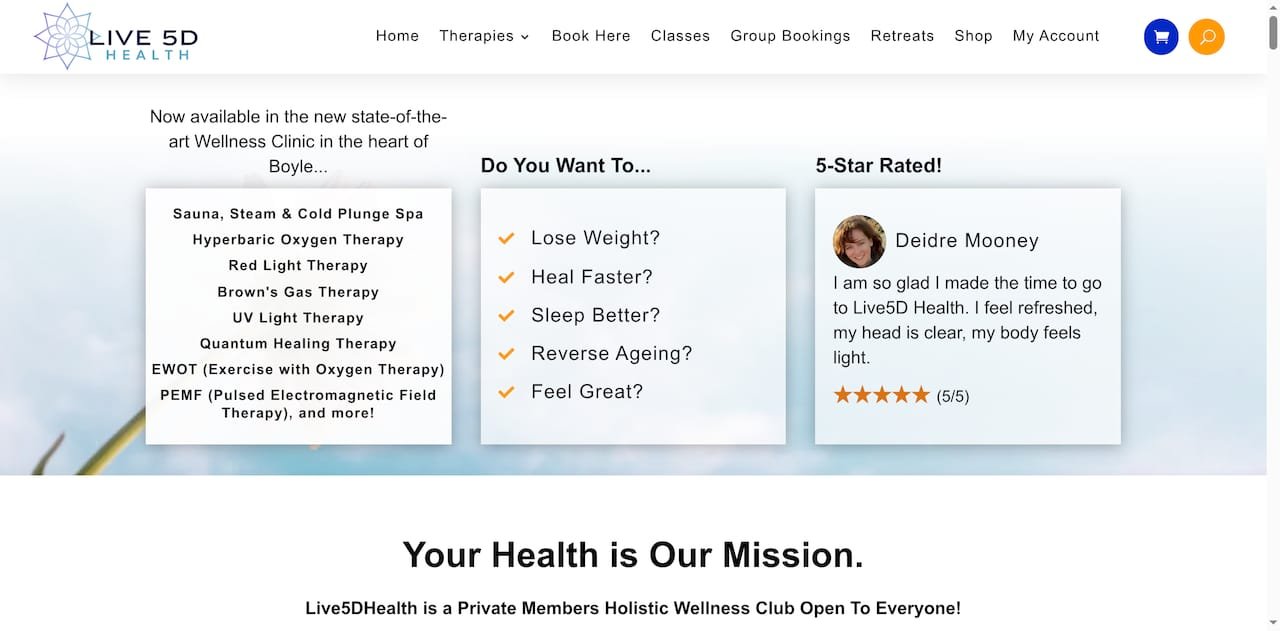
The centre operates a pressurised hyperbaric chamber with trained oversight throughout each session, and the team can discuss your migraine history, current medications, and treatment goals in a structured pre-treatment conversation. This is not a drop-in oxygen bar: it is a supervised therapy delivered within a broader luxury wellness environment that includes sauna, cold plunge, and complementary therapies.
HBOT for migraine is not standard NHS care, and this article is general information rather than medical advice. Always consult your GP or headache specialist before beginning any new treatment. To arrange a screening consultation or find out more, visit Live5dhealth.
Sources
The following primary sources underpin this guide. Sharing them with your GP or headache specialist can help frame a productive conversation about whether HBOT is appropriate for your situation.
- Normal pressure oxygen therapy and hyperbaric oxygen therapy for migraine and cluster headaches | Cochrane
- Normobaric and hyperbaric oxygen therapy for the treatment and prevention of migraine and cluster headache
- A preliminary report on hyperbaric oxygen in the relief of migraine headache
- Normobaric and hyperbaric oxygen therapy for the treatment and prevention of migraine and cluster headache
This article is general information, not a substitute for advice from a qualified doctor. Consult a qualified healthcare professional about your own circumstances before acting on anything here.