
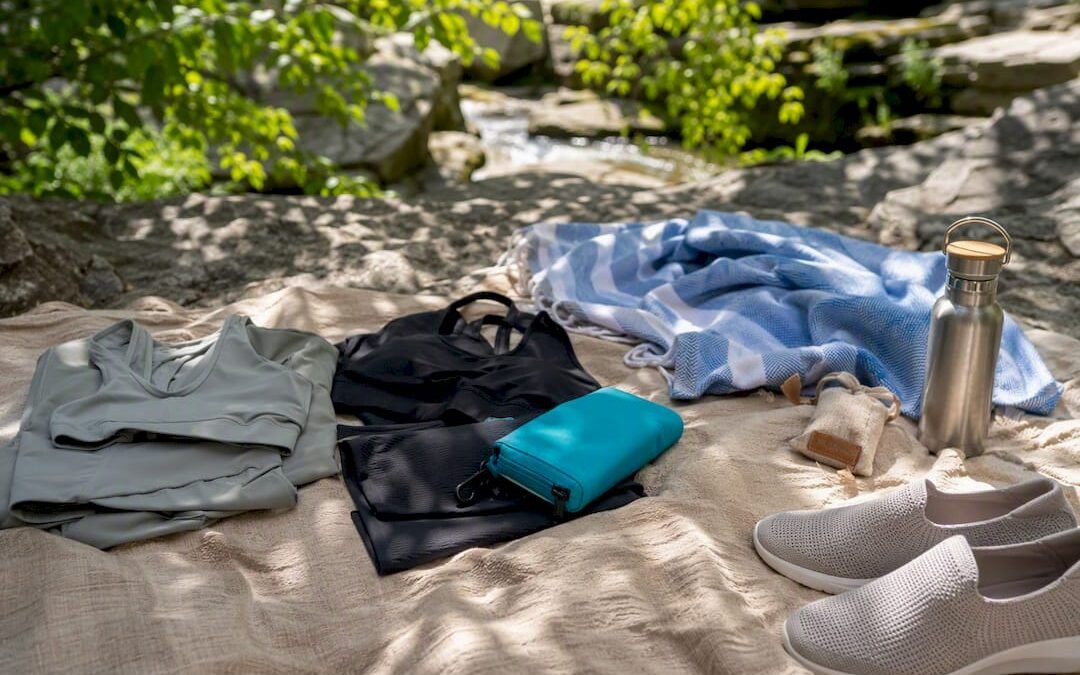
Pack light, pack in layers, and pack for the activities on your schedule, not for a fortnight of outfit changes. That is the whole philosophy behind a good wellness retreat packing list. Most guests bring twice what they need and spend the first evening rummaging through an overstuffed case instead of settling in. Before you fold a single T-shirt, check the retreat’s own pre-arrival list. Every venue supplies different basics, and yours might already include the mat, the robe, or the toiletries you were about to pack.
Here is your immediate must-have checklist:
- Several sets of moisture-wicking activewear suitable for the duration of your retreat
- Quick-dry swimwear plus a waterproof bag
- Comfortable, broken-in trainers or walking shoes
- A refillable water bottle
- Medications and supplements, kept in your carry-on
- A journal or notebook for reflection
- A spare change of clothes in your hand luggage, in case checked bags are delayed
- Slip-on shoes for indoor and lounge areas
Keep prescriptions in their original packaging and carry them with you rather than in checked luggage.
Key Takeaways
A minimal, activity-matched packing list, checked against the retreat’s own supplied-items list, delivers a smoother and more restful experience than overpacking ever does.
| Point | Details |
|---|---|
| Pack for activities, not days | Match kit to yoga, hiking, and spa sessions rather than packing a full outfit per day. |
| Check the retreat’s list first | Confirm what’s supplied (mats, robes, towels) before duplicating items in your case. |
| Medications stay in carry-on | Keep prescriptions in original packaging and within reach, never in checked luggage. |
| Small comforts aid recovery | Ear plugs, an eye mask, and a familiar pillowcase noticeably improve sleep quality. |
| Go phone-light on purpose | Decide your screen boundaries before arrival to support the retreat’s restorative intent. |
Table of Contents
- What to wear on a wellness retreat: clothing and footwear
- Toiletries, medication, and supplements for the trip
- Packing for yoga, hiking, spa, and workshop sessions
- Which documents and tech should you bring?
- How to pack light without leaving anything essential behind
- Sleep and recovery aids worth the suitcase space
- What not to pack: retreat etiquette basics
- What Live5dhealth guests can expect on arrival
- Why the standard packing advice misses the point
- Sources
What to wear on a wellness retreat: clothing and footwear
Activewear does the heavy lifting on any retreat, so buy quality over quantity. A few moisture-wicking sets generally cover a multi-day retreat period, since most venues offer laundry facilities or you can hand-wash and dry overnight. Consider packing sports underwear separately from everyday underwear for convenience and hygiene. It dries faster and holds up better through repeated yoga sessions and hikes.
Think capsule wardrobe rather than a full suitcase: a handful of neutral, mix-and-match layers work for morning meditation, afternoon sun, and cool evenings alike. Including one smart-casual outfit can be helpful for special occasions such as shared dinners or closing circle, but leave anything that needs ironing at home.
For swimming and spa time, quick-dry swimwear and a waterproof bag for wet items are non-negotiable, and a spare travel towel is handy if the venue doesn’t provide poolside towels.
Pro Tip: Lay every outfit out before packing and remove one item from each pile. You will barely notice it’s gone, and your case will close far more easily.
Footwear follows a simple rule: slip-ons for moving between rooms and communal areas, supportive trainers or trail shoes for walks and hikes, and sandals or flip-flops for the pool and sauna deck.
Toiletries, medication, and supplements for the trip
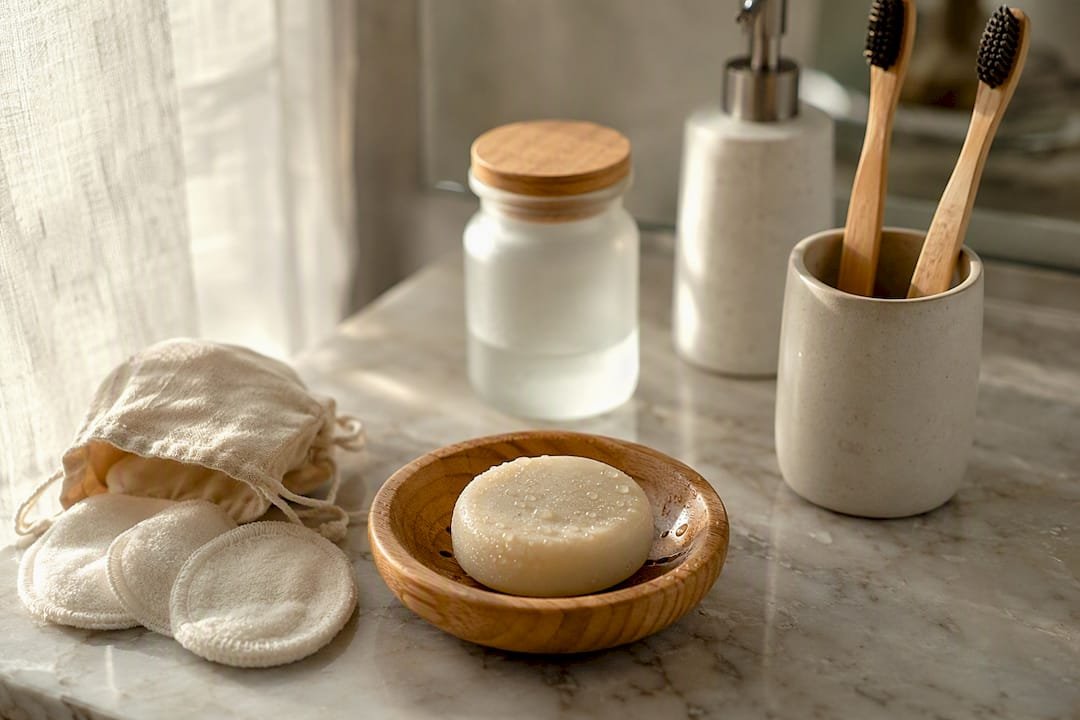
Stick to travel-size toiletries and a few sustainable swaps, such as a solid shampoo bar or reusable cotton pads, to cut down on liquids and plastic. Many retreats provide basic toiletries in-room, so verify what is supplied beforehand, so check before duplicating shower gel or hand cream.
Medicines need more care than cosmetics. Keep prescriptions in original packaging, carry a short list of what you take (useful if any interaction questions come up), and speak to a clinician beforehand if you have concerns about combining medications with retreat therapies. Practical guides consistently recommend keeping medications in carry-on luggage rather than checked bags, since delayed luggage shouldn’t mean a missed dose.
Supplements are a personal choice. Bring only what you routinely take, keep them labelled, and consider what you’ll want on hand for hydration support or recovery.
Your compact list:
- Travel-size shampoo, conditioner, and shower gel (skip if the venue supplies them)
- Sunscreen and after-sun
- Prescription medications in original packaging
- Personal supplements, clearly labelled
- A basic first-aid kit (plasters, antihistamine, pain relief)
Packing for yoga, hiking, spa, and workshop sessions
Match your kit to the actual timetable rather than every possible activity. If your retreat runs daily yoga, bring a strap and a small towel, but check first whether mats are supplied. Most studios have them, and carrying your own adds unnecessary bulk.
For hiking sessions, pack a lightweight waterproof jacket, broken-in trail shoes, sun protection, and a small daypack for water and snacks. Weather at altitude or on coastal trails shifts fast, so layers matter more than a heavy coat.
Spa and thermal circuits call for swimwear, a waterproof bag, flip-flops, and a thin robe if you have one, though most venues provide robes as standard.
Workshops and creative sessions need almost nothing beyond a notebook, a couple of pens, and comfortable clothing you can sit in for an hour without fidgeting.
- Yoga: strap, small towel (check if mats are provided)
- Hiking: waterproof layer, trail shoes, sun protection, daypack
- Spa: swimwear, waterproof bag, flip-flops, robe
- Workshops: notebook, pens, comfortable seated-wear
Which documents and tech should you bring?
Keep this list short and carry-on only.
- Booking confirmation, travel insurance details, and emergency contacts
- Passport or ID
- Phone charger, a small power bank, and a travel adaptor if you’re crossing borders
- A change of clothes and any valuables, kept with you rather than in the hold
Deciding how phone-light you intend to be before you arrive reduces the temptation to overpack tech. A lightweight alarm clock or an e-reader can replace the phone for mornings and evenings, leaving screens for genuine emergencies only.
How to pack light without leaving anything essential behind
Build around a capsule wardrobe: five or six items that layer and mix rather than a fixed outfit for each day. This is the approach retreat operators themselves recommend, and it works because most days follow the same rhythm of movement, rest, and meals.
- Use packing cubes to separate activewear, casual clothes, and wet items, so nothing damp touches your dry layers
- Roll rather than fold to save space and cut creasing
- Check whether the retreat offers laundry, which lets you pack for three or four days instead of a full week
- Keep a small carry-on kit of essentials (meds, one outfit change, chargers) in case checked luggage is delayed
Pro Tip: Write your packing list the night before and tick items off as you place them in the case. It takes five minutes and stops the classic “did I pack my charger?” panic at the airport.
Sleep and recovery aids worth the suitcase space
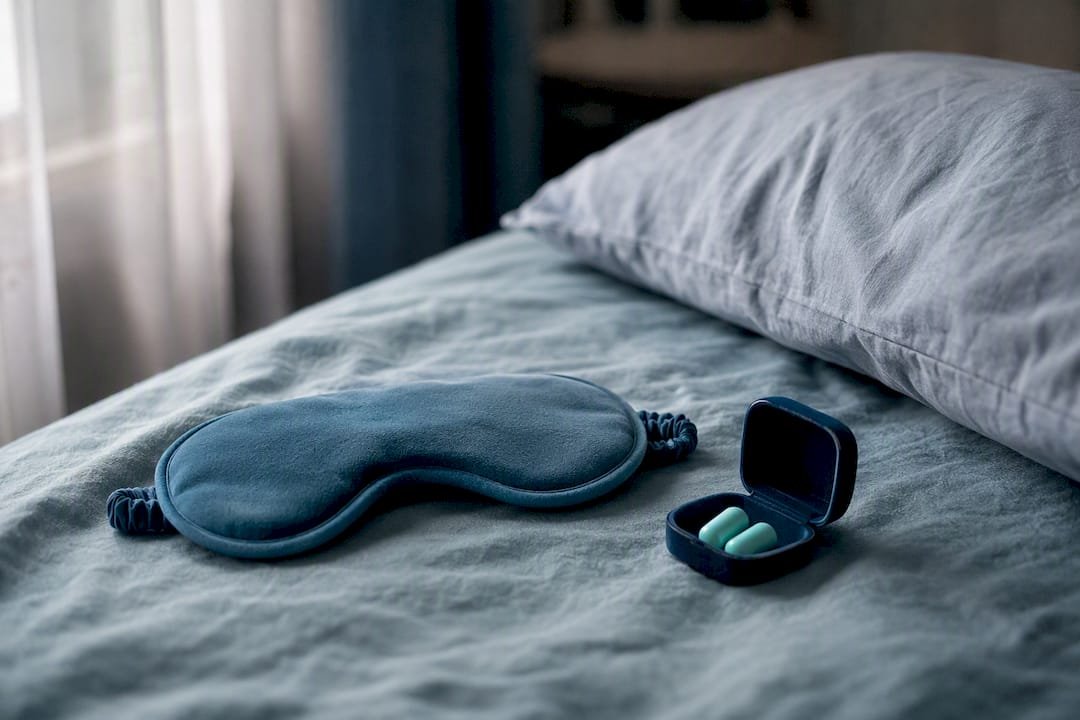
Small items make an outsized difference to how well you sleep in an unfamiliar bed. Small items like ear plugs, an eye mask, or a familiar pillowcase may help improve sleep in an unfamiliar bed than you’d expect.
For recovery after hikes or spa sessions, pack blister plasters, a small topical muscle rub, and basic first-aid essentials. Some guests find magnesium helpful for sleep, though anyone on regular medication should check with a clinician before adding a new supplement.
Neuroscientific commentary points to reduced daily stressors and social connection as key drivers of the relaxation response at retreats, which is exactly why sleep quality tends to improve within days of arrival. If you have specific therapeutic needs, such as mobility issues or a health condition, contact the retreat in advance so staff can prepare.
- Ear plugs and an eye mask
- A familiar pillowcase
- Blister plasters and a basic first-aid kit
- Magnesium (optional, check with a clinician if on medication)
What not to pack: retreat etiquette basics
Leave formal going-out clothes and unnecessary jewellery at home. There is nowhere to wear them, and valuables are one more thing to worry about securing. Limit laptops and work materials, and follow the retreat’s own phone policy rather than assuming you’ll need constant access.
Scent etiquette matters too: heavy perfumes and colognes can disrupt shared spa spaces and yoga rooms, so pack lighter, unscented alternatives where possible.
What Live5dhealth guests can expect on arrival
At Live5dhealth in Boyle, County Roscommon, guests arrive to a luxury spa, sauna, steam room, and cold plunge already set up, alongside on-site treatments including hyperbaric oxygen therapy, red light therapy, and holistic massage. That means towels, robes, and most spa essentials are provided as standard, so you can leave the bulky beach towel at home.
Our practical advice mirrors what we recommend to every retreat guest: bring your own labelled supplements if you’re mid-routine, carry medications in hand luggage, and read your pre-arrival information closely so you know exactly what the centre supplies versus what to bring yourself.
- Spa and thermal circuit: towels, robes, and slippers provided
- Treatments: no special kit needed, just comfortable clothing
- Supplements: bring your own routine items, clearly labelled
- Pre-arrival checklist: always confirm before packing duplicates
If your retreat plans include ongoing health goals beyond the stay itself, browsing Live5dhealth’s retreat programmes before you travel helps you understand which therapies are included and which extras you might want to book separately once you arrive.
Why the standard packing advice misses the point
Most packing guides treat every retreat the same, listing forty items regardless of whether you’re doing sunrise yoga in a studio or scrambling up coastal trails. That approach guarantees overpacking. The research on retreat benefits, including the documented drops in blood pressure and abdominal girth after a week-long stay, points to something simpler: less clutter, fewer decisions, and more room for the stress reduction the retreat is actually designed to deliver.
The conventional advice also underplays what venues already provide. Guests waste suitcase space on towels, robes, and toiletries that most centres, including Live5dhealth, supply as standard. What genuinely matters is getting the essentials right: your own medications, a couple of activity-specific items, and the discipline to leave the rest behind.
If you take one thing from this, let it be this: pack for the version of yourself who wants to switch off, not the version who’s preparing for every contingency. That’s where the real benefit of a retreat begins.
Sources
- Do wellness tourists get well? An observational study of multiple dimensions of health and well‑being after a week‑long retreat
- Dr Lila Landowski — commentary on stress relief and retreats
- What to pack for a wellness retreat: a calm, minimal checklist for 2026 — Tendground
- How to prepare for a wellness retreat: what to pack, plan and expect | RWPT