
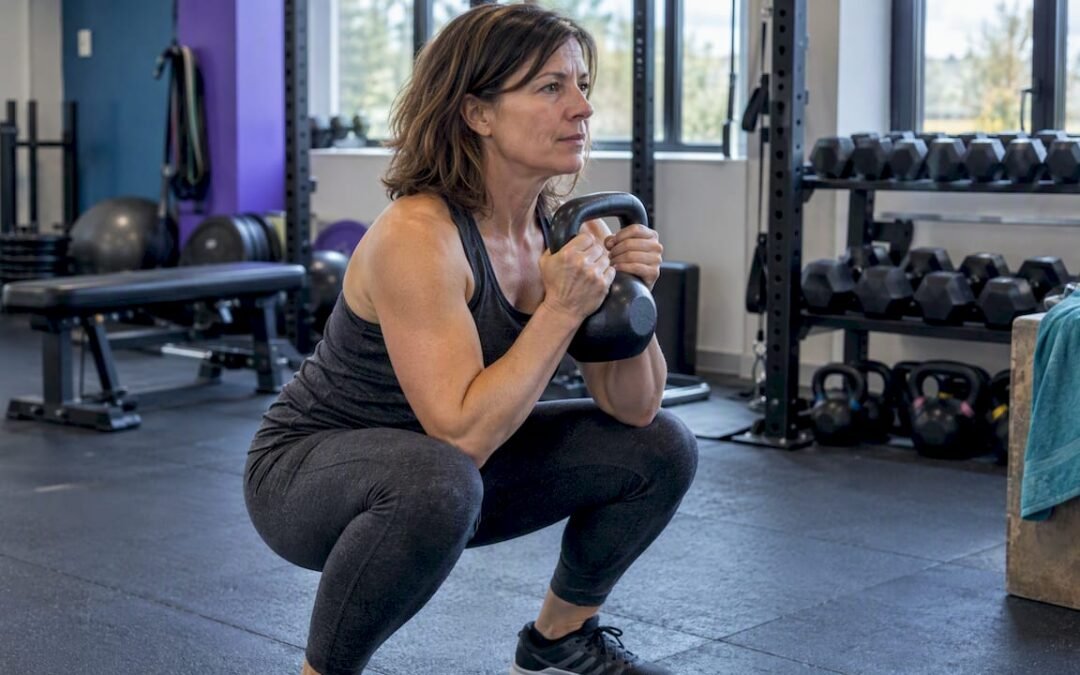
After 40, recovery is not an afterthought, it is the workout. The priorities that matter most are quality sleep, enough protein, steady hydration, gentle active recovery, and planned rest days built into your week. Supplements like creatine, vitamin D, and magnesium can support this foundation, but they never replace it, and anyone with a chronic condition or recent surgery should check with a clinician before changing their routine.
TL;DR:
- Gentle low-impact activities like walking, swimming, or mobility drills effectively promote circulation without causing fatigue or soreness.
- A weekly routine pairing demanding workouts with lighter recovery days, including active recovery, helps prevent excessive fatigue and supports sustained progress.
- Proper nutrition, especially consuming 1.0 to 1.2 grams of protein per kilogram of body weight daily, combined with adequate hydration, enhances muscle repair and recovery.
- Adjust training intensity and volume based on soreness and fatigue levels, incorporating therapies such as foam rolling, contrast showers, or sauna sessions to support recovery.
- Special health conditions like menopause, recent surgery, or cancer survivorship require personalized recovery plans and medical consultation to ensure safety and effectiveness.
Table of Contents
- 1. Low-impact workouts and mobility drills that aid recovery
- 2. A sample weekly recovery plan for a 3 to 4 day training week
- 3. Nutrition and hydration: protein targets and timing that work
- 4. Training adjustments that protect recovery as you age
- 5. Special populations: menopause, surgery, and cancer survivorship
- 6. Clinic-based protocols that complement home recovery
- 7. Why consistency beats intensity after 40
- Recovery support at Live5DHealth
- FAQ
- Sources
1. Low-impact workouts and mobility drills that aid recovery
The best recovery sessions raise blood flow without adding fatigue. Easy walking and gentle cycling do this well: they nudge circulation without taxing joints or muscles still rebuilding from a harder session. Swimming or other water-based movement takes this further by off-loading body weight from hips, knees, and spine while keeping you moving.
Short mobility flows and balance drills, run for 10 to 30 minutes, round out a recovery day. These keep joints supple and reinforce the stability that becomes more valuable, not less, with age. Light activity matched to your fitness and health status is the standard clinicians point to, and the test is simple: a recovery session should leave you feeling restored, not drained.
- Walking or cycling: 20 to 40 minutes at a conversational pace to lift circulation.
- Swimming or pool walking: low joint stress with full-body movement.
- Mobility flow: hips, shoulders, and spine through a gentle range of motion.
- Balance work: single-leg stands or heel-to-toe walks near a wall or chair.
If a session leaves you unusually sore or wiped out the next day, scale it back. Recovery workouts exist to restore capacity, not to test it.
2. A sample weekly recovery plan for a 3 to 4 day training week
A workable week pairs each demanding session with a lighter one, so your body never stacks fatigue for more than a day or two.
- Monday: Strength training, full body, moderate to heavy load.
- Tuesday: Active recovery: 30-minute walk plus mobility flow.
- Wednesday: Strength training or conditioning session.
- Thursday: Full rest or a very light swim.
- Friday: Strength training, full body.
- Saturday: Active recovery: cycling or pool session, 20 to 30 minutes.
- Sunday: Full rest.
During heavier training blocks, add one or two extra full rest days rather than pushing through, a pattern ACSM’s 2025 guidance supports for active older adults. Small additions like a sauna session, a light swim, or an evening walk can be slotted into recovery days without turning them into training. Keep these low-key and timed for whenever they fit your schedule rather than chasing a precise window.
3. Nutrition and hydration: protein targets and timing that work
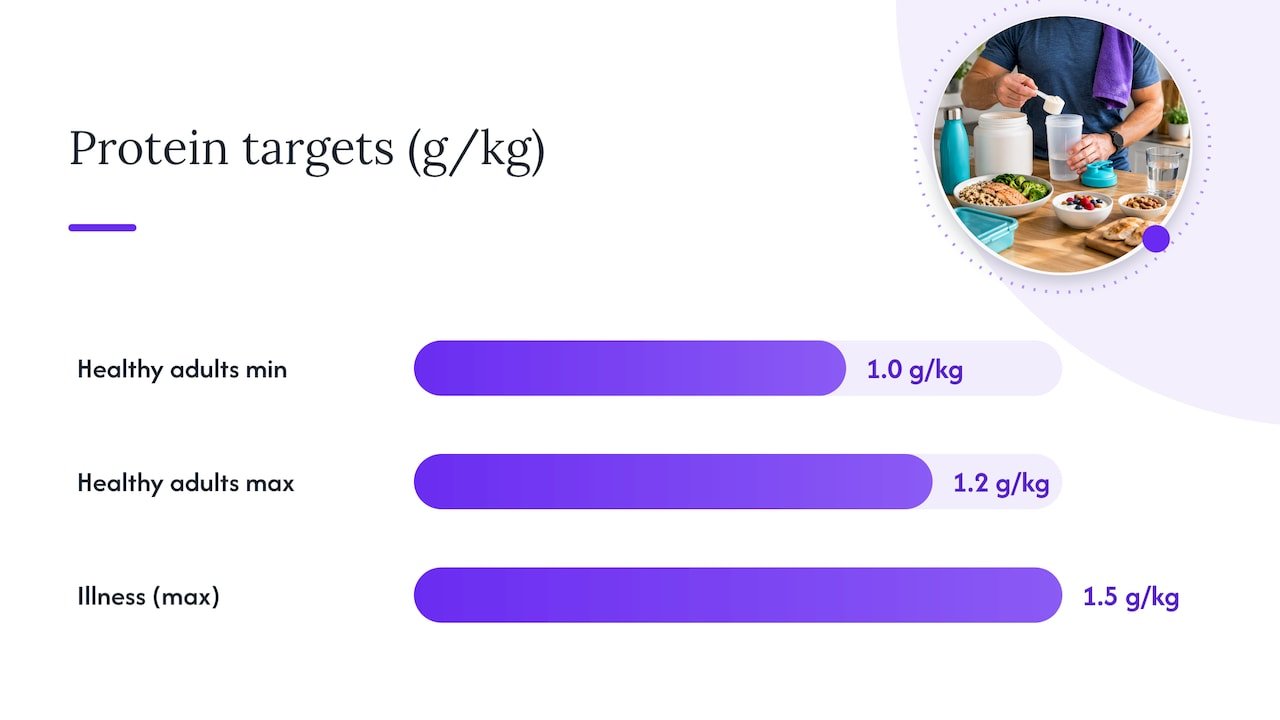
Protein is the raw material for muscle repair, and the targets shift with age. ACSM guidance puts healthy older adults at 1.0 to 1.2 grams of protein per kilogram of body weight daily, rising to 1.2 to 1.5 g/kg for those managing acute or chronic illness. For someone weighing 70 kg, that is roughly 70 to 105 grams spread across the day.
Practical ways to hit an adequate protein target include:
- A palm-sized portion of chicken, fish, or tofu at each main meal.
- Greek yoghurt or cottage cheese as a protein-dense snack.
- A protein shake before bed, which research suggests can raise overnight amino acid availability and support muscle repair while you sleep.
- Drinking sufficient fluids daily, increasing intake after longer or sweaty sessions, with electrolytes recommended when sessions last over an hour or involve heavy sweating.
Hydration and protein work together: dehydrated muscle tissue repairs more slowly, so treating fluids as part of the recovery plan, not an afterthought, matters as much as the food itself.
4. Training adjustments that protect recovery as you age
Small tweaks to how you train can preserve your recovery budget without sacrificing progress. When lifting near failure, rest 3 to 4 minutes between heavy sets rather than rushing the clock, giving muscles and connective tissue more time to recover before the next effort. NHS strength guidance recommends building gradually from one set toward two or three sets across major muscle groups at least twice weekly, rather than jumping straight to high volume.
If soreness lingers more than two days after a session, dial back the next one’s intensity or volume. “Start low, go slow” beats chasing last year’s numbers.
- Foam rolling or a massage gun on tight areas for a few minutes post-session.
- Contrast showers (alternating warm and cool water) to stimulate circulation.
- A sauna session or cold plunge, used thoughtfully and not as a substitute for rest.
Pro Tip: Track one simple number, like a 1 to 10 soreness rating each morning, and you will spot overtraining before it derails a whole week.
5. Special populations: menopause, surgery, and cancer survivorship
Generic recovery advice does not always fit every body. Menopause can shift energy levels, sleep quality, and recovery speed, which may mean adjusting training volume or adding extra rest days during harder weeks. Anyone recovering from recent surgery needs individualised clearance before resuming structured exercise.
For older adults living with or beyond cancer, the ACSM consensus (2026) calls for individualised programming that includes balance training, a fall-risk assessment, and explicit hydration and nutrition guidance, starting low and progressing gradually. Balance exercises performed near a wall or chair reduce fall risk while building the stability these programmes prioritise.
- Disproportionate fatigue that does not ease with rest.
- Worsening pain rather than the usual post-exercise ache.
- New balance problems or dizziness during daily activities.
Any of these warrants a call to your GP or physiotherapist before you continue training as planned.
6. Clinic-based protocols that complement home recovery
At-home habits carry most of the load, but structured therapies can add a layer of support on top. We often suggest a 15 to 20 minute sauna session after training, paired with contrast therapy (alternating heat and cold) within 24 to 72 hours of a hard workout, as a way to support circulation during the window muscle tissue is actively repairing.
- Our Sauna, Steam & Cold Plunge Spa session offers structured heat and cold exposure in one visit.
- Red Light Therapy is used on-site to support cellular recovery after exertion.
- Hyperbaric Oxygen Therapy delivers oxygen-rich sessions some clients use alongside training blocks.
These sit alongside, never instead of, sleep, food, and movement, and we always recommend checking with your own clinician if you are managing a health condition. For readers training toward an event, our day-by-day recovery plan after a marathon shows how these tools fit into a real schedule.
7. Why consistency beats intensity after 40
The biggest mistake we see is treating recovery as a reward for hard training rather than a requirement for it. A week of disciplined sleep, protein, and easy movement will do more for your long-term strength than any single brutal session. Try the sample week above for a month before judging it, and adjust the details, not the structure, to fit your own health and schedule.
— Mark
Recovery support at Live5DHealth
Home habits carry most of the recovery workload, but a well-timed therapy session can take some of the edge off a demanding training block. We built our facility around exactly that: heat and cold exposure, oxygen-rich sessions, and light-based therapies that support what you are already doing at home, rather than replacing it.

Our Sauna, Steam & Cold Plunge Spa gives you structured heat and cold in a single visit, our Hyperbaric Oxygen Therapy sessions offer an oxygen-focused option for clients working through heavier training phases, and our Red Light Therapy sessions are a quick add-on after a workout. None of these are mandatory, and if you are managing a health condition, a quick check with your clinician first is always worthwhile. If you would like to see what a session looks like in practice, book a spa day and feel the difference for yourself.
FAQ
How can I improve my muscle recovery in my 40s?
Focus on consistent sleep, enough protein spread through the day, steady hydration, and low-impact movement like walking or swimming on your lighter days. Planned rest days matter just as much as training days, and supplements such as creatine can offer a modest additional benefit when paired with resistance training.
What is the 3-3-3 rule for working out?
This is an informal fitness guideline rather than a clinical standard, and definitions vary across sources. A common version suggests structuring a session or week around three key movements, three sets, and three minutes of rest, though it is not backed by a specific research body.
Can you still build muscle after age 40?
Yes, resistance training remains effective for building and maintaining muscle well past 40. Following NHS strength guidance of muscle-strengthening work at least twice weekly, combined with adequate protein intake, supports ongoing strength gains at any age.
How many days a week should a 40 year old work out?
Three to four structured training sessions a week, balanced with active recovery or full rest days, works well for most adults over 40. During heavier training periods, ACSM guidance suggests one to two rest days may be appropriate to let the body fully recover.