
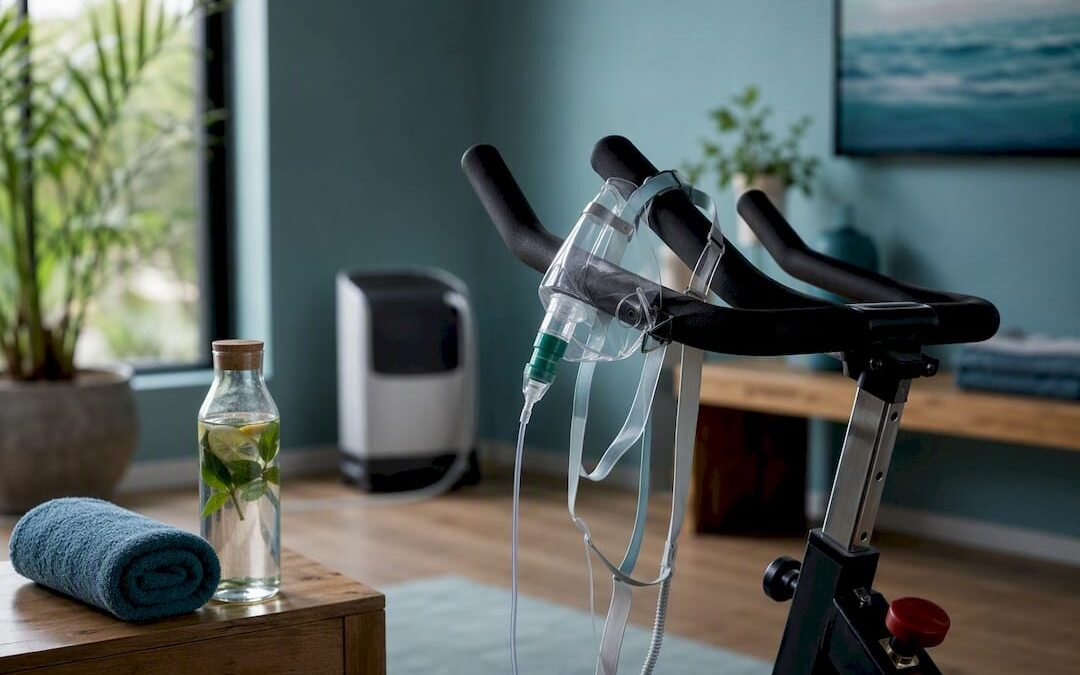
Exercise with oxygen therapy (EWOT) combines breathing 90 to 95% concentrated oxygen with moderate cardiovascular exercise, and the benefits people report most consistently are increased energy, better exercise tolerance, faster post-workout recovery, improved circulation, sharper mental clarity, reduced inflammation, and plausible skin-related gains from better microcirculation. The clearest results tend to show up in people whose bodies already struggle to deliver oxygen efficiently:
- People with COPD or other respiratory conditions
- Older adults with declining aerobic capacity
- Those with circulatory or microvascular issues
- People recovering from long COVID or chronic fatigue
- Some athletes chasing marginal performance gains
Healthy, well-conditioned adults can still benefit, though the gains tend to be more modest and centre on recovery speed and subjective energy rather than dramatic fitness leaps. Live5D Health offers EWOT sessions in Boyle as part of a wider set of oxygen and circulation-focused therapies, giving Irish clients a structured way to try the protocol under supervision rather than guessing at home.
Key Takeaways
EWOT’s benefits are strongest for people with impaired oxygen delivery, and most improvements build over weeks of consistent sessions rather than appearing instantly.
| Point | Details |
|---|---|
| Who benefits most | People with COPD, circulatory issues, chronic fatigue, or age-related aerobic decline see the clearest gains. |
| Mechanism is well supported | Higher FiO2 plus exercise-driven circulation raises dissolved oxygen in plasma, backed by mechanistic reviews. |
| Long-term fitness claims are unproven | A systematic review of 12 trials found no statistically significant long-term fitness advantage over normoxic exercise. |
| Protocol matters | Standard sessions run about 15 minutes at 90 to 95% oxygen, with passive ramp-up options for sensitive clients. |
| Live5D Health offers supervised sessions | Their Boyle centre provides screened, staff-supervised EWOT sessions alongside complementary recovery therapies. |
Table of Contents
- How does EWOT increase oxygen delivery to tissue?
- What does EWOT do for athletic performance?
- Can EWOT speed up muscle recovery?
- Does EWOT improve circulation and skin health?
- Can EWOT help chronic fatigue and mitochondrial function?
- Does EWOT sharpen focus and mood?
- Is EWOT safe, and does it reduce inflammation?
- Who benefits most from EWOT, and who should be cautious?
- What does a typical EWOT session and schedule look like?
- What do clinical studies actually say about EWOT?
- How does Live5D Health deliver EWOT sessions?
- What are the risks of EWOT for different people?
- How does EWOT compare with HBOT and normal exercise?
- How should you fit EWOT into an existing routine?
- What does EWOT cost, and what equipment do you need?
- What the evidence really tells us about EWOT
- Try EWOT at Live5D Health in Boyle
- Sources
How does EWOT increase oxygen delivery to tissue?
EWOT works on a simple principle: raise the fraction of inspired oxygen (FiO2) while the heart is already working harder from exercise, and you push far more oxygen into circulation than either factor achieves alone. EWOT sessions typically use highly concentrated oxygen, and that concentration gradient allows extra oxygen to dissolve directly into blood plasma rather than relying solely on haemoglobin, which is often already close to saturated at rest.
The exercise component matters just as much as the oxygen. Moving muscles increases cardiac output and blood flow, which can reopen capillaries that stay closed during sedentary breathing and drive that oxygen-rich plasma into tissue that red blood cells alone struggle to reach.
Three things tend to happen at once during a session:
- Cerebral and muscle oxygenation stay elevated even as exertion increases, according to a mechanistic review of supplemental oxygen during exercise.
- Perceived exertion drops, letting people sustain intensity they would otherwise abandon.
- Mitochondria, the cell structures responsible for ATP production, get more raw material to work with.
This is distinct from hyperbaric oxygen therapy (HBOT), which pressurises the whole body to force oxygen dissolution and is typically done at rest. EWOT stays at ambient pressure and pairs oxygen with movement instead, which is why the two are used for different goals despite sharing a gas.
What does EWOT do for athletic performance?
Supplemental oxygen during exercise has a well-documented acute effect: it maintains arterial saturation, reduces perceived effort, and lets people push harder before hitting exhaustion. Trials on hyperoxic and oxygen-supported exercise show measurable gains in VO2 uptake and time-trial performance under elevated oxygen conditions, though it’s worth being direct about a limitation here: much of that data comes from general hyperoxia research rather than EWOT-specific randomised trials, so the effect sizes for a 15-minute wellness-centre protocol aren’t identical to a lab hyperoxia study.
Athletes tend to use EWOT in one of three ways:
- Short interval sessions, breathing concentrated oxygen during the work intervals to sustain higher output
- Light cardio sessions before or after training, aimed at priming circulation or aiding recovery
- Pre- or post-competition sessions, used to support oxygenation without adding training load
For endurance athletes specifically, the appeal is exercise tolerance rather than raw strength: being able to hold a pace slightly longer or recover between efforts slightly faster.
Can EWOT speed up muscle recovery?
Faster metabolic clearance is one of the more plausible EWOT benefits, and the mechanism is straightforward. Oxygen-rich plasma supports ATP regeneration in fatigued muscle, while the exercise component keeps blood and lymph moving, helping shift metabolic by-products out of tissue faster than passive rest would.
The evidence is stronger for what happens within a session or the hours after it than for long-term training adaptations. Moderate support exists for reduced perceived soreness shortly after a session; robust proof that regular EWOT changes long-term muscle adaptation is still missing.
Pro Tip: Schedule EWOT sessions on rest days or immediately after a hard training session rather than before one. Using the extra oxygenation to aid clearance works better than trying to “boost” a workout you haven’t done yet.
Does EWOT improve circulation and skin health?
Reopened capillaries and improved microvascular flow are the backbone of most EWOT skin claims, and the logic holds up mechanistically even where direct dermatological trials don’t yet exist. Better microcirculation means more oxygen and nutrients reaching skin tissue, which plays a role in collagen support, wound healing, and the low-grade inflammation associated with visible skin ageing (sometimes called “inflammaging”).
- Improved microvascular flow supports faster tissue turnover and repair
- Better oxygen delivery has a documented role in wound healing
- Reduced localised inflammation may support skin clarity and tone over time
- None of this equates to a proven anti-ageing treatment; skin-specific EWOT trials simply haven’t been run
The systematic review of exercise with supplemental oxygen found no statistically significant difference in long-term fitness outcomes between oxygen-supported and normoxic exercise across 12 pooled trials (SMD −0.10; 95% CI −0.27 to 0.08). That finding applies to fitness endpoints, not skin, but it’s a useful reminder to keep expectations proportional to the evidence available.
Can EWOT help chronic fatigue and mitochondrial function?
Mitochondria need oxygen to produce ATP, the molecule that fuels nearly every cellular process, so it follows that raising available oxygen during exercise could support cellular energy output, particularly where mitochondrial function is already compromised.
- Case reports and small studies suggest benefits for post-infectious fatigue and mitochondrial dysfunction, though larger controlled trials are lacking
- People with long COVID or chronic fatigue syndrome are the group most likely to notice a meaningful subjective shift
- Healthy adults with no underlying fatigue condition may feel a temporary energy lift after a session, but shouldn’t expect it to resolve baseline tiredness caused by sleep, stress, or diet
- The mechanism explored further in why pure oxygen promotes cellular healing is worth understanding before setting expectations
Treat EWOT as a support for compromised energy systems, not a substitute for addressing the root cause of fatigue.
Does EWOT sharpen focus and mood?
The brain is unusually sensitive to oxygen availability, consuming a disproportionate share of the body’s total oxygen relative to its size, which is why cognitive effects often show up faster than physical ones.
- Imaging studies and small trials show increased cerebral blood flow and improved attention or processing speed following oxygen-based interventions
- Many users report quick-onset mental clarity within a single session, often described as a lifted “brain fog”
- Sustained cognitive improvement over weeks or months has less direct research behind it, so treat day-one clarity as a real but short-term effect rather than proof of long-term neurological change
Is EWOT safe, and does it reduce inflammation?
Tissue that’s chronically short of oxygen tends to run a low-grade inflammatory response. Reversing that hypoxia, even temporarily, appears in some studies to ease pro-inflammatory signalling and support healthier immune markers, an effect explored in more depth in HBOT immune modulation research on related oxygen therapies.
Safety-wise, EWOT is generally well tolerated, but a few cautions matter:
- People with untreated seizure disorders, certain lung conditions, or uncontrolled cardiovascular disease should get medical clearance first
- Oxygen toxicity risk is low at EWOT concentrations and durations but rises with pressurised therapies, which is one reason EWOT and HBOT aren’t interchangeable
- Anyone on oxygen-sensitive medication or with a history of fainting during exertion should discuss EWOT with a doctor before starting
- A short screening conversation before the first session catches most contraindications early
Who benefits most from EWOT, and who should be cautious?
Not everyone gets the same return from an EWOT session, and being honest about that up front saves people disappointment.
- High-probability benefit groups: people with exercise-induced oxygen desaturation, COPD or other respiratory limitations, older adults with declining aerobic capacity, and those managing long COVID or chronic fatigue tend to notice the clearest shifts, largely because their baseline oxygen delivery has room to improve.
- Moderate-probability groups: athletes and generally fit adults may see modest gains in recovery speed, perceived exertion, and short-term mental clarity, without necessarily changing long-term fitness metrics.
- Experimental or unproven claims: skin-specific anti-ageing effects are mechanistically plausible but not directly proven in trials, so treat them as a reasonable hope rather than a guarantee.
- Groups requiring clinical discussion first: anyone with uncontrolled seizures, certain cardiac conditions, or a history of oxygen sensitivity should get clearance, a topic covered in detail in hyperbaric therapy contraindications guidance that applies broadly across oxygen-based therapies.
What does a typical EWOT session and schedule look like?
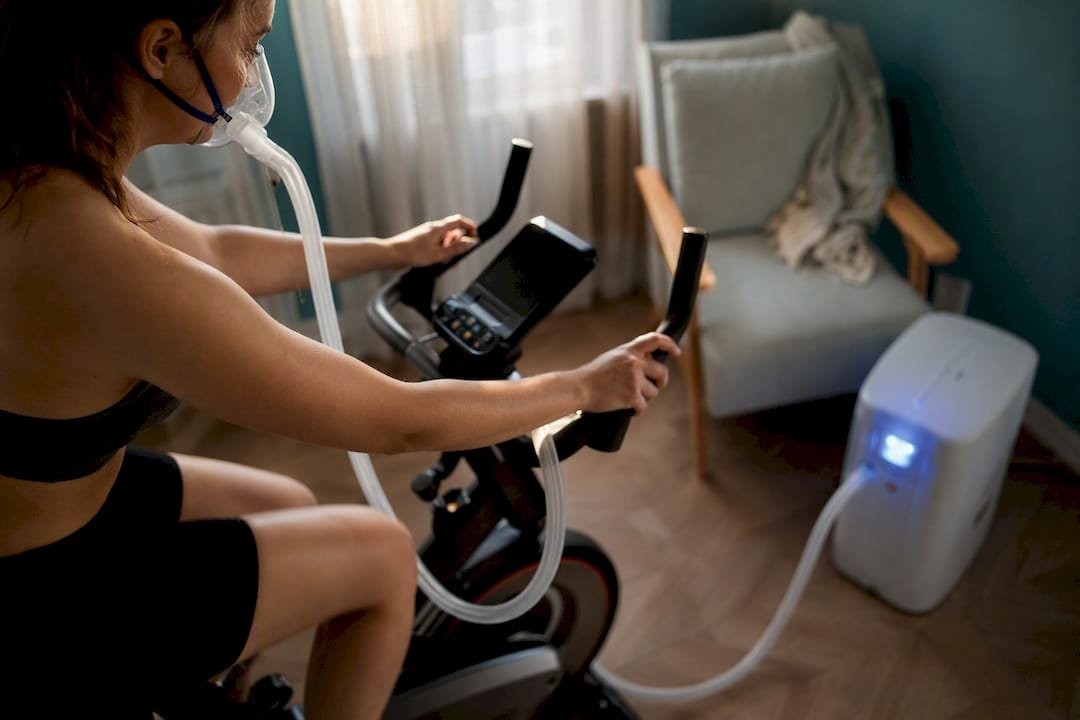
A standard EWOT session runs around 15 minutes of cardio while breathing 90 to 95% oxygen through a mask connected to a reservoir bag, a protocol format echoed across most practitioner guides. Frequency varies by goal: some people attend three times a week for general wellness, while athletes in a focused block may go closer to five or six sessions.
- Deconditioned or chronically ill clients often start with a passive protocol, sitting and breathing oxygen with light heat exposure before progressing to full exercise
- A tight mask seal and a pre-filled reservoir bag matter more than people expect, since a poor seal in the first few minutes cuts the oxygen concentration you’re actually breathing
- Combining EWOT with other circulation-focused therapies on the same day is common practice at wellness centres
Pro Tip: If you’re new to EWOT and feel lightheaded early in a session, that’s usually a sign to ease the pace, not push through it. Ramping up gradually avoids the “too much, too fast” response some sensitive clients experience.
What do clinical studies actually say about EWOT?
The honest picture: EWOT rests on strong mechanistic ground but thinner direct clinical proof. A systematic review pooling 12 trials, most in COPD patients, found supplemental oxygen during exercise improved short-term exercise tolerance and adherence but showed no statistically significant advantage for long-term fitness or well-being outcomes.
The pooled data showed no clear between-group difference in long-term physical fitness or patient-reported well-being (no statistically significant difference observed), yet supplemental oxygen still improved exercise tolerance and adherence in the populations studied.
Separate mechanistic research backs the acute side convincingly: maintained arterial saturation, reduced perceived exertion, and better muscle and cerebral oxygenation during exercise are consistently observed. The fair summary is that EWOT’s session-by-session physiological effects are well supported; its long-term superiority over standard training for fitness outcomes is not yet proven in dedicated trials.
How does Live5D Health deliver EWOT sessions?
Live5D Health runs EWOT sessions from its wellness centre in Boyle, alongside complementary therapies designed to support circulation and recovery.
- New clients typically start with a brief assessment covering fitness level, medical history, and any contraindications
- Sensitive or deconditioned clients begin with a gentler ramp-up before progressing to standard 15-minute active sessions
- Sessions can be paired with other on-site therapies such as red light or PEMF for a broader recovery approach
- The centre’s approach reflects the wider oxygen-therapy differences covered in how oxygen therapy differs by type
What are the risks of EWOT for different people?
EWOT is low-risk for most healthy adults when delivered with proper screening, but risk profiles shift depending on who’s doing it. Older adults and people with cardiovascular conditions face a slightly higher chance of dizziness or transient blood pressure changes during the exercise component, simply because exertion itself carries more risk for these groups regardless of the oxygen element. This is why a screening conversation before the first session, covering blood pressure, heart rhythm history, and current medication, matters more than the oxygen concentration itself.
People with respiratory conditions such as COPD generally tolerate EWOT well and are often the group most likely to benefit, but they should have medical input on session intensity, since oxygen therapy overviews from clinical sources note that oxygen dosing in respiratory disease needs individual calibration rather than a one-size protocol.
Pregnant women, people with untreated seizure disorders, and those with a history of fainting during exertion should get clearance before starting, since exercise-induced changes in blood pressure and oxygenation can interact unpredictably with these conditions. People combining EWOT with other physical therapies, such as PEMF, should also check for cumulative effects. PEMF safety guidance is a useful reference point if you’re stacking modalities in the same week.
Mild, short-lived light-headedness in the first few sessions is the most commonly reported adverse experience, usually resolving once the body adjusts to the mask and oxygen flow rate.
How does EWOT compare with HBOT and normal exercise?
EWOT, HBOT, and plain aerobic exercise all raise oxygen delivery, but through different routes, and conflating them leads to mismatched expectations. Ordinary exercise increases cardiac output and circulation but is capped by whatever oxygen is already available in the air you breathe, roughly 21%. EWOT keeps you at normal atmospheric pressure but raises that available oxygen to 90 to 95%, letting the exercise-driven circulation carry far more oxygen than it otherwise could.
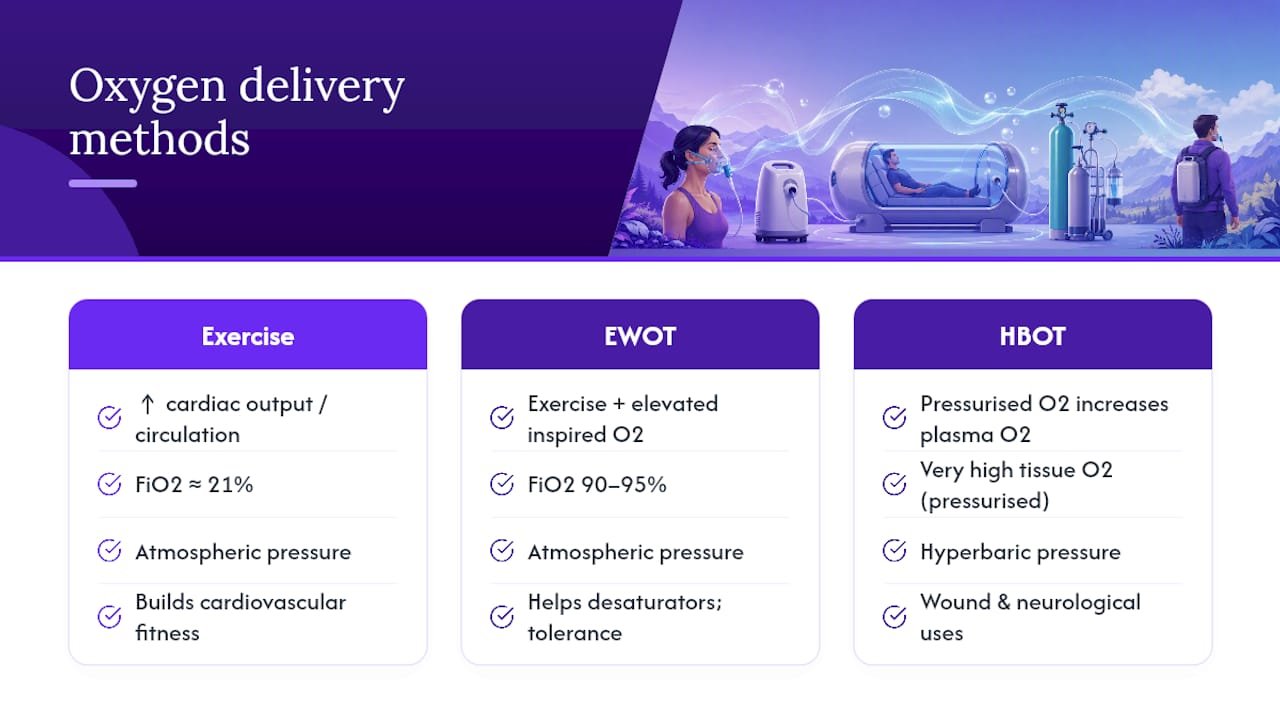
HBOT takes the opposite approach: it uses pressurisation, not exercise, to force oxygen dissolution into plasma, typically while the body is at rest inside a chamber. That makes HBOT better suited to situations needing very high tissue oxygen saturation without physical exertion, such as certain wound-healing or neurological applications explored in hyperbaric therapy for neurological conditions, while EWOT suits people who want the combined benefit of cardiovascular training and elevated oxygen delivery in one session.
Compared with traditional exercise alone, EWOT’s edge is exercise tolerance rather than raw training stimulus. Someone who desaturates quickly during normal cardio, whether from COPD, deconditioning, or age-related aerobic decline, may sustain a longer or higher-intensity session with supplemental oxygen than they could on room air. For an already fit, healthy adult, standard exercise still builds cardiovascular fitness effectively on its own. EWOT there functions more as a recovery or performance-refinement layer than a replacement for training volume, a distinction worth understanding before assuming it will outperform a well-structured training plan.
How should you fit EWOT into an existing routine?
EWOT works best as an addition to an existing training or wellness routine rather than a replacement for either strength work or cardiovascular conditioning. For athletes already following a structured programme, the simplest entry point is swapping one light cardio or active recovery session per week for an EWOT session, using it to support recovery rather than adding fatigue on top of hard training days.
For people newer to structured exercise, or those managing a chronic condition, starting with two sessions a week alongside gentle strength or mobility work tends to work better than adding EWOT to an already demanding schedule. The goal in the early weeks is adaptation, not intensity.
A few practical integration points:
- Pair EWOT with strength training on the same day rather than immediately before a heavy lifting session, since the cardio component can pre-fatigue muscles you’ll need fresh
- If you’re already using other recovery therapies, such as red light or sauna, sequencing EWOT earlier in the day and passive recovery therapies later tends to work better than combining everything in one sitting
- Athletes in a competition block often use EWOT sessions in the days immediately before and after competing, treating it as a bridge therapy rather than a daily habit
- People managing chronic fatigue or long COVID should build up gradually, treating early fatigue after a session as a signal to shorten the next one rather than push through
Consistency over several weeks matters more than any single session’s intensity. The physiological adaptations behind reduced inflammation and improved microcirculation build cumulatively rather than appearing after one visit.
What does EWOT cost, and what equipment do you need?
Setting up EWOT at home requires an oxygen concentrator capable of producing high-percentage oxygen, a reservoir bag, a well-fitted mask, and a way to exercise, typically a stationary bike or treadmill, in the same space. Concentrator-grade equipment suited to EWOT concentrations represents a meaningful upfront cost, and running a home setup safely requires understanding flow rates, mask seals, and appropriate session limits, which is a steep learning curve for a first-time user.
Booking sessions at a wellness centre removes that equipment burden entirely. You get a properly calibrated concentrator, a fitted mask, supervised intensity, and staff who can spot early warning signs like excessive light-headedness, all without the capital outlay or storage space a home unit demands. For most people trying EWOT for the first time, or those with a condition that warrants supervision, a centre-based session is the more accessible and lower-risk route, particularly during the initial ramp-up period.
Accessibility also depends on location and how EWOT fits alongside other therapies you might already use. A centre offering EWOT alongside complementary recovery options, such as the facilities detailed at Live5D Health’s spa and recovery amenities, lets you combine a session with sauna, cold plunge, or massage in the same visit, which is difficult to replicate with a home setup alone.
What the evidence really tells us about EWOT
The conventional pitch for EWOT often oversells it as a universal performance and anti-ageing fix. The research doesn’t support that framing, and pretending otherwise does readers a disservice. What it does support is more interesting: EWOT is a genuinely effective way to let compromised systems, whether that’s a COPD patient’s lungs or an ageing adult’s declining aerobic capacity, exercise at an intensity they otherwise couldn’t sustain.
That’s the real value, and it’s easy to miss if you’re chasing the athletic-performance headline instead. A fit 30-year-old runner will feel something during a session, but the physiology suggests the bigger win goes to the person who currently can’t complete a brisk walk without stopping. Prioritise honesty about which category you fall into before deciding how much to expect.
Where most guides fall short is treating EWOT as interchangeable with HBOT or ordinary cardio. It isn’t. It’s a distinct tool with a distinct mechanism, and it works best layered into an existing routine rather than pitched as a replacement for either strength training or medical oxygen therapy. Start with an honest assessment of your baseline oxygenation and go from there.
— Mark
Try EWOT at Live5D Health in Boyle
Live5D Health gives you supervised EWOT sessions without the cost, learning curve, or safety guesswork of setting up a home oxygen concentrator yourself. You get a properly fitted mask, calibrated oxygen flow, and staff trained to spot early warning signs, plus the option to pair your session with sauna, steam, or cold plunge recovery on the same visit.

This matters most if you fall into one of the higher-benefit groups this article covered: older adults, people with circulatory limits, or anyone recovering from chronic fatigue, since supervised ramp-up reduces the risk of overdoing an early session. If you’re also managing recovery through supplements, Live5D Health’s magnesium supplement range supports the same mitochondrial and circulatory pathways EWOT targets. Book an assessment at the Boyle wellness centre to find out which protocol fits your starting point.
Sources
- Exercise with supplemental oxygen: a systematic review (Journal article on PMC)
- MDPI review on supplemental oxygen mechanisms during exercise
- Cleveland Clinic: Oxygen therapy overview