
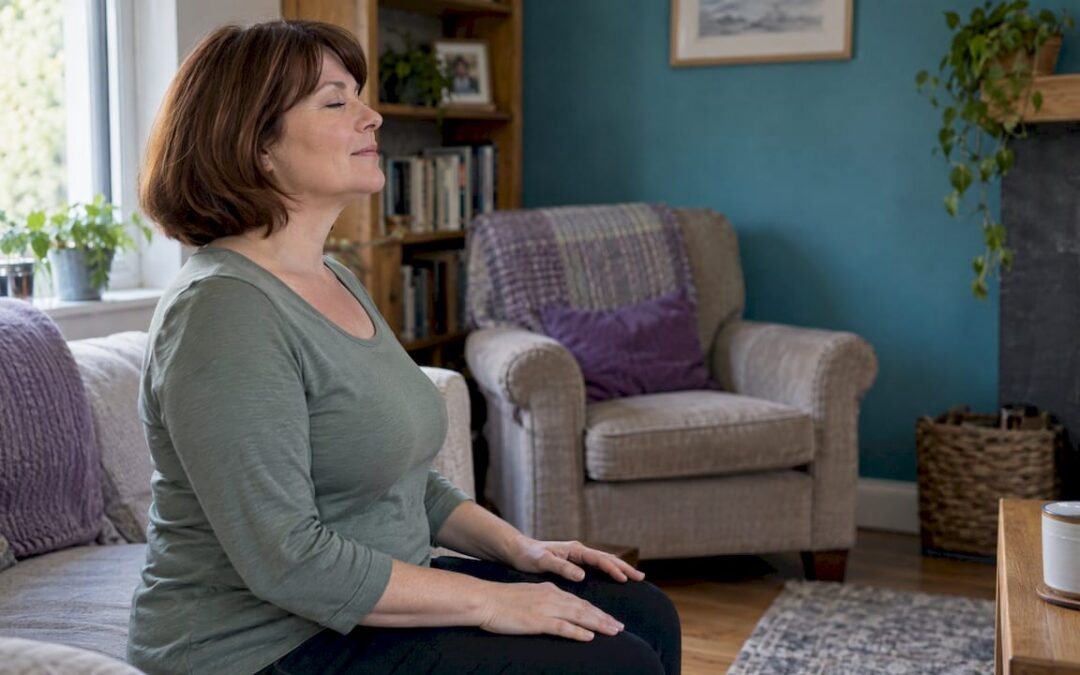
Lymphoedema self-care comes down to four daily habits: protecting your skin, wearing the compression your specialist prescribes, moving your body in gentle, steady ways, and, if you have been taught it, doing self-lymphatic drainage. None of it cures lymphoedema, but done consistently it helps keep swelling steady and keeps you in control. This guide walks you through each habit as Irish health services describe it, so you know what to do at home, what to leave to a qualified specialist and when to pick up the phone. At Live5dhealth in Boyle, Co. Roscommon, we support women over 40 and people living with and after cancer who want a calm, encouraging way to look after their whole health, and a good self-care routine is the foundation of that.
TL;DR
- Lymphoedema is managed, not cured. The HSE describes treatment as compression, skin care, exercise and manual lymphatic drainage, with self-care carrying the long-term work.
- Look after your skin every day: wash gently, dry thoroughly, moisturise, wear gloves for gardening and clean any cut straight away.
- Start exercise slowly, build up gradually and check with your therapist before adding weights or resistance.
- Only a qualified lymphoedema specialist should perform full manual lymphatic drainage. At home, you do a lighter self-massage that they have shown you, and never when you are unwell or have an infection.
- Call your GP, cancer team or lymphoedema service if swelling changes, or if you notice redness, heat, pain or fever.
Table of Contents
- What lymphoedema self-care actually means
- The four parts of a self-care routine
- Skin care: your first line of protection
- Lymphoedema exercises: gentle, steady and gradual
- Lymphatic drainage massage: what you can do at home
- Signs to act on and who to call
- Where hyperbaric oxygen therapy fits
- Perspective
- Making your routine easier to keep
- FAQ
- Sources
What lymphoedema self-care actually means
Lymphoedema is a build-up of lymph fluid in the tissues, which causes swelling, most often in an arm or leg. It can follow cancer surgery or radiotherapy, when lymph nodes have been removed or damaged. The Irish Cancer Society explains that it can develop months or even years after cancer treatment, which is why ongoing awareness matters, not just attention in the first weeks.
The HSE’s patient page on lymphoedema treatment describes decongestive lymphatic therapy (DLT) as not a cure but a treatment that can improve symptoms. It has four parts: compression bandages, skin care, exercises and manual lymphatic drainage (MLD, a specialised gentle massage that encourages fluid to move out of a swollen area). Where there is significant swelling, daily treatment for two to three weeks may be used to reduce the size of the affected area. After that, maintenance may include compression garments, skin care, exercises and self-massage.
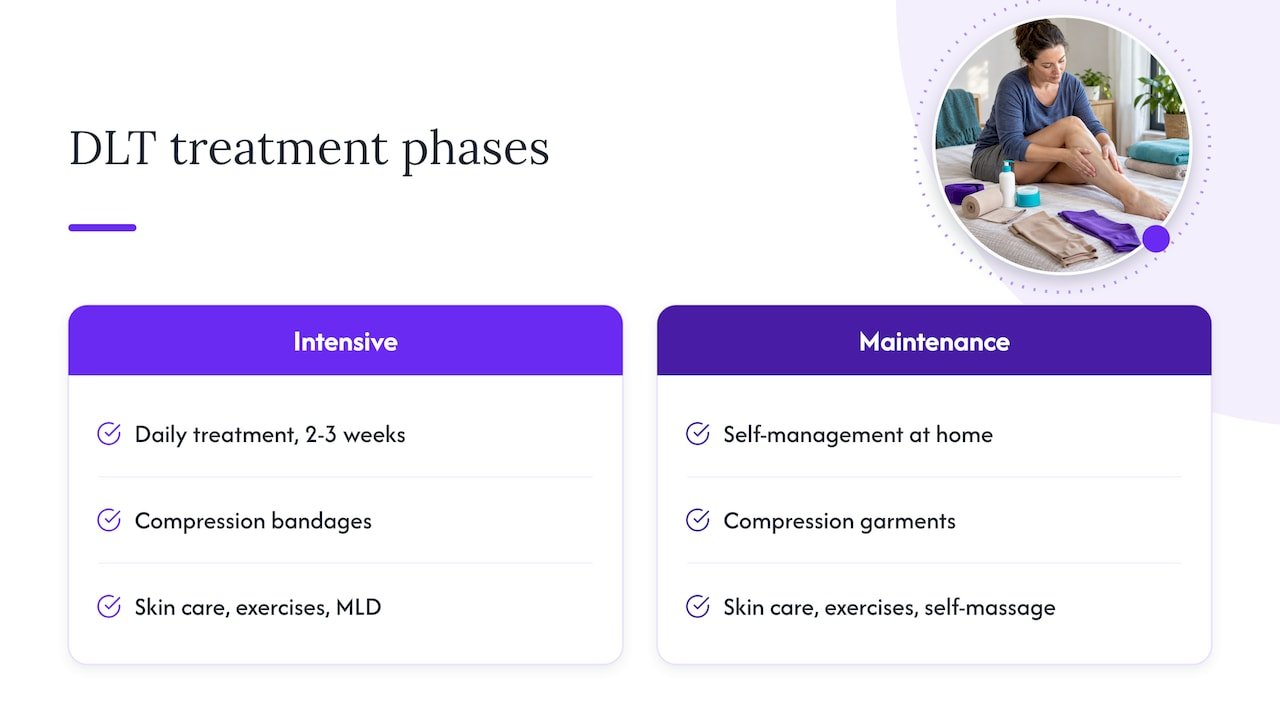
That second phase is where you take over. St James’s Hospital’s physiotherapy oncology team describe an intensive phase of education, skin care, exercise, measurements and garment prescription, followed by a maintenance phase with a strong emphasis on self-management. In other words, the clinic gets you started and you keep the progress going at home.
If you are not sure what lymphoedema is or whether you are at risk, our guide to lymphoedema after cancer is a good place to begin.
The four parts of a self-care routine
It helps to see your routine as four habits that work together. A clear overview of lymphatic compression therapy shows how the components of treatment fit together and why each one supports the others. For the Irish picture, here is how each habit looks day to day.
| Habit | What it involves | Who guides it |
|---|---|---|
| Compression | Wearing the sleeve, stocking or bandages you have been fitted for | Your lymphoedema specialist |
| Skin care | Cleansing, drying, moisturising and protecting from cuts | You, with advice from your specialist |
| Exercise | Gentle, gradual movement and breathing exercises | You, with your physiotherapist or therapist |
| Self-lymphatic drainage | A light self-massage routine | You, once a specialist has taught you |
The HSE’s lower body lymphoedema booklet advises wearing your compression garment all day, taking it off at night unless your specialist tells you otherwise. Garments are measured and prescribed for you, so ask your specialist before changing anything about the type or the hours you wear it.
Skin care: your first line of protection
Part of the lymphatic system runs just under the skin. The Irish Cancer Society notes that this is why daily moisturising matters: dry or broken skin can lead to infection, and infection can make swelling worse. The HSE lymphoedema guidelines also state that avoiding skin infection is potentially protective against lymphoedema, and that in the maintenance phase you must be able to notice skin changes yourself because you see healthcare providers less often.
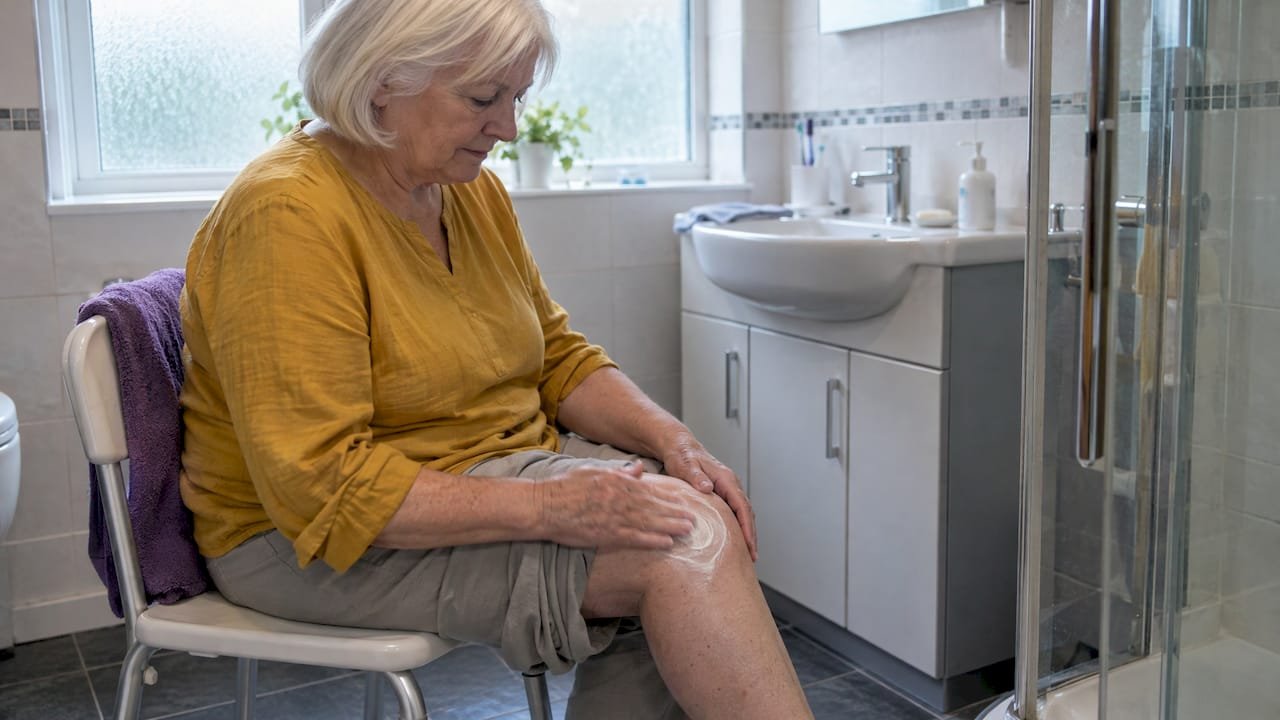
A simple daily skin routine
The HSE upper-body lymphoedema booklet and the HSE treatment page give a clear routine:
- Wash daily in warm water with a gentle, low-pH cleansing product.
- Dry thoroughly, including skin creases and between the fingers or toes.
- Moisturise every day with a non-perfumed, low-pH moisturiser from a pump or tube rather than a tub. The booklet suggests applying it before bed.
- Check your skin each day for changes in colour, texture or warmth.
Everyday protection
The HSE head and neck lymphoedema leaflet and the Irish Cancer Society offer practical habits worth building in:
- Wear gloves for gardening, housework and when using the oven.
- Keep antiseptic cream and a first aid kit to hand, and clean any cut or graze straight away with clean water and antiseptic cream.
- Consider an electric razor rather than a bladed one.
- Avoid walking barefoot.
- Where possible, avoid injections or blood tests on the affected limb, and have your blood pressure taken on the other arm.
- Avoid tight jewellery or clothing that leaves marks on the affected side.
- Seek medical help for burns, sunburn or insect bites.
These small habits cost nothing and protect you every day. A first aid kit by the back door and gloves in the garden shed are the sort of thing you set up once and then forget about.
Lymphoedema exercises: gentle, steady and gradual
Exercise is one of the most searched parts of self-care, and for good reason. The HSE explains that exercise works the muscles and increases lymph flow away from swollen areas, and that deep breathing added to your daily routine improves circulation and helps get lymph fluid moving.
Gentle movements to start with
The Irish Cancer Society recommends these gentle movements:
- For the arms: slow boxing, rowing or breast-stroke movements, bending and straightening the elbow and wrist, and making a fist then straightening the fingers.
- For the legs: tightening the buttock and thigh muscles for five seconds, bending and straightening the knees, and moving the ankles up and down and in circles.
Warm up and cool down, build up gradually and ask a physiotherapist for advice before you progress.
How much and how often
The HSE head and neck leaflet suggests aiming for 30 minutes of exercise on five to seven days a week, starting slowly and building up. That is a target to work towards, not a place to begin. A few minutes of gentle movement counts.
From the HSE treatment page, the key safety points are:
- Check with your therapist before starting any new activity involving weights or resistance.
- Wear your compression garment or bandages during activity if that is what you have been advised.
- Start slowly, and reduce or stop if the affected area feels tired or uncomfortable.
- Do breathing exercises at the start and end of every session.
- Use your unaffected arm for everyday tasks, or change sides often.
Keeping it going
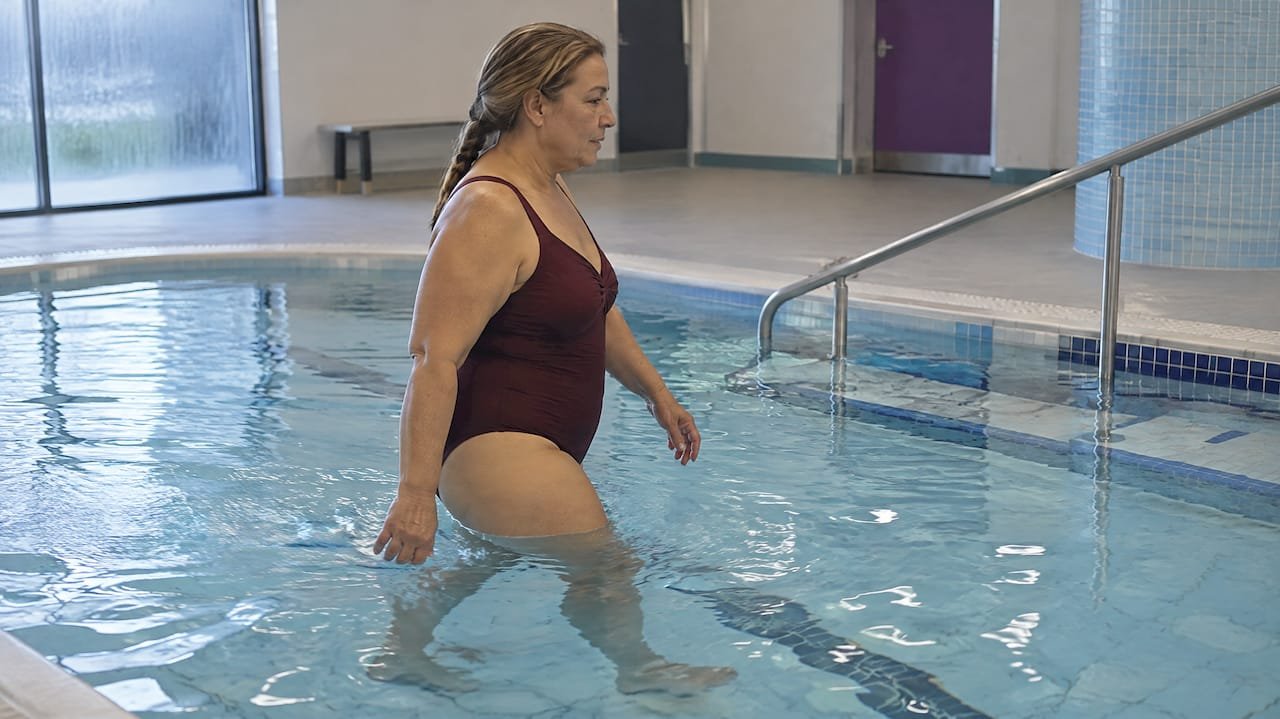
The HSE upper-body booklet suggests joining a class or group, such as a local dragon boat club for women after breast cancer, or asking a friend or neighbour to walk with you. It also points out that water exercise is helpful because buoyancy takes weight off a heavy limb.
If you are over 40 and wondering how to bring strength work back into your week safely, our 8 to 12 week strength plan for menopause is useful background. If you have lymphoedema or are at risk, agree any resistance work with your therapist first, as the HSE advises. Our guide to functional fitness for women explains everyday movement patterns in plain language.
Lymphatic drainage massage: what you can do at home
People often search for manual lymphatic drainage techniques or lymphoedema massage expecting a set of strokes to copy from a video. The HSE draws a clear line. In its upper-body booklet, only a qualified lymphoedema specialist should perform MLD. What you do at home is self-lymphatic drainage (SLD), a lighter routine your specialist shows you in person.
The HSE’s guidance for SLD at home
- Do it daily, for about 15 to 20 minutes.
- Work on bare skin, without cream or oil. Talcum powder is allowed.
- Start with the areas where the lymph nodes are working well, then move towards the swollen area.
- Wear your compression sleeve during the preliminary massage, but remove it for the swollen arm itself.
- Keep the pressure very light. The massage must not cause redness, discomfort or pain.
- Never do it if you feel unwell or have an infection.
- Tell your specialist if any new medical issue arises.
A light touch with the flat of the hand, not the fingertips, is the idea. Pressing harder does not move more fluid, and it can irritate the skin.
When massage helps and when it needs care
Massage is not right for every person or every moment. For a fuller picture, read when lymphatic drainage massage helps lymphoedema, and our practical guide to lymphatic massage in Ireland explains how to find qualified support. If the skin over a surgical area is still healing, read why scar tissue massage starts with a fully closed wound before touching it.
Signs to act on and who to call
Self-care works best alongside regular contact with your care team. Contact your GP, cancer team or lymphoedema service promptly if you notice:
- Swelling that is new, larger or heavier than usual.
- Redness, heat, pain or a rash on the swollen limb, or a fever. The HSE guidelines note that skin infections need urgent medical care because of the risk of cellulitis.
- A garment that has become too tight or too loose.
- Any new symptom during a course of MLD or SLD.
The HSE head and neck leaflet says risk is highest in the first one to three years after cancer treatment ends, and that spotting lymphoedema early makes it easier to manage and may even reverse it. If you are in that window, do not wait to see whether swelling settles by itself.
St James’s Hospital’s service in Dublin treats lymphoedema in two phases, and the HSE’s 2022 guidelines say at least six months of conservative therapy should be carried out before any surgery is considered. Ask your GP or oncology team for a referral to a lymphoedema service if you do not already have one.
Where hyperbaric oxygen therapy fits
Many of our visitors searching for hyperbaric oxygen therapy are living with or recovering from cancer treatment. Your lymphoedema routine of compression, skin care, exercise and self-massage is the foundation set out by Irish health services, and it stays the foundation whatever else you add to your week. Hyperbaric oxygen therapy is a separate session in which you breathe oxygen in a pressurised chamber. If you are curious, our guide on how HBOT supports cancer treatment explains it in plain terms, and you should talk to your oncology team before booking any new therapy during or after cancer treatment.
Perspective
Many women tell us the hardest part of lymphoedema is not the swelling itself but the daily discipline of looking after it. Skin care, garments, movement and gentle massage can feel like a second job, especially while you are also recovering from cancer treatment or adjusting to life after forty.
Our view is that a routine you can keep is worth more than a perfect one. Start with the habits the HSE sets out and make them part of your day, at the same time each morning or evening. Then give yourself surroundings that make looking after your body feel like care rather than a chore.
That is why we built Live5dhealth in Boyle around a holistic approach, combining modern technology with ancient wisdom, with clean energised water throughout the facility and spaces to unwind. Your lymphoedema specialist leads your clinical care, and we are here for the rest of your wellbeing: rest, movement, relaxation and community.
Mark
Making your routine easier to keep
Our Boyle wellness centre offers holistic massage therapy, a luxury sauna, steam room and cold plunge spa, a gym and 3, 5 and 10-day wellness retreats. If you would like time to rest and recharge alongside the routine your specialist has set, you can explore our wellness retreats or our spa day, which costs €30. Bringing a friend can make it more fun, and we also take group bookings.
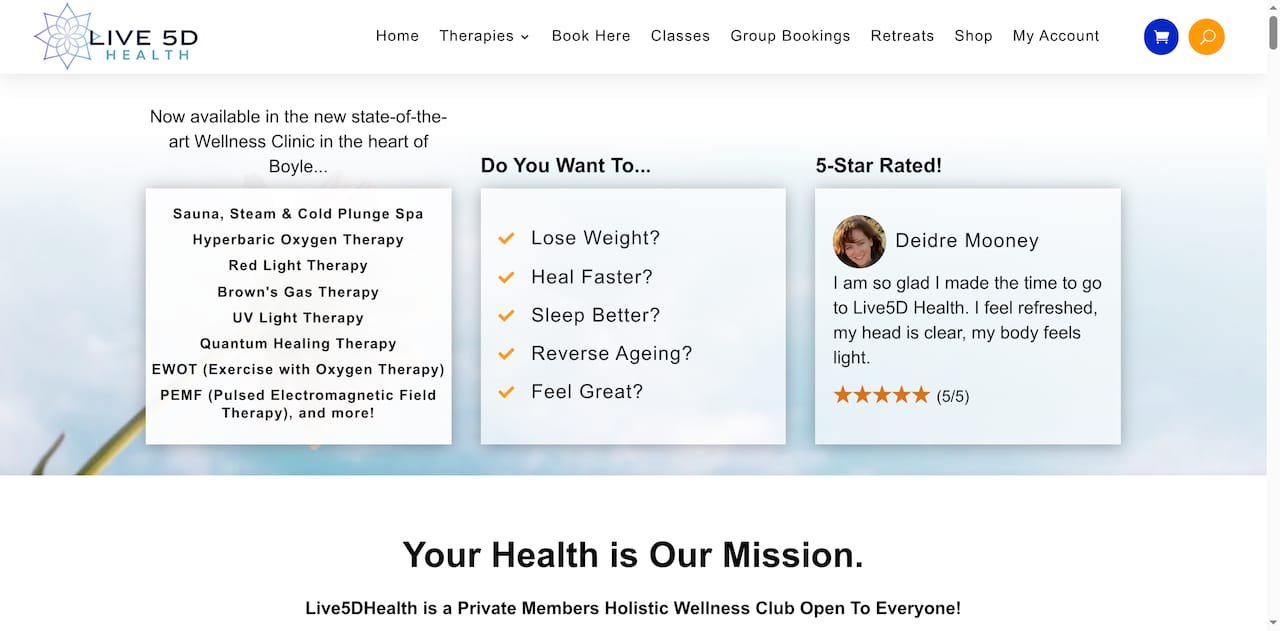
We welcome women over 40 and people at every stage of their cancer journey. Visit Live5dhealth to see everything on offer and book your visit.
FAQ
Can I cure lymphoedema with self-care?
No. The HSE describes lymphoedema treatment as improving symptoms rather than curing the condition. Consistent self-care, with compression, skin care, exercise and self-massage, helps you manage swelling over the long term. Your specialist can tell you what to expect in your own case.
Is it safe to do lymphatic drainage massage on myself?
Only a qualified lymphoedema specialist should perform full MLD. At home you can do self-lymphatic drainage once you have been shown it, using very light pressure on bare skin for 15 to 20 minutes a day. Stop and speak to your specialist if it causes redness, discomfort or pain, and never do it if you feel unwell or have an infection.
What exercises are best for lymphoedema?
The Irish Cancer Society suggests gentle movements such as slow rowing or boxing motions, elbow and wrist bends, and making a fist for the arms, and thigh tightening, knee bends and ankle circles for the legs. Warm up, build up slowly and check with your therapist before adding weights or resistance.
How often should I look after my skin?
Every day. Wash in warm water, dry carefully, moisturise daily with a non-perfumed low-pH product, and check for changes. Clean any cut or graze straight away, and seek medical help for burns, sunburn or insect bites.
Sources
- Treatment for lymphoedema, HSE
- Lymphoedema, Irish Cancer Society
- Physiotherapy Oncology, St James’s Hospital
- Lymphoedema Guidelines, HSE 2022
- Information Booklet, upper body lymphoedema, HSE
- Risk of Head & Neck Lymphoedema, HSE leaflet 2023