
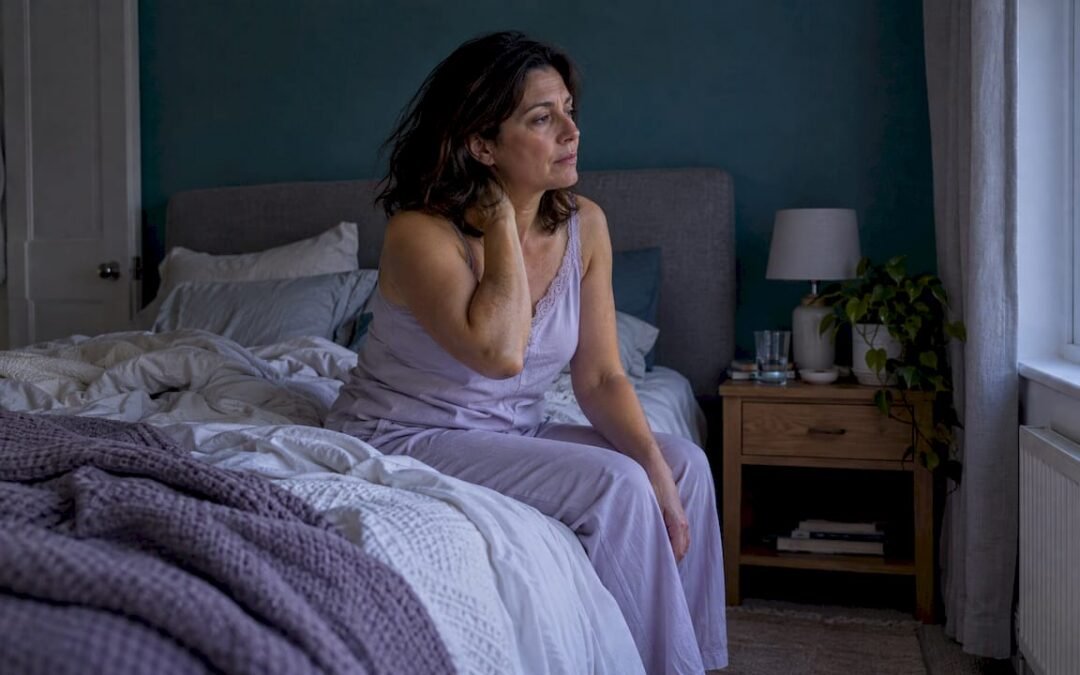
If you are over 40 and suddenly waking at 3 a.m., you are far from alone, and there are practical steps that help. Sleep disturbance affects 40% to 60% of women during the menopause transition and after, and it usually has more than one cause. The best results come from working out which causes apply to you: night sweats, stress, habits, a sleep disorder, or a mix. Then you combine a steady evening routine, a cool bedroom, calming recovery time and, where needed, medical support from your GP. At Live5dhealth in Boyle, Co. Roscommon, we see this as a whole-body picture, and this guide gives you the evidence first.
TL;DR
- Waking in the night and struggling to drop off again is the most common sleep complaint in perimenopause, and it is common, not a personal failing.
- Hot flushes and night sweats are a major driver, but not the only one: stress, mood, health conditions and sleep disorders also play a part.
- A cool, dark bedroom, regular sleep and wake times, and a 60 to 90 minute wind-down are the Irish public guidance starting point.
- Cognitive behavioural therapy for insomnia (CBT-I) and, for some women, hormone replacement therapy (HRT) have research support. Talk to your GP, and if you have had cancer, to your oncology team first.
- Heat, cold and light therapies can sit in your evening or weekly routine as a way to unwind. Our spa day is €30.
Table of Contents
- What happens to sleep in perimenopause
- Why you are waking: the main causes
- Why it matters beyond feeling tired
- Your evening routine: the Irish guidance
- Treatments that have research behind them
- Heat, cold and light: recovery that can fit your routine
- A simple two-week plan
- Try our spa and therapies in Boyle
- Our perspective
- FAQ
- Sources
What happens to sleep in perimenopause
Perimenopause is the run-up to your final period, when hormone levels fluctuate. The menopausal transition most often begins between ages 45 and 55 and can last 7 to 14 years, so sleep changes can arrive early and stay a while.
The SWAN study, a long-running US study following women through midlife, reports that difficulty staying asleep is the most common sleep complaint in perimenopause and may carry on after menopause. Early waking can worsen during perimenopause and often eases afterwards. The same fact sheet notes that sleep trouble can happen even without hot flushes, and that some women’s brain sleep becomes lighter and more active.
In practice that often looks like this:
- You fall asleep fine, then wake at 2 or 3 a.m.
- You lie awake for an hour, doing sums about tomorrow.
- You wake before your alarm, unrefreshed.
- You feel wired and tired at the same time.
One 2025 review found that middle-of-the-night waking and difficulty getting back to sleep were among the most bothersome complaints in the menopause transition.
Why you are waking: the main causes
Hot flushes and night sweats
Hot flushes (sudden waves of heat) and night sweats are the best-known culprits. An Irish menopause resource describes intense heat followed by sweating, shivering or palpitations that can break up your sleep. The same resource describes a cycle where poor sleep increases worry about sleep, which makes falling asleep harder.
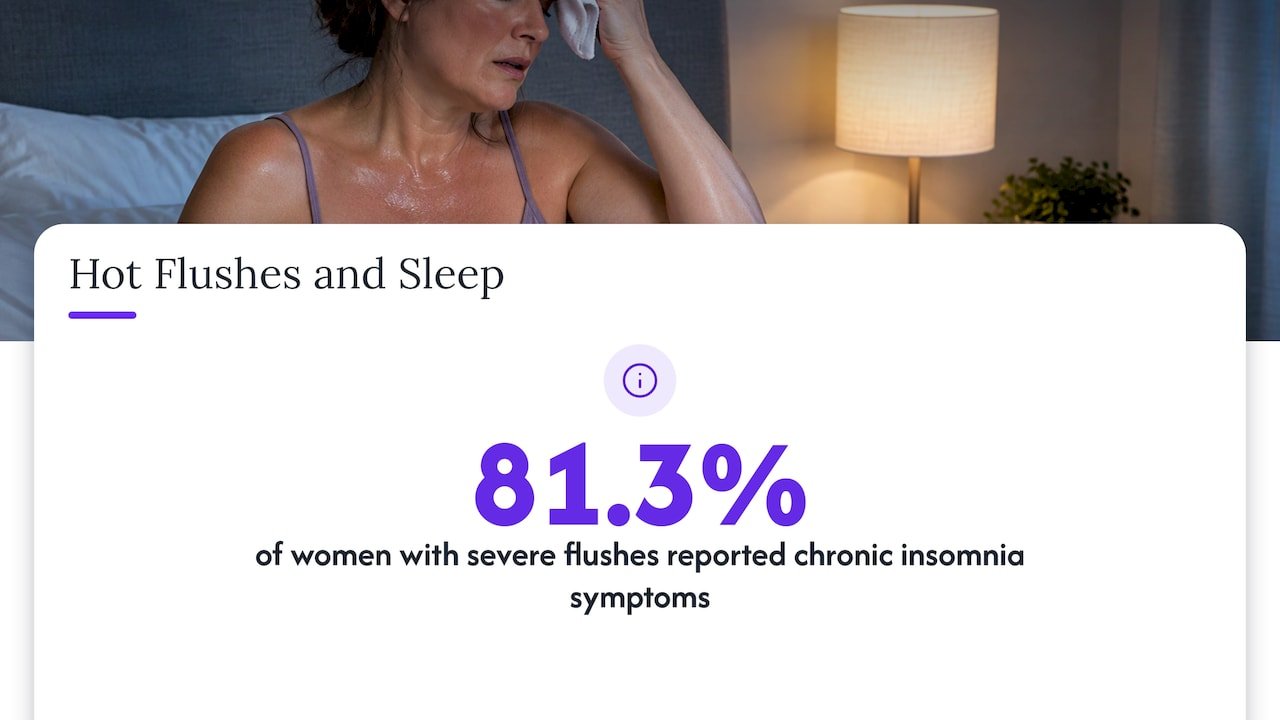
The link is strong. A large study in JAMA Internal Medicine found symptoms of chronic insomnia in 81.3% of women reporting severe hot flushes. A later review adds a useful nuance: hot flushes are strongly associated with poor sleep, but not every flush wakes you and not every wake-up is caused by a flush.
Several causes at once
The 2025 “Sleep and menopause” review names vasomotor symptoms (the medical term for hot flushes and night sweats) as the main menopause-specific driver, but also lists hormone changes, depression, stress, perceived poor health and sleep disorders. An earlier review adds sleep-related breathing or movement disorders, age, your environment and behaviours.
The British Menopause Society’s 2026 clinician tool says sleep disturbance in the transition is multifactorial and recommends assessment rather than assuming everything is due to hot flushes. That is a helpful way to think about your own nights: look at the whole picture.
Other factors worth a thought include:
- Stress and anxiety. Racing thoughts at 3 a.m. are common. Our article on why anxiety increases in menopause explains the link.
- Attention and focus differences. Some women find their symptoms shift in midlife; this piece on ADHD and menopause symptoms looks at why.
- Snoring or gasping. The SWAN fact sheet advises talking to a doctor if you snore or wake gasping, because these can signal sleep apnoea.
- Pain and general health. The JAMA study also linked chronic insomnia with poor health, chronic pain and sleep apnoea.
Why it matters beyond feeling tired
A review in the Journal of Clinical Sleep Medicine reports that 26% of women in the transition have severe sleep symptoms that affect daytime functioning at a level consistent with insomnia. A 2023 review adds that persistent, distressing sleep problems can harm daytime functioning and productivity and may raise mental and physical health risks.
That is the reason to treat sleep as a priority and not something to push through. Rest also connects to other midlife concerns, including cardiovascular risk at menopause.
Your evening routine: the Irish guidance
The public health advice is simple, and it works best when you do all of it for a couple of weeks rather than picking one item.
Set up the bedroom
The Irish resource recommends a cool, dark, quiet bedroom, lighter adjustable bedding, and regular sleep and wake times. Galway’s 2026 perimenopause toolkit also points to a cool, ventilated, dark and quiet room. Layered cotton or linen bedding is easy to throw off when a flush hits.
If perimenopause has made your periods heavier or less predictable, practical night-time protection can also protect your sleep. This guide to night-time period leaks covers the options.
Build a wind-down
The HSE advises a wind-down routine and putting phones and tablets away. The Irish menopause resource suggests a calming routine of 60 to 90 minutes before bed. Galway’s toolkit lists deep breathing, progressive muscle relaxation, journaling and guided imagery as relaxation techniques.
A sample evening:
- 8.30 p.m.: finish screens and tidy tomorrow’s to-do list on paper.
- 9.00 p.m.: warm shower, dim lights.
- 9.20 p.m.: five minutes of slow breathing or a body scan.
- 9.40 p.m.: a few lines in a journal, then a book.
- 10.00 p.m.: lights out, at the same time each night.
Watch food, drink and timing
The HSE recommends finishing exercise two hours before bedtime and having your last large meal at least two hours before bed. The Irish menopause resource advises avoiding caffeine and nicotine for at least four hours before sleep, leaving a few hours between alcohol and bed, and avoiding daytime naps where possible. If you need one, keep it to 20 minutes and before 3 p.m.
If you wake at 3 a.m.
The same resource suggests a calm, consistent routine after waking with night sweats, rather than becoming preoccupied with lost sleep. Keep the lights low, cool down, change your top if needed and return to your breathing. Clock-watching feeds the worry cycle.
Treatments that have research behind them
CBT for insomnia
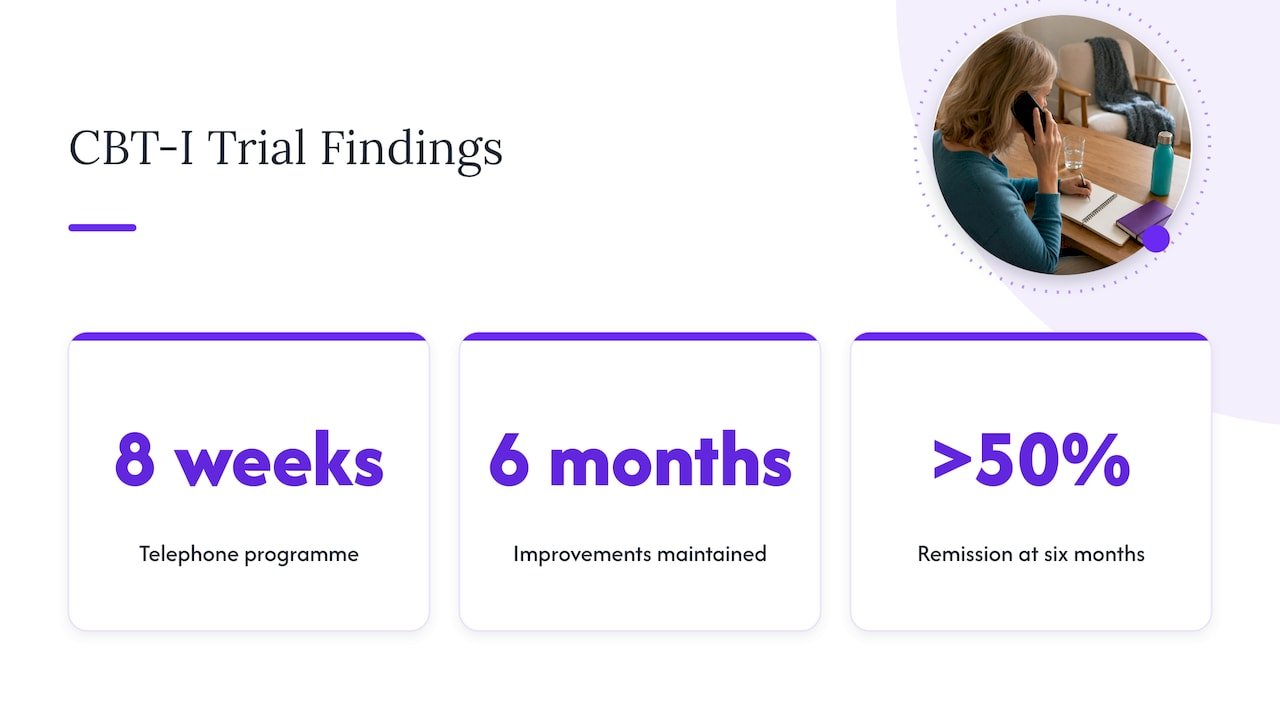
CBT-I is a structured programme that changes the thoughts and habits that keep insomnia going. A 2023 review reports it has been effective in trials among peri- and postmenopausal women. One eight-week telephone programme reduced insomnia symptoms and the way hot flushes interfered with sleep, with improvements maintained at six months. The review also notes CBT-I can improve daytime function, quality of life and work performance, with remission rates above 50% at six months in one trial.
The BMS tool says menopause-specific CBT can be considered for sleep disturbance, including night waking linked to hot flushes, alongside HRT or as an alternative when HRT is contraindicated or not wanted.
Hormone replacement therapy
The 2023 review says hormone therapy can alleviate sleep disturbance, particularly when disruptive hot flushes are present. The BMS says HRT may improve sleep by relieving hot flushes and other symptoms, and may help independently when insomnia is clearly tied to the transition.
Whether HRT suits you is a decision for you and your GP, based on your personal and family history. If you have had cancer, are in treatment, or are in follow-up, speak to your oncologist or GP before starting HRT, sleep medication or any new therapy or supplement. Your team knows which options are appropriate for your situation.
When to see your GP
The Irish resource says chronic sleep disruption warrants medical support. Book an appointment if poor sleep has lasted weeks, affects your work or mood, or comes with snoring, gasping, low mood or severe night sweats. For tips on easing flushes themselves, see our guide to natural remedies for hot flushes.
Heat, cold and light: recovery that can fit your routine
Once the basics are in place, many women like to add a deliberate unwinding ritual. We have written evidence-led guides on several, so you can read before you decide:
- Sauna before bed: whether it helps you sleep, and when to do it. Our wider piece on sauna therapy for menopause symptoms covers what the research says.
- Cold plunge for sleep: when to do it and how it fits your day.
- Red light for sleep: a gentle evening option to consider.
- PEMF for sleep: an evidence-first trial plan over two to four weeks.
Timing matters. The HSE advice about finishing exercise two hours before bed is a good reminder to schedule energising activity earlier, and keep the evening for calmer sessions. These therapies are a complement to the routine above, medical advice and your own judgement, and they should never replace a conversation with your GP about persistent sleep problems.
A simple two-week plan
Choose one change from each group and track your nights in a notebook.
| Area | What to try | Source of the advice |
|---|---|---|
| Bedroom | Cool, dark, quiet; lighter bedding | Irish menopause resource, Galway toolkit |
| Timing | Same sleep and wake time daily | Irish menopause resource |
| Evening | 60 to 90 minute wind-down, no screens | HSE, Irish menopause resource |
| Food and drink | Last large meal two hours before bed; caffeine four hours before | HSE, Irish menopause resource |
| Mind | Breathing, journaling or muscle relaxation | Galway toolkit |
| Daytime | Exercise, finished two hours before bed; naps under 20 minutes before 3 p.m. | HSE, Irish menopause resource |
After two weeks, look at your notes. If you still wake most nights, take them to your GP. A record of how often you wake, how long you stay awake and whether night sweats are involved makes the conversation much more productive.
Try our spa and therapies in Boyle
If a calm, restorative afternoon is part of your plan, our Sauna, Steam & Cold Plunge Spa is available for €30. Our Red Light Therapy sessions are €20 to €40, and Hyperbaric Oxygen Therapy is €80 to €120. We also offer holistic massage, PEMF, and sound and light therapy, which you can book through our booking page.

If you would like a longer reset away from home, our 3, 5 and 10-day wellness retreats give you time to rest in one place. If you are living with or recovering from cancer, tell us when you book and check with your medical team first about anything new.
Our perspective
Many of the women who come to us are over 40, tired and tired of being told to “just relax”. We understand why. Sleep in perimenopause rarely has a single cause, so we do not think it has a single fix.
What we can offer is a place built for switching off: a luxury sauna, steam room and cold plunge spa, red light therapy, PEMF, holistic massage, and clean energised water throughout the facility. We combine state-of-the-art technology with ancient wisdom, and we want you to leave feeling hopeful about your health.
Pair that with the foundations in this guide, a cool bedroom, a steady routine and your GP’s support, and you give yourself the best chance of getting your nights back. Your best self awaits, and it starts with rest.
Mark
FAQ
Can perimenopause cause insomnia even without hot flushes?
Yes. The SWAN study reports that sleep problems can occur without hot flushes, and one possible explanation is lighter, more active brain sleep. Stress, mood, health conditions and sleep disorders can also contribute. A GP can help you work out which factors apply to you.
How long will my sleep be affected?
It varies. The menopausal transition can last 7 to 14 years, and SWAN reports that difficulty staying asleep can continue after menopause, while early waking often improves. Because poor sleep tends to carry on if it is not addressed, it is worth acting early rather than waiting it out.
What helps most with night sweats and sleep?
A cool, ventilated bedroom, lighter adjustable bedding and a calm routine after waking are the Irish guidance basics. For persistent sweats, ask your GP about HRT or menopause-specific CBT, which the British Menopause Society says can be considered. If you have had cancer, check with your oncology team first.
When should I see a doctor about sleep?
See your GP if poor sleep is chronic, affects your daily life or mood, or comes with loud snoring or waking gasping, which can signal sleep apnoea. Irish menopause guidance says chronic sleep disruption warrants medical support. Bring a two-week sleep diary with you.
Sources
- Sleep and menopause, Menopause journal, 2025
- Women and Menopause policy brief, Eurohealth Ireland, 2023
- Fact Sheet: Sleep during the Menopausal Transition, SWAN, 2023
- Let’s talk about menopause, Irish resource, 2023
- Severe Hot Flashes Are Associated With Chronic Insomnia, JAMA Internal Medicine, 2006
- Sleep problems during the menopausal transition, Journal of Clinical Sleep Medicine, 2018
- Optimizing Sleep across the Menopausal Transition, 2023
- Managing sleep disturbance during the menopause transition, British Menopause Society, 2026
- Sleep problems: tips and self-help, HSE
- Perimenopause Toolkit, Galway, 2026
- ADHD and Menopause: Why Symptoms Shift and What Helps
- How to Stop Period Leaks at Night for Good