

Alternative cancer therapies are treatments used instead of standard medical care, and the medical community is clear that they have not been proven to cure cancer. The recognised term in oncology is “integrative oncology,” which describes evidence-informed approaches used alongside conventional treatment. The distinction between these two categories matters enormously for patient safety and prognosis. Societies including the Society for Integrative Oncology (SIO) and the American Society of Clinical Oncology (ASCO) have published guidelines that help patients and clinicians navigate this space responsibly. This article clarifies the difference, examines the evidence, and gives you practical guidance on incorporating holistic care safely.
What are alternative cancer therapies and why does the distinction matter?
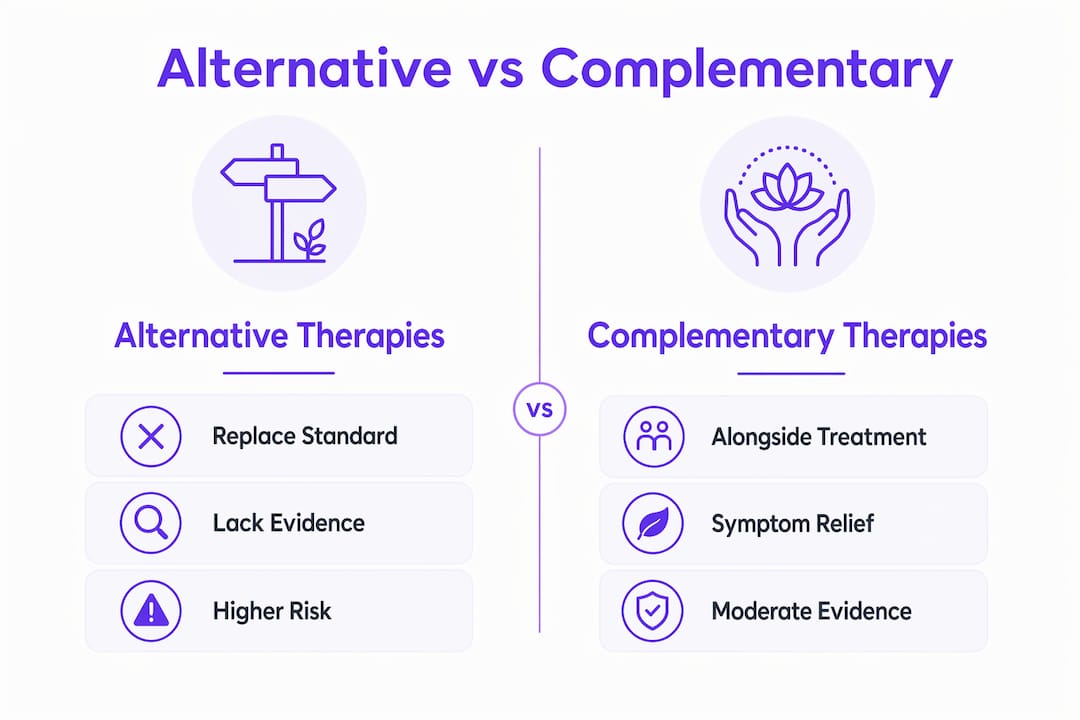
Alternative cancer therapies are defined as treatments chosen in place of standard oncology care such as chemotherapy, surgery, or radiotherapy. Complementary or integrative therapies, by contrast, are used alongside conventional treatment to manage symptoms and improve quality of life. The difference between these approaches is not semantic. It directly affects whether a patient receives life-saving care.
Patients often seek non-conventional cancer therapies because they want a sense of control over their illness. Providers increasingly address this need through evidence-based supportive care rather than dismissing it. The best outcomes arise from a bio-psycho-social model that integrates patient interests in holistic care with oncology guidance. That model only works when patients stay within the conventional treatment framework.

Integrative oncology does not ask you to choose between your values and your health. It asks you to bring both to your oncology team and build a plan together.
What are the risks of using unproven alternative therapies?
The risks of replacing standard cancer care with unproven alternatives are well documented and serious. Untested alternative therapies can delay life-saving treatment, reduce chemotherapy effectiveness, and create significant financial burden without any clinical benefit. Public health authorities advise strongly against using these approaches as primary cancer treatment.
Common alternative methods that lack high-quality evidence include:
- Restrictive diets used as sole treatment (such as extreme raw food or alkaline-only regimens)
- Bioelectromagnetic devices marketed as cancer-fighting tools
- High-dose herbal remedies taken instead of prescribed medication
- Detox protocols promoted as cancer cures without clinical backing
- Pseudoscientific intravenous infusions sold outside regulated medical settings
Many of these therapies vary in popularity by region, but scientific consensus is consistent: relying on them instead of mainstream treatment carries real risk. A patient who delays surgery or chemotherapy by six months while pursuing an unproven regimen may face a significantly worse prognosis.
Pro Tip: If a therapy is marketed with the claim that it “cures” cancer without clinical trial evidence, treat that as a warning sign. Ask your oncologist before starting anything new, including supplements and dietary changes.
Which complementary therapies have evidence behind them?
Evidence-based integrative therapies represent the most responsible path for patients who want holistic support. SIO and ASCO guidelines recommend specific therapies for managing cancer-related symptoms as part of multidisciplinary oncology management. These are not fringe recommendations. They are part of mainstream oncology practice in leading cancer centres.
The following therapies have demonstrated benefit for symptom management:
- Acupuncture — shown to reduce chemotherapy-induced nausea and certain types of cancer-related pain
- Massage therapy — reduces anxiety, muscle tension, and fatigue in people undergoing active treatment
- Yoga and movement-based practices — improve fatigue, mood, and physical function during and after treatment
- Mindfulness-based stress reduction (MBSR) — reduces anxiety and depression in cancer patients
- Hypnosis and supportive psychotherapy — have a weak but positive impact on quality of life, particularly for pain and procedural anxiety
The table below summarises what each therapy addresses and its evidence level:
| Therapy | Primary benefit | Evidence level |
|---|---|---|
| Acupuncture | Pain and nausea relief | Moderate to strong |
| Massage | Anxiety and fatigue reduction | Moderate |
| Yoga | Fatigue and mood improvement | Moderate |
| Mindfulness (MBSR) | Anxiety and depression | Moderate to strong |
| Supportive psychotherapy | Quality of life | Weak to moderate |
None of these therapies claim to treat cancer directly. Their value lies in making conventional treatment more tolerable and improving day-to-day wellbeing. For a detailed look at pain management options that include these approaches, the evidence base is well summarised in integrative oncology literature.
Pro Tip: When choosing a complementary therapy practitioner, ask whether they have experience working with cancer patients and whether they communicate with your oncology team. Both are non-negotiable.
A holistic treatment plan that incorporates these methods works best when it is co-designed with your medical team rather than assembled independently.
How do natural supplements fit into cancer care safely?
Natural does not mean harmless. This is the most important principle in integrative oncology, and it is the one most frequently misunderstood. Some natural supplements can interfere with medication metabolism, potentially reducing the effectiveness of cancer treatment.
The mechanism is specific. Certain supplements alter the cytochrome P450 pathway, a key system the liver uses to process drugs including chemotherapy agents. Clinical oversight is essential when combining any supplement with active cancer treatment. St John’s Wort, high-dose antioxidants, and some herbal extracts are among the most commonly cited examples of supplements that can interfere with treatment.
Key safety principles for supplements in cancer care:
- Disclose everything to your oncology team, including vitamins, minerals, and herbal products
- Avoid high-dose antioxidants during chemotherapy or radiotherapy unless specifically approved
- Choose regulated, evidence-informed products over unregulated over-the-counter supplements
- Check for cytochrome P450 interactions with your pharmacist or oncologist before starting anything new
- Be sceptical of dramatic claims on supplement packaging, particularly those referencing cancer treatment
For those interested in specific supplement categories, understanding safe supplement use under medical supervision is a sensible starting point.
Pro Tip: Bring a written list of every supplement you take to each oncology appointment. Include the dose, brand, and how long you have been taking it. This gives your team the information they need to keep you safe.
How can you integrate holistic approaches responsibly?
Responsible integration of holistic care starts with one principle: complementary therapies support your treatment, they do not replace it. Integrative oncology is a multidisciplinary, proactive model that requires ongoing communication between you and your oncology team.
Practical steps for responsible integration:
- Tell your oncologist first. Before starting any new therapy, supplement, or dietary change, speak with your medical team. This is the single most important step.
- Ask for a multidisciplinary team (MDT) referral. Many cancer centres now include integrative oncology specialists, dietitians, physiotherapists, and psychologists as part of the MDT.
- Evaluate practitioners carefully. Look for qualifications, experience with cancer patients, and willingness to communicate with your oncology team.
- Prioritise lifestyle modifications. Regular physical activity, a balanced diet, adequate sleep, and stress management all have evidence behind them for improving cancer outcomes and treatment tolerance.
- Avoid therapies that require you to stop conventional treatment. Any practitioner who suggests replacing chemotherapy or surgery with their approach should be treated with serious caution.
Early disclosure of any complementary or alternative therapy use to your healthcare providers is critical. Open communication builds trust and improves the quality of your care plan. For those exploring how specific supportive therapies work alongside treatment, the evidence on HBOT and cancer support offers a useful example of how adjunctive approaches are evaluated clinically.
Integrative health care works best as a partnership. You bring your values, preferences, and goals. Your oncology team brings clinical expertise. Together, you build a plan that supports your whole person, not just your diagnosis.
Key takeaways
Integrative oncology, not alternative replacement, is the evidence-based model that improves cancer patient wellbeing while preserving the effectiveness of conventional treatment.
| Point | Details |
|---|---|
| Alternative vs. complementary | Alternative therapies replace standard care; complementary therapies support it alongside conventional treatment. |
| Risks of unproven alternatives | Delaying standard treatment for unproven alternatives can worsen prognosis and reduce treatment effectiveness. |
| Evidence-based integrative options | Acupuncture, massage, yoga, and mindfulness are endorsed by SIO and ASCO for symptom management. |
| Supplement safety | Natural supplements can alter drug metabolism; always disclose use to your oncology team before starting. |
| Communication is the foundation | Open dialogue with your oncology team is the single most important step in safe integrative care. |
What I have learned from watching patients navigate this space
The question I hear most often is not “does this work?” It is “why won’t my doctor talk to me about it?” That gap in communication is where patients get into trouble. They feel dismissed, so they seek answers elsewhere, sometimes from sources that are not equipped to help them.
The hard truth is that the word “alternative” in cancer care carries real danger. Patients who forego proven treatments in favour of unproven regimens do not always get a second chance. I have seen people delay surgery by months pursuing dietary protocols that had no clinical backing. The cancer does not wait.
What I find genuinely encouraging is how much the field of integrative oncology has matured. Acupuncture in a cancer centre is no longer unusual. Mindfulness programmes are offered by oncology departments. Dietitians who specialise in cancer care are part of MDTs. The evidence base is growing, and the conversation between patients and clinicians is improving.
My honest advice: be curious, be open, and be honest with your oncology team about everything you are considering. The therapies that help most are the ones your whole team knows about.
— Mark
Supporting your wellbeing at Live5dhealth
Live5dhealth, based in Boyle, County Roscommon, offers a range of wellness services designed to support your overall wellbeing alongside whatever medical care you are receiving.
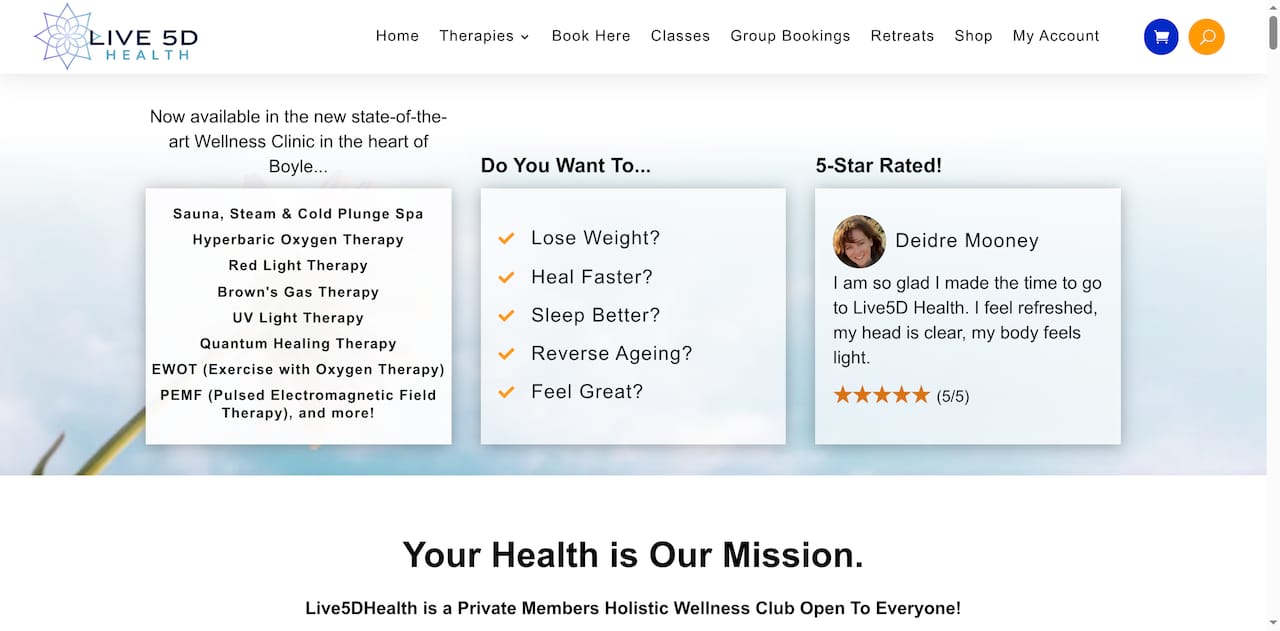
The luxury spa with sauna, steam, and cold plunge at Live5dhealth provides a calm, restorative environment for people managing the physical and emotional demands of illness and recovery. Heat therapy, cold water immersion, and steam sessions are used widely in supportive care settings for relaxation and physical recovery. Live5dhealth also stocks a curated range of evidence-informed supplements through its online shop. Always consult your oncology team before adding any supplement to your routine.
FAQ
What is the difference between alternative and complementary cancer therapies?
Alternative therapies are used instead of standard cancer treatment and lack strong clinical evidence. Complementary therapies are used alongside conventional care to manage symptoms and improve quality of life.
Are any natural cancer treatments proven to work?
No natural remedy has been proven to cure cancer. However, certain complementary methods such as acupuncture, mindfulness, and massage have demonstrated benefit for symptom management when used alongside conventional treatment.
Can supplements interfere with cancer treatment?
Yes. Some supplements alter the cytochrome P450 pathway, which the body uses to process chemotherapy drugs. Always disclose every supplement you take to your oncology team before starting or continuing use.
Which integrative therapies do oncology guidelines recommend?
SIO and ASCO guidelines recommend acupuncture, massage, yoga, and mindfulness-based stress reduction for managing cancer-related symptoms including pain, nausea, fatigue, and anxiety.
Should I tell my doctor about complementary therapies I am using?
Yes, without exception. Early disclosure of any complementary or alternative therapy use is critical to patient safety and allows your oncology team to identify potential interactions and adjust your care plan accordingly.