
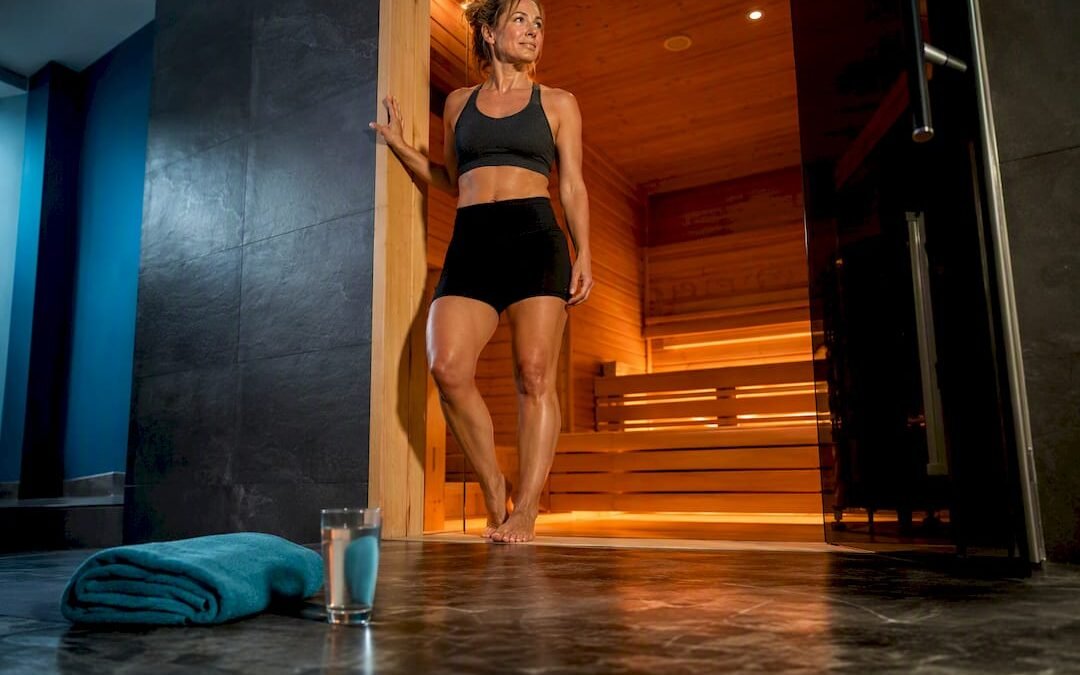
Yes, a short sauna session after exercise can genuinely aid recovery and support cardiovascular health, provided you follow a few non-negotiable safety rules. The evidence points to modest gains in fitness and blood pressure, not miracles. Hydrate well beforehand, keep sessions to roughly 15–20 minutes, and skip it altogether if you feel dehydrated, dizzy, or have a heart condition that hasn’t been cleared by your doctor.
TL;DR:
- Regular sauna use after exercise can improve cardiovascular health by lowering systolic blood pressure by about 8 mmHg over eight weeks, especially with consistent sessions.
- Sauna sessions of 15 to 20 minutes, combined with proper hydration and post-exercise cooling, support circulation, relaxation, and subjective muscle soreness reduction.
- Avoid sauna use if dehydrated, dizzy, or with unapproved heart conditions, and always wait 10–15 minutes after cooling down before entering the sauna.
- Habitual sauna use leads to better heat tolerance and efficiency, but hydration remains essential, with electrolyte intake preferred over plain water.
- Combining sauna, cold plunges, and active recovery methods can optimize overall muscle and cardiovascular recovery, tailored to individual training and health needs.
Table of Contents
- What benefits does a post-workout sauna offer?
- What does the research actually show?
- Should you sauna before or after your workout?
- Safety rules and a practical protocol worth following
- A simple step-by-step post-workout sauna routine
- The expertise behind this advice
- What happens with regular, long-term sauna use?
- How does sauna use compare with ice baths and active recovery?
- Why the usual sauna advice misses the point
- Bring your recovery routine into a properly guided space
- Sources
What benefits does a post-workout sauna offer?
Heat exposure after training does more than help you unwind, though the relaxation alone is worth having. Your muscles have just been through mechanical stress, and the increased blood flow a sauna encourages appears to ease that recovery process in several small studies looking at heat therapy and circulation. You feel your body ease into a different gear as heart rate settles and the nervous system shifts towards a calmer, parasympathetic state, which is part of why so many people sleep better on sauna nights.
Here’s what the research actually supports:
- Reduced perceived muscle soreness and stiffness after intense sessions, though this is subjective recovery, not proof of faster tissue repair.
- Improved circulation, with knock-on effects for cardiovascular conditioning when sauna use becomes a regular habit rather than an occasional treat.
- A genuine mental reset. The heat, quiet, and forced stillness give your nervous system a break most gym-goers never build into their week.
- Temporary weight loss on the scale, which is water lost through sweat, not fat burned. The Harvard Health guidance on saunas is clear that this weight returns as soon as you rehydrate.
None of this makes a sauna a substitute for proper nutrition or sleep. It is a genuine addition to a recovery routine, not a replacement for the basics.
What does the research actually show?
The strongest data point comes from an eight-week randomised controlled trial that added 15-minute sauna sessions after regular exercise. Participants, averaging 49 years old, saw cardiorespiratory fitness rise by 2.7 mL/kg/min and systolic blood pressure fall by 8.0 mmHg compared with exercise alone, according to the multi-arm RCT on sauna bathing and cardiovascular function.
The numbers that matter: an 8-week trial combining exercise with 15-minute post-workout saunas produced a CRF gain of +2.7 mL/kg/min and a systolic blood pressure drop of 8.0 mmHg versus exercise alone.
That is a meaningful cardiovascular signal for a low-effort addition to a training week. The proposed mechanism involves heat shock protein activation and plasma volume expansion, both of which show up in research on heat stress and heat shock proteins as plausible drivers of the endurance gains.
Smaller trials back up the soreness-reduction picture, though sample sizes are typically modest, ranging from a handful of recreational athletes to slightly larger cohorts. Evidence for strength and hypertrophy gains is genuinely mixed. Some studies show no measurable benefit at all for pure muscle-building outcomes. Treat sauna use as a cardiovascular and recovery tool first, and a soreness-management tool second. It isn’t a shortcut to bigger lifts.
Should you sauna before or after your workout?
For most goals, after is the better call. Your muscles are already warm, you have the soreness-reduction window working in your favour, and a sauna afterwards fits naturally into a cool-down routine rather than competing with your training intensity.
That said, timing needs nuance:
- Wait 10–15 minutes post-cool-down before entering. Let your heart rate settle and check that you feel steady, not lightheaded.
- Check hydration first. If you haven’t had fluids since training, drink before you sit down in the heat.
- Athletes training at a high intensity should be cautious about jumping straight in. Some studies on competitive swimmers found immediate post-workout sauna use hurt next-day performance when the body was already running near its limits.
- A brief, mild pre-workout session can help with joint stiffness on cold mornings, but keep it short. Long sauna sessions before training leave you dehydrated and fatigued before the real work even starts.
Safety rules and a practical protocol worth following
Getting this right is straightforward once you know the checkpoints. Follow these steps and the risk profile drops considerably:
- Hydrate before you go in. A protocol of 300–500 mg of sodium with 300–500 ml of fluid roughly half an hour before your session reduces the risk of symptomatic dehydration.
- Keep sessions to a short duration typically recommended in sauna bathing literature. This range appears repeatedly across the literature on sauna bathing and health as the point where benefit and risk balance out.
- Choose your heat source sensibly. Infrared saunas run cooler and can suit those wary of traditional high-heat rooms, though very high temperatures raise dehydration and cardiovascular strain regardless of the type.
- Know your red flags. Cardiovascular conditions, pregnancy, recent injury, and alcohol consumption are all reasons to skip the sauna that day. Public health guidance on heat stress and heat-related illness applies just as much to recreational sauna use as it does to occupational settings.
- Monitor yourself throughout. Dizziness, nausea, or a racing heartbeat mean it’s time to step out, not push through.
Pro Tip: Weigh yourself before and after a session once or twice to get a rough sense of how much fluid you personally lose in the heat. It varies more between individuals than most people expect, and knowing your number makes rehydration a lot less guesswork and a lot more precision.
Anyone considering magnesium supplementation alongside electrolyte drinks should note that mineral balance matters as much as fluid volume when you’re regularly sweating through sauna sessions.
A simple step-by-step post-workout sauna routine
Structure removes the guesswork. Here is a routine that works for most gym-goers:
- Cool down for 10–15 minutes. Let your heart rate return to a normal resting range before you go anywhere near the heat.
- Rehydrate with 300–500 ml of a sports recovery drink without sugar. This is your buffer against the fluid loss coming next.
- Sit for one 15–20 minute round. Resist the urge to push past this out of habit or bravado.
- Cool down again and rehydrate properly. A cold shower or brief cold plunge afterwards, similar to the approach detailed in this guide to cold plunge benefits and safety, can sharpen the contrast effect many athletes find genuinely energising.
- Refuel within 60–90 minutes. A combination of protein and carbohydrate supports the muscle repair your training just triggered.
Short on time? Drop to a single 10 minute round and skip the second cool-down cycle, but never skip the hydration step. For more general guidance on structuring recovery days, see this piece on maximising recovery after a workout.
The expertise behind this advice
Live 5D Health’s guidance draws on peer-reviewed trial data alongside practical, tested protocols, including the electrolyte guidelines for sauna use referenced above. For readers with specific concerns, our piece on sauna use during menopause covers a population that needs tailored caution.
Anyone managing a cardiovascular condition, pregnancy, or a chronic illness should speak to a doctor before adding sauna sessions to a training routine. For those wanting a guided introduction, our luxury spa facilities in Boyle offer supervised sessions rather than a solo trial-and-error approach.
What happens with regular, long-term sauna use?
The real cardiovascular story unfolds over months, not single sessions. Cohort research consistently shows the strongest associations between sauna use and long-term heart health in people who sit in the heat several times a week, not those who use it once after a hard leg day. A single session gives you short-term recovery and a mental reset. Repeated exposure over weeks appears to be what drives the more durable adaptations, plasma volume changes and cardiovascular conditioning among them.
Habituation is real, and it works in your favour. Regular sauna users typically report needing less time to reach a comfortable sweat, and their heart rate response to a given temperature settles down as the body adapts to repeated heat stress. This is broadly the same principle behind heat acclimatisation in athletes who train for hot-weather events. The body becomes more efficient at managing thermal load, sweating sooner and more effectively.
The caution here is not to mistake habituation for immunity. Getting used to the heat doesn’t mean the fluid loss disappears. Regular users still need consistent hydration habits, and skipping that step because a session feels easier is a common, avoidable mistake. Build a sustainable frequency, two or three sessions a week is a reasonable starting point for most fitness enthusiasts, and give it several weeks before expecting the cardiovascular benefits documented in the trial data to show up.
How does sauna use compare with ice baths and active recovery?
None of these methods are interchangeable, and each earns its place for different reasons. A sauna raises circulation and encourages relaxation, with cardiovascular benefits documented in randomised trials. Cold plunges work through the opposite mechanism, constricting blood vessels and reducing inflammation, with many athletes reporting sharper mental alertness immediately afterwards. Active recovery, gentle movement like walking or light cycling, keeps blood flowing to fatigued muscles without adding any thermal stress at all.
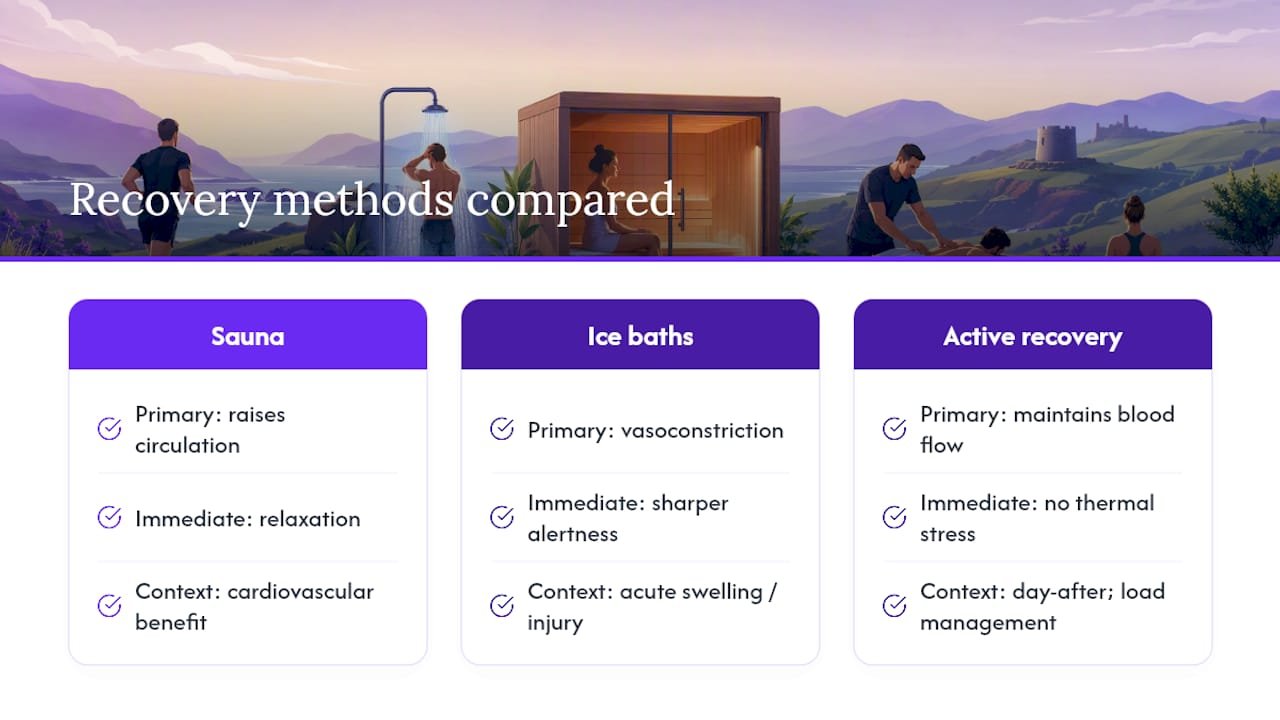
Combining heat and cold, known as contrast therapy, has become popular among fitness enthusiasts chasing the benefits of both. A sauna then cold plunge sequence is the more common order, since the heat encourages blood flow before the cold triggers vasoconstriction, though the evidence for this specific sequencing outperforming either method alone is still thin. What is better supported is that each modality suits a different context. Active recovery works well the day after a sauna session if you’re managing training load across a full week. Ice baths suit acute swelling from a specific injury more than general post-workout soreness.
The practical answer for most people is not to pick one permanently. Rotate based on how you feel, how intense the session was, and what your following day looks like.
Why the usual sauna advice misses the point
Most articles on sauna use after training treat it as a wellness indulgence rather than a physiological tool, and that framing does readers a disservice. The randomised evidence on cardiorespiratory fitness and blood pressure is real and specific. It deserves to be treated with the same seriousness as any other recovery intervention, not filed under “nice to have if you fancy it.”
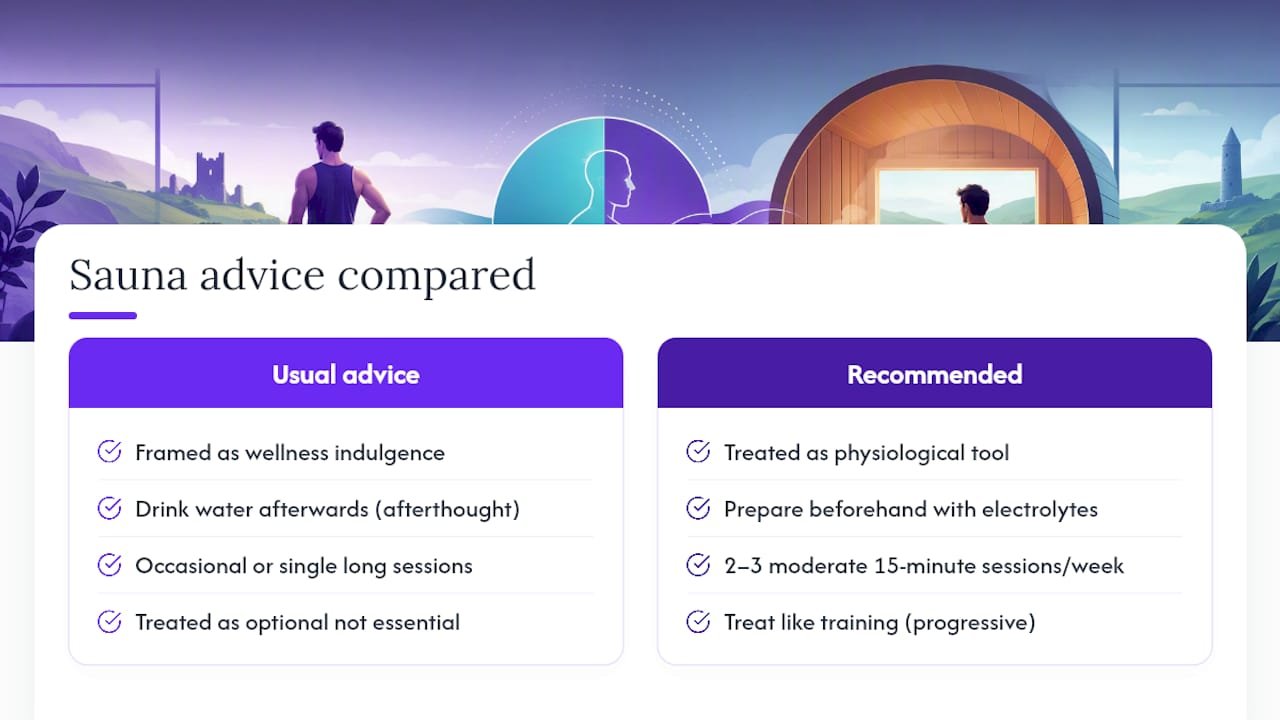
Where conventional advice falls short is hydration. Plenty of guides mention drinking water afterwards, almost as an afterthought, when the smarter move is preparing beforehand with a proper electrolyte approach. Sodium loss through sweat is significant, and plain water alone doesn’t replace it.
My honest read: prioritise consistency over intensity. Two or three moderate 15 minute sessions a week, done properly with hydration handled in advance, will do more for you over a few months than one dramatic 30 minute sit in the hottest room you can find. The trial data backing cardiovascular gains came from a sustained programme, not a single heroic session. Treat this like training itself. Progressive, repeated, and paired with recovery basics you already know work.
— Mark
Bring your recovery routine into a properly guided space
Reading about sauna protocols is useful. Doing them in a space built for exactly this purpose, with proper temperature control and supervision, is where the real difference shows up. Live 5D Health’s luxury spa in Boyle gives you sauna, steam room, and cold plunge facilities under one roof, so you can build the contrast therapy routine described above without guessing at temperatures or timing on your own.

For readers who want the hydration side handled properly, our supplements range includes electrolyte and mineral options built for exactly the pre-sauna protocol outlined earlier. If you’re weighing up spa options anywhere in Ireland, our comparison of Ireland’s top luxury spa providers is worth a look too. The next step is simple: book a session, bring your hydration sorted, and let a guided environment take the guesswork out of your recovery routine.
This article is general information, not a substitute for advice from a qualified doctor. Consult a qualified healthcare professional about your own circumstances before acting on anything here.
Sources
- Effects of regular sauna bathing in conjunction with exercise on cardiovascular function: a multi-arm, randomized controlled trial
- Heat therapy and cardiovascular health (review)
- Study on post-exercise sauna and next-day performance (competitive athletes)