
Elite athletes are always searching for that extra edge, and oxygen chambers have moved firmly into the mainstream of recovery and performance. So why athletes use oxygen chambers has become one of the most searched questions in sports science right now. The answer is more nuanced than most articles let on. It is not simply about breathing more oxygen. It is about when, how much, and under what conditions that oxygen reaches your tissues. This article cuts through the noise and gives you the evidence-based picture.
Table of Contents
- Key takeaways
- Why athletes use oxygen chambers: the physiology explained
- Evidence-based benefits for athletic recovery
- Understanding the limitations and the evidence gaps
- How to use oxygen therapy effectively as an athlete
- My honest take on oxygen chambers for athletes
- Experience oxygen therapy at Live5dhealth
- FAQ
Key takeaways
| Point | Details |
|---|---|
| Pressure changes everything | Hyperbaric conditions dissolve more oxygen into plasma, reaching tissues that normal breathing cannot. |
| Timing is critical | Post-exercise oxygen therapy delivers measurably better recovery than sessions timed indiscriminately. |
| Aerobic gains are real | Repeated sessions improve aerobic capacity and sleep quality, though anaerobic power shows less response. |
| Medical vs consumer grade matters | True hyperbaric chambers require verified pressure and oxygen concentration to produce clinical effects. |
| Integration beats isolation | Oxygen therapy works best alongside active recovery, nutrition, and standard rehabilitation protocols. |
Why athletes use oxygen chambers: the physiology explained
The air you breathe is roughly 21% oxygen. That is enough to sustain normal function, but it leaves a significant margin of untapped potential when your body is under the stress of hard training or injury. Oxygen chambers change that equation by increasing both the concentration of oxygen you inhale and, in hyperbaric versions, the atmospheric pressure surrounding your body.
Two physical laws explain why this matters. Henry’s law and Boyle’s law tell us that under increased pressure, more gas dissolves into liquid. Applied to physiology, this means more oxygen dissolves directly into your blood plasma, not just into haemoglobin. Plasma-dissolved oxygen can reach tissues that are swollen, compressed, or poorly perfused, which is exactly the state your muscles are in after intense exercise or injury.
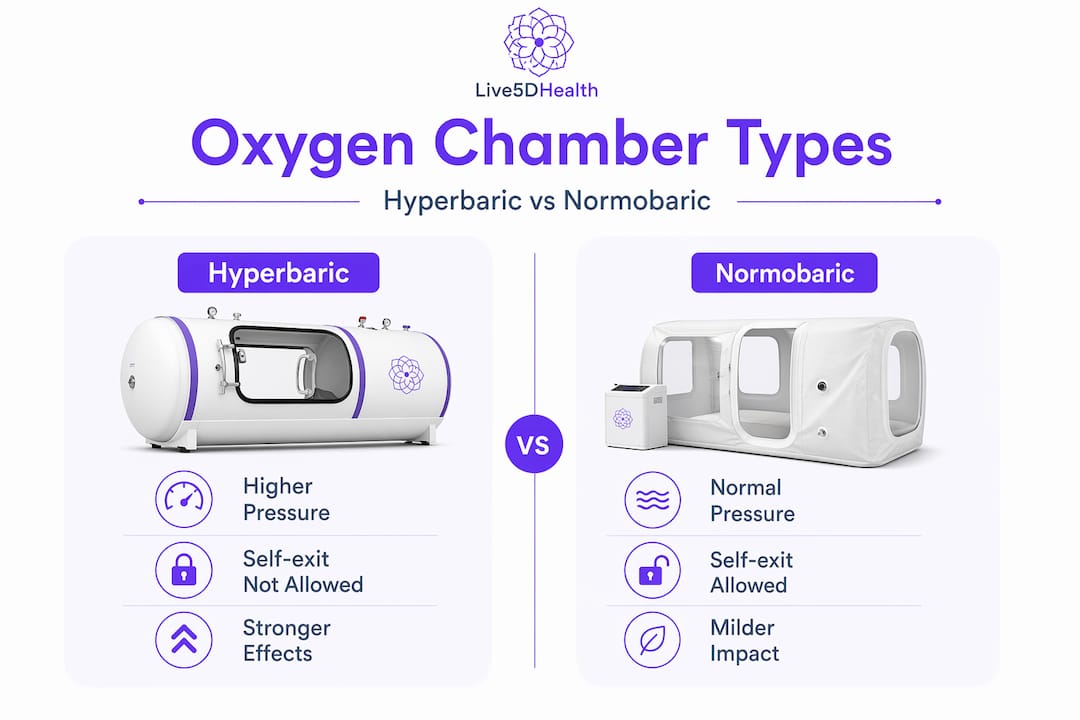
There are two main types of oxygen therapy athletes encounter:
- Hyperbaric oxygen therapy (HBOT): Involves breathing near-pure oxygen (100%) inside a pressurised chamber at 1.5 to 2 atmospheres. This is medical-grade treatment, used clinically for wound healing and ischaemia.
- Mild hyperbaric oxygen therapy (MHOT): Uses moderately elevated pressure (around 1.3 atmospheres) with enriched oxygen. More accessible and increasingly used in sports recovery settings.
- Normobaric oxygen therapy: Delivers high-concentration oxygen at normal atmospheric pressure. Less potent than hyperbaric methods but still shows recovery benefits in specific contexts.
The distinction between these options genuinely matters. Chambers that allow self-exit are not true hyperbaric chambers, and the efficacy of any session depends on the combined effect of pressure and oxygen fraction delivered.
Pro Tip: If you are evaluating a facility, ask specifically about the pressure rating (in atmospheres absolute) and the fraction of inspired oxygen (FiO2). Both numbers matter. One without the other tells you very little about what you will actually receive.
The benefits you experience are also time-sensitive. Oxygen therapy produces acute physiological changes that are most pronounced in the hours immediately following treatment. This is not a permanent biological upgrade. It is a targeted intervention that, used correctly, creates conditions for faster and more complete recovery.
Evidence-based benefits for athletic recovery
The research on oxygen chambers for athletes has grown substantially in recent years, and the findings are genuinely encouraging, particularly for aerobic performance and post-exercise recovery.

| Benefit | Evidence summary | Energy system |
|---|---|---|
| Faster sprint recovery | Near-pure oxygen post-swim improved 50-yard sprint times and reduced perceived exertion | Anaerobic/sprint |
| Improved aerobic capacity | MHOT sessions increased maximal cycling performance 24 hours post-intervention | Aerobic |
| Better sleep quality | Six MHOT sessions improved subjective sleep scores in fatigued athletes | Recovery |
| Enhanced muscle oxygenation | Brain and muscle oxygenation markers improved following repeated MHOT sessions | Both |
| Reduced perceived fatigue | Oxygen-assisted recovery outperformed ambient air recovery on exertion scales | Sprint/recovery |
One of the most compelling recent findings comes from a 2026 randomised crossover study showing that brief inhalation of 98% oxygen after maximal swimming efforts produced faster subsequent sprint times and lower perceived exertion compared to breathing normal air. This is not a marginal effect. It is a measurable performance difference in competitive athletes.
Sleep is another area where the evidence is building. A 2026 controlled study found that six MHOT sessions after exercise-induced fatigue significantly improved subjective sleep quality scores and enhanced aerobic exercise capacity the following day. For athletes managing heavy training loads, that combination of better sleep and improved next-day performance is enormously valuable.
“Aerobic performance markers respond to oxygen therapy more reliably than anaerobic capacity, which suggests targeted application is key. If you are a cyclist, rower, or distance runner, the evidence is more directly in your favour than if you are a power athlete or sprinter.” — Sports science research consensus, 2026
It is worth noting that aerobic gains appear more consistently than anaerobic improvements across the controlled trials. The Wingate anaerobic power test, a standard measure of explosive output, showed no significant difference after MHOT treatment in one controlled trial. This does not mean oxygen therapy has no value for power athletes. It means the primary mechanism is aerobic tissue oxygenation, and the applications should be framed accordingly.
Understanding the limitations and the evidence gaps
Honest assessment of any therapy requires looking at what the science does not yet confirm, not just what it supports. Oxygen therapy for athletes sits in a genuinely interesting middle ground: the physiological rationale is sound, the early research is promising, but the broad performance enhancement claims you sometimes see in marketing materials outpace what the evidence actually shows.
Professional sports teams use HBOT for injury management and recovery, but the scientific community is clear that off-label use for general performance enhancement is still an emerging area. Session costs range from £260 to £1,600 depending on the facility and protocol, which places medical-grade HBOT out of reach for many recreational athletes.
There are several practical limitations worth understanding before you commit to a programme:
- Not all chambers are equal. Consumer-grade “soft shell” chambers often cannot reach the pressures required to produce true hyperbaric effects. Always verify the pressure rating before booking.
- Benefits are cumulative, not immediate. Aerobic improvements manifest 24 hours after repeated sessions, not after a single visit. Expecting a one-off session to transform your performance is unrealistic.
- Medical conditions require medical oversight. HBOT is clinically approved for wound healing and ischaemia, and any athlete using it for injury recovery should do so under professional guidance.
- Evidence is sport-specific. Most studies focus on aerobic athletes. Extrapolating findings to contact sports, gymnastics, or weightlifting requires caution.
The most grounded view of oxygen therapy is as a recovery adjunct integrated into a broader rehabilitation plan, not as a standalone shortcut. Athletes who get the most from it are those who combine it with proper loading management, nutrition, and sleep hygiene.
How to use oxygen therapy effectively as an athlete
Knowing the science is one thing. Putting it into practice is another. Here is a practical framework for incorporating oxygen chamber therapy into your training and recovery.
- Identify your primary goal. Are you recovering from injury, managing post-competition fatigue, or trying to improve aerobic capacity during a heavy training block? Your goal determines your protocol.
- Choose the right chamber type. For injury recovery or serious performance work, seek a facility offering genuine hyperbaric conditions (1.5 to 2 ATA with high FiO2). For general wellness and recovery, MHOT at 1.3 ATA is a well-supported option.
- Time your sessions strategically. Post-exercise timing produces better outcomes than pre-exercise or randomly scheduled sessions. Aim to begin a session within one to two hours of completing your workout or competition.
- Commit to a multi-session protocol. A minimum of four to six sessions is typically needed to see measurable aerobic improvements. Single sessions are useful for acute recovery but should not be your only strategy.
- Combine with complementary recovery methods. Pair oxygen therapy with active recovery, compression garments, anti-inflammatory nutrition, and adequate sleep. The combination of vibration plate and HBOT has shown particular promise for athletes looking to maximise recovery outcomes.
- Consult a medical professional first. This is especially true if you have any cardiovascular conditions, respiratory issues, or are recovering from surgery. Oxygen therapy is safe for most people, but professional clearance is always the right starting point.
Pro Tip: Keep a recovery log during your oxygen therapy programme. Track sleep quality, perceived muscle soreness, and training output. This gives you real data on how your body is responding, which is far more useful than relying on general research averages.
You can also explore how to maximise workout recovery by stacking oxygen therapy with other evidence-backed methods for a genuinely comprehensive approach.
My honest take on oxygen chambers for athletes
I have followed the research on oxygen therapy in sport for years, and my position has shifted from sceptical curiosity to genuine respect for what this therapy can do, when it is applied correctly.
What I find compelling is not the headline claims about unlocking peak performance. It is the quieter, more consistent finding that athletes recover better, sleep better, and sustain higher training loads when oxygen therapy is part of a thoughtful recovery plan. That is not a marketing promise. That is what the controlled trials are actually showing.
Where I urge caution is around the wellness industry’s tendency to oversell any therapy that has a credible mechanism. The physiological rationale for oxygen chambers is real. But “real mechanism” does not automatically mean “dramatic results for every athlete.” The evidence on HBOT in sports is still maturing, and the athletes who benefit most are those who use it as one tool in a well-constructed recovery system, not as a replacement for the fundamentals.
Accessibility is also a genuine issue. Medical-grade HBOT is expensive and not widely available. MHOT at reputable wellness centres offers a more accessible middle ground, and the research supporting it is growing. If you are a serious amateur or professional athlete and you have access to a quality facility, I think the investment is worth exploring, particularly during periods of high training load or injury recovery.
My advice: approach it with curiosity, set realistic expectations, and track your own response. The science gives you a framework. Your body gives you the answer.
— Mark
Experience oxygen therapy at Live5dhealth
If you are ready to explore oxygen therapy for yourself, Live5dhealth in Boyle, County Roscommon, offers one of Ireland’s most complete wellness environments for athletes and active individuals. The hyperbaric oxygen therapy programme is delivered in a professional, supportive setting with experienced staff who understand the specific needs of athletes and fitness enthusiasts.

Beyond the chamber itself, Live5dhealth combines HBOT with a full suite of recovery amenities including vibration plates, luxury spa facilities with sauna, steam, and cold plunge, and a curated range of health supplements. Whether you are targeting faster recovery between sessions, managing a sports injury, or simply wanting to feel your best during a demanding training block, the team at Live5dhealth can help you build a protocol that works. Explore the luxury spa and wellness centre or consider one of the healing retreats in Ireland for a fully immersive recovery experience.
FAQ
What do oxygen chambers actually do for athletes?
Oxygen chambers increase the amount of oxygen dissolved in your blood plasma, allowing it to reach muscles and tissues more effectively during recovery. This supports faster healing, reduced inflammation, and improved aerobic capacity when sessions are timed and dosed correctly.
How many sessions do athletes need to see results?
Research shows that aerobic performance improvements typically appear after a minimum of four to six sessions, with benefits often observed 24 hours after treatment rather than immediately. A multi-session protocol is far more effective than a single visit.
Is there a difference between hyperbaric and normobaric oxygen therapy?
Yes. Hyperbaric therapy uses elevated atmospheric pressure to dissolve more oxygen into plasma, producing stronger physiological effects. Normobaric therapy delivers high-concentration oxygen at normal pressure and is less potent, though still beneficial for specific recovery applications.
Are oxygen chambers safe for all athletes?
Oxygen therapy is safe for most healthy athletes, but those with cardiovascular conditions, respiratory issues, or post-surgical recovery should seek medical clearance first. Potential downsides and safety considerations are well-documented and manageable under professional supervision.
Does oxygen therapy help with sleep as well as physical recovery?
Yes. A 2026 controlled study found that six mild hyperbaric oxygen sessions significantly improved subjective sleep quality in fatigued athletes, alongside measurable gains in aerobic exercise capacity the following day. Better sleep and better performance are closely linked outcomes of a well-structured protocol.