

Effective pain relief requires combining physical, nutritional, and psychological strategies rather than relying on any single treatment. Whether you are managing a sudden soft-tissue injury or living with persistent discomfort, the evidence points clearly toward an integrated approach. NICE guidelines, omega-3 clinical research, and pain reprocessing therapy (PRT) all confirm that active self-management produces better outcomes than passive treatment alone. The standard clinical term for what most people call “getting rid of pain” is pain management, and understanding both terms helps you find the right support. This guide covers the most effective methods across all categories.
How to get rid of pain quickly: first steps for acute injuries
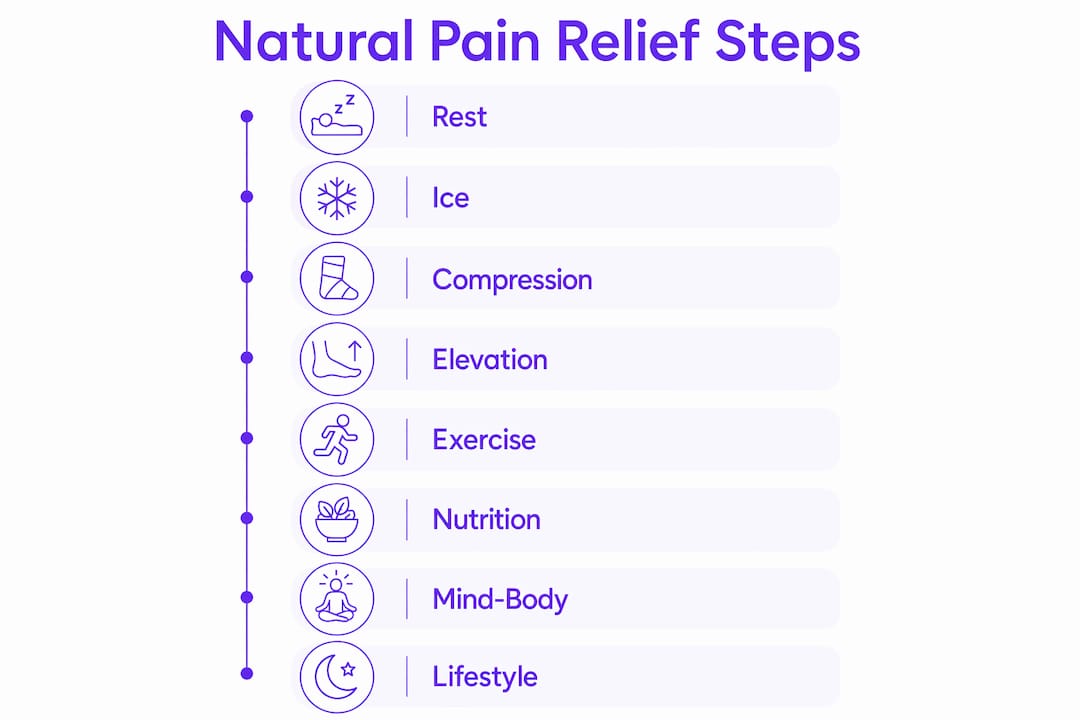
The RICE method is the first-line response for acute soft-tissue injuries in the hours and days immediately following injury. RICE stands for Rest, Ice, Compression, and Elevation. Each step targets a specific part of the body’s initial injury response.
Here is how to apply each step correctly:
- Rest the injured area to prevent further damage. Avoid complete inactivity beyond the first 24–48 hours, as prolonged rest causes stiffness and muscle weakening.
- Ice the area for 15–20 minutes at a time, wrapped in a cloth to protect the skin. Apply every 2–3 hours during the first day.
- Compression with a bandage reduces swelling. Wrap firmly but not so tightly that it restricts circulation.
- Elevation keeps the injured limb above heart level to reduce fluid build-up and throbbing.
Once the acute phase passes, gentle movement becomes the priority. Staying still for too long actually slows recovery and increases pain sensitivity over time.
Pro Tip: Diaphragmatic breathing is one of the fastest ways to reduce pain amplification. Breathe in slowly through your nose for four counts, letting your belly rise, then exhale for six counts. This signals safety to your nervous system and calms pain signals within minutes.
Seek medical attention if your pain is severe, worsening after 48 hours, accompanied by numbness or tingling, or follows a significant impact. Self-management works well for mild to moderate injuries, but a healthcare professional should assess anything beyond that.
How can regular movement and exercise help relieve chronic pain?
Exercise is the single most evidence-backed treatment for chronic pain. NICE guidelines identify regular physical activity as the only intervention with strong evidence for both short-term and long-term efficacy in chronic primary pain. That is a significant finding. It means movement is not just helpful; it is the foundation of any serious pain management plan.
The good news is that no single type of exercise is superior. What matters most is that you enjoy the activity and do it consistently. Options that work well for people with chronic pain include:
- Walking at a comfortable pace, even for 10 minutes at a time
- Yoga and gentle stretching to improve flexibility and reduce muscle tension
- Swimming or water-based exercise for low-impact joint movement
- Cycling on a stationary bike for cardiovascular benefit without high impact
- Tai chi, which combines slow movement with breath awareness
The key principle is pacing. Exercise should start below your usual pain level and increase gradually. The clinical guidance is clear: do no more on a good day than on a bad day. This prevents the boom-and-bust cycle where you overdo it when feeling well, then spend days recovering from a flare-up.
A physiotherapist can design a gradual activity programme tailored to your specific condition. Research confirms that active, self-managed exercise programmes guided by therapists outperform passive hands-on treatments like massage alone. Massage has its place, but it cannot replace the neural and muscular benefits of progressive movement.
Pro Tip: Keep a simple activity log for two weeks. Note what you did, how long, and your pain level before and after. Patterns emerge quickly, and you will identify your personal tolerance window far faster than guessing.
For a broader view of evidence-backed approaches, the pain therapy options guide at Live5dhealth covers modern clinical methods in detail.
What role do nutrition and supplements play in managing pain?
Diet directly influences inflammation, and inflammation drives a large proportion of pain. An anti-inflammatory eating pattern built around vegetables, oily fish, nuts, and whole grains reduces the biochemical signals that amplify pain. This is not a fringe idea; it is mainstream nutritional medicine.
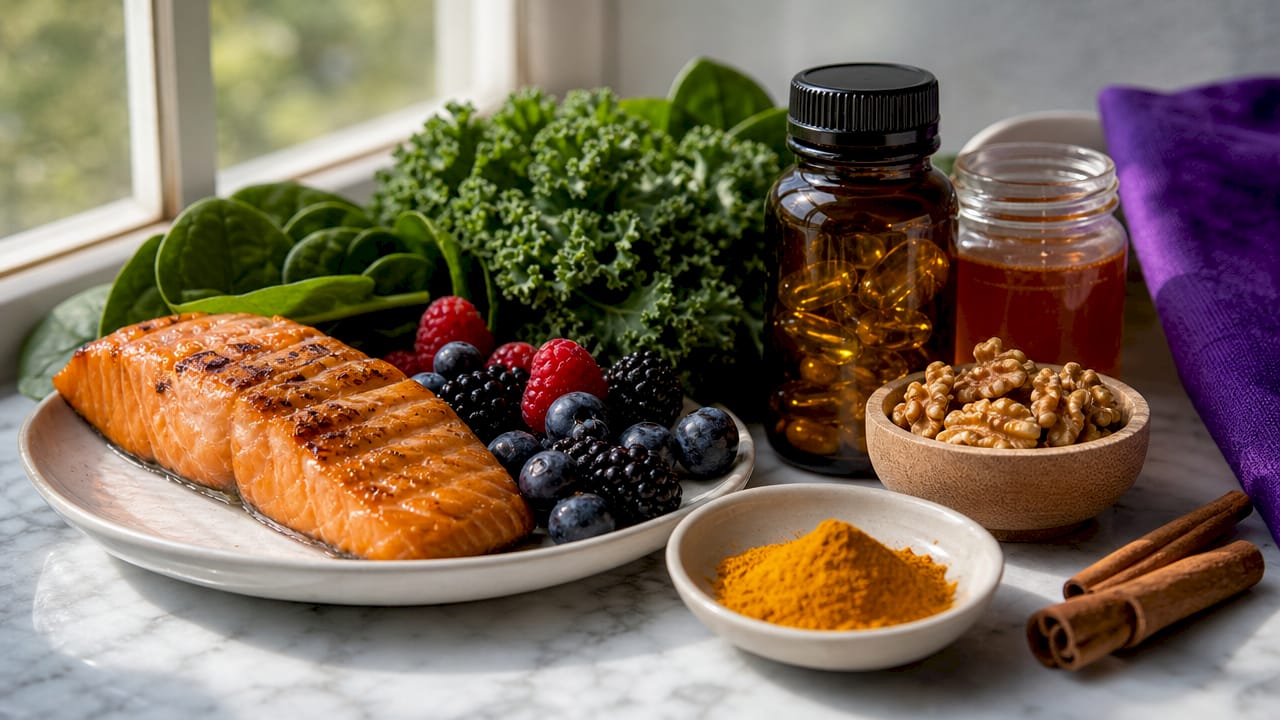
Omega-3 fatty acids are the most studied supplement for pain relief. Omega-3 supplementation helped 59% of patients with disc disease reduce their reliance on NSAIDs. That figure matters because NSAIDs carry gastrointestinal and cardiovascular risks with long-term use. Reducing dependence on them through nutrition is a meaningful clinical outcome.
The table below summarises the most commonly used supplements and their current evidence base.
| Supplement | Primary mechanism | Evidence level |
|---|---|---|
| Omega-3 fatty acids | Reduces inflammatory prostaglandins | Strong; clinical trials in disc and joint pain |
| Magnesium | Supports muscle relaxation and nerve function | Moderate; useful in tension and fibromyalgia |
| Turmeric (curcumin) | Inhibits inflammatory pathways (NF-kB) | Moderate; effective in osteoarthritis |
| Vitamin D | Modulates immune and pain pathways | Moderate; deficiency linked to chronic pain |
| Boswellia | Anti-inflammatory resin extract | Moderate; studied in joint and back pain |
Always consult a healthcare provider before starting supplements, particularly if you take prescription medication. Interactions are possible, and dosing matters. Live5dhealth stocks a range of natural pain-support supplements if you want guidance on quality products.
For people managing musculoskeletal pain, magnesium supplementation deserves particular attention given its role in muscle relaxation and nerve signal regulation.
How does mind-body therapy reduce pain and retrain neural pathways?
Chronic pain is often a nervous system problem as much as a tissue problem. The brain interprets sensations as dangerous and fires pain signals even when no new injury exists. This is not imaginary pain. It is real pain produced by a nervous system stuck in high alert. Understanding this is not just reassuring. It is the first step toward doing something about it.
Pain reprocessing therapy (PRT) directly targets this mechanism. PRT shifts the brain from danger mode to safety mode by teaching people to reinterpret pain signals as non-threatening. Two-thirds of people who completed a PRT programme reported being pain-free after four weeks. That result is striking compared to conventional pain treatments.
Several mind-body approaches support this process:
- Pain reprocessing therapy (PRT): structured sessions that reframe pain as a false alarm rather than a sign of damage
- Mindfulness meditation: reduces nervous system sensitivity by training attention away from threat-based thinking
- Cognitive Behavioural Therapy (CBT): CBT reduces disability and distress in chronic pain, which gradually lowers pain intensity through neural pathway rewiring
- Emotional Awareness and Expression Therapy (EAET): addresses suppressed emotional stress that can maintain pain signals
- Positive affirmations and guided imagery: lower nervous system arousal and reduce the brain’s threat response
A critical insight from pain neuroscience is that bracing for pain reinforces it. Gentle, non-fearful movement teaches the brain that moving is safe, which gradually quiets the alarm system. This is why yoga and mindful walking are so effective for chronic pain beyond their physical benefits.
Pro Tip: Try a body scan meditation before bed. Lie still, bring gentle attention to each body part from your feet upward, and consciously release tension. This is not about ignoring pain. It is about reducing the nervous system’s threat response, which lowers pain intensity overnight.
For those exploring non-pharmaceutical approaches, Pain Genie therapy at Live5dhealth offers a structured, evidence-backed option worth considering.
What lifestyle habits support ongoing pain management?
Sustainable pain relief depends on daily habits as much as specific treatments. Stress increases muscle tension and nervous system sensitivity, making pain more intense. Managing stress is therefore a direct pain management strategy, not a luxury.
The following habits make a measurable difference over time:
- Prioritise sleep. Poor sleep worsens pain and slows recovery. Aim for 7–9 hours in a cool, dark room with a consistent bedtime.
- Review your workspace. Ergonomic adjustments to your desk, chair, and screen height reduce cumulative strain on the spine and joints.
- Stay socially connected. Social support improves pain resilience and reduces the psychological amplification of discomfort.
- Track your pain patterns. A simple daily log of pain level, activity, sleep, and stress reveals triggers and helps you and your healthcare team make better decisions.
- Limit alcohol and smoking. Both impair tissue repair and increase systemic inflammation.
One point that surprises many people: persistent pain does not always mean ongoing injury. The nervous system can remain sensitised long after healing is complete. Recognising this distinction reduces fear, and reduced fear reduces pain. For those managing pain during recovery from surgery or planned procedures, resources like post-operative recovery guidance can provide useful context on managing discomfort in the healing phase.
Key takeaways
Effective pain management combines physical activity, nutritional support, and mind-body therapy, with no single method working as well in isolation as all three do together.
| Point | Details |
|---|---|
| RICE for acute injuries | Apply Rest, Ice, Compression, and Elevation in the first 24–48 hours only. |
| Exercise is primary treatment | NICE guidelines name physical activity as the only robust long-term treatment for chronic pain. |
| Omega-3 reduces NSAID reliance | 59% of disc disease patients reduced NSAID use with omega-3 supplementation. |
| PRT retrains pain pathways | Pain reprocessing therapy helped two-thirds of participants become pain-free in four weeks. |
| Sleep and stress directly affect pain | Poor sleep and high stress both increase pain intensity and slow recovery. |
What I have learned about pain recovery after years in wellness
People come to Live5dhealth expecting a treatment that will switch their pain off. I understand that hope completely. But the most honest thing I can tell you is that chronic pain recovery works more like learning a language than fixing a broken machine. You make progress, plateau, slip back slightly, then advance again. The people who recover best are the ones who accept that rhythm rather than fighting it.
The biggest mistake I see is over-reliance on passive treatments. Massage, heat packs, and rest have genuine value in the short term. But if they are your entire strategy, you are managing symptoms rather than changing the underlying system. The neuroscience is clear: the brain needs evidence that movement is safe. You can only give it that evidence by moving.
Nutrition and supplementation are underused tools. Most people focus entirely on physical therapy and overlook the fact that their diet is either feeding or fighting their inflammation every single day. Omega-3s, magnesium, and an anti-inflammatory diet are not alternative medicine. They are basic biochemistry.
My honest advice: work with a physiotherapist, take your nutrition seriously, and explore pain reprocessing therapy if your pain has persisted beyond three months. Combine those three and you have a genuinely powerful strategy. Quick fixes exist for acute injuries. For chronic pain, the path forward is gradual, active, and absolutely worth it.
— Mark
How Live5dhealth can support your pain relief
Live5dhealth in Boyle, County Roscommon, offers a full range of therapies and wellness services designed to complement the natural pain relief strategies covered here. From specialist treatments and guided recovery programmes to premium health supplements, the team supports people at every stage of their pain management journey.
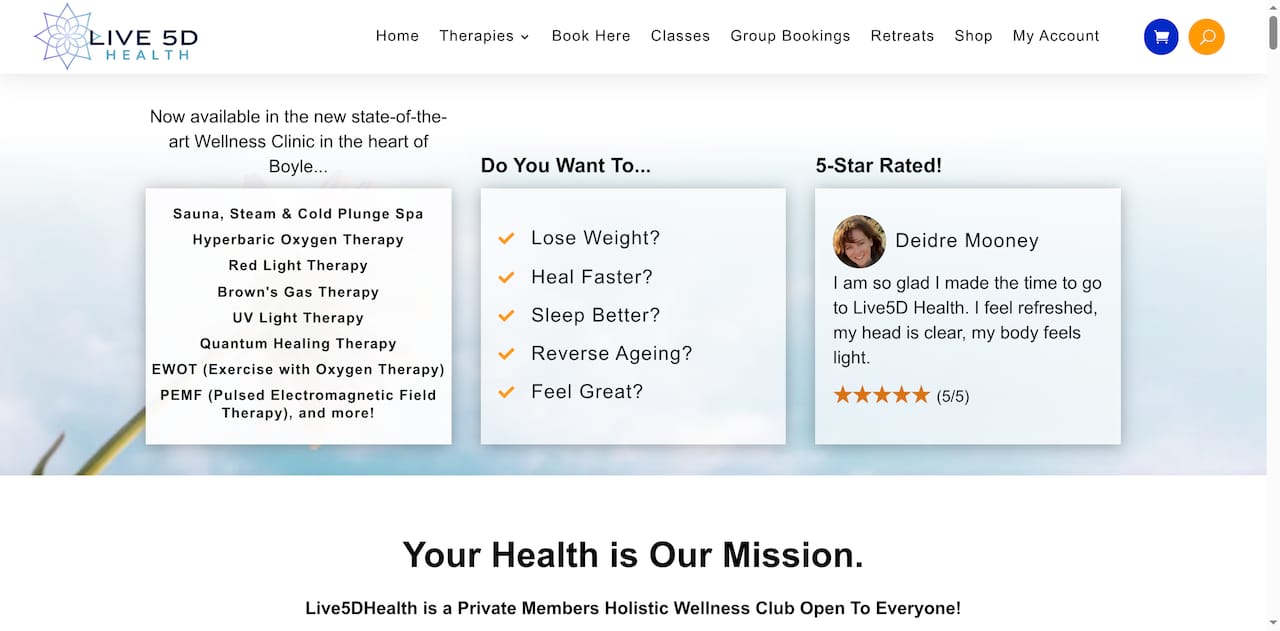
The luxury spa and wellness centre at Live5dhealth includes sauna, steam, and cold plunge facilities, all of which support muscle recovery, reduce inflammation, and improve sleep quality. These are not indulgences. They are evidence-informed tools for reducing discomfort and restoring function. Whether you are looking for in-person therapies or high-quality supplements to support your plan at home, Live5dhealth has options worth exploring.
FAQ
What is the fastest natural way to ease acute pain?
The RICE method (Rest, Ice, Compression, Elevation) is the most effective immediate response for soft-tissue injuries. Diaphragmatic breathing also reduces nervous system pain amplification within minutes.
Does exercise really help with chronic pain?
Yes. NICE guidelines identify regular physical activity as the only treatment with robust evidence for both short-term and long-term chronic pain relief. Any enjoyable activity counts, provided you pace it carefully.
Can supplements genuinely reduce pain?
Omega-3 fatty acids have strong clinical evidence, with 59% of disc disease patients reducing NSAID use after supplementation. Magnesium and curcumin also have moderate evidence for specific pain types. Always consult a healthcare provider before starting.
What is pain reprocessing therapy?
Pain reprocessing therapy (PRT) is a structured psychological approach that teaches the brain to reinterpret chronic pain signals as non-threatening. Two-thirds of participants in clinical trials reported being pain-free after four weeks of PRT.
How does sleep affect pain levels?
Poor sleep increases pain sensitivity and slows tissue recovery. Consistently achieving 7–9 hours of quality sleep is one of the most direct lifestyle changes you can make to reduce discomfort and support healing.