
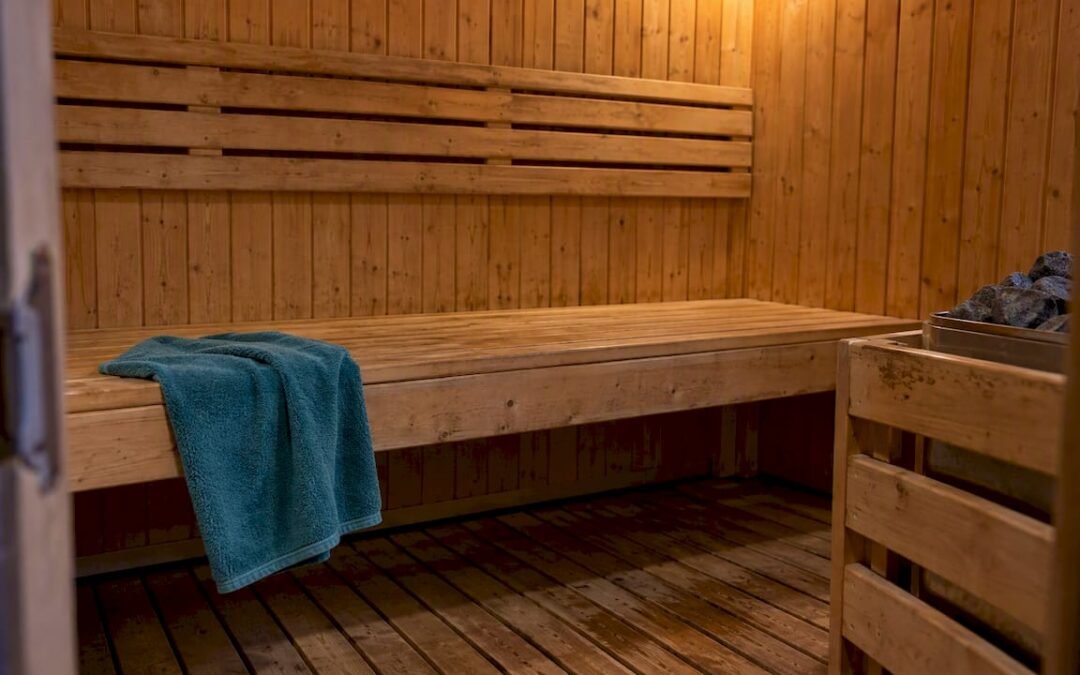
A sauna before bed can help you fall asleep more easily, but only if you get the timing right. Finish your session 60 to 120 minutes before you want to be asleep, cool down slowly, drink sensibly and keep the evening calm. Go straight from the heat to your pillow and you may find yourself too warm to drift off.
This guide explains why the timing matters, what the evidence does and does not show, and how to build an evening routine that works. It also covers who should speak to a doctor first, including anyone in cancer treatment. We are Live5dhealth, a wellness centre in Boyle, County Roscommon, and we see how much a good night’s sleep matters to the women over 40 and the people managing health conditions who visit us.
TL;DR
- Aim to leave the sauna 60 to 120 minutes before bedtime, so your core temperature has time to fall.
- Keep it short and gentle: 10 to 20 minutes, a gradual cool-down, no alcohol.
- The evidence for sleep is promising but not conclusive: direct sauna trials are scarce, though the mechanism is well supported.
- Heart conditions, pregnancy, low blood pressure and active cancer treatment all call for medical clearance first.
- Our Sauna, Steam & Cold Plunge Spa in Boyle is €30 per visit, which makes it easy to test a routine.
Table of Contents
- Why a hot sauna can make you sleepier
- What the evidence actually shows
- The best timing for an evening sauna
- A simple evening routine, step by step
- Who should check with a doctor first
- Signs your sauna is hurting your sleep
- Our view: heat is a cue, not a cure
- Try an evening session in Boyle
- FAQ
- Sources
Why a hot sauna can make you sleepier
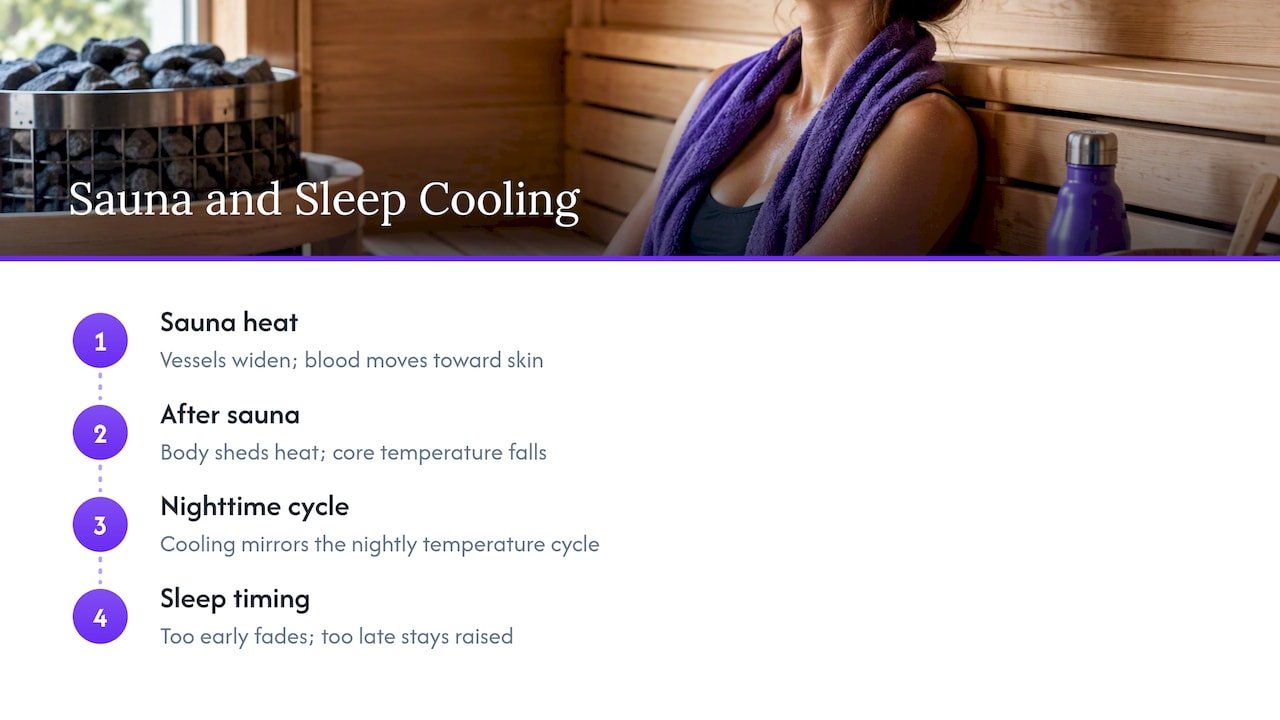
The benefit does not come from the heat itself. It comes from what happens afterwards. When you sit in a sauna, your blood vessels widen and blood moves towards the surface of your skin. Once you step out, your body sheds that heat efficiently and your core temperature drops. Wellness researchers describe this as mimicking the natural temperature cycle your body goes through every night, which is a key trigger for sleep onset.
That is why a sauna works as a sleep tool only when it is separated from bedtime. Heat too early and the effect has faded by the time you lie down. Heat too late and you go to bed with a core temperature that is still raised.
There is also a second effect that has nothing to do with physiology. A sauna is one of the few places where you cannot take your phone. Experts call this a forced pause, a window with no screens and no news, which can matter as much for a busy mind as the warmth does for the body. Many of our guests tell us that this quiet is the part they value most. We would not call it a cure, but it is a genuine way to mark the end of the day.
What the evidence actually shows
Honesty matters here, because plenty of pages overstate the case.
The strongest support comes from passive heating in general. A 2019 systematic review and meta-analysis of warm showers and baths found that heating the body one to two hours before bed can shorten the time it takes to fall asleep and improve self-rated sleep quality. Most of that research involved warm-water immersion rather than saunas.
For saunas specifically, the picture is thinner. One sleep resource sums it up: many regular users say it helps them sleep, but no good trial has tested it directly. The Global Sauna Survey gathered 482 valid responses from regular sauna users, and the sleep benefit most often reported there is self-reported. Self-reports are useful, but they are not proof.
So here is a fair summary:
| Question | Where the evidence stands |
|---|---|
| Does passive heat before bed help people fall asleep? | Supported by a meta-analysis, mostly of baths and showers |
| Does a sauna do the same? | Plausible, widely reported, few direct trials |
| Is there one perfect protocol? | No: timing windows of 1 to 2 hours are the consistent theme |
If you enjoy a sauna and it leaves you feeling calm, a sensible evening session is a low-risk experiment for most healthy adults. Treat it as one tool alongside a regular bedtime, a dark room and less caffeine, not a replacement for them.
The best timing for an evening sauna
You will see slightly different numbers online. Pages on the first page of Google range from 60 minutes to 3 hours. The common thread is a gap between the end of your session and the moment you switch the light off.
- 60 to 120 minutes before bed is the window Sleep Advisor recommends. Too early loses the benefit of the falling temperature, and too late leaves you overheated.
- Allow a deliberate cooling phase. Sit, read or stretch for a while before lying down rather than rushing from the sauna to bed.
- Count backwards from your bedtime. If you want to be asleep at 10:30 pm, aim to leave the sauna between 8:30 and 9:30 pm.
You may have heard of the “3:2:1 rule” (no food three hours before bed, no liquids two hours before, no screens one hour before). It is a popular guideline rather than a researched protocol, but it fits neatly with an evening sauna, because it nudges you to eat early and keep late-night fluids modest.
How long to stay in
Shorter is better than heroic. Cleveland Clinic advises beginners and anyone with a health condition to start with 5 to 15 minutes at a lower temperature, then build up only as they tolerate it. For sleep, there is no prize for staying in longer. A calm 10 to 20 minutes is plenty.
Traditional or infrared?
Both raise your body temperature, and the sleep mechanism is the same. Choose whichever you tolerate comfortably. A very hot room that leaves you wired is worse for sleep than a milder one that leaves you relaxed. If you are curious about the skin side of things, we cover the differences in our guide to sauna for skin.
A simple evening routine, step by step
Here is the routine we suggest to guests who want to try a sauna for sleep.
- Eat earlier. Have dinner at least two to three hours before bed, so digestion is not competing with your cool-down.
- Hydrate during the afternoon. Drink most of your fluids well before the session. Fuel Nutrition’s evening heat protocol recommends taking only modest fluids afterwards and no more than a glass of water in the two hours before sleep, so you are not up at 3 am.
- Go in without your phone. Keep the pause genuine.
- Stay 10 to 20 minutes. Step out sooner if you feel dizzy, faint or unwell.
- Cool down gradually. A lukewarm shower, a seat in a cool room, light stretching. Avoid anything that fires you up.
- Keep the lights low. Dim lamps, a book, no news.
- Go to bed when you feel pleasantly drowsy, not exactly on the clock.
What to wear
Something minimal and breathable: a swimsuit or a towel, plus a second towel to sit on. Remove jewellery, because metal heats up quickly against your skin. Bring a robe and sandals for the walk to your cool-down area.
Alcohol and electrolytes
Skip alcohol before and after your session. It adds to dehydration and affects your blood pressure, and it undermines sleep quality anyway. If you sweat heavily, electrolytes can help you replace what you lose without needing to drink a lot of water late at night. We explain doses and timing in our guide to electrolytes for sauna and our sugar free electrolytes page.
Who should check with a doctor first
Most healthy adults tolerate an evening sauna well, and adverse reactions are mostly minor, such as dizziness or dehydration. But some situations call for medical advice before you start. Cleveland Clinic lists heart conditions (especially unstable angina, a recent heart attack or decompensated heart failure), pregnancy and significantly low blood pressure as reasons to get clearance from your doctor first.
If any of these apply, speak to your GP or cardiologist before booking. For a deeper look at the heart side, see our article on research led sauna protocols for heart health.
If you are having cancer treatment
This deserves its own care, because many of the women and families who find us are living with cancer.
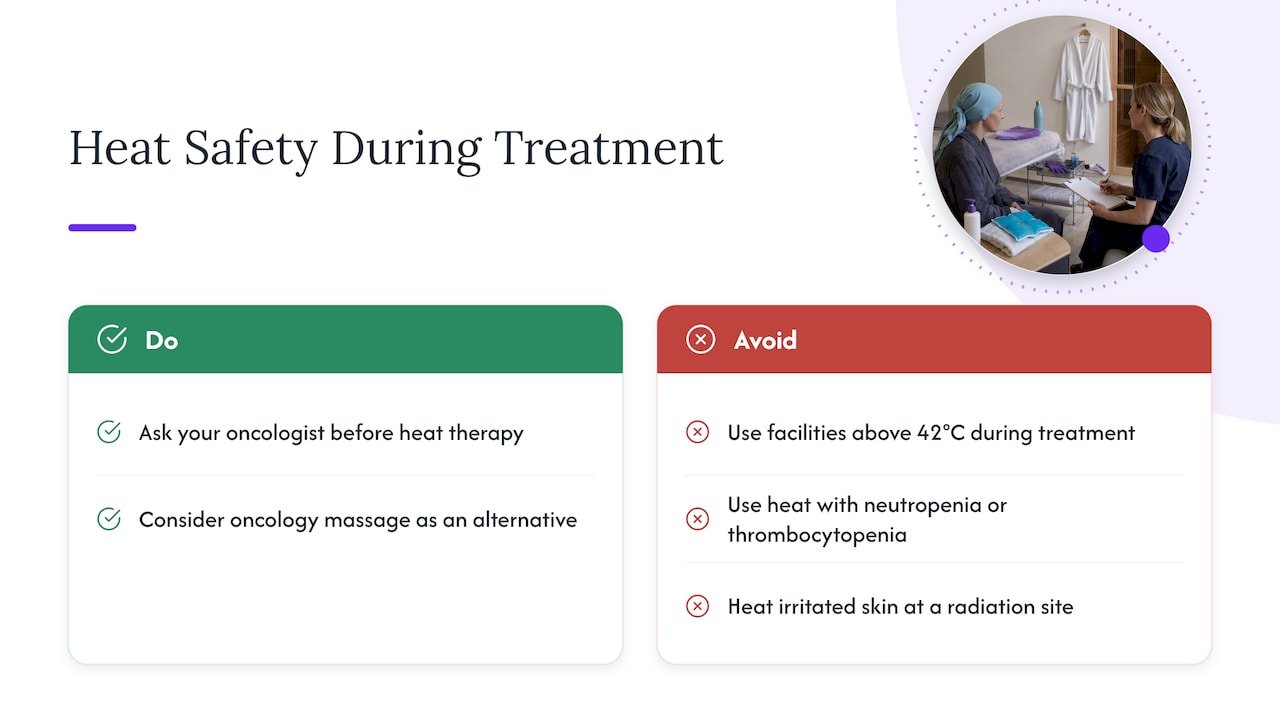
The Standards Authority for Touch in Cancer Care updated its guidance in October 2025. It sets a safe upper limit of 42°C for heat used in treatments, and advises that people in chemotherapy, immunotherapy or radiotherapy should generally avoid thermal facilities such as saunas and steam rooms above that temperature. The reasons are dehydration, cardiovascular stress and infection risk. Avoidance is specifically recommended for people with neutropenia or thrombocytopenia, or with irritated skin at a radiation site. The guidance also advises keeping direct heat away from limbs affected by lymphoedema, or at risk of it after lymph node removal.
In practical terms: do not book a sauna on the strength of a general article, ours included. Ask your oncologist, who knows your protocol and your blood counts, before you use any heat therapy. Our page on sauna safety during chemotherapy explains what to ask. Many people find that a gentler alternative, such as a massage designed for cancer patients, is a better fit during treatment; see our guide to oncology massage.
Menopause and night sweats
If you are over 40 and sleeping badly because of hot flushes, a hot room may sound counterintuitive. Some women find an early evening session calming, while others find that heat triggers symptoms. Start gently, stay cool afterwards and listen to your body. We go through what is known in our article on sauna therapy for menopause symptoms.
Signs your sauna is hurting your sleep
Not everyone sleeps better after heat. Adjust your routine if you notice any of these:
- You feel wired, flushed or restless an hour after getting out.
- You wake in the night needing the toilet or feeling thirsty.
- Your heart seems to race when you lie down.
- You wake up with a headache or feel drained the next morning.
The usual fixes are to finish earlier, shorten the session, lower the temperature or move your drinks to the afternoon. If a morning or afternoon session suits you better, it counts too. The same heat can aid muscle recovery, which we cover in our guide to a sauna after a workout.
Our view: heat is a cue, not a cure
We see a lot of people arrive tired, stressed and hoping a single therapy will fix everything. After years of working with guests, our view is simple: an evening sauna works best as a ritual. The warmth helps your body prepare for sleep, the quiet helps your mind, and the routine teaches both that the day is ending.
We do not claim a sauna treats insomnia, and we never ask anyone to skip medical advice. If your sleep problems are persistent, loud snoring or pauses in breathing are part of the picture, or low mood is involved, speak to your GP. What we can offer is a calm, well-kept space where you can try the routine safely, with clean energised water on site and staff who will talk you through temperatures and timing. If you are new to saunas, start low and slow. Your best sleep is a pattern you build over weeks, not one hot night.
— Mark
Try an evening session in Boyle
Our Sauna, Steam & Cold Plunge Spa in Boyle, County Roscommon, costs €30 per visit. That lets you test the routine above without buying equipment, and you can pair the heat with a steam room for a gentler second round. If it is your first time, read our guide to luxury spa etiquette so you know what to expect. When you are ready, book your sauna, steam and cold plunge visit, or explore everything else we offer on our Live5dhealth homepage.
If you want longer to unwind, our 3, 5 and 10-day wellness retreats give you time for your sleep habits to settle, away from your usual routine.
FAQ
Should you go in a sauna before bed?
For most healthy adults, yes, provided you finish 60 to 120 minutes before you plan to sleep and keep the session moderate. The sleep benefit comes from the drop in body temperature afterwards, not from being hot when you lie down. Check with your doctor first if you have a heart condition, low blood pressure or are pregnant.
Does sauna improve sleep?
Many regular users report better sleep, and passive heating before bed has support in a meta-analysis of warm baths and showers. Direct sauna trials are limited, so the honest answer is that it probably helps some people, particularly when combined with good sleep habits.
How long should I stay in a sauna before bed?
Ten to twenty minutes is plenty. If you are new to saunas or managing a health condition, begin with 5 to 15 minutes at a lower temperature and build up only if you feel comfortable. Leave at once if you feel dizzy or unwell.
Can I use a sauna during chemotherapy?
Not without your oncologist’s agreement. Guidance from the Standards Authority for Touch in Cancer Care advises that people in chemotherapy, immunotherapy or radiotherapy should generally avoid saunas and steam rooms above 42°C. Ask your oncology team what is safe for your blood counts and treatment stage.
Should I drink water after a sauna at night?
Yes, but sensibly. Drink most of your fluids earlier in the day, take modest sips afterwards, and avoid more than a glass of water in the two hours before sleep. Electrolytes can help replace what you lose without making you drink excessively.
Sources
- Sleep Advisor: Using the sauna before bed
- sleepgood.now: Sauna
- Before-bedtime passive body heating by warm shower or bath: systematic review and meta-analysis
- Global Sauna Survey results
- Cleveland Clinic: Sauna benefits
- SATCC: Updated recommendations on the use of heat in treatments for cancer patients
- Los Angeles Times: infrared sauna and sleep
- Sleep.com: Sauna for better sleep
- Fuel Nutrition: Sauna and sleep quality evening heat protocol