
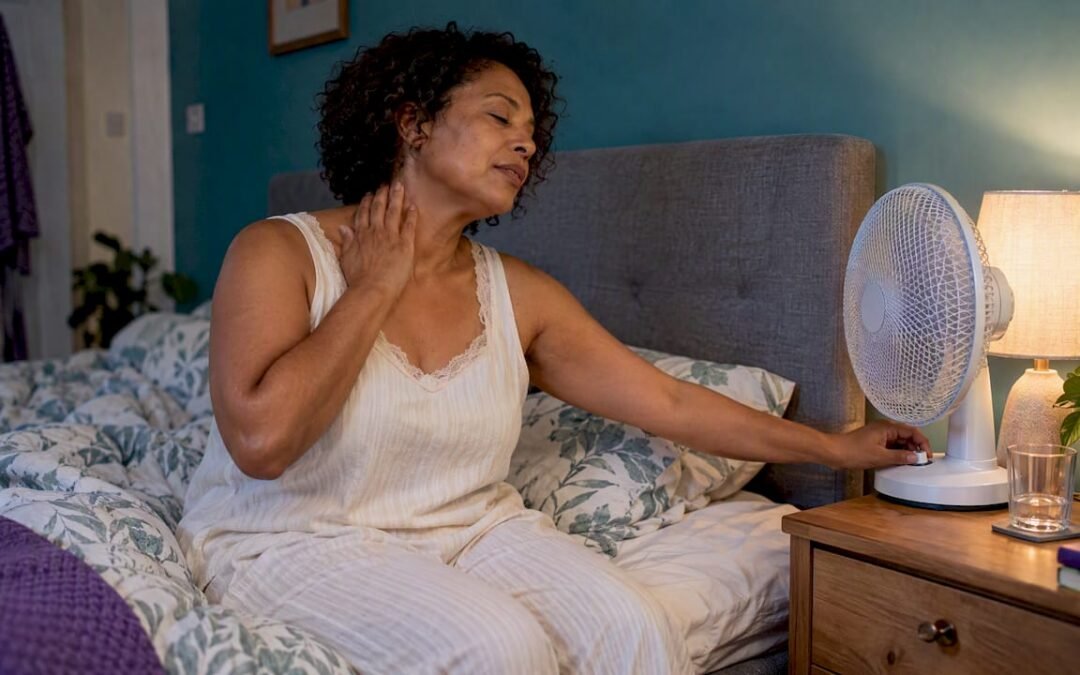
The natural measures with the most support for hot flushes are the practical ones: cooling your body and bedroom, spotting your personal triggers, staying active and learning paced breathing or CBT-style techniques. Herbal supplements have a weaker, mixed evidence base, and some carry real risks. This guide sets out what the Irish health service and menopause specialists say, so you can choose with confidence and know when to speak to your GP.
TL;DR
- The HSE suggests light clothing, a cool bedroom, cool showers, fans and cold drinks, plus avoiding triggers such as spicy food, caffeine, alcohol and smoking.
- Regular exercise supports your health and bones after menopause, but on its own the evidence for fewer hot flushes is inconsistent.
- Soy may modestly help; black cohosh has been linked to liver problems in some products. Talk to your GP before any herbal supplement.
- If you have had breast cancer or another cancer, non-hormonal options exist and your GP or oncology team should guide the choice.
- Weight-bearing and resistance exercise protect bone density, which matters just as much as comfort after menopause.
Table of Contents
- Why hot flushes happen, and why natural measures are worth trying
- Cooling strategies you can start tonight
- Find and reduce your triggers
- Paced breathing, CBT and relaxing activities
- Exercise: for hot flushes and for your bones
- Food, hydration and weight
- Herbal supplements: what to know before you buy
- If you have had cancer or are in treatment
- When natural measures are not enough
- Perspective
- Make space to recover with us
- FAQ
- Sources
Why hot flushes happen, and why natural measures are worth trying
Hot flushes are sudden waves of heat across your face, neck and chest, often with sweating and a racing heart. At night they become night sweats. They are linked to falling oestrogen around perimenopause and menopause, which affects the brain’s temperature control. Many women find them disruptive at work, in bed and in social settings.
The good news is that you have several options, and you can start with small, low-risk changes. The HSE lists practical steps for menopause symptoms including light clothing, a cool bedroom, cool showers, fans or cold drinks, reducing potential triggers, regular physical activity and CBT for hot flushes. None of these require a prescription, and you can combine them.
It helps to be realistic. A review of complementary therapies found that most of the evidence was of low or very low certainty, and that better research is needed. That does not mean nothing works. It means you should test changes one at a time, keep a simple record and judge by your own results.
Cooling strategies you can start tonight
These are the first line because they are cheap, safe and quick to try. Each one is on the HSE’s list.
- Layer your clothing. Wear several thin layers you can remove quickly. Cotton, linen and other breathable fabrics feel cooler than synthetics.
- Cool the bedroom. Use a lighter duvet or layered bedding, open a window and keep a fan within reach.
- Keep cold water close. A glass of cold water or a cool pack on the wrist or back of the neck can shorten the feeling when a flush starts.
- Take cool showers. A cool shower before bed can help you settle, and a quick one during the day can reset you.
- Carry a small fan. A handheld fan in your bag is useful on the bus, in meetings and at family events.
If a flush wakes you at night, keep a spare pyjama top or t-shirt by the bed. Changing quickly stops the damp, chilled feeling that makes it hard to fall asleep again.
Find and reduce your triggers
Triggers vary from woman to woman. The HSE advises avoiding or reducing potential triggers such as spicy food, caffeine, hot drinks, smoking and alcohol. You may not react to all of them.
A simple way to find yours:
- For two weeks, note each hot flush, the time, and what you ate, drank and did in the previous hour.
- Look for patterns, for example a glass of wine in the evening followed by night sweats.
- Change one thing at a time for a week, such as swapping a late coffee for a decaf.
- Keep what works and drop what does not.
Stress is also a common trigger. Many women notice flushes when they are rushing or anxious, and anxiety itself tends to rise around menopause. Our article on why anxiety increases in menopause explains the link and what can help.
Paced breathing, CBT and relaxing activities
CBT for hot flushes is named in the HSE’s guidance. It does not aim to stop the flush itself. It helps you change how you respond, which can reduce how much a flush bothers you and how much it disrupts sleep. Ask your GP whether CBT is available to you locally or online.
Yoga, tai chi and meditation are also on the HSE’s list of relaxing activities for menopause. Be aware that NAMS, the menopause society in North America, reports that exercise and yoga have inconsistent evidence as standalone treatments for reducing how often vasomotor symptoms occur. They still support sleep, mood and general health, so they earn their place in your week.
A simple paced breathing practice: sit comfortably, breathe in slowly through your nose for about four seconds, breathe out slowly for about six, and repeat for several minutes at the first sign of warmth, or as a daily habit.
Exercise: for hot flushes and for your bones
The HSE says regular physical activity may help hot flushes. A Spanish Menopause Society recommendation also includes maintaining an adequate weight, not smoking and regular exercise to ease vasomotor symptoms. The evidence for exercise alone reducing the number of flushes is mixed, so think of movement as a strong foundation rather than a guaranteed fix.
The case for exercise after menopause is much stronger when it comes to your skeleton. Falling oestrogen speeds bone loss, which raises the risk of osteoporosis. To reduce that risk, the HSE recommends weight-bearing exercise such as walking, running and dancing, alongside resistance exercises such as using weights. It also advises eating calcium-rich foods like milk, yogurt and kale.
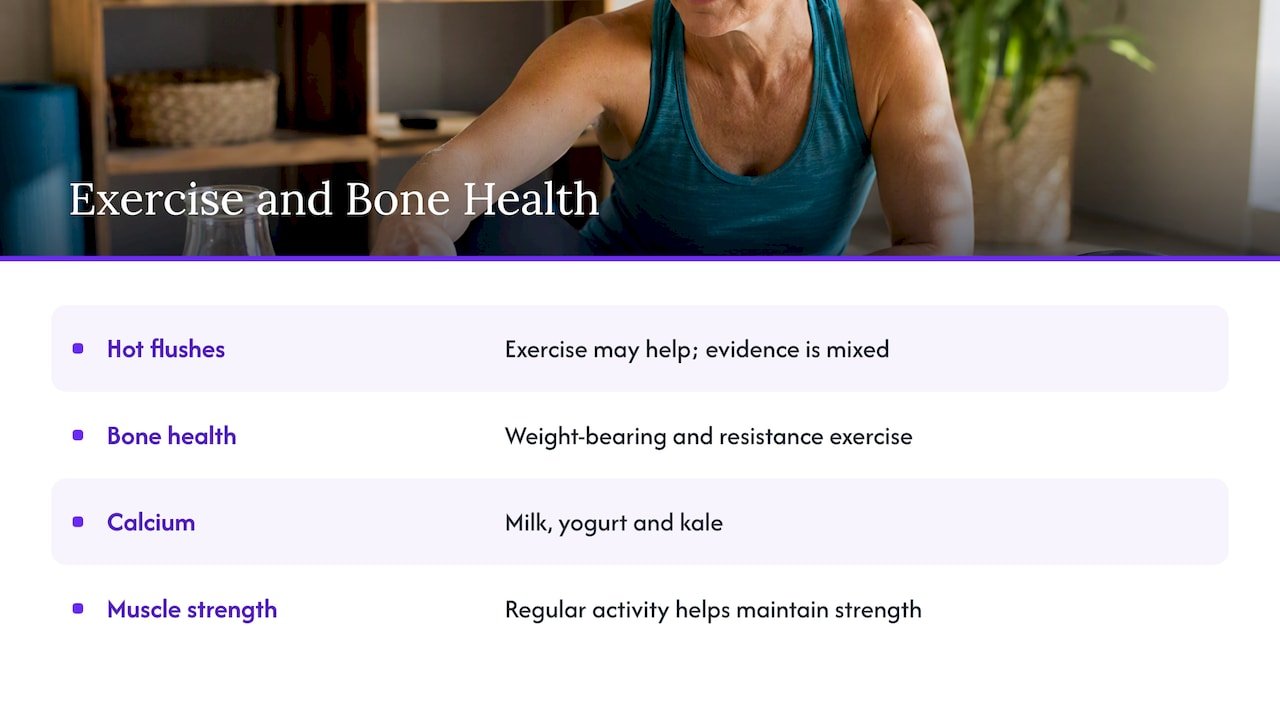
NICE guidance for the UK adds that bone health should be discussed at review appointments, and stresses maintaining muscle mass and strength through regular physical activity.
A simple weekly plan for bone and muscle
| Type | Examples | How often |
|---|---|---|
| Weight-bearing | Brisk walking, jogging, dancing, stair climbing | Most days |
| Resistance | Free weights, resistance bands, machines, bodyweight squats | 2 to 3 times a week |
| Balance and flexibility | Yoga, tai chi, stretching | A few times a week |
The frequencies above are a practical starting suggestion, not a prescription. If you have osteoporosis, a previous fracture, joint problems or heart conditions, ask your GP or a physiotherapist before changing your routine.
If you want a structured start, our 8 to 12 week strength plan for menopause builds up gradually. Protein also supports muscle, and our guide to the best protein powders for women over 40 covers choices for muscle and weight.
Heavy exercise can bring on a flush in the moment. Choose breathable clothes, exercise in a cool room or outdoors, and cool down gradually. The flush usually passes, and the long-term benefit remains.
Food, hydration and weight
There is no single menopause diet, but a balanced pattern helps. The HSE advises eating a healthy diet with calcium-rich foods. Stable meals, plenty of water and less alcohol and caffeine can all reduce night-time disruption.
Many articles recommend foods rich in phytoestrogens, such as soy and flaxseed. Soy is the best studied of these. The US National Center for Complementary and Integrative Health says soy isoflavones may modestly reduce hot flushes, though many studies were low quality. Having tofu, edamame or soya milk as part of normal meals is a low-risk way to try it. Give it several weeks before judging.
Omega-3 fats are another popular choice. We looked at the research in omega-3 for menopause: what the evidence says.
Herbal supplements: what to know before you buy
Herbal products are sold as “natural”, which many women take to mean safe. That is not always so. The NHS notes that there is uncertainty about the right doses for herbal remedies and whether their benefits last.
- Black cohosh: results across studies are inconsistent. Reports of serious liver damage have been linked to some commercial products, although it is uncertain whether the herb itself was the cause. If you take it, tell your GP, and stop and seek advice if you develop symptoms such as yellow skin or eyes, dark urine or severe tiredness.
- Soy supplements: concentrated supplements are different from soy foods. The NCCIH says safety after breast cancer is uncertain, so take advice first.
- Ginseng, ginkgo and soya: the HSE notes that these can influence hormones and may change menstrual periods.
- Vitamin E: you will see it recommended for night sweats. Ask your pharmacist or GP about suitable amounts and interactions before starting, rather than relying on online claims.
The HSE’s advice is simple: talk to a GP before taking herbal supplements or other medicines. Bring the product label to your appointment. If you are interested in stress and sleep support, our overview of top adaptogens for women in midlife explains what they are and what to check first.
If you have had cancer or are in treatment
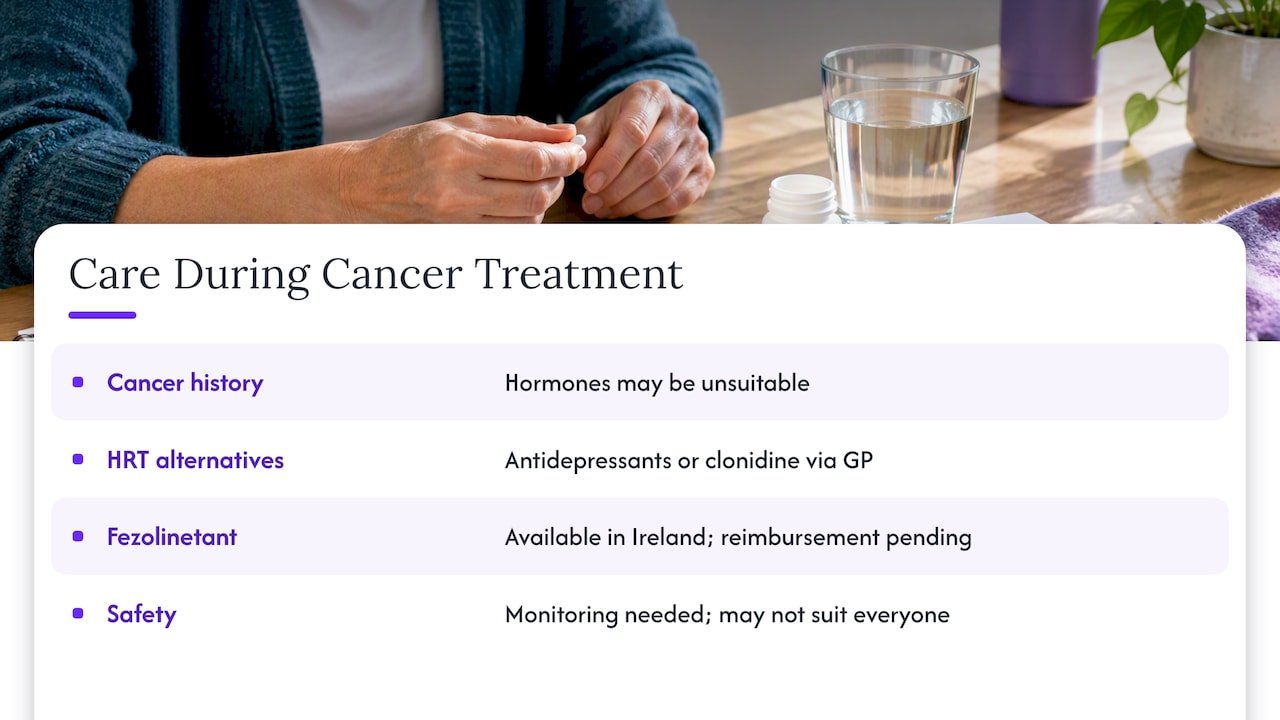
Hot flushes are common after cancer treatment, and they can be intense. Some women cannot use hormonal treatment. The HSE explains that you may not be able to have hormonal treatment if you have had certain cancers, such as breast cancer.
This is where you need a clinician, not a supplement shelf. The HSE says triggers should be avoided and cooling measures used, and that if HRT cannot be used, a GP can discuss alternatives, including some antidepressants or clonidine.
It is also worth knowing that a newer non-hormonal medicine, fezolinetant, is available in Ireland for moderate-to-severe hot flushes and night sweats, although public reimbursement was still being negotiated at the time of that report. It needs monitoring and may not suit everyone, so ask your GP or oncology team whether it could be an option.
Before trying any supplement, new therapy or exercise programme during or after cancer treatment, check with your oncology team. Cooling habits, gentle movement and relaxation are generally the safest starting points, and your team can confirm what is right for you.
When natural measures are not enough
If flushes are disturbing your sleep, work or mood, you do not need to keep coping alone. Menopausal hormone therapy is the most effective treatment for many women, and a GP can talk you through the benefits and risks for your own history. The HSE says a GP will usually recommend a review three months after starting or changing HRT, then usually once a year if all is well.
See your GP promptly if you have:
- hot flushes starting before 40 or 45,
- heavy or unusual bleeding,
- flushes with weight loss, palpitations or a persistent fever,
- low mood that is not lifting.
Some of these can have other causes that need checking, and a GP can also look at your heart and bone health. Our guide on why cardiovascular risk rises at menopause explains why that matters.
Perspective
At Live5DHealth, we see women over 40 every week who are tired of being told to simply put up with it. Our view is that the best approach combines the proven basics with restorative time that helps you feel in control of your body again.
We would always begin with what the HSE recommends: cooling, triggers, movement and your GP’s guidance. Around that foundation, we believe in recovery that is calming and enjoyable. Many of our members use our sauna, steam room and cold plunge spa as part of a wider wellness routine, and we offer holistic massage as well. Heat can be a trigger for some women, so we suggest starting gently, keeping sessions short and ending with a cool-down. Our team can talk you through it.
We do not claim that any of our therapies treats hot flushes. What we offer is a supportive, calm environment, advanced wellness technology, clean energised water throughout the facility and a holistic approach. That can help you build the habits of rest, movement and stress relief that make menopause feel more manageable. Your best self awaits, and we would love to help you feel your best.
Mark
Make space to recover with us
If you want a calm place to unwind alongside the everyday measures above, our Sauna, Steam & Cold Plunge Spa in Boyle, County Roscommon is open for drop-in visits at €30 per session. You can choose how long you spend in the heat and when you cool down.
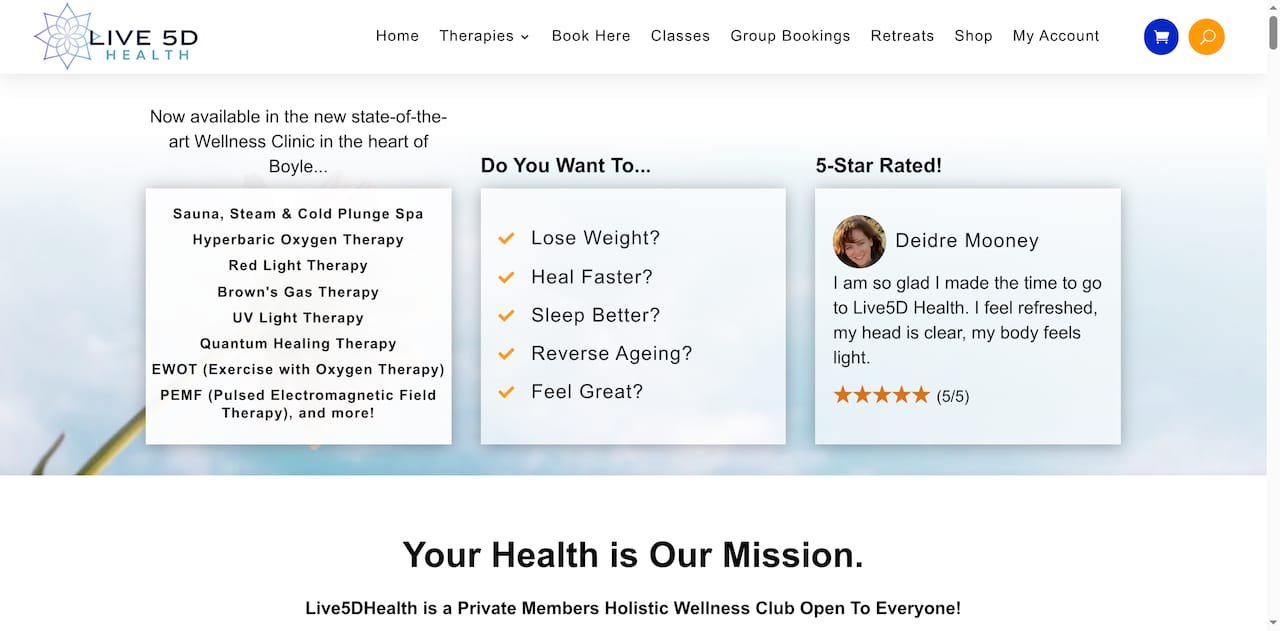
You can book the sauna, steam and cold plunge spa or browse our full range of wellness therapies. If you are curious how these fit your routine, read our guides to sauna therapy for menopause symptoms, massage for menopause and cold plunge for sleep. If you have a heart condition, are pregnant or are in cancer treatment, check with your doctor before using heat or cold therapies.
FAQ
Are there any natural cures for hot flushes?
There is no natural cure, but several measures can reduce how often flushes bother you. Cooling habits, trigger avoidance, regular activity and CBT are the ones the HSE lists. Flushes usually ease over time, though how long this takes varies from woman to woman.
Can vitamin E help with night sweats?
Vitamin E is often suggested, but the research behind it is limited, and our sources do not support firm claims. High doses can interact with other medicines, including blood thinners. Ask your GP or pharmacist before taking it, and start with cooler bedding, a fan and fewer evening triggers.
Can hot flushes happen during your period?
Yes, in perimenopause your hormones fluctuate and periods may be irregular, so flushes can arrive at any point in your cycle. Some herbal supplements can also affect hormones and periods, as the HSE notes. If your bleeding is heavy or unusual, see your GP.
Which exercise protects bones after menopause?
The HSE recommends weight-bearing exercise such as walking, running and dancing, plus resistance exercise with weights. Aim to include both each week. If you have osteoporosis or a history of fractures, ask your GP or a physiotherapist to help tailor a safe plan.
What non-hormonal options are there if I cannot take HRT?
Start with cooling measures, trigger changes and CBT. Your GP can also discuss prescription alternatives such as certain antidepressants, clonidine or fezolinetant, depending on your health and any cancer history. Do not start herbal products without advice.
Sources
- HSE: Menopause, things you can do
- HSE: Hot flushes
- HSE: Early and premature menopause
- HSE: Heavy periods overview
- HSE: About HRT
- Management of menopausal hot flushes, Spanish Menopause Society recommendations
- Complementary therapies for management of menopausal symptoms, review
- NCCIH: Menopausal symptoms and complementary health approaches
- NAMS 2023 nonhormone therapy position statement
- NHS: Herbal remedies and complementary medicines for menopause symptoms
- NICE: Menopause, identification and management
- Irish Medical Times: non-hormonal menopause treatment fezolinetant