
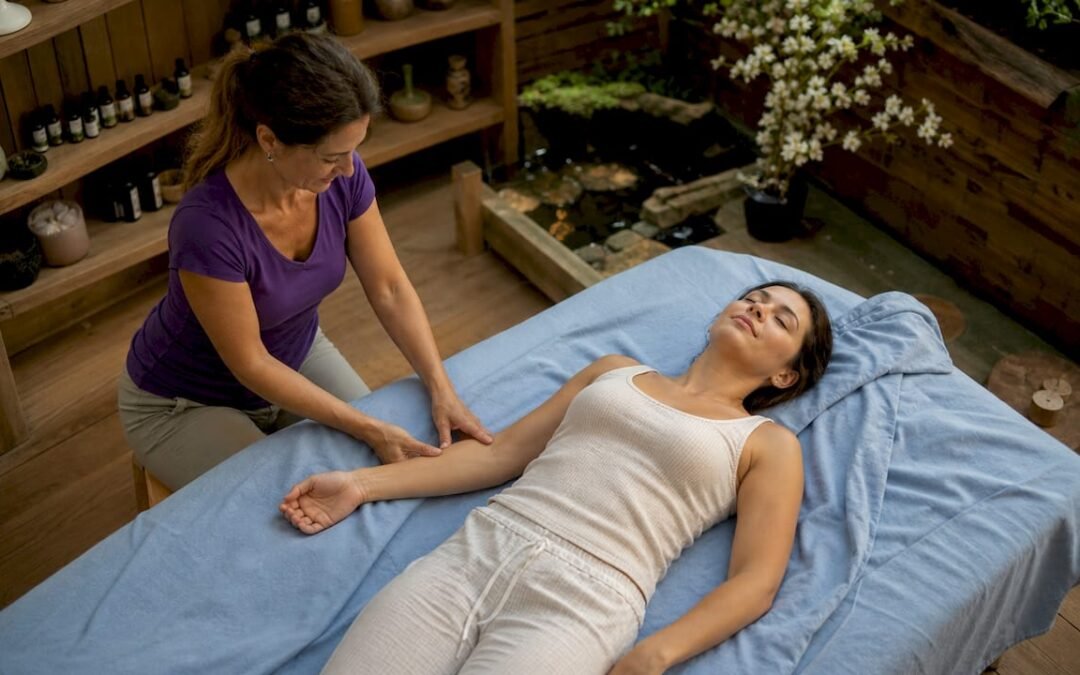
Lymphatic massage is a specialised technique designed to stimulate the lymphatic system, aid fluid movement, and reduce swelling. Known clinically as Manual Lymphatic Drainage (MLD), it uses gentle, rhythmic skin-stretching motions to move lymph fluid through the body’s network of vessels and nodes. Lymphatic massage in Ireland is growing in popularity, both as a clinical treatment for conditions like lymphoedema and as a wellness therapy for post-surgical recovery and general health. Understanding the difference between these two uses is the first step to getting real value from the therapy.
Who should consider lymphatic massage in Ireland?
MLD has clear, well-established clinical uses. People with lymphoedema, post-surgical swelling, or chronic venous insufficiency benefit most from a structured course of treatment. Those recovering from cancer treatment, particularly where lymph nodes have been removed, are among the most common clinical candidates.
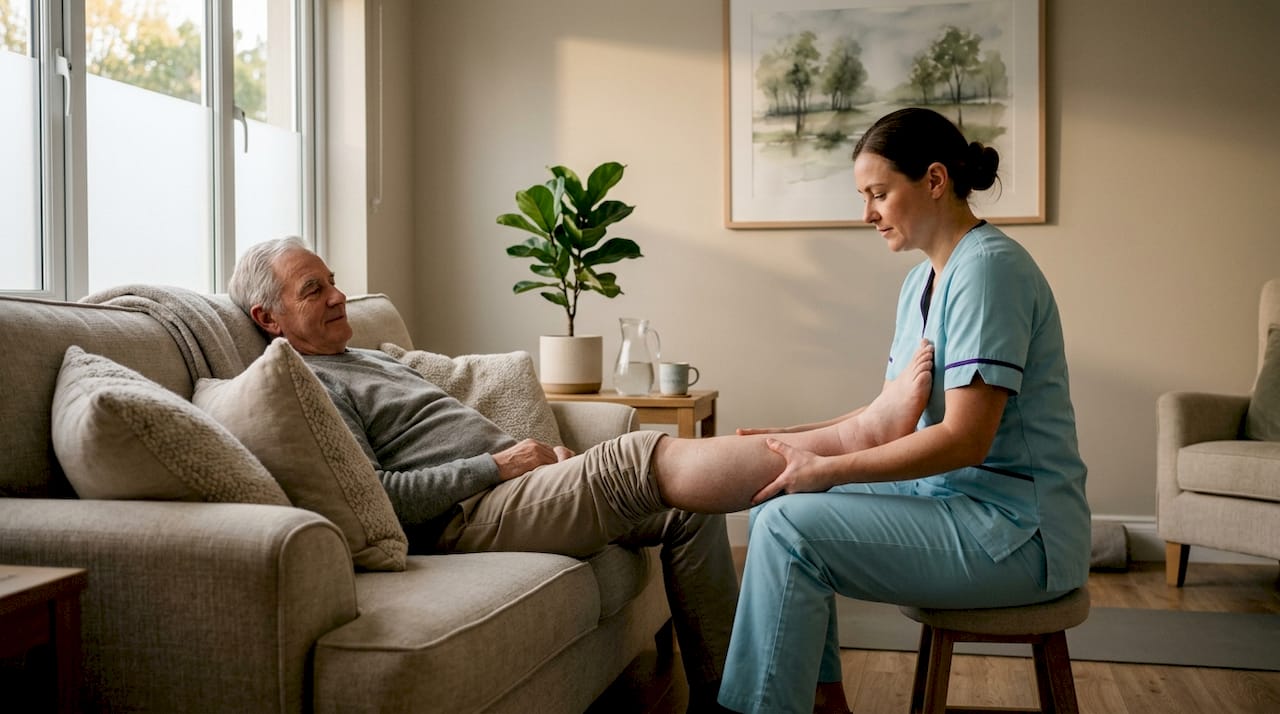
Wellness use is broader but requires more realistic expectations. People seeking relief from puffiness, post-exercise recovery, or general relaxation can benefit from lymphatic drainage therapy, though the effects are typically short-term. MLD reduces swelling temporarily but lacks scientific proof of long-term wellness effects in healthy people. That means it works well as a complement to a healthy lifestyle, not as a standalone solution.
When to consult your GP first
Not everyone is a suitable candidate. Consult your GP before MLD if you have any of the following:
- Active infections or inflammation
- Deep vein thrombosis or blood clots
- Congestive heart failure or serious kidney conditions
- Untreated or active cancer
- Acute skin conditions in the treatment area
Pro Tip: If you are unsure whether MLD is safe for you, ask your GP for a referral letter. A qualified therapist will often request one anyway before treating complex medical conditions.
The distinction between clinical and wellness lymphatic massage matters enormously. Clinical MLD addresses diagnosed medical conditions and requires a certified therapist working alongside your medical team. Wellness lymphatic massage is gentler and more broadly available, but MLD must be performed by a trained specialist to be safe and effective, regardless of the setting.
How does lymphatic massage work?
The lymphatic system is a network of vessels, nodes, and organs that carries lymph fluid through the body. Unlike the circulatory system, it has no pump. It relies on muscle contraction, breathing, and movement to keep fluid flowing. When this system is disrupted by surgery, illness, or inactivity, fluid can accumulate and cause swelling.
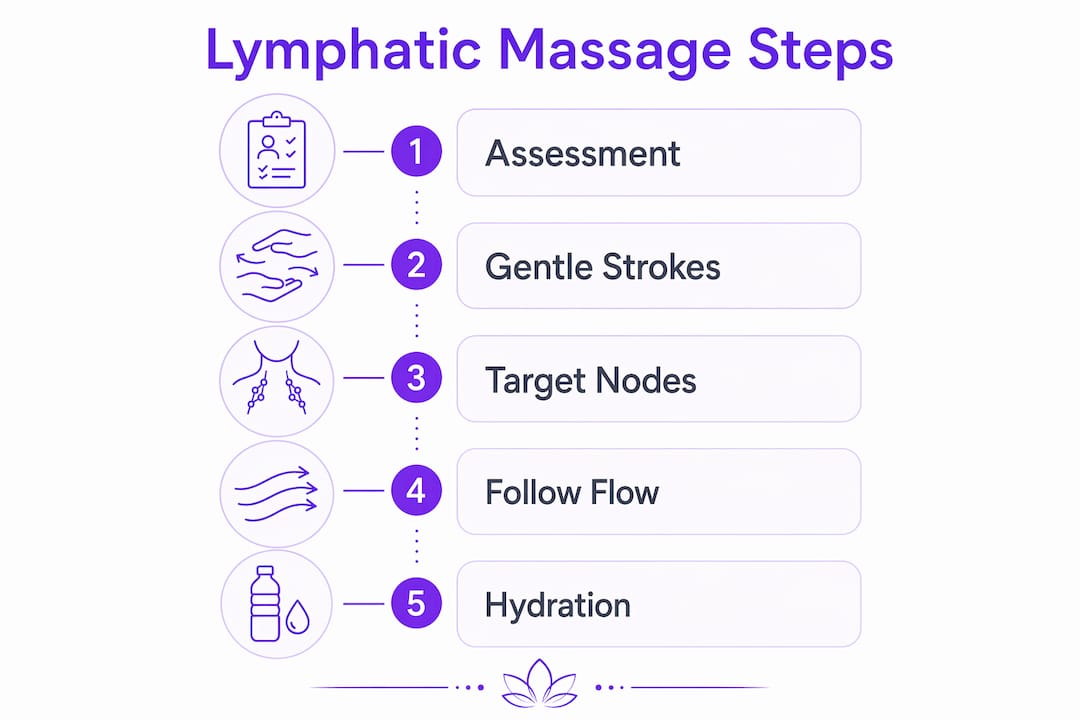
MLD addresses this by using light, precise, skin-stretching strokes that follow the direction of lymph flow toward the nearest lymph node clusters. The technique is far gentler than a standard massage. Excessive pressure during MLD can collapse lymph vessels and reduce its effectiveness. This is why the skill of the therapist matters so much.
Techniques and supporting therapies
The table below outlines the main approaches used in lymphatic therapy:
| Technique | Description | Best suited for |
|---|---|---|
| Manual Lymphatic Drainage (MLD) | Light, rhythmic skin-stretching strokes | Lymphoedema, post-surgical swelling, wellness |
| Complete Decongestive Therapy (CDT) | MLD combined with compression, skin care, and exercise | Clinical lymphoedema management |
| Compression garments | Worn between sessions to maintain fluid reduction | Lymphoedema maintenance phase |
| Therapeutic exercise | Gentle movement to stimulate natural lymph flow | All stages of recovery and wellness |
| Skin care protocols | Moisturising and protecting skin to prevent infection | Lymphoedema and post-surgical care |
CDT integrates MLD with compression, skin care, and exercise and is considered the gold standard for managing lymphoedema. CDT delivers superior long-term outcomes compared to massage alone. For wellness clients without a clinical diagnosis, MLD sessions on their own are typically sufficient.
Pro Tip: Ask your therapist whether they use the Vodder, Földi, or Casley-Smith MLD method. Each is a recognised clinical approach, and knowing which one your therapist is trained in tells you a great deal about their level of specialist training.
Muscle contraction and diaphragmatic breathing are the primary drivers of natural lymph flow. This is why exercise with oxygen therapy and structured movement programmes work so well alongside MLD sessions.
How to find quality lymphatic massage therapists in Ireland
Therapist qualification is the single most important factor when choosing where to receive lymphatic drainage therapy. MLD is not a standard massage technique. It requires specific training, and in Ireland, you should look for therapists certified through recognised bodies such as the Dr Vodder School, the Földi School, or equivalent accredited programmes.
What to look for in a clinic or therapist
A good therapist or clinic will meet most of these criteria:
- Holds a recognised MLD certification (not just a general massage qualification)
- Can explain which MLD method they use and their training background
- Conducts a full health consultation before your first session
- Asks about medications, medical history, and recent surgeries
- Works with or refers to medical professionals for clinical cases
- Maintains clear records and follows up on your progress
When contacting a clinic, ask directly: “What MLD certification do you hold, and how many clinical hours have you completed?” A confident, specific answer is a good sign. Vague responses about “lymphatic massage training” without naming a recognised school warrant further questioning.
Understanding session costs in Ireland
MLD sessions in Ireland typically cost between €60 and €110 per session. Price varies based on therapist experience, clinic location, and session length. Dublin and larger urban centres tend to sit at the higher end of that range. Clinics in County Roscommon and the west of Ireland often offer comparable quality at more accessible prices.
A course of sessions is usually recommended rather than a single appointment. Clinical lymphoedema management may require two to five sessions per week initially, while wellness clients typically benefit from one session per week for four to six weeks.
What to expect during a session and how to care for yourself afterwards
A typical MLD session follows a clear structure. Knowing what to expect helps you get the most from your time with the therapist.
- Consultation. Your therapist reviews your health history, discusses your goals, and identifies any contraindications. This takes 10–15 minutes on your first visit.
- Positioning. You lie comfortably on a treatment table, usually fully clothed or draped. MLD does not require oils or lotions.
- Treatment. The therapist applies light, rhythmic strokes beginning at the neck and working outward toward affected areas. Sessions typically last 45–60 minutes.
- Sensation. MLD feels gentle and deeply relaxing. You may notice a mild tingling or warmth in treated areas. Significant pain is not normal and should be flagged immediately.
- Post-session check. Your therapist may recommend compression garments, specific exercises, or skin care steps to maintain the effects between appointments.
- Aftercare at home. Drink plenty of water, take a gentle walk, and avoid alcohol or heavy meals for several hours after treatment.
Hydration, gentle movement, and skin care after lymphatic massage improve results and comfort. These steps are not optional extras. They are part of the therapy itself.
Some people experience mild fatigue or increased urination after a session. Both are normal responses as the body processes the fluid that has been mobilised. If you notice significant swelling, pain, or skin changes after treatment, contact your therapist or GP promptly.
For healthy people without a clinical diagnosis, exercise, hydration, and diet are more effective for long-term lymphatic health than massage alone. The recommended baseline is 150 minutes of moderate exercise or 75 minutes of vigorous exercise per week. MLD works best when it supports these habits, not when it replaces them.
Key takeaways
Lymphatic massage delivers its greatest benefit when matched to the right condition, performed by a certified therapist, and supported by consistent aftercare and healthy lifestyle habits.
| Point | Details |
|---|---|
| Clinical vs. wellness use | MLD treats lymphoedema and post-surgical swelling; wellness use offers short-term relief only. |
| Therapist certification matters | Always verify your therapist holds a recognised MLD qualification such as Vodder or Földi training. |
| CDT outperforms massage alone | Complete Decongestive Therapy combining MLD, compression, and exercise delivers superior outcomes. |
| Session costs in Ireland | Expect to pay €60–€110 per session, with courses of multiple sessions recommended for best results. |
| Aftercare is part of the therapy | Hydration, gentle movement, and skin care between sessions directly improve treatment outcomes. |
Why I think most people approach lymphatic massage the wrong way
From working with clients across Ireland, the most common mistake I see is treating MLD as a one-off luxury rather than part of a structured plan. People book a single session, feel good for a few days, and then wonder why the results did not last. That is not how the therapy works.
MLD is most powerful when it sits inside a broader programme. Pair it with red light therapy for tissue recovery, structured exercise, and proper hydration, and the results are genuinely impressive. Use it in isolation as a treat, and you will get a pleasant experience with limited lasting benefit.
The wellness industry has also oversold lymphatic massage as a detox or immune-boosting tool. Wellness claims for immunity or detox with lymphatic massage lack robust scientific support. That does not mean the therapy is not valuable. It means you should choose it for the right reasons: swelling reduction, post-surgical recovery, relaxation, and support for an already active lifestyle.
My honest advice is this. If you have a clinical condition like lymphoedema, seek a certified MLD therapist and commit to a full course of CDT. If you are a healthy person curious about the therapy, try a session at a reputable wellness centre, keep your expectations realistic, and use it as a complement to regular movement and good nutrition. The therapy works. The hype around it does not always match the evidence.
— Mark
Lymphatic massage and wellness at Live5dhealth
Live5dhealth, based in Boyle, County Roscommon, offers a full range of wellness therapies that complement lymphatic drainage treatment. Whether you are recovering from surgery, managing a health condition, or simply looking to feel your best, the centre’s certified therapists and integrated approach make a real difference.

From luxury spa treatments to structured wellness retreats, Live5dhealth combines expert care with a supportive environment designed for genuine recovery and relaxation. The centre also offers healing retreat programmes that bring together multiple therapies for a complete approach to health. If you are ready to take your wellbeing seriously, Live5dhealth is the place to start.
FAQ
What is lymphatic massage used for in Ireland?
Lymphatic massage, or MLD, is used clinically to treat lymphoedema and post-surgical swelling, and more broadly as a wellness therapy for relaxation and short-term fluid reduction. It is most effective when performed by a certified therapist as part of a structured treatment plan.
How much does lymphatic massage cost in Ireland?
MLD sessions in Ireland typically cost between €60 and €110 per session, depending on the therapist’s experience, location, and session length. A course of multiple sessions is usually recommended for lasting results.
Is lymphatic massage safe for everyone?
MLD is safe for most people but requires GP consultation if you have active infections, blood clots, heart failure, or serious kidney conditions. A qualified therapist will conduct a full health consultation before your first session.
How many sessions of lymphatic drainage therapy do I need?
Clinical lymphoedema management may require two to five sessions per week initially, while wellness clients typically benefit from one session per week over four to six weeks. Your therapist will recommend a plan based on your specific needs.
Does lymphatic massage really work for detox or immunity?
Wellness claims linking lymphatic massage to detoxification or immune boosting lack robust scientific support. MLD is proven to reduce swelling and support recovery, and works best as a complement to regular exercise, hydration, and a balanced diet.