
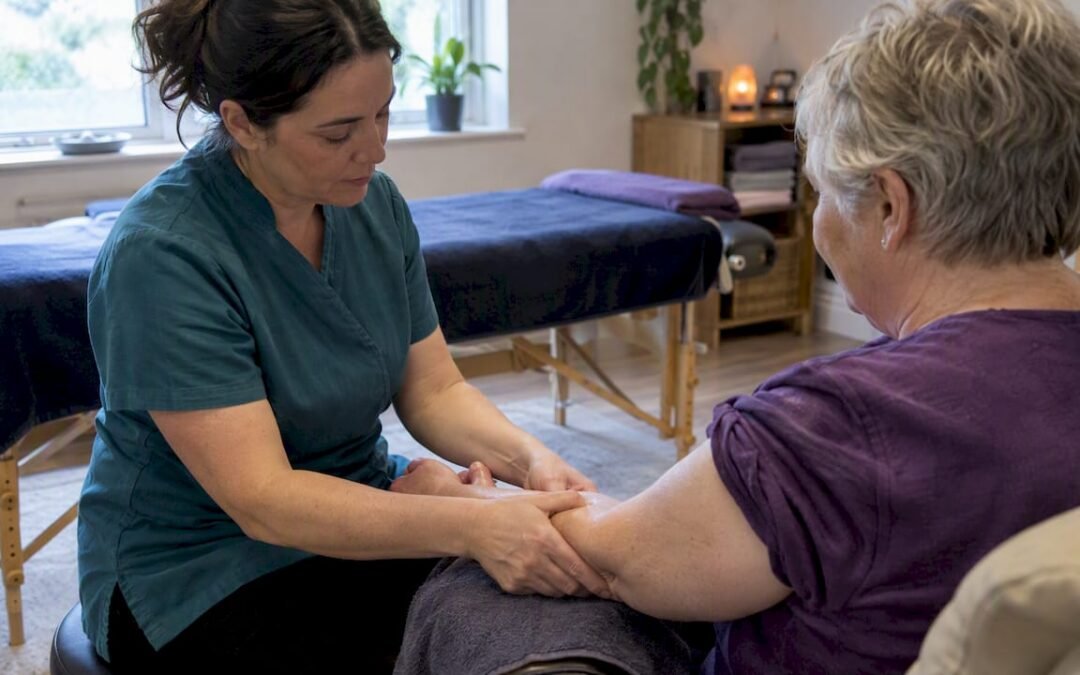
Oncology massage can reduce anxiety and pain and improve short-term wellbeing for many people with cancer, according to pooled trial data and clinical programme evaluations. Benefits are often felt immediately after a session, though repeated treatments over a week or more tend to produce stronger results. Because safety depends on each person’s treatment status and blood counts, we always recommend sessions delivered by therapists trained specifically in oncology massage.
TL;DR:
- Thirteen trials involving about 1,000 patients found better outcomes when 10 to 30 minute sessions continued for at least a week.
- Pause massage during fever, active infection, uncontrolled bleeding risk, or open wounds; unstable bone metastases also require avoiding pressure near affected bones.
- Before booking, confirm the therapist has postgraduate oncology training and share current medications, recent blood counts, and locations of ports, drains, or ostomies.
- Schedule around infusion only after checking with the oncology team, because blood counts fluctuate after chemotherapy and timing depends on the individual treatment plan.
- Evidence remains limited by small studies and differing methods, so massage should be treated as symptom support, not as cancer treatment.
Table of Contents
- Physical and emotional benefits patients commonly report
- Summary of clinical evidence: RCTs, meta-analyses and programme evaluations
- When massage is safe and when to pause or adapt treatment
- What a session looks like and how to prepare
- Choosing a qualified oncology massage therapist and planning sessions
- Publisher resources and local practitioner training
- Patient testimonials and real-world case studies
- Recommendations for at-home supportive massage techniques
- Long-term benefits and maintenance strategies post-treatment
- A personal view on integrating massage into cancer care
- How we support oncology-informed massage and recovery
- FAQ
- Sources
Physical and emotional benefits patients commonly report
When we talk to people navigating cancer treatment, the same themes come up again and again: less pain, calmer minds, better sleep. Oncology massage works across both physical and emotional domains, and the research backs up what patients tell us.
On the physical side, gentle manual techniques can ease muscle tension and support local circulation, which matters for people spending long periods in treatment chairs or recovering from surgery. Scar tissue from surgical incisions often responds well to careful, trained touch once wounds have fully healed. For anyone who has had lymph nodes removed, therapists trained in oncology massage adapt their approach to avoid aggravating lymphoedema risk, something we cover in more detail in our guide to lymphoedema after cancer.
Emotionally, the effects are just as significant. Reduced anxiety, improved mood and a sense of relaxation are among the most consistently reported outcomes, and many patients describe better sleep quality on the nights following a session.
The symptom domains most affected by oncology massage include:
- Pain, through reduced muscle tension and gentle manipulation of soft tissue
- Fatigue, often eased through relaxation and improved circulation
- Nausea, particularly when sessions are timed around chemotherapy infusions
- Anxiety and distress, with many patients reporting calmer states within minutes
- Insomnia, with some patients sleeping more soundly after treatment
It’s worth distinguishing between a single session’s effect and what a short programme of massage can achieve. A one-off treatment often brings immediate relief from tension and anxiety, while a course of sessions spaced across a week or more tends to produce more durable improvements in pain and mood. This pattern shows up consistently in the research we discuss next, and it is one reason oncology-trained therapists often recommend a short series of appointments rather than a single visit when circumstances allow.
Summary of clinical evidence: RCTs, meta-analyses and programme evaluations
The strongest evidence for oncology massage comes from a meta-analysis pooling 13 randomised controlled trials involving roughly 1,000 patients. The same analysis found that sessions lasting 10 to 30 minutes, delivered across a programme of a week or longer, tended to produce better outcomes than a single isolated treatment.
Beyond controlled trials, real-world programme evaluations add weight to the picture. Several hospitals have embedded massage therapists directly into chemoinfusion suites, offering short sessions to patients while they receive treatment. These programmes typically measure symptoms before and after each session using validated distress scales, and they consistently report meaningful drops in self-reported anxiety, nausea, pain and fatigue, alongside high patient satisfaction and no reported adverse events. Embedding massage into existing treatment pathways appears to improve uptake simply by removing the time and access barriers that stop patients booking a separate appointment.
Research is still evolving. A current National Cancer Institute clinical trial is comparing different massage targets during chemotherapy infusion, such as the feet and legs versus the head, neck and shoulders versus the hands and arms, measuring changes using the Edmonton Symptom Assessment System alongside saliva sampling. This kind of trial design should help clarify which approaches work best for which symptoms.
That said, the evidence base has real limits:
- Many individual trials have small sample sizes, which limits statistical power.
- Studies vary widely in massage modality, cancer type and treatment stage, making direct comparisons difficult.
- Larger, well-designed randomised trials are still needed to confirm optimal dosing and frequency.
None of this undermines the overall direction of the findings, but it does mean we describe oncology massage as a well-supported complementary approach rather than a guaranteed fix for any single symptom.
When massage is safe and when to pause or adapt treatment
Oncology massage is generally safe when delivered by a trained therapist who understands how cancer and its treatments affect the body. That training matters because several situations call for caution or a change in approach rather than a standard massage.
Common reasons to pause, adapt or avoid treatment include:
- Active infection or fever, which can be worsened by increased circulation.
- Low platelet counts or uncontrolled bleeding risk, often linked to recent chemotherapy.
- Recent surgery with open wounds, which need to heal before direct work nearby.
- Unstable bone metastases, where even light pressure near affected bones could cause harm.
- Chemotherapy within a window specified by the therapist’s own screening policy, since blood counts fluctuate in the days after infusion.
Ports, central lines and ostomies require their own adaptations rather than outright avoidance of massage. Trained therapists position patients carefully, work around these devices, and never apply direct pressure over them. A thorough intake consultation should always screen for and document these details before the first session begins, which is one reason the S4OM position paper on oncology massage guidelines stresses that treatment must be individualised, with pressure, positioning and session length adjusted to each patient’s current treatment status.
Pro Tip: Bring a current list of medications, recent blood counts and any device locations (ports, drains, stomas) to your first session so your therapist can plan safely around them.
What a session looks like and how to prepare
A good first session starts well before any hands-on work. Your therapist should ask about your treatment status, current medications, specific symptoms, any ports or lines, and whether you have had lymph nodes removed. This intake shapes everything that follows.
Session length and style vary by what you need that day:
- Short, focused sessions (10 to 30 minutes) often use reflexology or hand acupressure, suited to treatment days when energy is limited.
- Longer, nurturing sessions (30 to 60 minutes) work well on non-treatment days when a fuller body approach feels manageable.
- Positioning adjustments, such as side-lying or supported seating, accommodate ports, surgical sites or fatigue.
Immediate effects are usually gentle: relaxation, warmth in treated areas, sometimes mild tiredness. Drink water afterwards, allow time to rest rather than rushing to your next commitment, and report anything unusual, whether that’s unexpected pain, swelling or dizziness, to your therapist or your oncology team.
Choosing a qualified oncology massage therapist and planning sessions
Finding the right therapist matters as much as deciding to try massage at all. Before booking, ask:
- Have you completed postgraduate oncology massage training, and does it include lymphoedema-specific education?
- What experience do you have working around ports, drains or stomas?
- What is your protocol if I feel unwell or show signs of a reaction during a session?
- How do you adapt sessions around chemotherapy, radiation or recent surgery?
On timing, general practice favours scheduling massage on lower-risk days relative to infusion, though this varies by individual blood counts and treatment plan, so always confirm timing with your oncology team rather than relying on general guidance alone. If you develop a fever, notice unusual bruising, or feel generally unwell, pause treatment and speak to your care team before your next session.
Publisher resources and local practitioner training
We draw on both international research and our own observations to support this guidance. Our internal data recorded a substantial drop in cortisol following holistic massage, a finding detailed on our holistic massage benefits page, which lines up with the stress-reduction patterns reported in wider clinical literature.
For readers wanting to explore related topics, we also cover:
- Practical guidance on lymphoedema management after cancer
- A broader look at alternative cancer therapies and where they fit alongside conventional care
For therapists or carers interested in formal training, Ireland offers a respected pathway through the Massage and Touch Techniques for Cancer and Supportive Care course at Galway Hospice, which prepares practitioners to adapt treatment safely for people affected by cancer.
Patient testimonials and real-world case studies
Patients often describe oncology massage in simple, physical terms: the first time they felt their shoulders drop in weeks, the first full night’s sleep since starting chemotherapy, the relief of being touched gently rather than clinically. These accounts echo what programme evaluations measure more formally. Hospitals that have placed massage therapists directly into chemoinfusion suites report consistent patterns: patients arriving anxious and leaving calmer, nausea easing during the session rather than worsening, and high rates of patients choosing to book again.
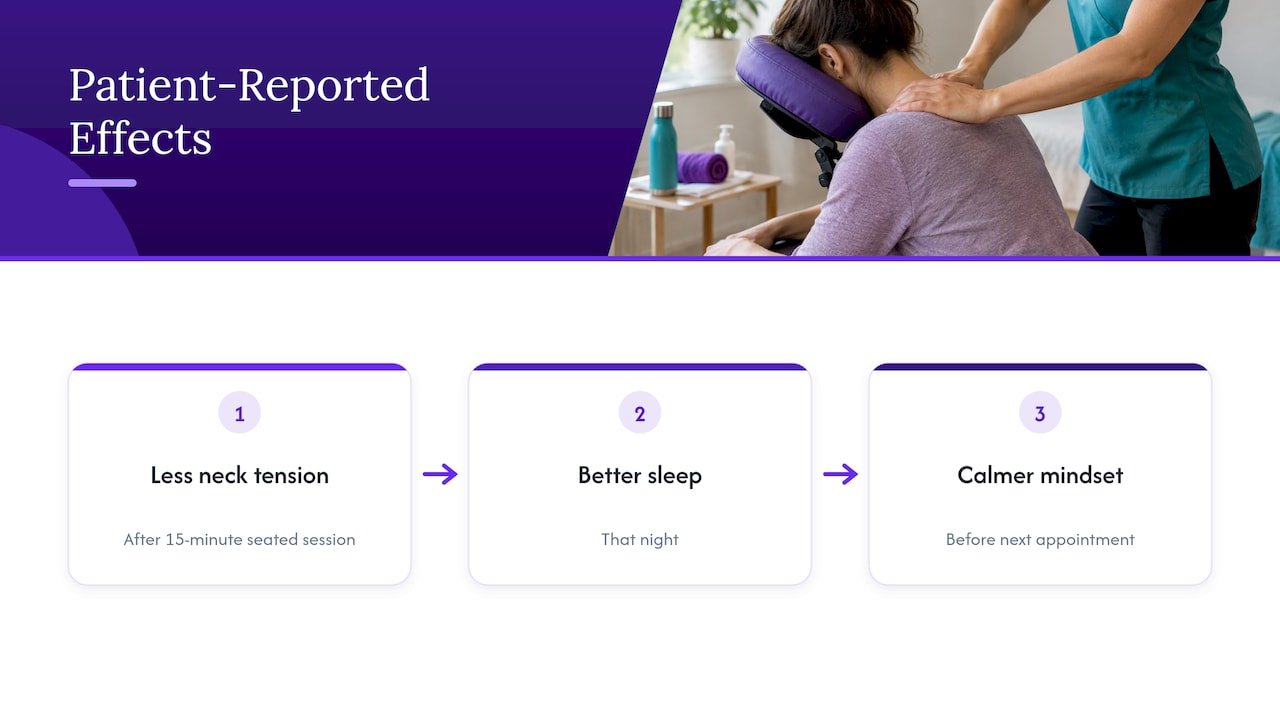
What stands out across these real-world settings is not a single dramatic transformation but a steady accumulation of small reliefs. A patient might report less tension in the neck after a 15-minute seated session, then better sleep that night, then a calmer mindset heading into their next appointment. Integrative medicine centres that have run these programmes for years describe this as the “whole-person” value of oncology massage: it offers a space for reconnection between mind and body that goes beyond any single measurable symptom.
These patterns matter because they show the research findings translating into something patients actually feel, session after session, rather than existing only in a trial report.
Recommendations for at-home supportive massage techniques
Between professional sessions, there are gentle techniques you can use at home to support comfort and relaxation, provided your oncology team has not advised against self-massage for your specific situation.
Light self-massage of the hands and feet, using slow circular strokes with a small amount of unscented oil or lotion, can ease tension without requiring much energy. Gentle scalp massage, using the fingertips rather than nails, often helps with relaxation and may support sleep. If you have not had lymph nodes removed from an arm or leg, light stroking along the limb towards the body can feel soothing, though anyone with lymphoedema risk should avoid self-directed lymphatic work and instead seek guidance from a trained therapist.
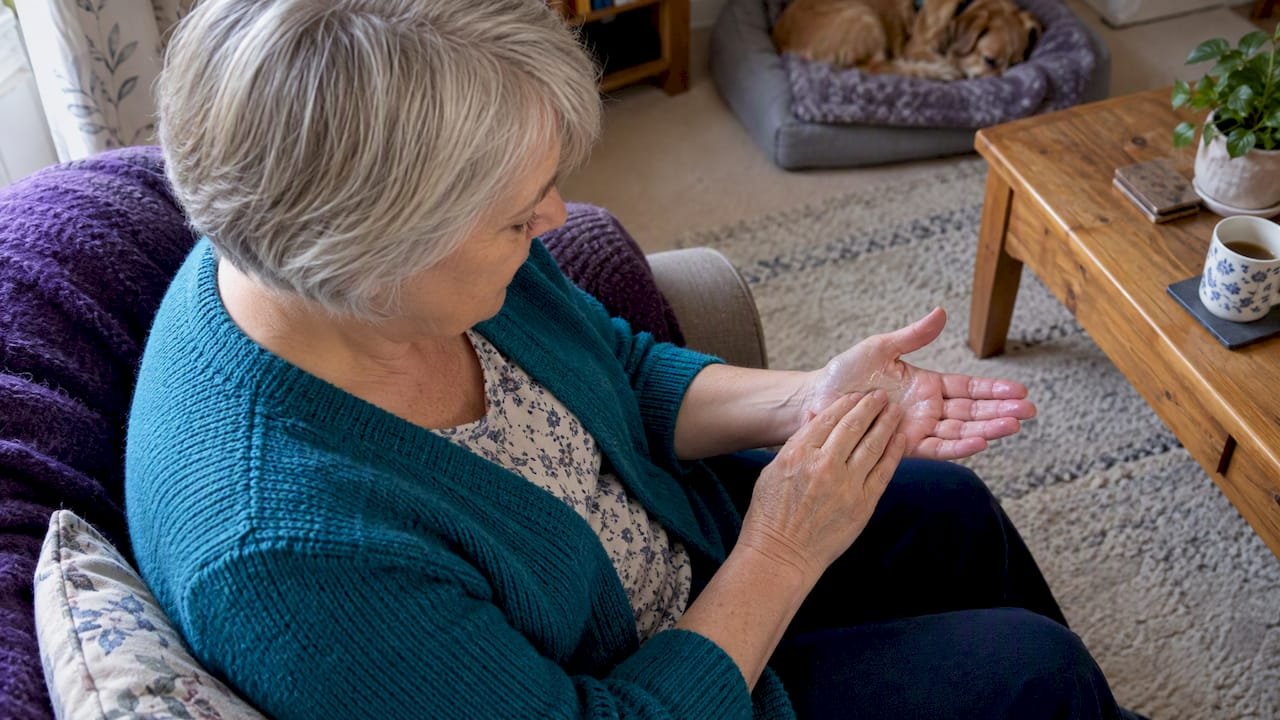
Keep pressure light throughout. The goal at home is comfort and relaxation, not deep tissue work, and you should always stop if something feels painful rather than soothing. Simple breathing exercises paired with slow hand or foot massage can also help settle anxiety before a treatment appointment or during a difficult night. These techniques are not a substitute for professional oncology massage, but they offer a small, accessible way to extend some of its calming benefits between sessions.
Long-term benefits and maintenance strategies post-treatment
Once active treatment ends, many people find that massage continues to play a useful role in recovery. Scar tissue from surgery often benefits from ongoing gentle work as it matures over many months, helping maintain flexibility in the area. Lingering fatigue and disrupted sleep, common after chemotherapy or radiation, can continue to respond to regular sessions even after the original cancer treatment has finished.
For long-term maintenance, many survivors choose to space sessions further apart, such as monthly rather than weekly, once acute symptoms have settled. This allows ongoing support for stress and physical tension without the frequency needed during active treatment. Anyone with a history of lymph node removal should continue working with a therapist trained in lymphoedema-safe techniques indefinitely, since the risk does not disappear once treatment ends.
Beyond the physical, many people describe massage as part of a broader return to feeling at home in their own body after a period defined by medical procedures and uncertainty. That psychological shift, from a body that was treated to a body that is cared for, is one of the quieter but more lasting benefits we hear about from people well into survivorship.
A personal view on integrating massage into cancer care
We believe oncology massage earns its place in supportive cancer care when it is evidence-informed and genuinely individualised, not offered as a generic relaxation treatment. The safety comes from training and clinical reasoning, not from avoiding touch altogether. What reassures us most is how collaborative this approach can be: a well-trained therapist works alongside your oncology team, not around them, and that conversation is worth having early.
— Mark
How we support oncology-informed massage and recovery
We offer holistic massage therapy adapted to each person’s circumstances, alongside complementary supportive treatments such as sauna, steam and cold plunge spa for gentle relaxation around treatment. We always begin with a consultation so we understand your treatment status, any ports or surgical sites, and what you are hoping to feel better after.

- Book a spa day including massage to experience our supportive therapies directly
- Get in touch before your visit so we can tailor your session around your treatment plan
If you are ready to explore gentle, individually adapted support, we would be glad to talk it through with you first.
FAQ
What are the benefits of massage therapy for cancer patients?
Massage therapy can meaningfully reduce pain and anxiety, with a pooled analysis of 13 trials showing a standardised mean difference of −1.16 for pain reduction. Many patients also report better mood, improved sleep and reduced fatigue, particularly with sessions repeated over a week or more.
What 5 parts of the body are not allowed to massage?
There is no single universal list, since the right areas to avoid depend on each person’s specific treatment history and risks. Oncology-trained therapists typically avoid direct pressure over ports, lines, recent surgical sites, areas with unstable bone metastases and limbs at risk of lymphoedema, adapting their approach after a full clinical assessment as outlined in oncology massage guidelines.
Can you beat stage 4 cancer?
This question is outside what massage therapy can answer, and outcomes for stage 4 cancer depend entirely on an individual’s diagnosis, treatment plan and oncology team guidance. Massage is not a cancer treatment; it is a supportive therapy that some people use alongside their medical care to help manage symptoms like pain and anxiety.
What to give someone going through chemo?
Comfort items that support rest and reduce physical strain tend to be welcomed, alongside practical gestures like help with transport to appointments. Many people also appreciate the gift of a professional oncology massage session, provided it is delivered by a therapist trained to screen for chemotherapy-related risks such as low blood counts.
Sources
- S4OM position paper: Oncology massage therapy guidelines — Safe and beneficial at all stages of cancer
- NCI clinical trial: Different types of massage therapy to reduce anxiety during chemotherapy infusion