
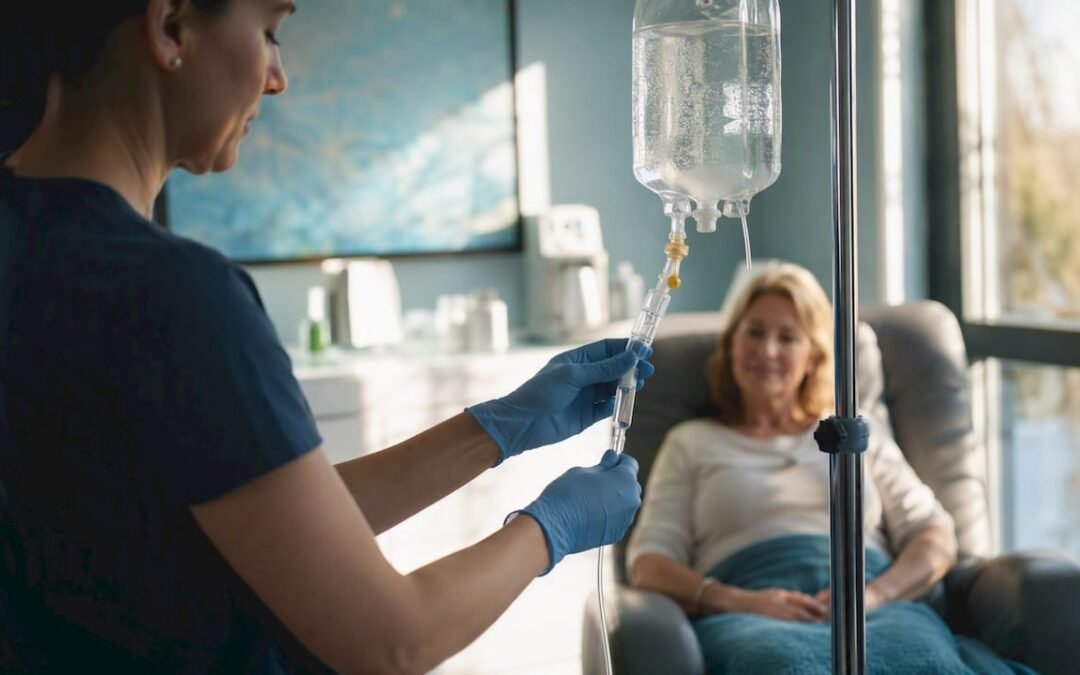
Vitamin C is not a proven cure for cancer. That is the clear position of the NHS, Cancer Research UK, and the weight of published clinical evidence. What the science does suggest, however, is more nuanced: in specific clinical contexts, particularly when administered intravenously at pharmacological doses, vitamin C may offer supportive benefits alongside conventional treatment. Route, dose, and tumour type all matter enormously. A daily supplement from a health food shop and a high-dose intravenous infusion in a monitored clinical setting are not the same thing, and conflating them is one of the most common misunderstandings patients bring to their oncology teams.
Here is what the current evidence actually shows:
- Vitamin C is generally safe in monitored clinical settings, but no large phase III randomised controlled trial has yet confirmed a survival benefit across cancer types.
- Intravenous (IV) vitamin C can reach plasma concentrations in the millimolar range; oral supplementation peaks at roughly 220 µmol/L and cannot replicate pharmacological effects.
- The strongest clinical signal in a small randomised controlled trial (RCT) setting involves acute myeloid leukaemia (AML) combined with the hypomethylating agent decitabine.
- Key safety red flags include renal impairment (risk of oxalate nephropathy), G6PD deficiency, and potential interactions with certain chemotherapy agents.
Pro Tip: Before raising vitamin C therapy with your oncology team, note down your current medications, any kidney concerns, and whether you have ever been tested for G6PD deficiency. That preparation makes the conversation far more productive.
The NCI patient information page summarises the current position well: some patients in IV vitamin C trials have reported improved quality of life and fewer side effects, but the evidence does not yet support vitamin C as a standard cancer treatment.
Key takeaways
Vitamin C is not a proven cancer cure, but the evidence for context-specific supportive roles, particularly via intravenous administration in selected tumour types, is scientifically credible and actively being investigated.
| Point | Details |
|---|---|
| Not a cure, but context matters | IV vitamin C shows supportive signals in specific settings (e.g. AML + decitabine); oral supplements cannot replicate these effects. |
| Route determines plasma level | Oral vitamin C peaks at ~220 µmol/L; only IV dosing reaches the millimolar concentrations needed for pro-oxidant anticancer effects. |
| Safety checks are non-negotiable | Renal function, G6PD status, and drug interactions must be assessed before any IV vitamin C protocol. |
| Talk to your oncology team first | Check trial eligibility via the NHS clinical trials portal or Cancer Research UK’s trial finder before pursuing private IV therapy. |
| Live5dhealth supports recovery | Evidence-led therapies including hyperbaric oxygen, red light, and PEMF are available at Live5dhealth’s retreat centre in Ireland. |
Table of Contents
- What does the clinical evidence say about vitamin C in cancer?
- How might vitamin C act on cancer biology?
- Why does the route of administration change everything?
- What do clinical trials and safety data actually show?
- How can you take practical steps in the UK?
- What does emerging research suggest for the future?
- A measured perspective on what this evidence means for you
- Supporting your wellbeing alongside cancer treatment
- Sources
What does the clinical evidence say about vitamin C in cancer?
The evidence base for the role of vitamin C in cancer care follows a familiar pattern in integrative oncology: strong preclinical signals, encouraging but limited early-phase human data, and a persistent absence of large, definitive randomised trials.
Most human data come from phase I safety studies and small phase II trials. These consistently show that high-dose IV vitamin C is well tolerated, with minimal severe adverse effects even at doses of 1–1.5 g/kg body weight. What they cannot reliably show is whether that tolerability translates into meaningful clinical benefit across a broad patient population.
A systematic review pooling 19 trials of mixed design concluded that vitamin C supplementation is safe but that the evidence remains heterogeneous and insufficient to prove a clinically relevant survival benefit across all cancer patients. Intravenous routes showed more promise than oral in several of those trials, but the review authors were careful to note the low overall study quality. Small sample sizes, varied dosing schedules, different tumour types, and inconsistent outcome measures make it very difficult to draw firm conclusions.
Where signals do appear, they tend to cluster around quality of life and symptom relief rather than tumour response. Some phase I/II reports describe reductions in fatigue, nausea, and pain scores in patients receiving IV vitamin C alongside standard chemotherapy. The most specific positive RCT signal involves AML patients treated with decitabine, where a small trial suggested a benefit in median survival, though this finding needs replication in a larger, adequately powered study before it can influence clinical practice.
| Parameter | Oral vitamin C | IV vitamin C |
|---|---|---|
| Typical peak plasma level | ~220 µmol/L | Millimolar range |
| Evidence tier | Preclinical, observational | Phase I/II, small RCTs |
| Primary proposed effect | Antioxidant, immune support | Pro-oxidant cytotoxicity, epigenetic modulation |
| Safety profile | Generally safe; GI upset at high doses | Safe in monitored settings; renal and G6PD caution required |
| Strongest clinical signal | Dietary adequacy, QOL support | AML + decitabine (small RCT); QOL improvement |
The JECCR 2021 review of high-dose IV vitamin C describes it as a multi-targeting adjuvant with strong early-phase safety data, while explicitly calling for larger randomised studies to settle the efficacy question. Phase III trials remain the missing piece.
How might vitamin C act on cancer biology?
Understanding why dose and route matter requires a brief look at the biology. Vitamin C does not behave the same way at all concentrations, and that concentration-dependence is central to its proposed anticancer mechanisms.
Redox switching: antioxidant versus pro-oxidant
At the physiological concentrations maintained by a healthy diet, vitamin C acts as an antioxidant, donating electrons to neutralise free radicals and protect cells from oxidative damage. At the pharmacological concentrations achievable only through IV infusion, the chemistry reverses. High extracellular vitamin C reacts with free iron and copper ions to generate hydrogen peroxide, which can selectively damage cancer cells. Tumour cells often have lower levels of catalase and other hydrogen-peroxide-neutralising enzymes than healthy tissue, making them more vulnerable to this pro-oxidant effect. The Frontiers review on vitamin C’s dual roles describes this concentration-dependent switch clearly and notes that preclinical models have shown striking results, including a reported 62% reduction in liver metastases in a pancreatic cancer model. Translating that to human patients, however, remains the central challenge.
Epigenetic cofactor roles
Vitamin C serves as an essential cofactor for a family of enzymes called Fe²⁺/2-oxoglutarate-dependent dioxygenases. Two subgroups are particularly relevant to cancer: TET enzymes, which demethylate DNA and can restore silenced tumour suppressor gene expression, and Jumonji-domain histone demethylases, which regulate chromatin accessibility. When vitamin C is deficient, these enzymes underperform, and epigenetic silencing of protective genes may accumulate. A 2026 review in Clinical Epigenetics describes vitamin C’s regulatory role in these pathways and introduces the concept of “Vitcylation,” a form of vitamin-dependent protein modification that may have further implications for cancer cell signalling. This epigenetic angle helps explain why vitamin C combinations with hypomethylating agents such as decitabine are scientifically rational in tumours with TET2 mutations.
Immune modulation
Vitamin C supports the function of natural killer cells, T-lymphocytes, and dendritic cells. After intensive chemotherapy or stem-cell transplant, immune recovery can be slow, and there is early evidence that vitamin C may support that recovery. Research into combinations with checkpoint inhibitors is ongoing.

Pro Tip: When reading about vitamin C and cancer online, always check whether a study used oral or IV administration and what the plasma concentrations were. A result from a high-dose IV trial tells you nothing about what a daily supplement will do.
Why does the route of administration change everything?
The pharmacokinetics of vitamin C are tightly regulated by the body, and that regulation is the reason a supplement cannot replicate an IV infusion.
When you take vitamin C orally, intestinal transporters (primarily SVCT1) absorb it into the bloodstream. Those transporters saturate at relatively modest doses. Even at very high oral doses, plasma vitamin C typically peaks at around 220 µmol/L. The kidneys then excrete any excess, so taking more simply increases urinary output rather than plasma concentration. This ceiling is a physiological safeguard, not a flaw, but it means oral supplementation cannot reach the millimolar plasma concentrations that underlie the proposed pro-oxidant anticancer effects described above.
IV administration bypasses intestinal absorption entirely. Plasma concentrations in the millimolar range are achievable and reproducible. That is the pharmacological territory where hydrogen peroxide generation, selective cytotoxicity, and the epigenetic effects described in the mechanisms section become plausible.
Key clinical considerations for IV vitamin C include monitoring for potential side effects to ensure patient safety.
- Renal function: Vitamin C is metabolised to oxalate. In patients with impaired kidney function, oxalate can accumulate and cause oxalate nephropathy. Baseline renal function tests are standard before starting any IV protocol.
- G6PD screening: Patients with glucose-6-phosphate dehydrogenase (G6PD) deficiency are at risk of haemolytic anaemia when exposed to high-dose vitamin C. Screening is a non-negotiable pre-infusion check.
- Hydration: Adequate hydration before and during infusion reduces the risk of renal complications.
- Drug interactions: Theoretical and early-data concerns exist around interactions with certain chemotherapy agents, including some alkylating agents and bortezomib. Timing of infusions relative to chemotherapy cycles needs to be agreed with the treating oncologist.
For information on how pre-treatment safety checks work in adjunctive therapies more broadly, the HBOT contraindications safety checklist offers a useful parallel framework.
Pro Tip: Before any private IV vitamin C infusion, request baseline blood tests covering renal function, electrolytes, and G6PD status. Bring those results to your oncologist and agree in writing how the infusions will be scheduled around your chemotherapy cycles.
What do clinical trials and safety data actually show?
The safety profile of high-dose IV vitamin C is one of the most consistent findings across the literature. Phase I trials have repeatedly demonstrated tolerability at doses up to 1.5 g/kg, with the most common adverse effects being mild: thirst, dry mouth, and transient changes in blood pressure during infusion. Severe adverse events are rare in patients without the contraindications listed above.
Phase II data are more mixed. Some trials report meaningful improvements in fatigue, pain, and overall quality of life in patients receiving IV vitamin C alongside standard chemotherapy. Others show no significant difference. The heterogeneity of tumour types, dosing schedules, and outcome measures makes it genuinely difficult to synthesise these results into a single conclusion.
The AML and decitabine signal deserves specific mention. A small RCT in AML patients treated with the hypomethylating agent decitabine found a positive trend in median survival in the vitamin C arm. The biological rationale is coherent: decitabine inhibits DNA methyltransferases, and vitamin C activates TET enzymes that demethylate DNA, so the two agents may act synergistically to restore tumour suppressor gene expression. This is a promising but limited finding. It applies to a specific tumour type, a specific drug combination, and a small patient cohort.
Hard safety warnings that must be discussed with a clinician before starting any vitamin C protocol:
- Renal impairment: Any degree of kidney dysfunction raises the risk of oxalate nephropathy significantly.
- G6PD deficiency: High-dose vitamin C can trigger haemolytic anaemia in affected individuals.
- Iron overload conditions: Vitamin C enhances iron absorption and could worsen conditions such as haemochromatosis.
- Chemotherapy interactions: Potential interference with the oxidative mechanism of certain chemotherapy drugs (e.g., bortezomib) has been raised in early data; timing and coordination with the oncology team are essential.
The systematic review is clear: safety is acceptable in monitored settings, but the absence of standardised protocols means that dose, frequency, and patient selection vary considerably between centres. That variability is itself a limitation when trying to interpret or compare trial results.
For a broader perspective on how adjunctive therapies interact with conventional cancer treatment, the alternative cancer therapies guide on the Live5dhealth site covers the key principles of evidence-led integration.
How can you take practical steps in the UK?
If you are a patient or carer in the UK considering vitamin C as part of a cancer care plan, the most productive starting point is a conversation with your oncology team, not a supplement purchase. Here is a structured approach.
Before your consultation, prepare the following:
- A list of all current medications, supplements, and herbal remedies (vitamin C can interact with several drugs).
- Any recent blood test results, particularly renal function and electrolytes.
- Questions about whether you have ever been tested for G6PD deficiency.
- A note of any symptoms you are hoping to address (fatigue, nausea, pain) so the conversation stays focused.
- The name of any specific trial or protocol you have read about, so your team can assess its relevance to your tumour type and treatment stage.
Questions to ask your oncology team:
- Is there a clinical trial involving IV vitamin C that I might be eligible for?
- Are there any interactions between vitamin C and my current chemotherapy regimen?
- Should I have my vitamin C status checked, given that deficiency is common in cancer patients?
- If I pursue private IV therapy, how do we coordinate timing with my treatment schedule?
Where to find UK trials and resources:
- The NHS clinical trials portal lists trials recruiting in England, Wales, Scotland, and Northern Ireland.
- Cancer Research UK’s trial finder at cancerresearchuk.org allows you to search by cancer type and treatment category.
- PubMed and PMC provide access to primary studies and systematic reviews for those who want to read the source evidence.
The NHS position is straightforward: IV vitamin C is not a standard cancer treatment. The NHS does not currently fund it outside of approved clinical trials. Cancer Research UK acknowledges patient interest and supports trial recruitment but does not endorse unsupervised use. Private IV vitamin C clinics do operate in the UK, and costs vary considerably. If you pursue this route, documented informed consent and written coordination with your NHS oncology team are not optional extras; they are safety requirements.
Pro Tip: Ask your GP to check your serum vitamin C level at your next blood test. Deficiency is surprisingly common in people undergoing chemotherapy, and correcting a genuine deficiency through diet or standard supplementation is a low-risk, evidence-supported step that does not require IV therapy.
For guidance on how other supplements interact with health conditions and treatment plans, the curcumin supplements guide and the magnesium supplements guide on the Live5dhealth site offer useful framing on evidence-led supplementation.
What does emerging research suggest for the future?
The science around vitamin C and cancer is moving quickly, and the direction of travel is away from the simple antioxidant narrative towards a far more sophisticated understanding of its roles in cell signalling, epigenetics, and immune biology.
Epigenetic combination strategies
The TET enzyme pathway is attracting the most focused research attention. Tumours with TET2 truncating mutations, which are common in AML and certain myelodysplastic syndromes, may be particularly sensitive to vitamin C’s epigenetic effects. Similarly, KRAS and BRAF mutations alter how cancer cells handle oxidative stress, making them candidate biomarkers for patient stratification in future trials. The logic is that vitamin C combined with hypomethylating agents such as decitabine could produce synergistic epigenetic reprogramming in selected tumour genotypes, a hypothesis that small RCT data support and that larger trials need to test.
Delivery challenges and nanotechnology responses
Vitamin C is chemically unstable. It oxidises rapidly in solution, has a short half-life in circulation, and distributes broadly rather than concentrating at tumour sites. A nanotechnology review describes active research into lipid-based nanocarriers, polymeric nanoparticles, and metal-based nanozymes designed to protect vitamin C from degradation, extend its circulation time, and allow tumour-responsive release. These strategies could, in principle, deliver pharmacological concentrations directly to tumour microenvironments without requiring the very high systemic doses that carry renal risk.
Vitcylation and protein modification
The concept of Vitcylation, described in the 2026 Clinical Epigenetics review, refers to vitamin-C-dependent post-translational protein modification. This is an early-stage but potentially significant finding: if vitamin C modifies specific proteins involved in tumour signalling, it opens a new mechanistic avenue that goes beyond redox chemistry and epigenetics.
What is still needed:
- Phase III randomised controlled trials with pre-specified primary endpoints and adequate statistical power.
- Validated biomarkers (TET2 status, KRAS/BRAF mutation profile) to identify which patients are most likely to benefit.
- Standardised IV protocols covering dose, infusion frequency, and patient selection criteria.
- Head-to-head data on nano-formulations versus standard IV administration.
The immune modulation research context explored elsewhere on the Live5dhealth site reflects how multiple adjunctive approaches are converging on similar biological targets, including immune recovery and oxidative stress management.
A measured perspective on what this evidence means for you
The evidence on vitamin C in cancer care is genuinely interesting, and it would be a disservice to dismiss it as fringe science. The mechanistic rationale is coherent, the safety data from early trials are reassuring, and the epigenetic combination hypothesis is scientifically credible. At the same time, the gap between a promising phase I/II signal and a proven clinical benefit is wide, and that gap has swallowed many therapies that looked compelling at the preclinical stage.
What strikes me most about this field is how much the conversation has been distorted by the oral-versus-IV confusion. Patients read about dramatic preclinical results or small trial improvements and reach for high-dose oral supplements, which simply cannot produce the plasma concentrations those results depended on. That is not a failure of vitamin C; it is a failure of communication. The pharmacokinetics are not complicated once explained clearly, and every patient considering this therapy deserves that explanation before spending money or, more importantly, before making decisions that could interact with their treatment.
The AML and decitabine signal is the most clinically specific finding available right now. If you or someone you care for has AML and is being treated with a hypomethylating agent, that is a conversation worth having with your haematologist, not because the evidence is definitive, but because the biological rationale is strong and trial eligibility is worth checking.
For everyone else, the most evidence-supported step remains straightforward: check for deficiency, correct it if present, coordinate any supplementation with your oncology team, and watch the trial landscape. The phase III data that will settle this question are coming. This article is informational and is not a substitute for clinician advice; always consult your oncology team before starting supplements or IV therapy.
Supporting your wellbeing alongside cancer treatment
At Live5dhealth, we understand that people navigating cancer treatment are looking for more than information. They want a space where evidence-led therapies are delivered with genuine care, and where every session is coordinated with their broader health picture. Our luxury healing retreats in the west of Ireland offer hyperbaric oxygen therapy, red light therapy, PEMF therapy, and holistic massage in a setting designed for recovery and restoration. These are not replacements for oncology care; they are thoughtfully integrated additions to it, chosen for their safety profiles and their growing evidence base in supportive cancer care.
If you are researching complementary approaches and want to speak with our team about what might suit your situation, visit Live5dhealth to explore our services or book a consultation. We also stock a curated range of health supplements for those looking to support their nutritional status during treatment, always with the recommendation to confirm choices with your clinical team first.
Sources
The following sources were used to support this article and are recommended for patients, carers, and health professionals seeking primary evidence or practical guidance.
- The Effect of Vitamin C (Ascorbic Acid) in the Treatment of Patients with Cancer: A Systematic Review – PMC
- Frontiers | The dual role of vitamin C in cancer: from antioxidant prevention to prooxidant therapeutic applications
- Intravenous Vitamin C – NCI