
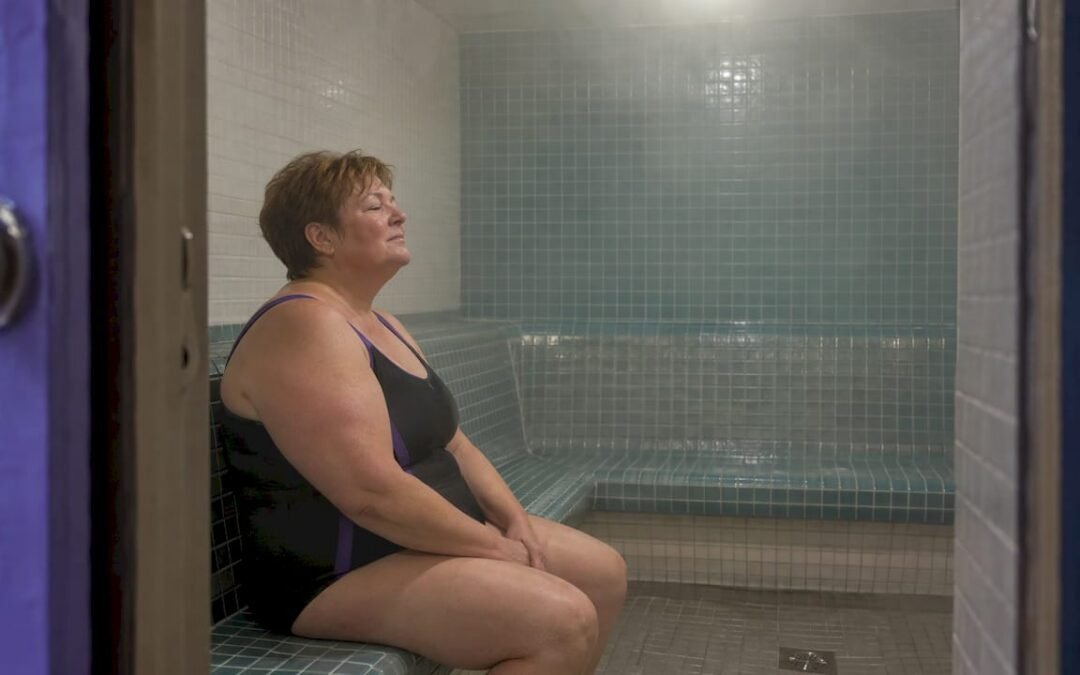
A steam room can make a blocked nose feel better for a while. The warm, damp air moistens your nasal passages and loosens mucus, so breathing feels easier while you sit there. The relief is short-lived, and it works best as one comfort measure alongside others, not as a cure. If you are having chemotherapy, immunotherapy or radiotherapy, the guidance is different: speak to your oncologist before using any steam room. At Live5dhealth in Boyle, County Roscommon, our Sauna, Steam & Cold Plunge Spa is a €30 one-off session, and many guests use it for exactly this kind of warm, restful breathing space.
TL;DR
- Warm, humid air in a steam room can leave your nose feeling clearer and your face more relaxed, but the effect is temporary.
- Trials of steam inhalation show the clearest benefit for headache; for lasting sinus symptoms, a saline nasal rinse has the stronger evidence.
- Keep sessions short, drink water before and after, and step out if you feel dizzy or unwell.
- During cancer treatment, the safest advice from the SATCC is to avoid steam rooms and saunas unless your oncology team says otherwise.
- See your GP if symptoms last longer than a week, get worse, or you keep getting sinusitis.
Table of Contents
- What a steam room actually does for a blocked nose
- What the research says about steam and sinus symptoms
- Steam room or bowl of steam: which is safer?
- How to use a steam room when you are congested
- Who should check first
- When to see your GP instead
- Making the most of a spa visit
- Try our spa in Boyle
- Our perspective
- FAQ
- Sources
What a steam room actually does for a blocked nose
Your sinuses are air-filled spaces behind your cheeks, eyes and forehead. When you have a cold, an allergy or an infection, the lining swells and mucus gets thick, which is why your nose feels blocked and your face feels full.
A steam room is a small, tiled space filled with warm vapour, so the air you breathe is close to fully saturated with moisture. That does three useful things for a congested reader:
- It moistens dry nasal lining. Central heating, winter air and colds all dry the nose out. Humid air feels soothing on that irritated tissue.
- It loosens thick mucus. Warmth and moisture make mucus runnier, so it is easier to blow out or let drain.
- It helps you relax. Tension in the jaw, neck and face often makes sinus pressure feel worse. Sitting in warmth with slow breathing eases that.
The relief tends to be strongest while you are in the room and in the hour or so afterwards. That is why it is best thought of as comfort and support, not treatment. Sources on steam and congestion describe the same pattern: any relief is temporary and does not speed recovery.
What the research says about steam and sinus symptoms
Most studies look at steam inhalation (breathing over a bowl or a device), not steam rooms, but they are the nearest evidence we have, so it is worth knowing what they found.
Chronic or recurring sinus symptoms. A 2016 randomised trial of 871 patients in 72 English primary care practices tested daily steam inhalation and saline nasal irrigation (rinsing the nose with salt water). Steam reduced headache, but had no significant effect on the other symptom measures. Nasal irrigation improved the Rhinosinusitis Disability Index, a questionnaire scoring how much sinus problems affect daily life, at 3 and 6 months. The authors also noted that irrigation’s benefit appeared mostly in the group that combined both approaches, which suggests steam may have a supporting role. The University of Southampton summary adds that even brief video-based advice on saline irrigation improved symptoms and cut over-the-counter medicine use.
Colds. A Cochrane review of heated, humidified air for the common cold found the evidence uncertain, with only two small studies and low-quality evidence overall. Some analyses showed a benefit and others did not.
Hot dry air. A 2010 Australian trial of sauna visits found no significant change in overall cold symptom severity, although medicine use and day-one and day-two symptom scores did differ between groups.
What this means for you in practice:
- A steam room is a pleasant way to feel more comfortable, and headache relief is the one benefit the larger trial did show for steam.
- If your sinus trouble keeps coming back, a daily saline rinse is the habit with the best evidence behind it, and a warm steam session can sit alongside it.
- Expect a few hours of easier breathing, not a lasting fix.
Steam room or bowl of steam: which is safer?
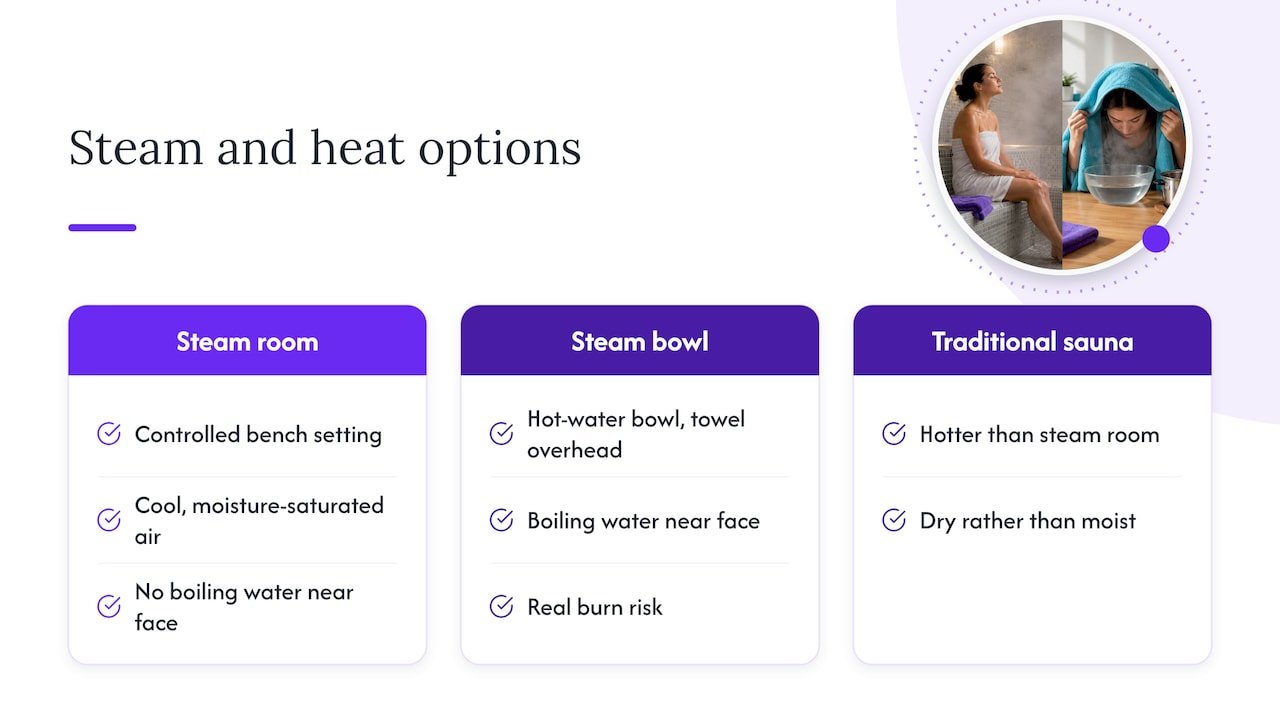
A steam room is a controlled space where you sit on a bench in humid air. A bowl of hot water with a towel over your head is a different thing, and it carries a real burn risk. A consultant at Morriston Hospital’s burns centre warned of a rise in burn injuries from bowls of hot water. In a steam room there is no bowl to tip over and no boiling water near your face, which is one reason many people prefer it for gentle, hands-off warmth.
A steam room also differs from a traditional sauna. A sauna is hot and dry, while a steam room is cooler but saturated with moisture. If your nose is dry and irritated, many people find the moist air of a steam room more soothing than dry heat. Whichever you choose, listen to your body and leave when you have had enough.
How to use a steam room when you are congested
This is the routine we suggest for a healthy adult with an ordinary cold or seasonal congestion.
1. Drink water first
Heat makes you sweat, and when you are already unwell you may be a little dehydrated. Have a glass or two of water beforehand. If you sweat heavily or visit often, our guide to electrolytes for sauna sessions explains the sodium range and timing.
2. Shower and settle in
A quick warm shower removes products from your skin and starts to warm you gently. Sit on the lower bench first, where it is a little cooler, and breathe in through your nose.
3. Keep it short
Begin with a few minutes and build up only if you feel comfortable. There is no benefit in pushing through. If you feel light-headed, nauseous, or your heart is racing, leave straight away and sit somewhere cool.
4. Breathe slowly and steadily
Long, slow breaths through the nose, then out through the mouth, help you relax your face and jaw. Gently blow your nose when you leave the room, one nostril at a time.
5. Cool down and rehydrate
Give yourself time to cool down before dressing, and drink water again. If you are heading to a cold plunge afterwards and have any heart condition or blood pressure concerns, check with your GP first; our article on research-led sauna protocols for heart health covers the details.
6. Add the habits with the best evidence
Pair the session with a saline nasal rinse at home, plenty of fluids and rest. The trial evidence above points to the rinse as the more reliable daily habit for sinus symptoms, and a warm steam session fits well around it.
If it is your first visit to a spa, our guide to luxury spa etiquette explains why arriving 15 to 30 minutes early helps you settle in without rushing.
Who should check first
Heat is a gentle stress on the body, and for most healthy adults it is comfortable. Some situations call for a conversation with your doctor first.
During cancer treatment
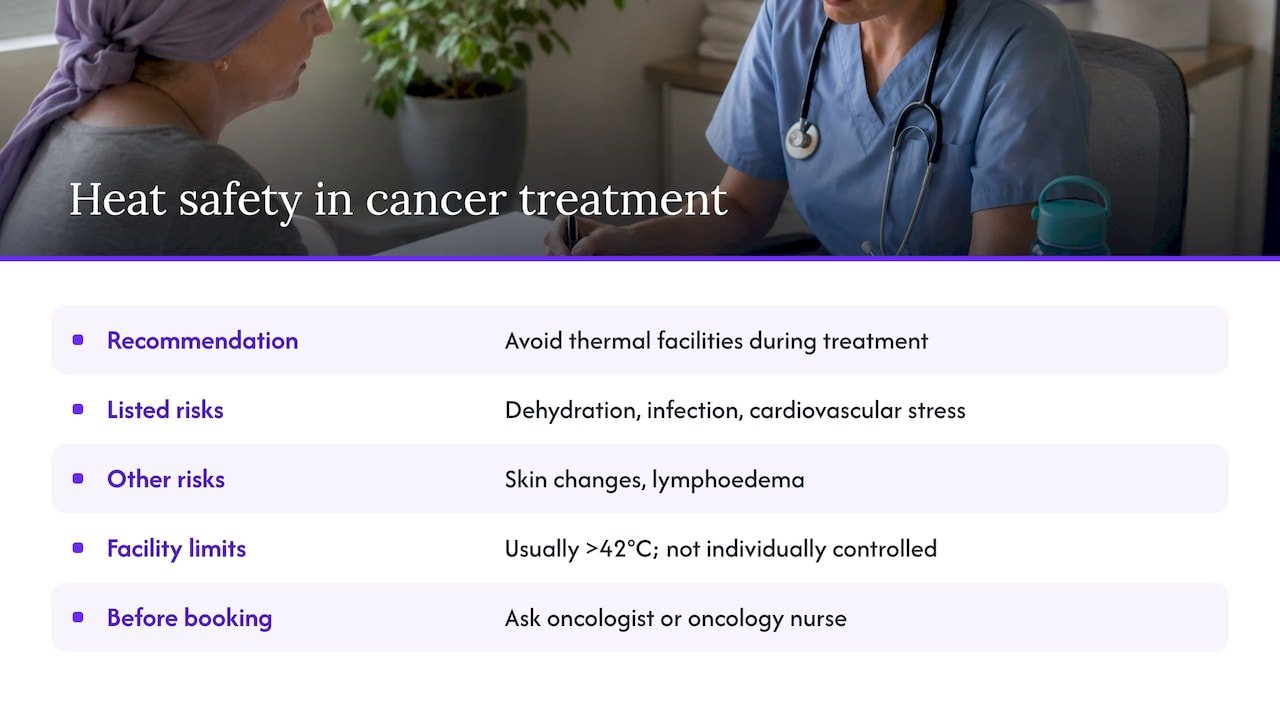
If you are having cancer treatment, please treat this as a safety point, not a wellness choice. The SATCC’s updated guidance on heat in cancer treatment says the safest recommendation during chemotherapy, immunotherapy or radiotherapy is to avoid thermal facilities, including steam rooms and saunas. It lists the risks as dehydration, infection, cardiovascular stress, skin changes and lymphoedema (swelling caused by a build-up of lymph fluid), and notes that these facilities generally exceed 42°C and cannot be individually controlled.
So if you are in treatment, or recently finished, ask your oncologist or oncology nurse before booking any steam room, sauna or similar session. Our article on sauna safety during chemotherapy gives you the questions to bring to that appointment. If you would like gentle, supportive care in the meantime, our guide to oncology massage explains what a safer session looks like.
If you have a heart, lung or blood pressure condition
Heat raises your heart rate and can lower blood pressure for a time. If you have heart disease, low blood pressure, COPD or another long-term condition, check with your GP before using a steam room regularly.
If you are planning hyperbaric oxygen therapy
Many of our guests come to us for hyperbaric oxygen therapy. If you have a cold or blocked sinuses on the day of a session, tell the team when you arrive so they can talk it through with you. Our what is hyperbaric oxygen therapy guide explains what to expect, and for anyone in cancer treatment, the oncologist question above applies to every therapy, not only the steam room.
If you are pregnant, or feel unwell with a fever
Speak to your midwife or GP before using a steam room in pregnancy. If you have a temperature, wait until it has settled before using one.
When to see your GP instead
Most sinus infections clear up by themselves. The HSE’s sinusitis page says sinusitis is swelling of the sinuses, usually caused by infection, and usually clears within a few weeks. Typical signs are pain or swelling around the cheeks, eyes or forehead, a blocked nose, a reduced sense of smell, green or yellow mucus, a sinus headache, toothache, bad breath and a temperature of 38°C or more.
The HSE says to talk to your GP if:
- your symptoms are severe, or painkillers are not helping;
- your symptoms are getting worse;
- they have not improved after 1 week;
- you keep getting sinusitis.
For some people the threshold is lower. Irish clinical guidance on managing acute sinusitis in primary care says people with a weakened immune system, significant heart, lung, kidney, liver or neuromuscular disease, or cystic fibrosis are at higher risk of complications and should be assessed promptly. It also says hospital referral is needed for swelling around the eyes, double vision, signs of meningitis or neurological signs. If you notice any of these, do not wait: seek urgent medical help.
If over-the-counter decongestants are on your mind, speak to your pharmacist first. A pseudoephedrine decongestant syrup licensed in Ireland, for example, is advised for no more than 5 days before you seek medical advice if symptoms persist.
Making the most of a spa visit
A spa visit works best when it fits into a sensible routine. Here is how a congested reader might plan it:
| Step | What to do | Why |
|---|---|---|
| Before | Drink water, eat lightly, arrive early | You start hydrated and relaxed |
| During | Short steam session, slow nose breathing | Moist warm air eases a dry, stuffy nose |
| After | Cool down, drink water, gently blow your nose | Lets loosened mucus clear |
| At home | Saline rinse, fluids, rest | Evidence-backed habits for sinus symptoms |
| If no better | Speak to your GP after a week | Rules out infection needing treatment |
Try our spa in Boyle
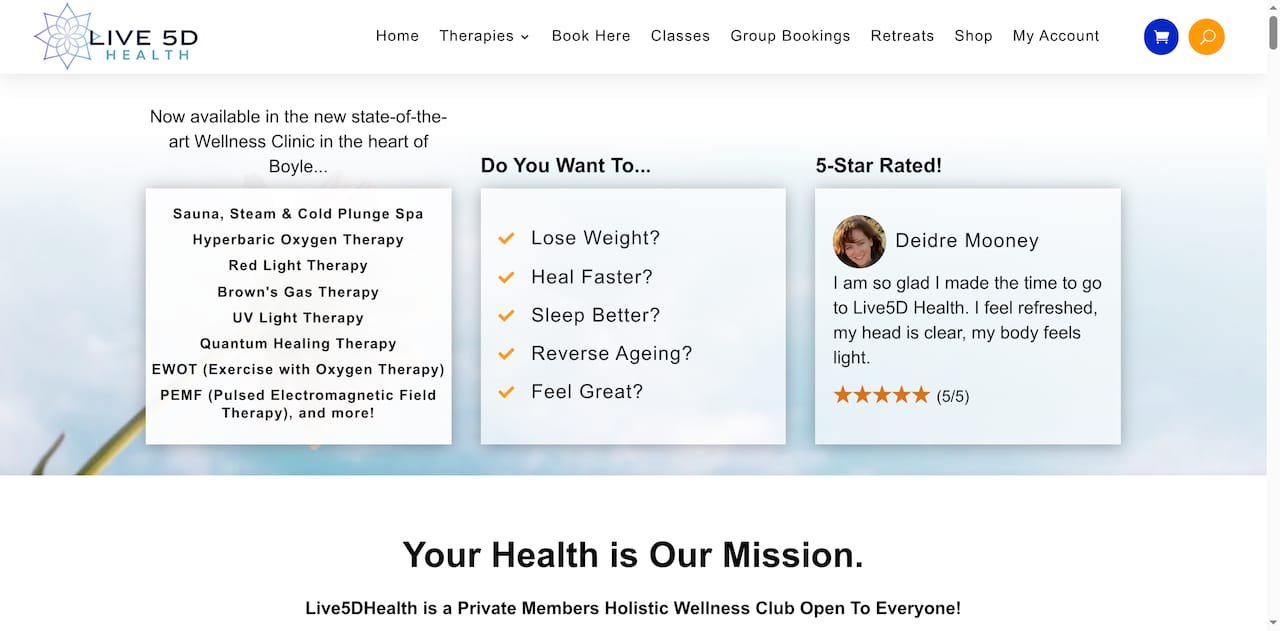
Our Sauna, Steam & Cold Plunge Spa gives you a calm, warm space to breathe easily and unwind for a €30 one-off session. Membership includes free energised water, and clean, energised water is part of our approach throughout the facility. If you are building a wider routine, you can see everything we offer on the Live5dhealth homepage.
If you are in cancer treatment, check with your oncologist before you book, then get in touch with us and we will happily help you plan a visit around their advice.
Our perspective
We see the steam room as a place to slow down, and that matters more than people think. When your nose is blocked, you sleep badly, you clench your jaw and your whole face feels tight. Warm, moist air and ten quiet minutes of slow breathing can take the edge off, and that is a real benefit.
We would never promise that a steam room cures sinusitis, and we do not need to. What we offer is a clean, comfortable space and a holistic approach: state-of-the-art technology alongside simple, ancient comforts like warmth, water and rest. Our spa sits alongside our hyperbaric oxygen therapy, red light therapy and other treatments, so you can build a routine that suits you rather than doing one thing in isolation.
For women over 40, and for anyone living with a health condition, the best session is the one planned with your own doctor’s agreement. We would always rather you asked your GP or oncologist first and came to us with confidence.
Mark
FAQ
Does a steam room clear sinuses?
A steam room can ease a blocked nose for a while by moistening the nasal lining and loosening mucus. The relief is temporary and does not shorten how long an infection lasts. A saline nasal rinse has the stronger evidence for ongoing sinus symptoms.
Is a steam room good for congestion from a cold or allergies?
Many people find the moist air soothing when their nose is dry or stuffy from a cold or seasonal allergies. Use it for comfort, keep sessions short and drink water. If symptoms last beyond a week or get worse, see your GP.
Can I use a steam room during chemotherapy or radiotherapy?
The SATCC guidance says the safest recommendation during chemotherapy, immunotherapy or radiotherapy is to avoid steam rooms and saunas. Please speak to your oncologist or oncology nurse before booking, and follow their advice for your own situation.
How long should I stay in a steam room with a blocked nose?
Start with a few minutes and only stay as long as you feel comfortable. Leave at once if you feel dizzy, faint or unwell. Drink water before and after, and give yourself time to cool down.
Sources
- Warning issued over ‘steam remedy’, Swansea Bay University Health Board
- Effectiveness of steam inhalation and nasal irrigation for chronic or recurrent sinus symptoms, CMAJ 2016
- Steam inhalation not effective for chronic sinus congestion, University of Southampton
- Heated, humidified air for the common cold, Cochrane Library 2017
- Visiting a sauna: does inhaling hot dry air reduce common cold symptoms, Medical Journal of Australia 2010
- Updated guidance on the use of heat in treatments for cancer patients, SATCC
- Sinusitis (sinus infection), HSE
- Management of acute sinusitis in primary care, GPnotebook
- Summary of Product Characteristics, HPRA