
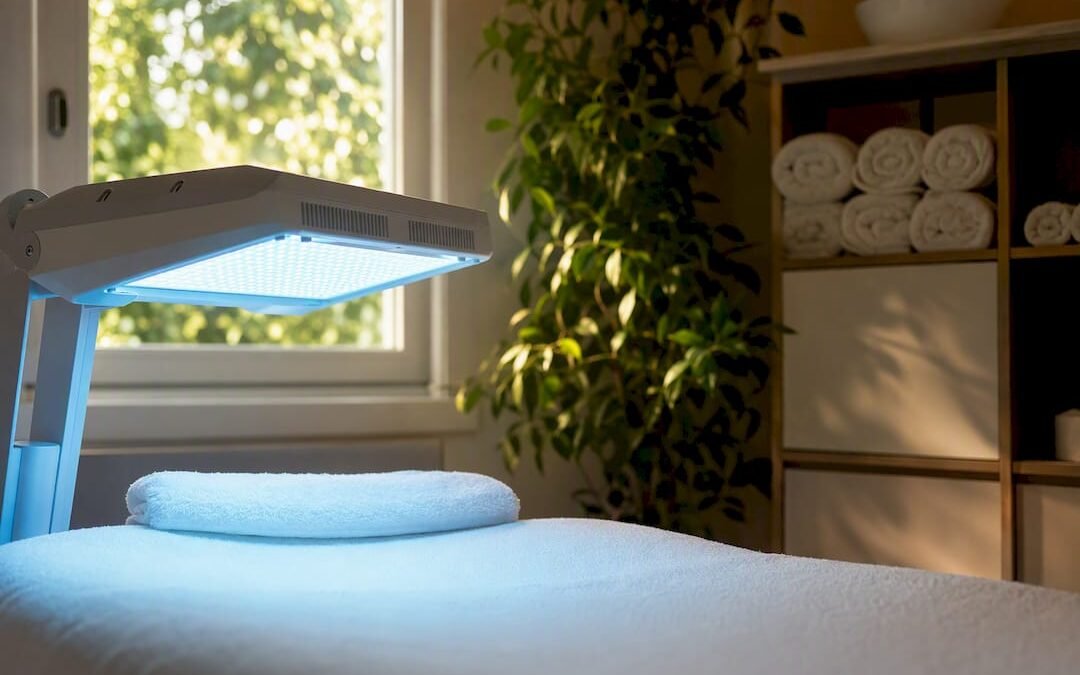
Non-medical UV sessions at spas and tanning studios carry a genuine, well-documented cancer risk, and no major health body considers them safe for routine cosmetic use. The Scientific Committee on Emerging and Newly Identified Health Risks (SCENIHR) classifies UV as a complete carcinogen, with no identified safe exposure threshold. ICNIRP reaches the same conclusion, and a 2026 systematic review in Photochemical & Photobiological Sciences documents severe photosensitivity reactions, some requiring hospital treatment. At Live5dhealth, we take that evidence seriously enough to steer clients towards non-UV options wherever the goal is purely cosmetic.
If you’re weighing up a session anyway, start here:
- Check your medical history first. Skin cancer history, lupus, or photosensitising medication rules out UV sessions for many people.
- Ask the operator about screening. A responsible outlet asks before you undress, not after.
- Consider whether you need UV at all. Vitamin D, mood, and skin goals are all achievable without it.
Key Takeaways
No major health authority considers non-medical UV tanning sessions safe, and the sharpest way to reduce your risk is to avoid unnecessary UV exposure entirely and choose screened, well-run sessions if you proceed regardless.
| Point | Details |
|---|---|
| No safe threshold exists | SCENIHR and ICNIRP both confirm there’s no identified safe dose of sunbed UV exposure. |
| Screen before you book | Absolute contraindications include skin cancer history, SLE, and open skin lesions. |
| Declare everything | Medications, topicals, and even certain foods can trigger severe photosensitivity reactions. |
| Track cumulative exposure | Log every session, since lifetime dose matters more than any single visit. |
| Choose UV-free where possible | Live5dhealth’s red light therapy offers skin and wellbeing benefits without carcinogenic UV risk. |
This article is general information, not a substitute for advice from a qualified doctor. Consult a qualified healthcare professional about your own circumstances before acting on anything here.
Table of Contents
- What are the main UV light therapy risks?
- Who should avoid UV light therapy sessions?
- Which medicines and foods increase photosensitivity risk?
- What should you ask before booking a UV session?
- How can you reduce the risks if you still choose UV therapy?
- What safer alternatives can achieve similar results without UV?
- What does a responsible UV therapy operator actually do?
- When should you seek medical help after a UV session?
- Considering a safer session? Here’s your next step
- Sources
What are the main UV light therapy risks?
The risks split cleanly into two categories: what happens immediately, and what accumulates over years.
Short-term effects include sunburn, blistering, eye irritation, and conjunctivitis, sometimes within a single overexposed session. Acute photosensitivity reactions, where skin burns far faster than expected, can happen even to people who’ve tanned before without issue.
Long-term effects are the more serious concern. Repeated UV exposure drives photoageing (the leathery, deeply lined skin dermatologists see in habitual sunbed users), cataracts, and a measurably higher risk of both melanoma and non-melanoma skin cancers. SCENIHR’s position is unambiguous on this point: there is no dose of sunbed UV considered safe, which means the usual “everything in moderation” advice doesn’t really apply here.
The evidence gap that matters: the 2026 systematic review found severe, sometimes drug-induced phototoxic reactions occurring in ordinary community sunbed settings, not just clinical ones.
A few things worth holding onto:
- Cumulative lifetime dose matters more than any single session, according to HSE guidance on skin-cancer risk.
- Frequency compounds risk. More frequent sessions create a higher exposure profile compared to fewer sessions.
- HSE’s INDG209 guidance lists burns, conjunctivitis, premature ageing, cataracts, and skin cancer as the core harms operators must warn clients about.
Who should avoid UV light therapy sessions?
Some people should never book a UV session. Others need a proper conversation with the operator, or a doctor, before they do.
Absolute contraindications (do not proceed):
- Personal or family history of skin cancer, particularly melanoma.
- Photodermatoses such as systemic lupus erythematosus (SLE) or xeroderma pigmentosum.
- Open skin lesions, active infections, or recent skin surgery in the treatment area.
Relative contraindications (seek advice or patch test first):
- Pregnancy.
- Current or recent use of photosensitising medication.
- Fair skin types (Fitzpatrick I to II) who burn rather than tan.
- Recent extensive sun exposure or sunburn.
Anyone with prior clinical phototherapy exposure, or a long personal history of sunbed use, is starting from a higher cumulative dose than they might realise. That history should factor into whether another session makes sense at all.
Pro Tip: Don’t just tick the medical history box on the intake form. Ask the receptionist directly whether a staff member actually reviews it before you’re allowed in, and get a verbal confirmation. Some outlets collect the form and never read it.

Which medicines and foods increase photosensitivity risk?
A surprising range of ordinary medicines, topical products, and even foods can turn a routine session into a severe burn. This is one of the most underestimated UV therapy health concerns, because the products involved rarely carry an obvious warning.
Common culprits include:
- Tetracycline antibiotics.
- Thiazide diuretics.
- Certain antifungals, including voriconazole.
- NSAIDs and topical retinoids.
- Psoralen-containing foods and plants, such as celery and lime products.
- Some cosmetic and “natural” topical extracts that carry potent photosensitisers despite a wellness-friendly label.
Practitioners increasingly flag that both staff and clients underestimate risk from these exogenous photosensitisers. A product marketed as gentle or natural offers no guarantee it won’t react violently under UV.
The single most useful thing you can do before any session: write down every medication, supplement, and topical product you’re currently using, and hand that list to staff. Don’t rely on memory at the desk.
What should you ask before booking a UV session?
A short screening conversation prevents the vast majority of avoidable harm. Treat this as non-negotiable, not optional small talk.
Before you book or step into the room, confirm:
- Whether staff review your medical history form before your session, not after.
- Whether you have any current medications, topicals, or known photosensitivity.
- Whether the operator has a written eye protection policy and supplies clean goggles.
- Whether staff are trained to spot early signs of a reaction and know what to do next.
- Whether the equipment has a working timer, alarm, and a documented maintenance log.
Three questions worth asking out loud at reception:
- “Can I see your written consent form before I sign anything?”
- “How often is this equipment serviced and timer-tested?”
- “What happens if I start to react during the session?”
A pre-treatment screening checklist built for another in-centre therapy shows what good screening structure looks like, and the same logic transfers directly here.
How can you reduce the risks if you still choose UV therapy?
Risk reduction is possible, but it never reaches zero. If you’re proceeding anyway, insist on the basics.
- Confirm the operator enforces accurate, staff-verified session timing rather than an honour system.
- Wear proper eye protection every time, no exceptions for “just a quick top-up.”
- Request patch testing if you have any suspected sensitivity.
- Cap your frequency and total number of sessions rather than treating each one as a clean slate.
- Never combine sessions with known photosensitising medication.
- Log every visit.
Pro Tip: Keep a simple exposure diary: date, device type, session length, and any reaction. It sounds excessive until you realise most people can’t tell you how many sessions they’ve had this year, let alone over a lifetime, which is exactly the information that matters for cumulative dose.
One honest note: tanning for vitamin D isn’t necessary. There are far easier, UV-free ways to manage that particular goal.
What safer alternatives can achieve similar results without UV?
Effective, lower-risk options exist for most reasons people book UV sessions in the first place, whether that’s skin tone, mood, or general wellbeing.
- Red and near-infrared LED therapy supports skin appearance and cellular activity without UV wavelengths at all.
- Infrared saunas deliver warmth and relaxation benefits through a completely different part of the light spectrum.
- Topical skincare regimes, including appropriately used retinoids, work independently of UV exposure and carry none of the carcinogenic concern.
- Professional aesthetic treatments that skip UV entirely are widely available and often more targeted.
If a spa markets “light therapy,” ask directly whether the device emits UVA/UVB or is LED-only. The wording alone tells you nothing; the spec sheet does.
Live5dhealth’s own red light therapy service sits in this UV-free category, and it’s worth comparing against contraindications for red light therapy specifically before booking any light-based treatment.
What does a responsible UV therapy operator actually do?
A responsible operator trains staff properly, documents consent, labels devices clearly, and enforces health exclusions without exception. This isn’t optional best practice; it’s the baseline.
Look for:
- Clear device labelling and visible warning signage.
- Functional timers and audible alarms on every unit.
- Staff trained specifically in screening and emergency response.
- Written policies covering both routine screening and reaction management.
- Regularly cleaned goggles and properly maintained units.
US device regulation under 21 CFR 878.4635 requires sunlamp products to carry specific contraindication warnings and safety features like timers and alarms as standard, and HSE INDG209 expects UK operators to run proper risk assessments alongside staff training.
If an outlet can’t produce written policies or a maintained device log on request, that’s your answer. Leave, and consider reporting it to your local environmental health authority.
When should you seek medical help after a UV session?
Most mild redness settles within a day or two on its own. Severe or spreading reactions don’t, and they need prompt review.
Get medical attention if you notice:
- Blistering or a large-area burn.
- Severe eye pain or any change in vision.
- A rash spreading rapidly beyond the exposed area.
- Fever or other signs of systemic illness.
- Widespread skin peeling or detachment.
If you experience sudden vision change, severe blistering, or difficulty breathing after a session, treat it as an emergency. Mention the recent UV exposure and any recent medication changes the moment you arrive.
Why we steer clients away from UV for cosmetic goals
Safety comes first, and where the only benefit is cosmetic, the calculation rarely favours UV exposure. That view sits directly behind why Live5dhealth built its red light therapy offering around a UV-free approach in the first place.
Considering a safer session? Here’s your next step
If the risks above have you leaning towards UV-free options, you’re not choosing a compromise. Red light and near-infrared therapy at Live5dhealth deliver skin and wellbeing benefits without the carcinogenic exposure question that follows every sunbed session home. Our luxury spa in Boyle pairs that with sauna, steam, and cold plunge facilities, so you’re not sacrificing the ritual of a spa visit to make a safer choice.
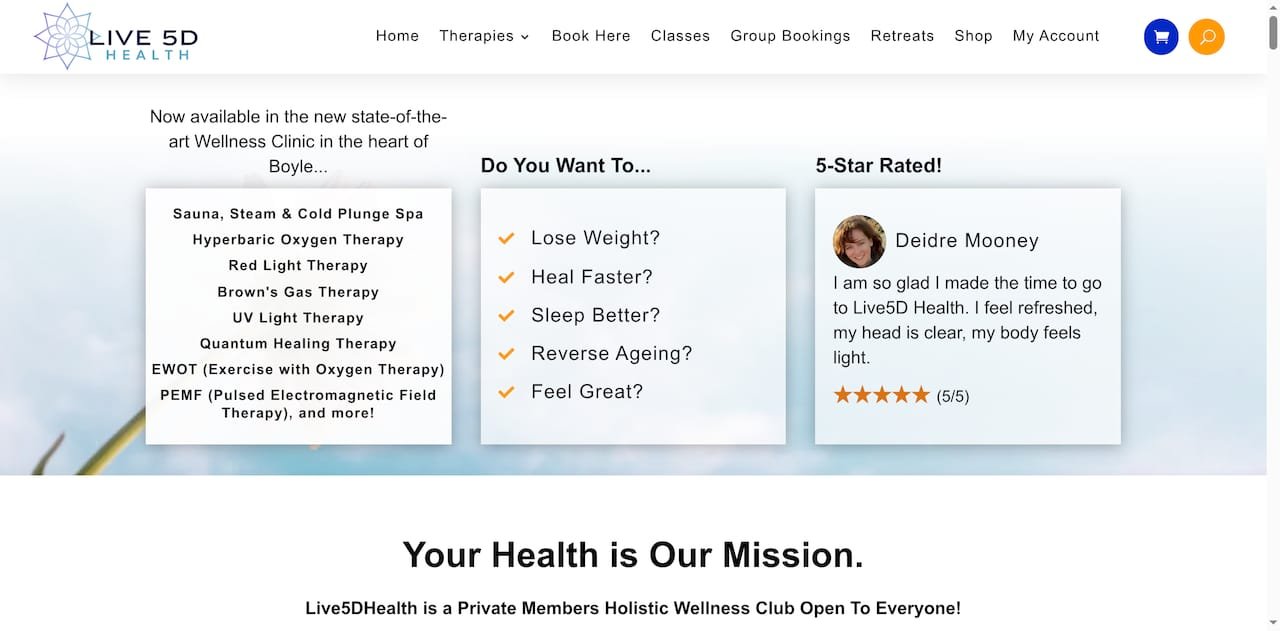
If your medical history is complicated, don’t guess your way through a generic intake form. Book a consultation with our team for a personalised safety review before choosing any light-based treatment, and if you’re weighing up a fuller reset, our luxury healing retreats build red light and other non-UV therapies into a full multi-day programme. Get in touch to check availability.
Sources
- ICNIRP review of sunbed-related risks
- Systematic review: photosensitivity reactions following sunbed use (Photochemical & Photobiological Sciences / Springer, 2026)
- Reducing health risks from the use of ultraviolet (UV) tanning equipment (HSE INDG209)
- 21 CFR 878.4635 — Sunlamp products and ultraviolet lamps intended for use in sunlamp products