
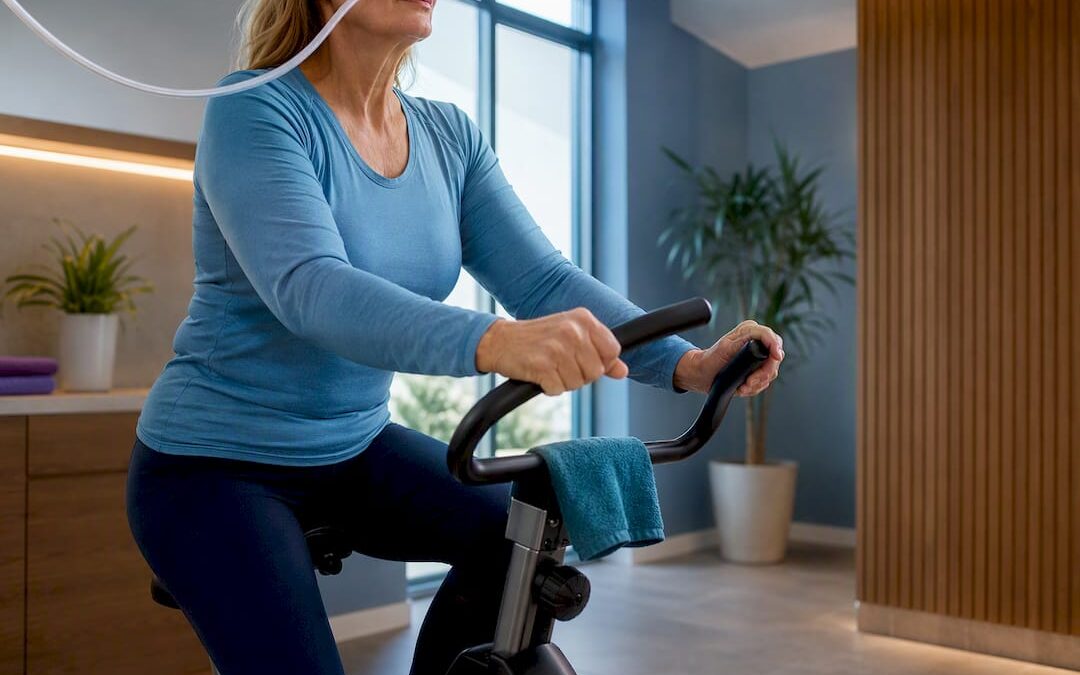
A single supervised EWOT session in Ireland typically runs from around €30 upwards, with block bookings and retreat packages bringing the per-session price down further.
Home units sit in a completely different bracket, often several hundred euro upwards for a concentrator alone. Before you book or buy, speak to your GP and confirm the provider follows HSE guidance on home oxygen, since oxygen is treated as a medicinal product in Ireland.
TL;DR:
- Supervised EWOT sessions in Ireland typically cost around €30 per session, with discounts available for block bookings and retreats.
- Providers should include pre-session health screening, ongoing monitoring, and equipment hygiene in their quoted prices, which vary based on equipment, oxygen source, and supervision.
- Buying a home EWOT unit involves a significant upfront investment and requires adherence to strict safety regulations, especially since oxygen is classified as a medicinal product in Ireland.
- Reputable providers always clarify their oxygen source, supervision level, safety procedures, and screening protocols before clients book a session.
- Most wellness clinics offer transparent packages that include supervision by trained staff, making them safer options for first-time users compared to purchasing home equipment.
Table of Contents
- Typical session pricing and packages in Ireland
- What drives EWOT cost: equipment, oxygen source and supervision
- Cost to buy or set up a home EWOT unit
- Where to find EWOT sessions and verified providers in Ireland
- Safety and regulation in Ireland: HSE guidance and contraindications
- How to choose an EWOT provider or session in Ireland
- Publisher perspective: Live5DHealth’s EWOT offering in Boyle, Co. Roscommon
- A note on using EWOT safely and getting real value
- Book or enquire about EWOT sessions at Live5DHealth
- Sources
- FAQ
Typical session pricing and packages in Ireland
Exercise With Oxygen Therapy sessions in Ireland are usually sold in the same way as other technology-based wellness treatments: a single drop-in rate, a discounted block, or bundled into a retreat. Sessions generally last between 15 and 30 minutes of supervised exercise while breathing supplementary oxygen, though exact timing depends on the centre and your fitness level.
Wellness centres in Ireland commonly use single sessions, block bookings and retreat inclusions as their three main pricing formats, a pattern that holds across therapies like red light and hyperbaric oxygen as well as EWOT, similar to yoga and meditation packages. Buying in blocks nearly always reduces the cost per visit compared with paying for one session at a time.
When you are comparing prices, look for clarity on what is actually included:
- A pre-session consultation or health screen, not just the exercise time itself.
- Ongoing monitoring during the session, ideally from trained staff rather than self-directed use.
- Equipment cleaning and hygiene standards between clients.
- Whether the quoted price covers a single visit or a discounted multi-session block.
Transparent providers list these inclusions upfront rather than quoting a bare number. If a centre cannot explain what is bundled into the price, treat that as a prompt to ask more questions before you commit.
What drives EWOT cost: equipment, oxygen source and supervision
The price you pay reflects several separate cost components, and understanding them helps you compare quotes properly rather than just chasing the lowest number.
- Equipment tier: clinic-grade EWOT systems with medical-standard masks and flow control cost more to run than portable concentrators, which in turn cost more than basic consumer kits.
- Oxygen source: a centre might rely on a rented medical concentrator, refillable cylinders, or a piped clinic supply, and each has different ongoing costs that feed into your session price.
- Supervision: time from a qualified practitioner, whether that is a nurse, physiotherapist or trained wellness therapist, adds to the price but also adds to your safety margin.
- Overheads and extras: facility costs, consumables like disposable masks or tubing, and any add-on monitoring (heart rate, oxygen saturation) all factor into what you are charged.
Pro Tip: Ask exactly what oxygen source a provider uses and whether a trained staff member stays with you throughout the session, not just at the start.
A lower headline price sometimes means a lighter-touch service, so it is worth asking what has been left out before assuming you have found a bargain.
Cost to buy or set up a home EWOT unit
Buying your own equipment is a different financial decision entirely from paying per session. Retail oxygen concentrators suitable for exercise use, along with consumer EWOT kits that bundle a mask and reservoir bag, represent a significant upfront outlay compared with a single clinic visit. On top of the unit itself, expect recurring costs for masks, tubing, flow meters and periodic servicing to keep the equipment working safely.
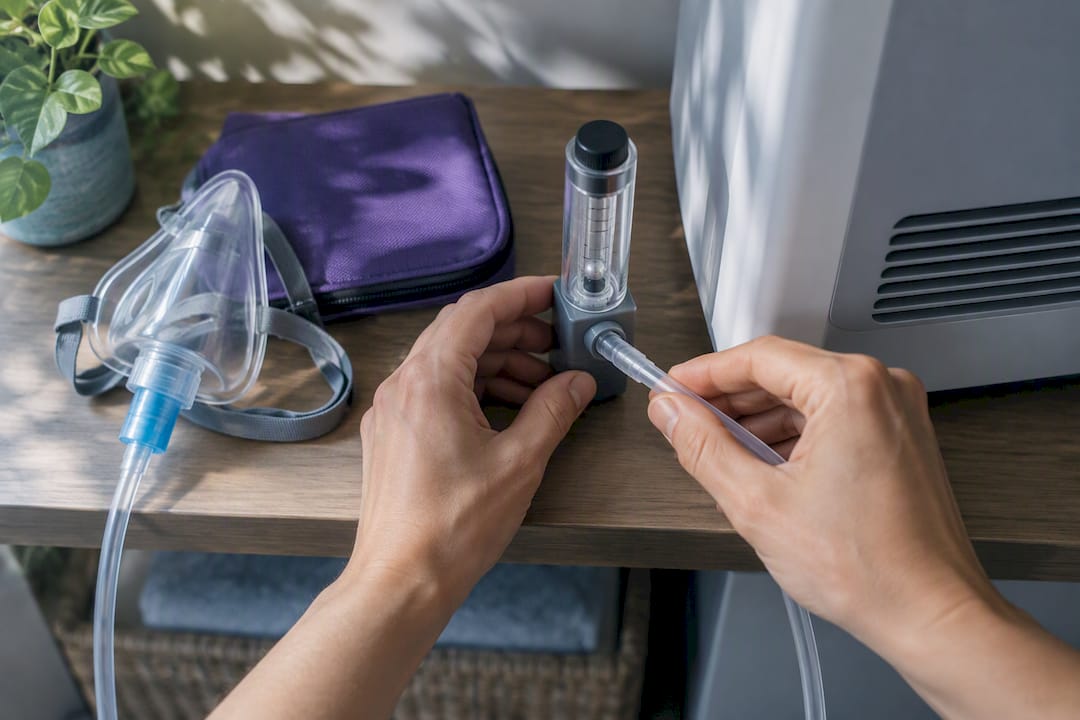
The HSE treats home oxygen as a medicinal product, with specific safety guidance covering suppliers, storage and use in the home, according to HSE guidance. That classification exists because oxygen concentration in a domestic setting carries real risks if it is not managed properly, and it is one reason medical oversight matters even for a wellness-focused purchase.
Before buying, weigh up:
- The upfront cost of a concentrator or kit against the cumulative cost of clinic sessions over a year.
- Whether you have the space, ventilation and fire safety measures a home unit requires.
- Ongoing servicing and consumable costs that do not appear on the sticker price.
- Whether you actually need supervision, which a home unit cannot provide.
For most people starting out, a supervised session at a wellness centre is the lower-risk way to try EWOT before considering a home setup.
Where to find EWOT sessions and verified providers in Ireland
Finding a legitimate provider takes a bit more digging than a quick search. Start by checking whether the centre publishes its safety procedures and staff qualifications rather than relying on social media posts, which show atmosphere but say nothing about clinical safety or screening practice.
Ask directly:
- What is your oxygen source, and is it medical-grade?
- Who supervises the session, and what is their training?
- Do you carry out a pre-session health screen, and what does it cover?
- What is your procedure if someone feels unwell mid-session?
It also helps to distinguish clinic-run EWOT, aimed at general wellness and fitness, from clinical home-oxygen suppliers such as those listed by the HSE, who provide prescribed oxygen for medical conditions rather than exercise sessions. These are different services with different purposes, and a good provider will be clear about which one they offer. A written safety policy and named, qualified staff are the clearest signs you are dealing with a properly run operation rather than an informal setup.
Safety and regulation in Ireland: HSE guidance and contraindications
Home oxygen is regulated as a medicinal product in Ireland, and the HSE’s guidance sets out safety rules, supplier contacts and information on subsidy schemes such as the Drugs Payment Scheme. That framework exists for good reason: oxygen supports combustion, and the HSE specifically warns about fire risk in home settings where oxygen is stored or used.
Certain medications and conditions require clinician oversight before any oxygen-based therapy, including interactions such as those with bleomycin and considerations for people with COPD, as detailed on Live5DHealth’s contraindications page. This is why reputable providers screen clients before a session rather than treating EWOT as a walk-in activity for everyone.
Practical safety measures worth checking for:
- Proper ventilation and safe placement of oxygen equipment, away from open flames or smoking areas.
- Continuous staff monitoring during the session, not just at check-in.
- A documented list of contraindications the provider screens against.
- A clear policy on when to pause or stop a session.
If you take regular medication or manage a chronic condition, ask your GP whether EWOT is appropriate before booking.
How to choose an EWOT provider or session in Ireland
Picking a provider comes down to a short list of questions, not just the price on the booking page.
- Ask what oxygen source they use and whether it is medical-grade or a lower-spec alternative.
- Confirm whether a health screen happens before your first session and what it covers.
- Check who supervises you during the session and what their training background is.
- Ask what monitoring takes place, such as oxygen saturation or heart rate checks.
- Request their emergency procedure in case a client feels unwell.
Pro Tip: Compare providers on what is included, not just the headline number: a slightly higher price with proper screening and monitoring is usually better value than a cheaper session with none.
Red flags include vague answers about equipment, no screening process, and no written safety policy you can ask to see. If a provider cannot answer these questions clearly, that matters more than whether their price is a few euro cheaper than a competitor’s.
Publisher perspective: Live5DHealth’s EWOT offering in Boyle, Co. Roscommon
At Live5DHealth in Boyle, County Roscommon, an EWOT session typically includes a pre-session screen, supervised exercise while breathing supplementary oxygen, and monitoring throughout. Pricing at the centre follows common formats across Irish wellness providers: single sessions, block bookings and inclusion within multi-day retreats.
Anyone considering the therapy is encouraged to read the contraindications guidance beforehand, since conditions like COPD and certain medications require a conversation with a GP first. This approach reflects the same screening principle the HSE applies to home oxygen more broadly.
A note on using EWOT safely and getting real value
EWOT works best as an adjunct to your existing wellness routine, not a replacement for medical care, and screening should always come before enthusiasm. If you are curious, try one supervised session first, check in with your GP if you have any underlying condition, and compare package pricing before committing to a block.
— Mark
Book or enquire about EWOT sessions at Live5DHealth
If you would like to try EWOT with proper screening and supervision, Live5DHealth’s EWOT page sets out session details and how to get started at the Boyle, County Roscommon centre.

Booking options include:
- A single session to try the therapy before committing further.
- Block bookings for anyone planning to use EWOT regularly.
- Inclusion within a 3, 5 or 10-day wellness retreat alongside other therapies.
You can also check current availability and other oxygen-based options, such as hyperbaric oxygen therapy, or book directly to arrange your first visit.
This article is general information, not a substitute for advice from a qualified doctor. Consult a qualified healthcare professional about your own circumstances before acting on anything here.
FAQ
How much does a typical EWOT session cost in Ireland?
Most supervised EWOT sessions in Ireland fall within a similar range to other technology-based wellness treatments, with block bookings reducing the per-session cost. Ask your chosen provider for their exact pricing and what is included before booking.
Is EWOT covered by the HSE or any subsidy scheme?
EWOT itself is a wellness therapy and is not part of the HSE’s home oxygen scheme. The HSE’s home oxygen guidance covers prescribed medical oxygen and related subsidy schemes such as the Drugs Payment Scheme, which apply to clinical use rather than wellness sessions.
Do I need medical clearance before trying EWOT?
Anyone with a chronic condition, on regular medication, or with a history of respiratory issues should speak to their GP before trying EWOT. Reputable providers carry out a pre-session health screen and will flag known contraindications rather than letting you skip this step.
How much does shockwave therapy cost in Ireland?
Shockwave therapy pricing varies by clinic and by the condition being treated, and no single published figure applies across Ireland. It is best to request a quote directly from a physiotherapy or sports medicine clinic near you, since pricing depends on the number of sessions recommended.
Is it worth buying a home EWOT unit instead of paying for sessions?
For most people, starting with supervised clinic sessions is the safer and often more cost-effective route, since a home concentrator involves a significant upfront cost plus ongoing servicing and consumables. The HSE’s classification of home oxygen as a medicinal product also means proper safety measures and, ideally, medical guidance are needed before setting up equipment at home.