
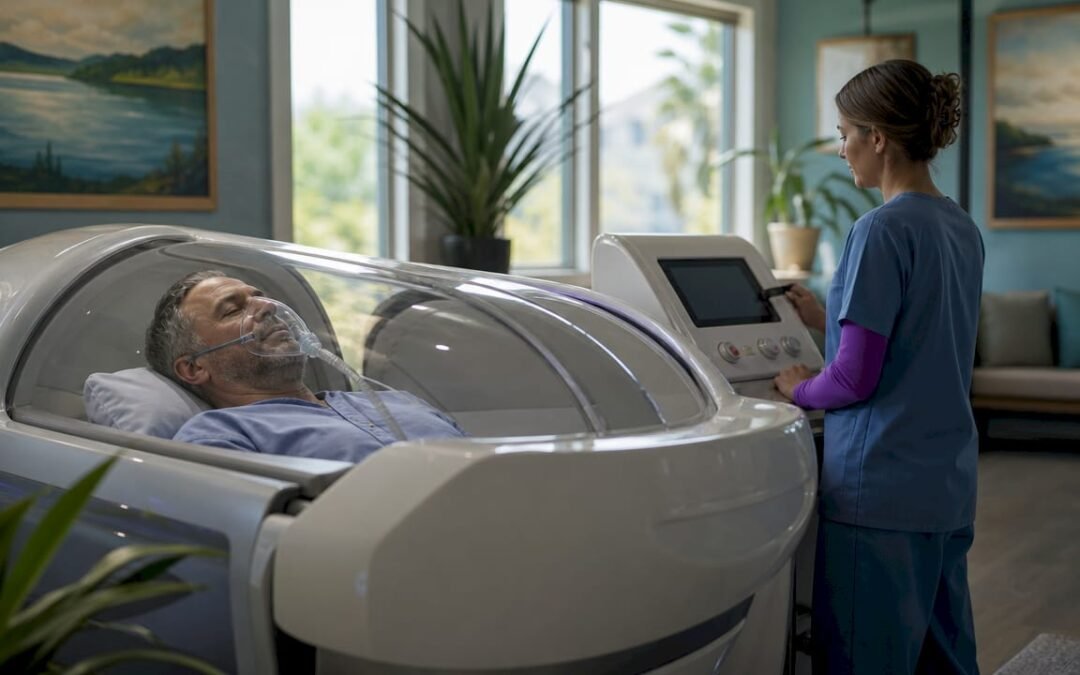
Hyperbaric oxygen therapy (HBOT) is defined as a medical treatment in which you breathe 100% pure oxygen inside a pressurised chamber, typically at 1.5 to 2.4 atmospheres absolute (ATA). Understanding how hyperbaric oxygen reduces oedema starts with two core mechanisms: vasoconstriction and dramatically increased plasma oxygenation. Together, these effects limit fluid leakage into tissues while keeping cells well supplied with oxygen. The result is measurably less swelling, faster tissue repair, and reduced inflammation. For anyone dealing with persistent or acute oedema, this therapy offers a non-invasive, evidence-backed route to relief.
How does hyperbaric oxygen reduce oedema? The core mechanisms
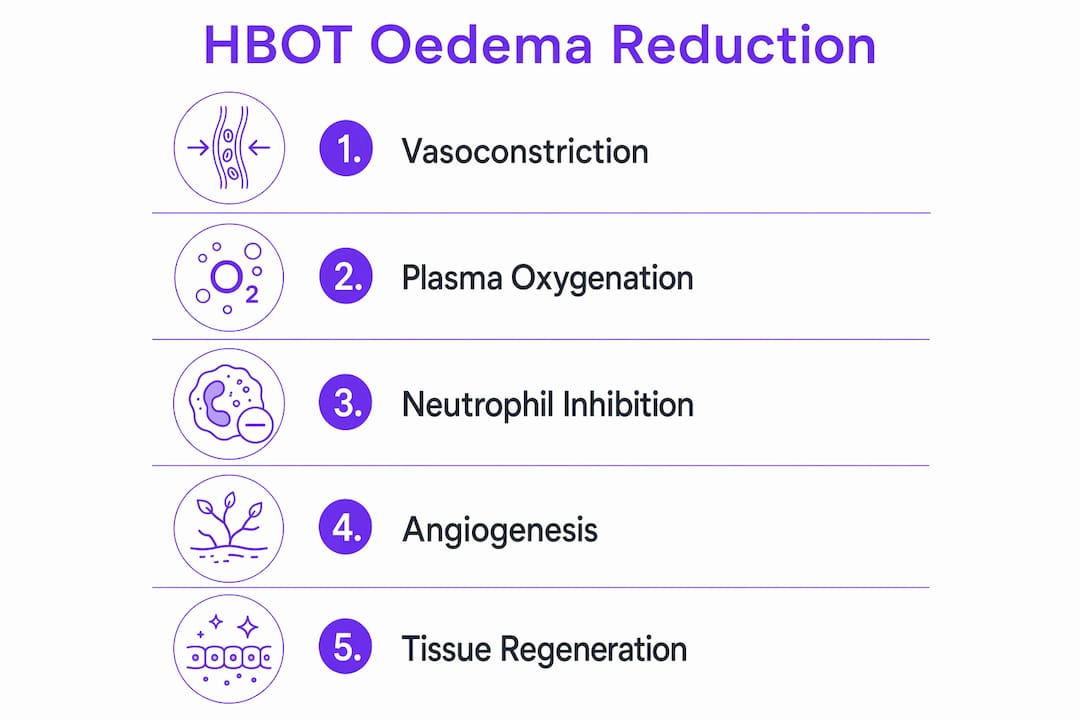
HBOT reduces oedema through a combination of physical and biological effects that work simultaneously. The two primary drivers are vasoconstriction and enhanced plasma oxygenation, and neither effect is achievable through standard oxygen supplementation at normal atmospheric pressure.
Vasoconstriction: the counterintuitive mechanism
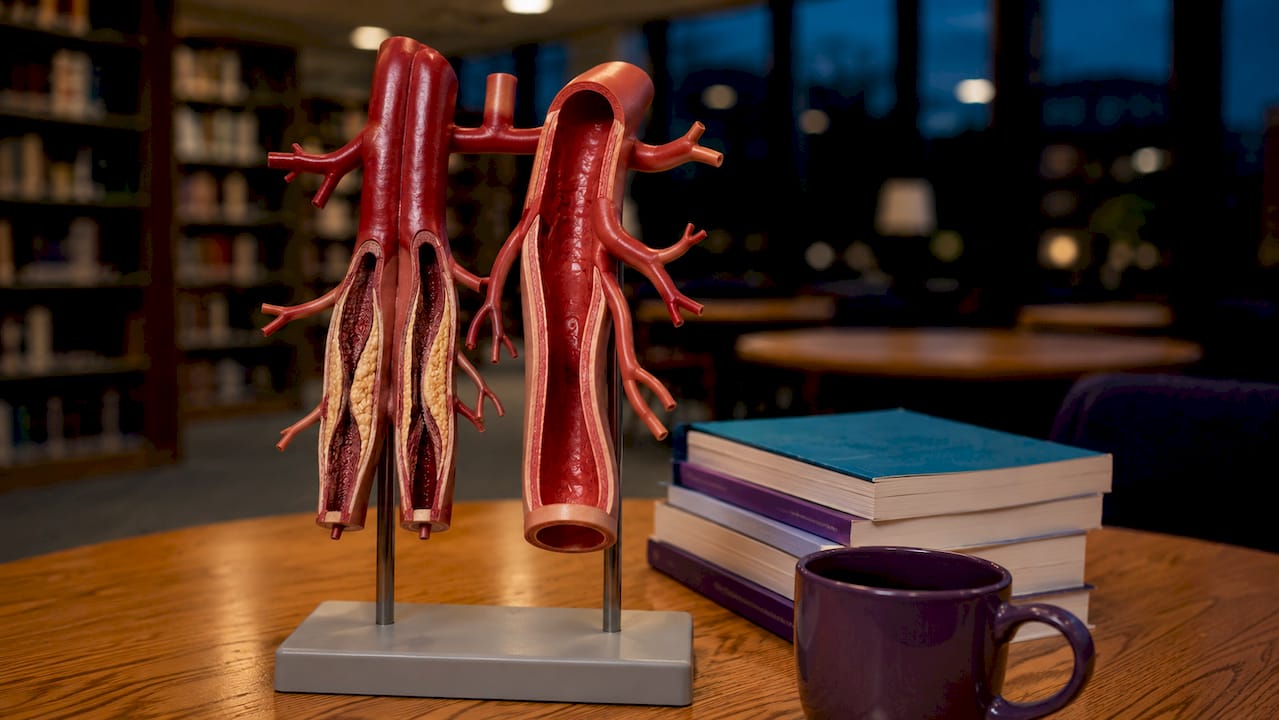
Vasoconstriction means blood vessels narrow. At first, this sounds like a problem, but in the context of oedema it is precisely the point. When tissues are injured or inflamed, blood vessels become leaky and fluid floods the surrounding tissue. HBOT triggers vasoconstriction in non-ischaemic (non-oxygen-deprived) tissue, which reduces fluid extravasation without starving cells of oxygen. The reason this works without causing harm is the simultaneous rise in dissolved plasma oxygen, which compensates for reduced blood flow.
Plasma oxygenation and Henry’s Law
Under pressure, gases dissolve into liquids at a far greater rate. This is Henry’s Law in action. At 3 ATA, plasma oxygen content may increase by approximately 42%, and oxygen dissolved in plasma can surpass 10–20 times normal levels. That means oxygen reaches tissues through plasma alone, even when blood flow is reduced by vasoconstriction. The combination is what makes HBOT uniquely effective. Simple oxygen supplementation at normal pressure cannot reproduce this effect, because physical gas laws require pressure to achieve therapeutic plasma oxygen levels.
Anti-inflammatory effects and angiogenesis
HBOT also inhibits neutrophil adhesion to damaged blood vessel walls. Neutrophils are white blood cells that, when they stick to vessel walls after injury, trigger a cascade of inflammation and further fluid leakage. Blocking this adhesion directly reduces swelling at the cellular level. Beyond that, consistent HBOT sessions downregulate inflammatory signalling pathways and reduce cytokines involved in ischaemia-reperfusion injury. Over a full course of treatment, HBOT also stimulates angiogenesis, the growth of new blood vessels, which supports long-term tissue repair and sustained oedema resolution.
| Mechanism | Effect on oedema | Key principle |
|---|---|---|
| Vasoconstriction | Reduces fluid leakage into tissue | Targets non-ischaemic tissue only |
| Plasma oxygenation | Maintains oxygen supply despite reduced flow | Henry’s Law under pressure |
| Neutrophil inhibition | Lowers acute inflammatory response | Reduces vessel wall damage |
| Cytokine downregulation | Moderates chronic inflammation | Ischaemia-reperfusion modulation |
| Angiogenesis | Supports long-term tissue repair | Sustained multi-session effect |
Pro Tip: If you want a deeper look at the anti-inflammatory science behind HBOT, the HBOT inflammation guide at Live5dhealth covers the full cellular pathway in plain language.
What treatment protocols get the best oedema outcomes?
The effectiveness of HBOT for oedema is directly tied to how consistently and how early you begin treatment. Protocol details matter as much as the therapy itself.
Standard HBOT sessions run at pressures between 1.5 and 2.4 ATA, with each session lasting 90–120 minutes. Most clinical programmes are structured as daily outpatient sessions, meaning you attend the clinic each day and return home afterwards. This outpatient format makes the therapy accessible without requiring hospitalisation.
For sustained anti-inflammatory and regenerative results, clinical guidelines recommend 40 sessions over approximately two months. This is not a short-term commitment, but the reasoning is sound. Angiogenesis and lasting inflammatory modulation require repeated exposure. A handful of sessions may reduce acute swelling temporarily, but the full protocol is what drives durable tissue recovery.
Early initiation is the single most important variable. Starting HBOT promptly after acute injury significantly improves oedema outcomes compared with delayed treatment. The therapeutic window is time-sensitive. Waiting until complications have set in reduces the therapy’s capacity to preserve tissue and limit swelling.
- Begin treatment as early as possible after injury or diagnosis of oedema.
- Attend sessions daily at the prescribed pressure (typically 1.5–2.4 ATA).
- Complete the full recommended course, often 40 sessions over two months.
- Maintain consistency. Missing sessions disrupts the cumulative anti-inflammatory effect.
- Discuss session pressure and duration with your provider, as individual conditions vary.
Pro Tip: For practical guidance on getting the most from your sessions, the HBOT results guide at Live5dhealth outlines frequency, preparation, and what to expect at each stage.
How does HBOT compare to other oedema management methods?
Oedema management methods range from compression garments and elevation to pharmacological agents such as diuretics and corticosteroids. Each has its place, but HBOT occupies a distinct position because it addresses the underlying tissue environment rather than simply managing symptoms.
| Treatment | Mechanism | Invasiveness | Regenerative effect | Typical duration |
|---|---|---|---|---|
| HBOT | Vasoconstriction, plasma oxygenation, anti-inflammation | Non-invasive | Yes, via angiogenesis | 40+ sessions over weeks |
| Diuretics | Increase fluid excretion via kidneys | Pharmacological | No | Ongoing |
| Corticosteroids | Suppress immune and inflammatory response | Pharmacological | Limited | Days to weeks |
| Compression therapy | Mechanical pressure to reduce fluid pooling | Non-invasive | No | Ongoing |
| Elevation | Gravity-assisted fluid drainage | Non-invasive | No | Situational |
The key distinction with HBOT is its regenerative capacity. Diuretics remove excess fluid but do nothing to repair damaged tissue or restore vascular integrity. Corticosteroids reduce inflammation but carry systemic side effects with prolonged use. Compression therapy is effective for chronic venous oedema but cannot address the cellular damage driving post-surgical or post-traumatic swelling.
HBOT’s benefits for oedema include:
- Non-invasive delivery with no systemic pharmacological load
- Simultaneous anti-inflammatory and tissue-repair effects
- Stimulation of new blood vessel growth for long-term resolution
- Compatibility with other treatments, including wound care and physiotherapy
HBOT does have limitations. It is not suitable for people with untreated pneumothorax, certain lung conditions, or some ear and sinus problems. Claustrophobia can be a barrier for some people, though modern chambers are designed to minimise this. The time commitment of daily sessions over two months is significant and requires planning.
Who benefits most from HBOT for swelling, and what should you expect?
HBOT is particularly well suited to oedema arising from specific, identifiable causes. The therapy performs best when swelling is linked to tissue injury, vascular compromise, or post-surgical recovery.
Common indications where HBOT shows strong results for oedema and swelling include:
- Burns: HBOT reduces oedema in burn tissue, limits fluid loss, and supports skin repair.
- Crush injuries and trauma: Neutrophil inhibition and vasoconstriction directly address the acute inflammatory swelling that follows crush trauma.
- Post-surgical oedema: HBOT accelerates tissue healing and reduces swelling after surgical procedures.
- Diabetic wounds: Poor vascular supply in diabetic tissue responds well to the plasma oxygenation effect.
- Radiation tissue damage: HBOT is a recognised treatment for radiation-induced oedema and tissue necrosis.
The experience inside the chamber is straightforward. You lie or sit in a pressurised enclosure and breathe normally. During pressurisation, you may feel mild pressure in your ears, similar to descending in an aircraft. Most people find sessions comfortable and use the time to rest or listen to audio. Side effects are generally mild and may include temporary ear discomfort or, rarely, visual changes that resolve after treatment ends.
Starting HBOT early after an acute injury or diagnosis gives the therapy its best chance of limiting tissue damage and preventing oedema from becoming chronic. The therapeutic window is time-sensitive, and delays reduce the therapy’s ability to preserve tissue.
Pro Tip: Before your first session, ask your provider about the specific pressure protocol planned for your condition, how many sessions are recommended, and whether your current medications interact with high-pressure oxygen.
Key takeaways
Hyperbaric oxygen therapy reduces oedema through vasoconstriction, plasma oxygenation, and neutrophil inhibition, and its regenerative effects require a full multi-session protocol to achieve lasting results.
| Point | Details |
|---|---|
| Core mechanism | Vasoconstriction limits fluid leakage while plasma oxygenation maintains tissue oxygen supply. |
| Physical science | Henry’s Law under pressure dissolves oxygen into plasma at 10–20 times normal levels. |
| Treatment commitment | Forty sessions over two months is the standard protocol for sustained oedema reduction. |
| Early treatment matters | Starting HBOT promptly after injury significantly improves outcomes and tissue preservation. |
| Unique advantage | HBOT stimulates angiogenesis and repairs tissue, which compression and diuretics cannot achieve. |
Why timing and understanding change everything with HBOT
One thing I have seen repeatedly is that people arrive at HBOT after weeks or months of managing oedema with compression and medication, frustrated that the swelling keeps returning. The biology explains why. Compression manages the symptom. HBOT addresses the tissue environment that is producing the symptom in the first place.
The vasoconstriction effect surprises most people when they first hear about it. Narrowing blood vessels sounds like the wrong direction when you are trying to heal. But the science is clear: vasoconstriction in non-ischaemic tissue reduces fluid leakage without depriving cells of oxygen, because dissolved plasma oxygen compensates entirely. Understanding this distinction is what separates informed patients from those who abandon treatment too early.
The other pattern I see is people stopping at 10 or 15 sessions because the swelling has visibly reduced. That is encouraging progress, but it is not the endpoint. Consistent, prolonged treatment is what drives angiogenesis and lasting inflammatory modulation. Stopping early leaves the regenerative work incomplete. The full protocol exists for a reason, and the people who commit to it see qualitatively different long-term results.
HBOT also fits naturally into a broader wellness approach. Pairing it with good nutrition, appropriate movement, and complementary therapies creates conditions where the body can genuinely recover rather than simply suppress symptoms. That is the approach worth committing to.
— Mark
Hyperbaric oxygen therapy at Live5dhealth
Live5dhealth, based in Boyle, County Roscommon, offers hyperbaric oxygen therapy sessions as part of a full wellness and recovery programme. If you are dealing with swelling, post-surgical oedema, or chronic inflammation, the team can guide you through a structured HBOT protocol tailored to your condition.

Alongside HBOT, Live5dhealth provides access to a luxury spa with sauna, steam, and cold plunge facilities, which complement the anti-inflammatory and circulatory benefits of oxygen therapy. For those considering a more immersive approach to recovery, the centre also offers healing retreats in Ireland that combine therapeutic sessions with restorative rest in the west of Ireland. Contact Live5dhealth to discuss your needs and find the right programme for you.
FAQ
What is oedema and how does HBOT treat it?
Oedema is the accumulation of excess fluid in body tissues, causing swelling. HBOT treats it by triggering vasoconstriction to reduce fluid leakage and dramatically increasing plasma oxygen levels to support tissue repair.
How many HBOT sessions are needed to reduce oedema?
Clinical guidelines recommend 40 sessions over approximately two months for sustained anti-inflammatory and regenerative results. Daily outpatient sessions of 90–120 minutes are the standard format.
Is HBOT safe for post-surgical swelling?
HBOT has a strong safety profile for post-surgical oedema and is used in burns, trauma, and diabetic wound care. Mild ear pressure during pressurisation is the most common side effect, and it resolves quickly.
Can HBOT replace compression therapy or diuretics?
HBOT does not replace these treatments but offers something they cannot: tissue regeneration and angiogenesis. It works well alongside compression and other oedema management methods as part of a complete recovery plan.
Does starting HBOT earlier really make a difference?
Starting HBOT promptly after acute injury significantly improves oedema outcomes. The therapeutic window is time-sensitive, and delays reduce the therapy’s capacity to preserve tissue and limit chronic swelling.