
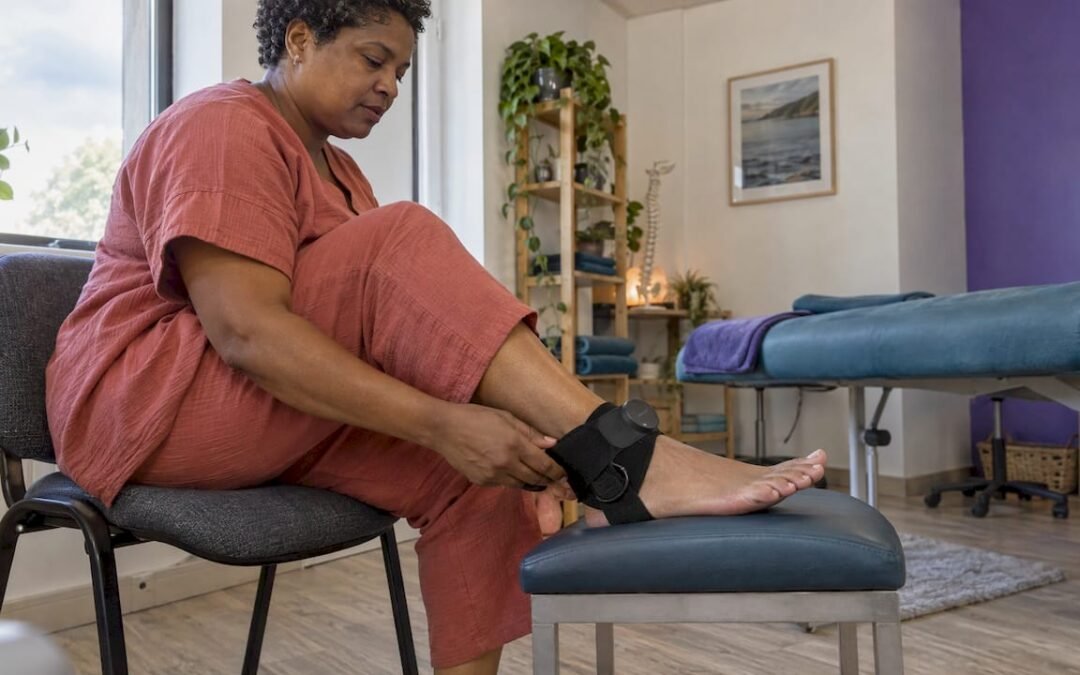
PEMF (pulsed electromagnetic field therapy) is a promising, low-risk option for stubborn heel pain. Small trials report less pain when it is added to standard foot care. The evidence for better function is mixed, and most studies used PEMF alongside stretching, heel pads or shockwave rather than on its own. This guide explains what the studies found, how PEMF was used, who should avoid it, and how to fit it into a plan that starts with the basics your GP and physiotherapist recommend.
TL;DR
- A 2026 review of four trials (243 people) found three reported significant pain reductions with PEMF. Only one of three showed a significant gain in physical function.
- In three of the four trials PEMF was added to another conservative treatment: shockwave, heel pads or eccentric exercise. Think of it as a partner to stretching and good footwear.
- Studies on foot devices used long daily sessions over 12 weeks. Plan for weeks, not a single visit.
- Avoid PEMF, or speak to your doctor first, if you have a pacemaker or other implanted device, are pregnant, or have cancer.
- In Ireland, start with the HSE self-care steps. See your GP if the pain has not improved after 2 weeks.
Table of Contents
- What plantar fasciitis is and why it lingers
- How PEMF works in the tissue
- What the studies found for heel pain
- How PEMF compares with shockwave and other treatments
- Is PEMF the same as electrical stimulation?
- What a realistic PEMF plan looks like
- Start with the HSE self-care steps
- Who should avoid PEMF or ask first
- Our perspective on PEMF and heel pain
- Book your PEMF session in Boyle
- FAQ
- Sources
What plantar fasciitis is and why it lingers
Plantar fasciitis is pain under the heel, usually worst with the first steps in the morning. The plantar fascia is the thick band of tissue that runs from the heel bone to the toes. When it is overloaded, it becomes irritated and thickened.
The good news is that it usually settles. The British Orthopaedic Foot and Ankle Society says that plantar fasciitis is typically self-limiting, with resolution in up to 90% of people using non-surgical measures. Its list of usual measures includes icing, anti-inflammatory medication, rest and activity changes, splints, shoe changes and orthoses.
The frustrating part is the time it can take. That is why many people look for something to add to the basics, and why PEMF comes up so often in searches.
How PEMF works in the tissue
PEMF applies a low-frequency electromagnetic field to the body. The field passes through clothing and skin, and it induces tiny electrical currents in the tissue underneath. The therapy induces electrical currents in tissue, and the magnetic field is active for only a fraction of the session. It does not heat the tissue in the way that ultrasound or a hot pack does.
According to a 2026 review in Frontiers, PEMF modulates cellular activity without heat, and may ease the effects of inflammatory signals such as interleukin-1β and TNF-α while supporting tissue repair. Researchers also describe a pathway in which PEMF supports calcium binding to calmodulin and activates nitric oxide, a natural vasodilator. That may explain why some people notice less pain and swelling, and why it is studied for soft-tissue healing.
The mechanism is still being studied. What matters for your heel is what happened to real people in trials, which is covered next.
What the studies found for heel pain
The 2026 systematic review
The most useful recent piece of evidence is a 2026 systematic review of PEMF for foot and ankle soft-tissue injuries. It included four randomised trials with 243 participants, with a mean age of 48.79 years. That age sits squarely in the range of many people who develop heel pain.
- Three of the four trials reported statistically significant pain reductions (p<0.05).
- Only one of three trials that measured it showed a significant improvement in physical function.
- Three of the four gave PEMF alongside another conservative treatment, such as shockwave therapy, heel pads or eccentric exercise.
- No serious adverse events were found. The only side effect recorded was minor, temporary skin redness.
The pattern is encouraging for pain relief. It also tells you how to use PEMF: as part of a plan, not instead of one.
A plantar fasciitis case series
A 2025 study (Bromley, McManus and McManus) used a foot-worn PEMF device for two hours a day over 12 weeks in people with plantar fasciitis. Ultrasound showed the plantar fascia thickness fell from 6.5 mm to 4.3 mm, a 34% reduction. The width of the damaged (hypoechoic) area dropped by 79%. Foot function scores improved by 46% on one survey and 166% on another.
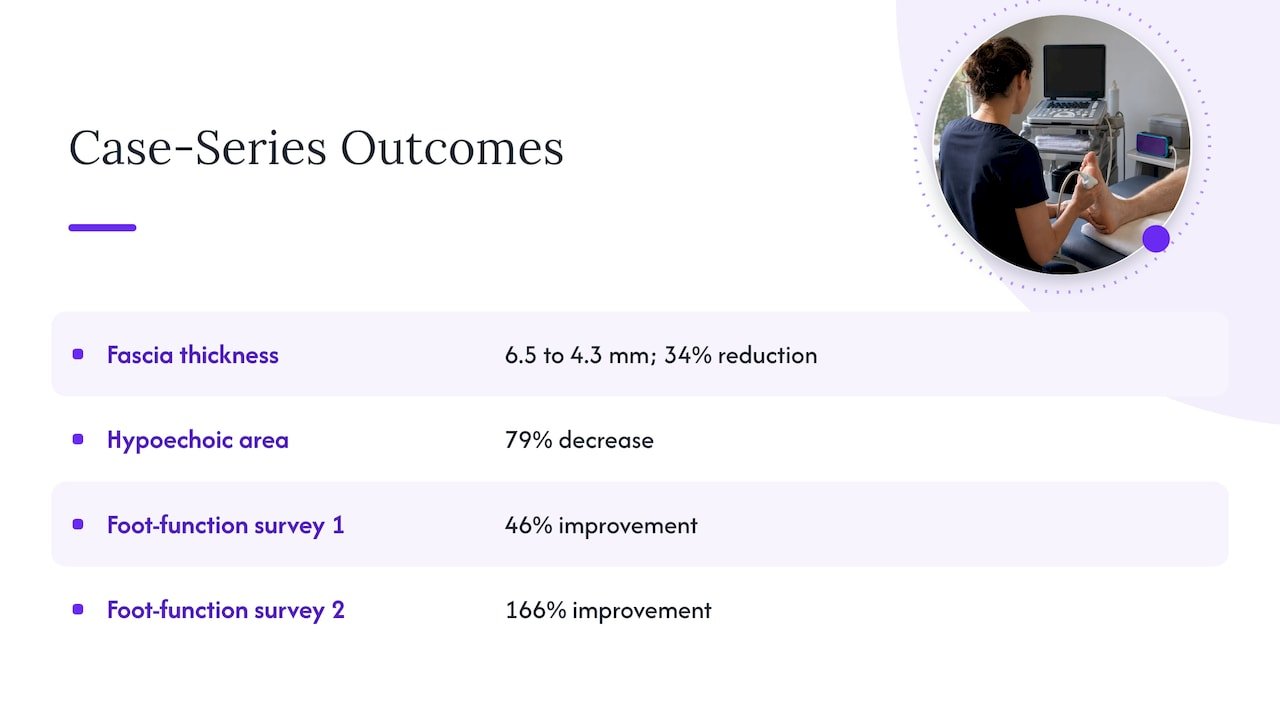
The authors, who combined PEMF with stretching, concluded that it was effective for stimulating healing and improving function. The study was a case series sponsored by the device maker, so it is a signal worth following rather than a final verdict. A larger body of independent trials would add confidence. Still, seeing the thickened tissue measurably change on ultrasound is the kind of result that makes PEMF worth considering.
Electromagnetic therapy more broadly
The US National Center for Complementary and Integrative Health reports that a 2020 review of 21 studies with 1,101 participants found electromagnetic therapy reduced pain and improved function in conditions that included plantar fasciitis. The same review found that pain relief was not increased further when electromagnetic therapy was combined with other physical therapies such as hot packs, therapeutic ultrasound or TENS. That is a useful reminder to keep your plan simple and not stack every device at once.
How PEMF compares with shockwave and other treatments
Readers often ask whether PEMF beats shockwave therapy. The honest answer is that nobody has settled it, because the trials did not compare them head to head. In the PEMF trials, shockwave was often given alongside PEMF.
Shockwave has its own evidence. A 2018 network meta-analysis of 19 trials with 1,676 patients found radial shockwave reduced pain more than placebo in the first 0 to 6 weeks. NICE describes a trial in which 47% of people given shockwave and 30% given a sham treatment had a successful outcome at three months. Yet a 2026 meta-analysis found that radial shockwave did not show clear superiority over other electrophysical treatments such as low-level laser, and it noted the limits of the trials so far.
The practical takeaway is that several physical treatments have a modest evidence base, and the person choosing between them is usually best served by what they can do consistently. A 2023 review of 20 studies concluded that combining conservative strategies such as orthoses, stretching, strengthening and physical modalities can relieve pain and improve function. PEMF fits that combined approach well because it is comfortable, non-invasive and easy to pair with stretching.
| Approach | What it involves | Where it fits |
|---|---|---|
| Stretching, supportive footwear, heel pads | Daily at-home routine | The foundation for everyone |
| Physiotherapy or podiatry | Exercises, insoles, footwear advice | First step after your GP |
| PEMF | Low-frequency field applied over the foot, in sessions | A comfortable add-on to the routine above |
| Shockwave | Pulses applied by a clinician | Usually for pain that persists |
Is PEMF the same as electrical stimulation?
Not quite, although the two are often grouped together. TENS and similar devices pass small electrical currents into the skin through pads. PEMF uses a pulsed magnetic field that passes through the tissue and induces currents beneath the surface, with nothing attached to the skin. Both are used for pain, and both are considered low risk when used properly, but their settings and the studies behind them are different. If someone offers you a device, ask which type it is, so you can compare like with like.
What a realistic PEMF plan looks like
The published foot protocols used long daily sessions at home. In the 2025 study the device was worn for two hours a day for 12 weeks. The Frontiers review also describes a clinic-style schedule in which PEMF was combined with shockwave at 20 minutes per session, five sessions in total, four days apart. Both point to the same lesson: regular exposure over weeks matters more than one visit.
A sensible way to approach it:
- Start with the basics. Do your calf and foot stretches daily, wear supportive shoes and use soft insoles or heel pads.
- Set a trial window. Try a series of sessions over several weeks, and note your first-step pain on a 0 to 10 scale each morning.
- Keep the routine steady. Pair sessions with your stretching. Change one thing at a time so you can tell what is helping.
- Review honestly. If your morning pain has not eased, talk to your physiotherapist or GP about the next step.
We set out the same evidence-first approach for other conditions in our guide to a 2 to 4 week PEMF trial for inflammation, and the principles carry over to heel pain. For the basics of how sessions work in Ireland, read our overview of PEMF therapy in Ireland.
Start with the HSE self-care steps
PEMF works best on top of good foot care, and the HSE’s advice is clear and simple. For plantar fasciitis it recommends resting and raising the foot, using an ice pack for up to 20 minutes every 2 to 3 hours, wearing wide, comfortable shoes with a low heel and soft sole, using soft insoles or heel pads, and doing regular gentle stretching. Paracetamol can help with pain.
The HSE says to contact your GP if the pain does not improve within 2 weeks, is severe, or if you have diabetes. A GP may refer you to a physiotherapist for exercises, or to a podiatrist who can advise on insoles and footwear. Getting that assessment first means that any PEMF sessions you add are building on a confirmed diagnosis.
Another evidence-backed habit is a daily stretching routine. A 2025 review reports that home stretching reduced pain by 35%, compared with 26% for physical therapy, in a level I randomised trial. It is free and gives PEMF a stronger base to work from.
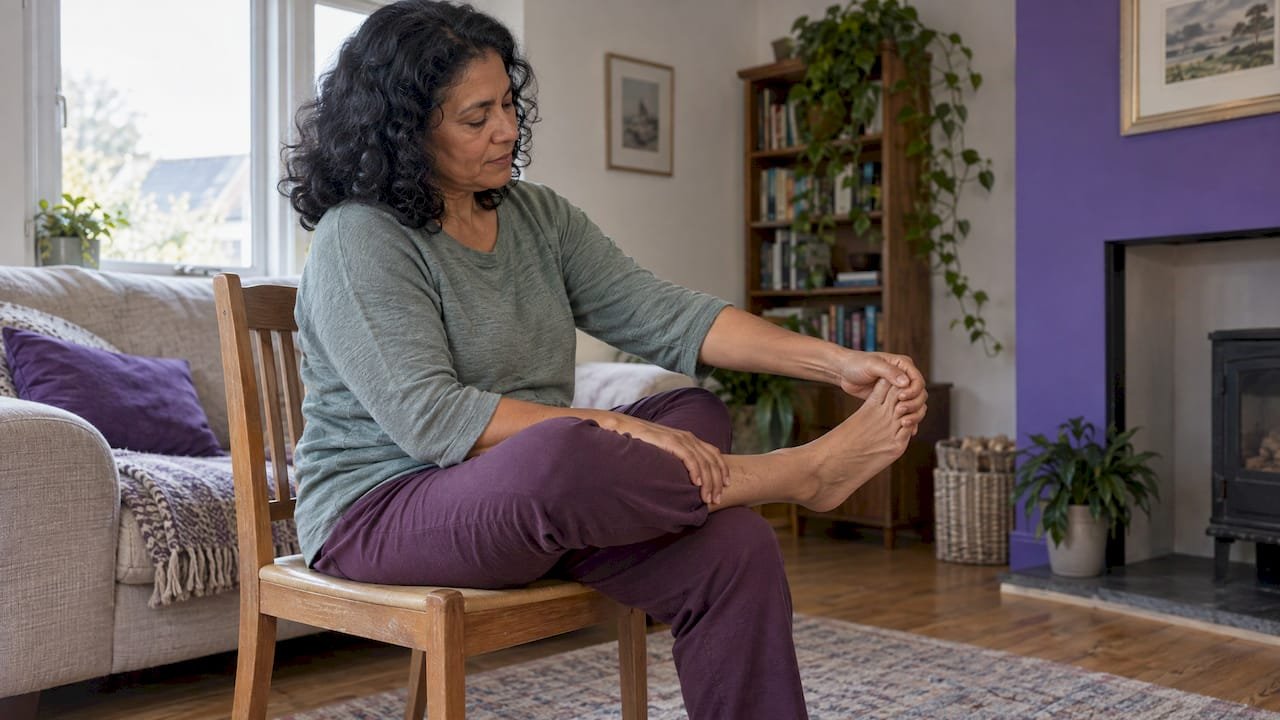
Some people also like to add a calming practice such as Reiki for physical pain to help them relax and stay consistent with their recovery routine. Choose what helps you keep your plan going.
Who should avoid PEMF or ask first
PEMF has a good safety record in the foot and ankle trials, with no serious adverse events and only minor temporary skin redness reported. Safe use still means knowing when to check first.
- Pacemakers and other implanted electronic devices. A 2023 review advises that PEMF should be avoided close to pacemakers and can heat metallic implants. The NCCIH likewise says magnets may interfere with pacemakers and insulin pumps.
- Pregnancy or a health condition. The NCCIH advises talking with your healthcare provider before using magnetic therapy.
- Cancer. Magnetic therapy in oncology has historically been treated with caution, largely because robust evidence was lacking rather than because of proven harm. If you have or have had cancer, speak to your oncology team before booking, and tell us when you do. They know your treatment and can say whether it suits you.
- Diabetes, open wounds or infection in the foot. Get these assessed by your GP first. The HSE specifically advises people with diabetes and heel pain to contact their GP.
Our page on PEMF contraindications sets these out in more detail, so you can go to your appointment prepared.
Our perspective on PEMF and heel pain
We see many people come to us after months of heel pain. They have stretched, changed their shoes and tried insoles, and they want something comfortable to add. That is where we believe PEMF earns its place.
What encourages us about the research is the direction of the results: reduced pain in most of the trials, no serious side effects, and measurable changes in the tissue itself on ultrasound. The studies are small, and we say so openly. That is why we recommend PEMF as part of a routine, with stretching, supportive footwear and your GP or physiotherapist guiding the diagnosis.
At Live5DHealth we bring PEMF together with other therapies in one calm setting in Boyle, County Roscommon. For example, many clients enjoy our red light therapy, sauna and steam to ease tension after a session. We also look at pain holistically, including our Pain Genie sessions, which you can read about in our Pain Genie guide. Your best self awaits, and we would love to help you take your next steps comfortably.
Mark
Book your PEMF session in Boyle
If you would like to try PEMF as part of your recovery plan, we offer it at our wellness centre in Boyle, County Roscommon. Our team can talk you through what to expect and how to space your sessions, and we will ask about your health history first so the session is right for you.

You can also add a red light therapy session or a visit to our sauna, steam and cold plunge spa for recovery days. See all our therapies and booking options on the Live5DHealth homepage, or book directly on our booking page.
FAQ
Does PEMF help plantar fasciitis?
Some evidence says yes for pain. In a 2026 review of four trials, three reported significant pain reductions, while improvement in physical function was less consistent. Most trials gave PEMF alongside another treatment such as stretching, heel pads or shockwave, so it is best used as part of a plan.
How long does PEMF take to work on heel pain?
The foot studies ran for weeks. One used two hours of daily use over 12 weeks, and a clinic-style schedule used five 20-minute sessions, four days apart. Expect to commit to a series, and track your morning pain so you can see the trend.
Can electrical stimulation help with plantar fasciitis, and is it the same as PEMF?
They are related but different. TENS-type devices send small currents through pads on the skin, while PEMF uses a pulsed magnetic field that induces currents in the tissue without electrodes. Ask your physiotherapist which suits you.
Is PEMF safe if I have cancer?
Speak to your oncology team first. Magnetic therapy has traditionally been approached with caution in people with active cancer, mainly because evidence is limited. A 2026 review found one trial that looked at oncological safety and found no sign of progression, but your own team can advise on your case.
Sources
- Magnets for Pain: What You Need to Know, NCCIH
- The effects of pulsed electromagnetic field on foot and ankle soft-tissue injuries, Frontiers in Sports and Active Living (2026)
- A Novel Approach to Plantar Fasciitis Treatment, PubMed
- Pulsed Electromagnetic Fields (PEMF): Physiological Response, PMC
- Comparative effectiveness of extracorporeal shock wave therapies, PubMed
- Extracorporeal shockwave therapy for refractory plantar fasciitis, NICE
- Plantar fasciitis, BOFAS Hyperbook
- Plantar fasciitis: symptoms, causes, diagnosis and treatment, HSE
- Comprehensive Review and Evidence-Based Treatment Framework, PMC
- Physiotherapeutic Interventions for Individuals Suffering from Plantar Fasciitis, PMC
- Therapeutic Magnetic Fields in Oncology: A Systematic Review, PMC