
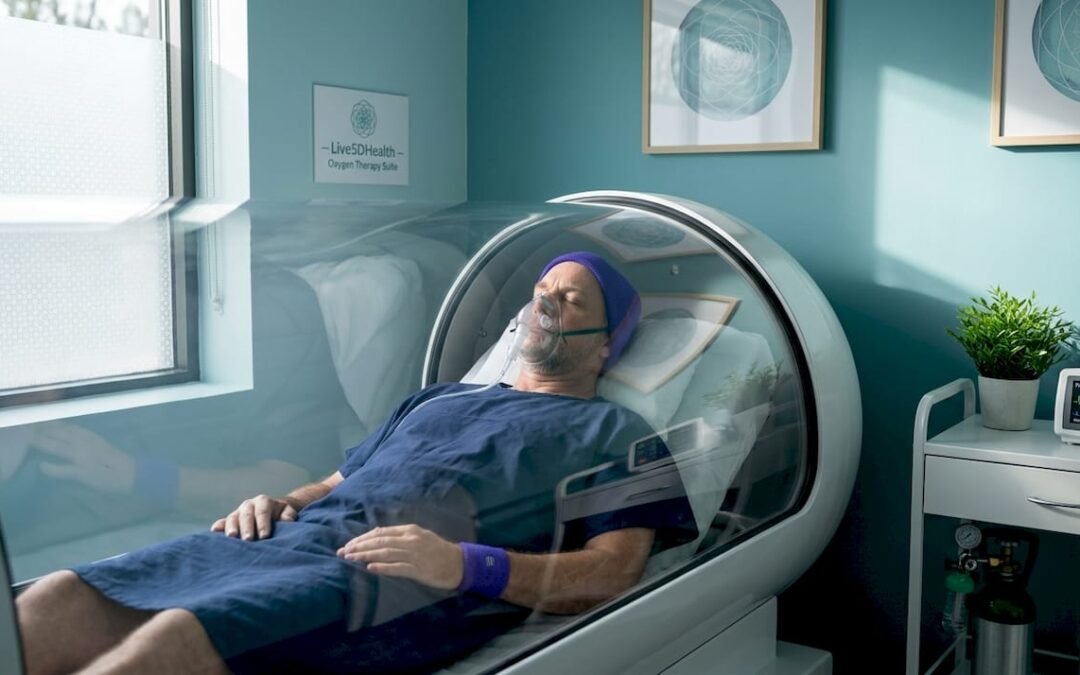
Hyperbaric oxygen therapy (HBOT) is defined as a medical treatment in which you breathe pure oxygen inside a pressurised chamber, raising blood oxygen levels far beyond what normal breathing achieves. To maximise results from hyperbaric oxygen therapy, you must follow evidence-based protocols, complete the full recommended course, and support each session with the right preparatory habits. Regulatory bodies including the FDA and the Undersea and Hyperbaric Medical Society (UHMS) have established clinical standards that form the foundation of safe, effective treatment. Cutting corners on session count, pressure settings, or aftercare does not save time. It costs results.
What protocols and session regimens maximise hyperbaric oxygen therapy effectiveness?
The clinical dose is the single most important variable in HBOT outcomes. FDA-approved indications use standardised protocols of 20 to 40 sessions at 2.0 to 2.5 atmospheres absolute (ATA), with the exact prescription tailored to the condition being treated. This means the pressure, session length, and total number of sessions are not arbitrary. They are calibrated to the biology of each indication.
For chronic and neurological conditions, the evidence points clearly toward longer courses. 40 sessions at 2.0 ATA, each lasting 90 minutes, is the trial-supported approach for conditions such as long COVID. Courses of fewer than 30 sessions show inconsistent benefits. For patients over 40 exploring HBOT for cognitive support or recovery from chronic illness, this distinction matters enormously. Completing the full course is not optional if you want durable results.
The table below summarises evidence-based protocols for the most common indications:
| Indication | Pressure (ATA) | Session length | Recommended sessions |
|---|---|---|---|
| Chronic wounds | 2.0–2.4 | 90 minutes | 20–40 |
| Long COVID / neurological | 2.0 | 90 minutes | 40 over ~8 weeks |
| Sudden hearing loss | 2.0–2.5 | 60–90 minutes | 15–20 |
| Carbon monoxide poisoning | 2.4–3.0 | 90 minutes | 1–3 (emergency) |
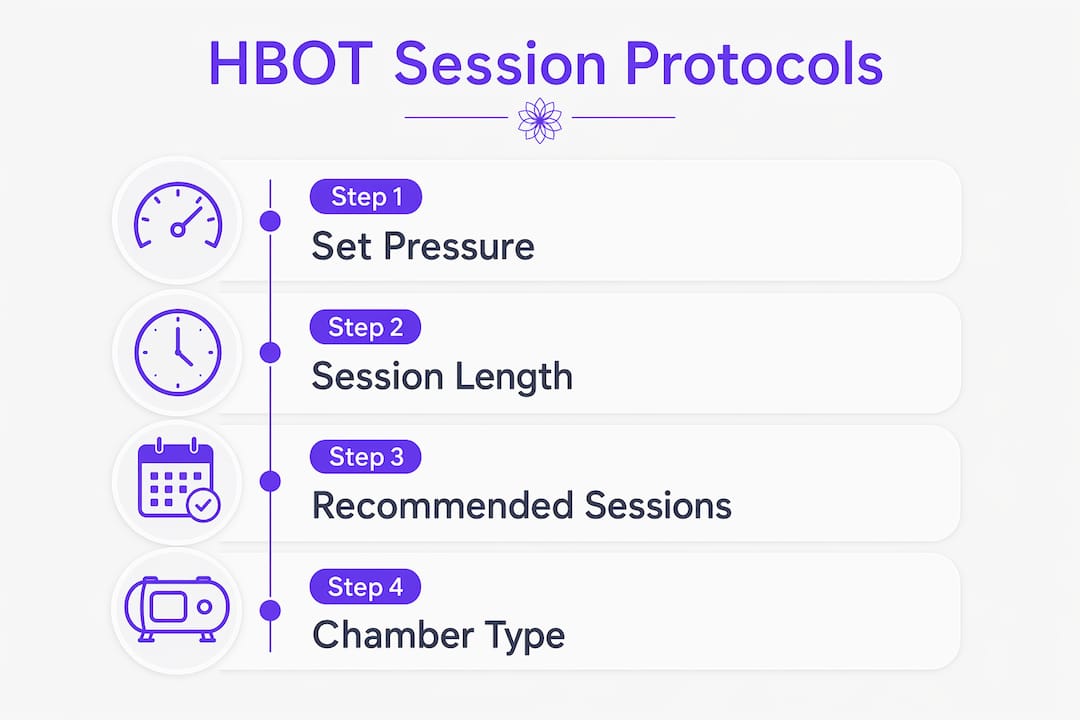
Chamber type also affects how much oxygen your tissues actually receive. Hard-shell hyperbaric chambers deliver the full clinical pressure range of 2.0 ATA and above, which is required for FDA-approved indications. Soft-shell or mild hyperbaric chambers typically operate at 1.3 to 1.5 ATA, a pressure range that does not replicate the physiological effects of clinical HBOT. If you are pursuing HBOT for a specific medical outcome, the chamber type is not a minor detail. It determines whether the treatment can work at all. You can read more about HBOT in Ireland and what clinical standards to expect from a reputable provider.
Pro Tip: Ask your provider to confirm the chamber’s maximum operating pressure before booking. A soft-shell chamber at 1.3 ATA is not equivalent to clinical HBOT at 2.0 ATA, regardless of how the service is marketed.
How to prepare for each session to enhance effectiveness
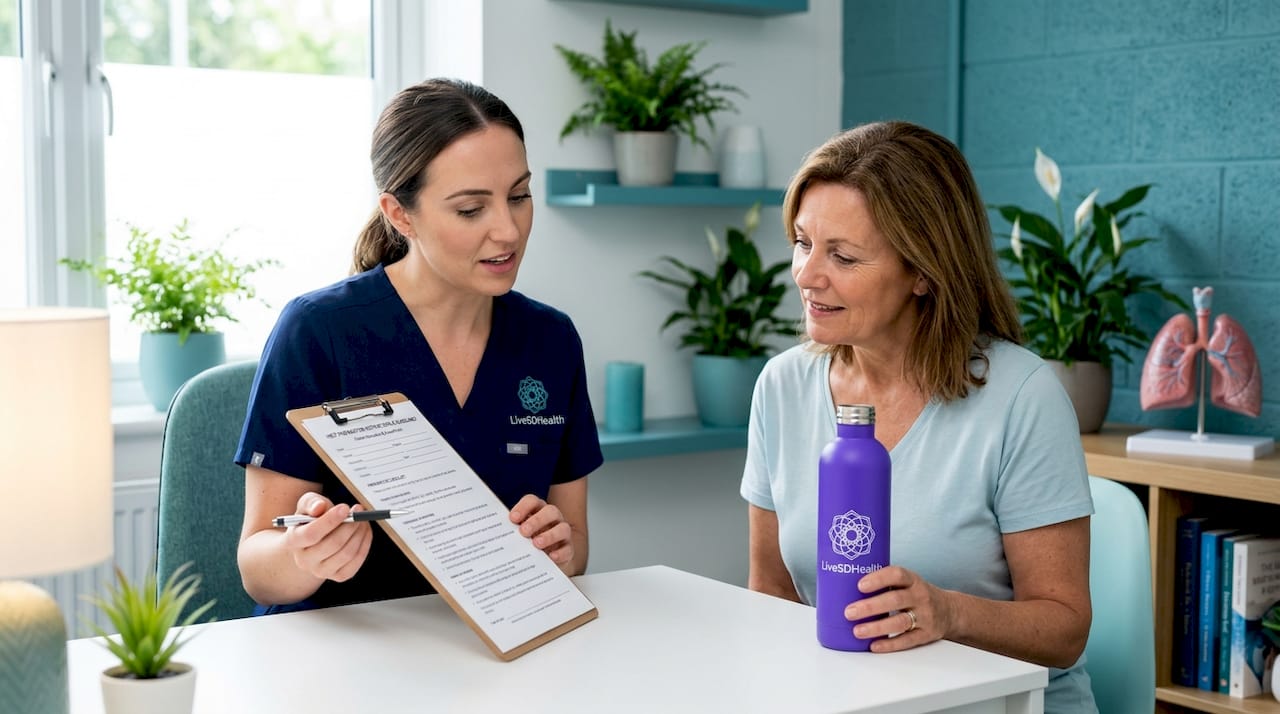
What you do in the hours before a session shapes how well your body responds inside the chamber. The right preparation reduces discomfort, supports physiological response, and keeps you consistent across the full course of treatment.
Patient-reported optimisation practices that improve comfort and adherence include the following:
- Hydrate well before each session. Oxygen delivery at the cellular level depends on adequate blood volume and circulation. Aim for at least 500ml of water in the two hours prior.
- Eat a light, balanced meal one to two hours before your session. A heavy meal can cause nausea as pressure increases; an empty stomach can leave you feeling lightheaded.
- Practise ear-clearing techniques such as yawning, swallowing, or the Valsalva manoeuvre (gently pinching your nose and blowing softly). Pressure equalisation in the ears is the most common comfort challenge, particularly for patients over 40.
- Avoid alcohol and smoking for at least 24 hours before a session. Both impair microcirculation and reduce the oxygen-carrying capacity of red blood cells.
- Wear comfortable, loose-fitting clothing made from natural fibres. Synthetic materials are a fire risk in high-oxygen environments.
- Communicate openly with your clinical team. If you feel ear pain, sinus pressure, or anxiety during compression, tell staff immediately. Pressure can be adjusted in real time to keep you comfortable and safe.
Consistency across sessions is as important as any single preparation habit. Missing sessions disrupts the cumulative dose-response relationship that underpins HBOT’s therapeutic effects.
Pro Tip: If ear discomfort is making you dread sessions, ask your provider about a decongestant protocol or a slower compression rate. Ear barotrauma is the most common reason patients skip sessions, and it is almost always preventable with early intervention.
What complementary therapies optimise hyperbaric oxygen therapy results?
HBOT does not work in isolation. The therapies and lifestyle behaviours you pair with your sessions determine whether the cellular benefits translate into lasting, measurable improvements in your health.
Wound care integration
For patients using HBOT to support wound healing, the chamber is one component of a broader clinical strategy. HBOT supports wound healing as an adjunct to standard care, with benefits directly linked to concurrent debridement and infection control. Pressurised oxygen cannot substitute for proper wound management. It amplifies the results of good wound care by flooding hypoxic tissue with oxygen, stimulating angiogenesis, and reducing bacterial load. Documented healing progress at regular intervals is also the basis on which continued HBOT coverage is assessed in clinical settings.
Cognitive and neurological recovery
Structured HBOT courses produce measurable cognitive improvements, with most cognitive parameters showing gains after full treatment courses. Older age is associated with a somewhat reduced magnitude of improvement, which makes the quality of the surrounding lifestyle support even more relevant for patients over 40. Pairing HBOT with adequate sleep, stress management, and cognitive engagement activities gives the neurological repair process the best possible environment to take hold. The anti-ageing benefits of HBOT are closely linked to this neurological dimension of treatment.
Adjunct therapies and lifestyle behaviours
The following practices directly support and extend the benefits of HBOT:
- Vibro plate therapy stimulates lymphatic drainage, improves circulation, and supports musculoskeletal recovery. Used alongside HBOT, it addresses the physical recovery dimension that oxygen therapy alone does not target.
- Anti-inflammatory nutrition rich in omega-3 fatty acids, polyphenols, and antioxidants supports the cellular repair processes that HBOT initiates.
- Prioritising sleep of seven to nine hours per night gives your body the recovery window it needs to consolidate the tissue repair and neurological changes triggered by each session.
- Avoiding environmental toxins such as cigarette smoke and excessive alcohol preserves the microvascular improvements HBOT generates.
- Structured physical rehabilitation, where appropriate, builds on improved tissue oxygenation to restore function and strength.
What are common challenges and how do you avoid them?
Understanding the obstacles that derail HBOT outcomes puts you in a far stronger position to complete your course successfully and get genuine value from the treatment.
Ear and sinus barotrauma
Barotrauma is the most frequent physical barrier to completing a full HBOT course. It occurs when pressure changes faster than the middle ear or sinuses can equalise. Managing barotrauma early prevents skipped sessions, which is critical to maintaining the cumulative dose that drives results. Patients over 40 with a history of sinus issues or Eustachian tube dysfunction should discuss this with their provider before starting treatment.
Incomplete courses and inconsistent attendance
Partial HBOT courses are one of the most common reasons patients report disappointing results. Matching the clinical protocol to the indication and completing the full course is the primary lever for maximising outcomes. Skipping sessions because of mild discomfort, scheduling conflicts, or premature optimism about early improvements undermines the dose-response relationship the therapy depends on.
Unrealistic expectations and marketing claims
“More HBOT does not necessarily equal better outcomes. Benefit is condition-specific; indiscriminate application leads to wasted costs and no added benefit.” — Miami Herald, citing HBOT science and misconceptions
HBOT has a strong evidence base for its approved indications. It does not have a strong evidence base for every wellness claim made in its name. Approaching treatment with clear, condition-specific goals and a realistic timeline protects you from both disappointment and unnecessary expense. For a grounded overview of what the therapy can and cannot do, the common HBOT misconceptions guide at Live5dhealth is worth reading before you begin.
Safety in non-clinical settings
Deaths linked to chamber fires or suffocation have occurred since 2009, primarily from improper non-medical use. High-oxygen environments carry real fire risk when safety protocols are not followed. Always choose a provider with trained clinical staff, properly maintained equipment, and a clear safety protocol. This is not an area where cost-cutting is worth the risk.
Pro Tip: Keep a simple weekly log of your symptoms, energy levels, and any measurable health markers relevant to your condition. Objective tracking helps you and your provider assess whether the current protocol is working, and gives you a clear basis for deciding whether to continue, adjust, or conclude treatment.
Key takeaways
Maximising results from hyperbaric oxygen therapy requires completing the full evidence-based course at the correct clinical pressure, supported by consistent preparation, complementary therapies, and realistic expectations.
| Point | Details |
|---|---|
| Complete the full course | Courses under 30 sessions show inconsistent benefits; 40 sessions is the trial-supported standard for chronic conditions. |
| Match chamber to indication | Hard-shell chambers at 2.0+ ATA are required for clinical outcomes; soft-shell chambers cannot replicate this. |
| Prepare each session properly | Hydration, light meals, and ear-clearing techniques directly improve comfort and adherence across the full course. |
| Pair HBOT with complementary care | Wound debridement, vibro plate therapy, sleep, and anti-inflammatory nutrition extend and consolidate HBOT’s effects. |
| Address barotrauma early | Ear and sinus discomfort is preventable with proactive staff communication and adjusted compression rates. |
What I’ve learned about HBOT for patients over 40
The patients who get the most from HBOT are rarely the ones who arrive with the highest expectations. They are the ones who arrive informed, consistent, and willing to treat the therapy as part of a broader health strategy rather than a standalone cure.
What I observe most often is that adherence is the real differentiator. The clinical protocols are well-established. The biology is sound. What breaks down is the human side: sessions missed because of mild ear discomfort that could have been managed, courses abandoned at session 25 because progress felt slow, or pressure settings compromised because a cheaper soft-shell chamber was chosen. Every one of those decisions costs results.
For anyone over 40, I would also say this: the cognitive and recovery benefits of HBOT are genuinely exciting, but they are not magic. Structured multi-week courses produce more consistent and durable improvements than short, sporadic sessions. The therapy rewards patience and commitment in a way that few other interventions do. Pair it with good sleep, sound nutrition, and a complementary physical therapy, and you give your body every possible advantage. Approach it as a quick fix, and you will likely be disappointed. Your results are built session by session, and that is worth respecting.
— Mark
Discover how Live5dhealth can support your HBOT journey
Live5dhealth, based in Boyle, County Roscommon, offers hyperbaric oxygen therapy alongside a curated range of complementary wellness services designed to work together for maximum effect.
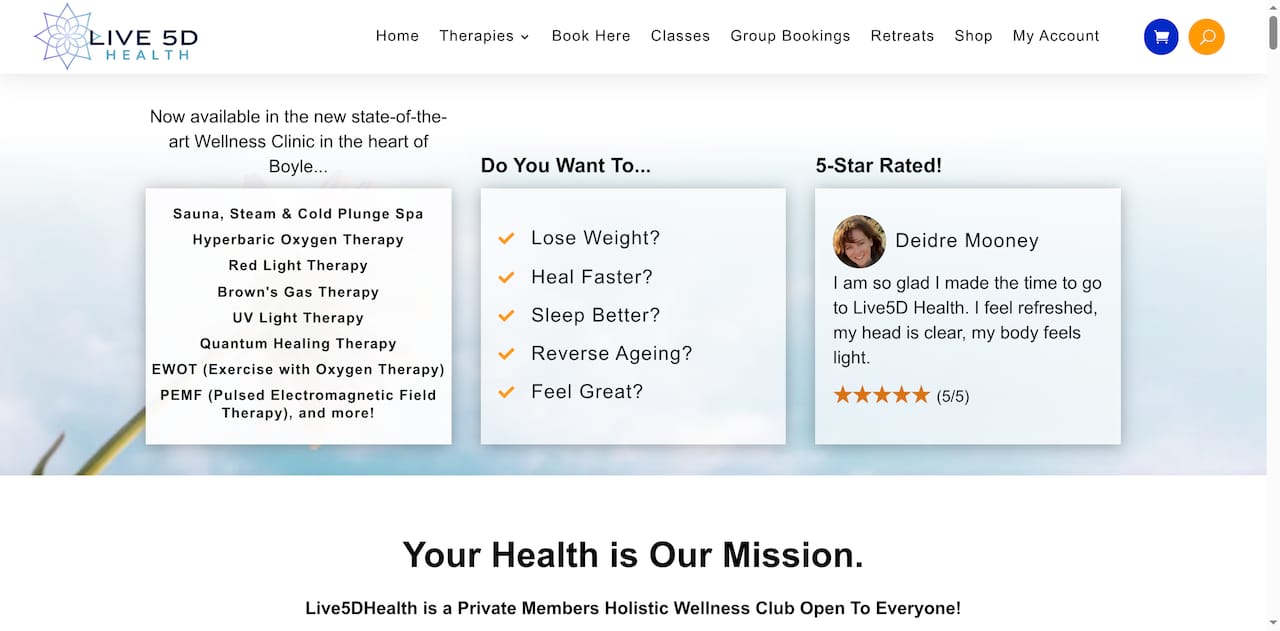
One of the most effective pairings available at Live5dhealth is HBOT combined with vibro plate therapy. Vibro plate stimulates circulation and lymphatic drainage, directly supporting the tissue repair and recovery processes that HBOT initiates at the cellular level. Together, they address recovery from multiple angles. Read the full breakdown of vibro plate and HBOT combined to understand how this combination can be tailored to your health goals. You can also explore the full range of wellness retreats in Ireland at Live5dhealth for a more immersive approach to recovery and renewal.
FAQ
How many HBOT sessions do you need to see results?
For chronic conditions and neurological indications, 40 sessions at 2.0 ATA over approximately eight weeks is the trial-supported standard. Courses of fewer than 30 sessions show inconsistent benefits.
Does the type of hyperbaric chamber affect results?
Hard-shell chambers operating at 2.0 ATA or above are required to replicate the clinical protocols behind FDA-approved indications. Soft-shell mild chambers at 1.3 to 1.5 ATA do not deliver equivalent physiological effects.
What is the most common reason people do not complete their HBOT course?
Ear and sinus barotrauma is the most frequent physical barrier to course completion. It is almost always preventable with early staff communication, adjusted compression rates, and proactive management before sessions become uncomfortable.
Can HBOT improve cognitive function in people over 40?
Structured HBOT courses improve most cognitive parameters in patients who complete the full treatment. Older age is associated with a somewhat smaller magnitude of improvement, making lifestyle support and course completion especially important for this age group.
Is HBOT safe in a wellness centre setting?
HBOT is safe when delivered by trained staff in properly maintained hard-shell chambers with clear safety protocols. Improper non-medical use of high-oxygen chambers carries genuine fire and suffocation risk. Always verify your provider’s clinical credentials and safety standards before beginning treatment.