
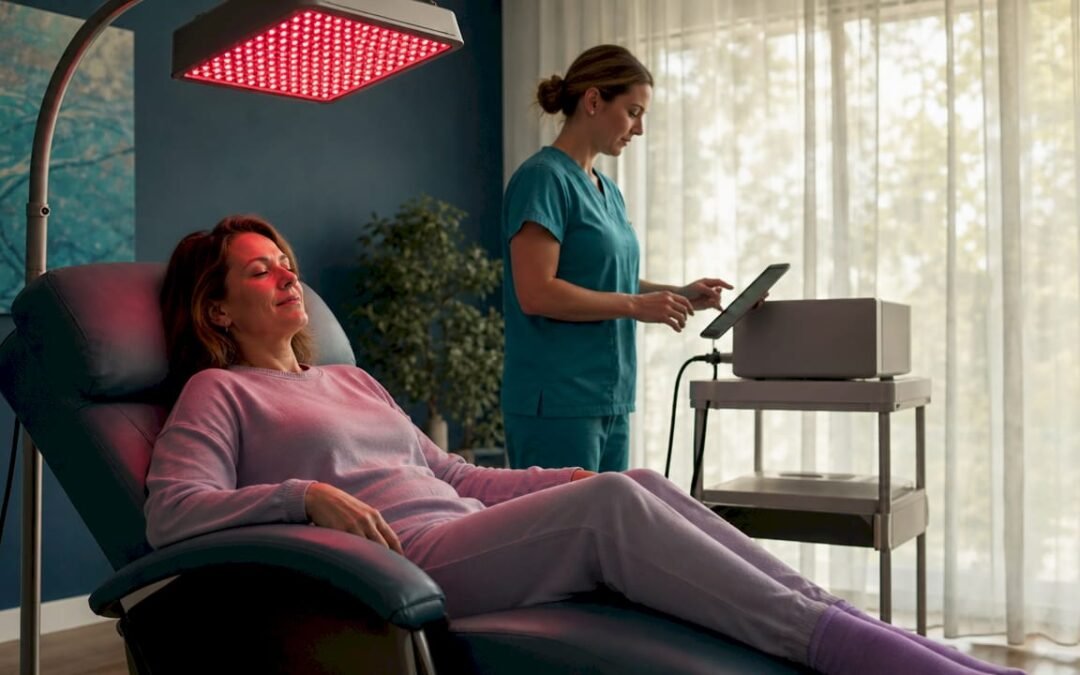
Red light therapy is a treatment that uses specific wavelengths of red and near-infrared light to enhance skin health, relieve pain, stimulate hair growth, and support recovery from injury. Known clinically as photobiomodulation, it has moved well beyond the wellness fringe. A 2025 expert consensus confirms its safety and efficacy for pattern hair loss, peripheral neuropathy, oral mucositis, and acute radiation dermatitis. For anyone searching for red light therapy in Ireland, the options now range from professional clinic sessions to quality home devices, with costs and results varying considerably depending on what you choose.
How does red light therapy work in Ireland’s clinics and homes?
Photobiomodulation works by delivering specific wavelengths of light directly to the skin and underlying tissue. The light is absorbed by mitochondria, the energy-producing structures inside your cells, which then produce more cellular energy. That increase in energy drives repair, reduces inflammation, and stimulates collagen production.
Wavelength determines depth of penetration and therefore the type of benefit you receive. Shorter wavelengths in the 630–660 nm range target the skin surface, making them well suited to collagen stimulation and anti-ageing applications. Near-infrared wavelengths, typically 810–850 nm, penetrate deeper into muscle and joint tissue, supporting pain relief and recovery. Using the wrong wavelength for your goal produces little to no benefit.
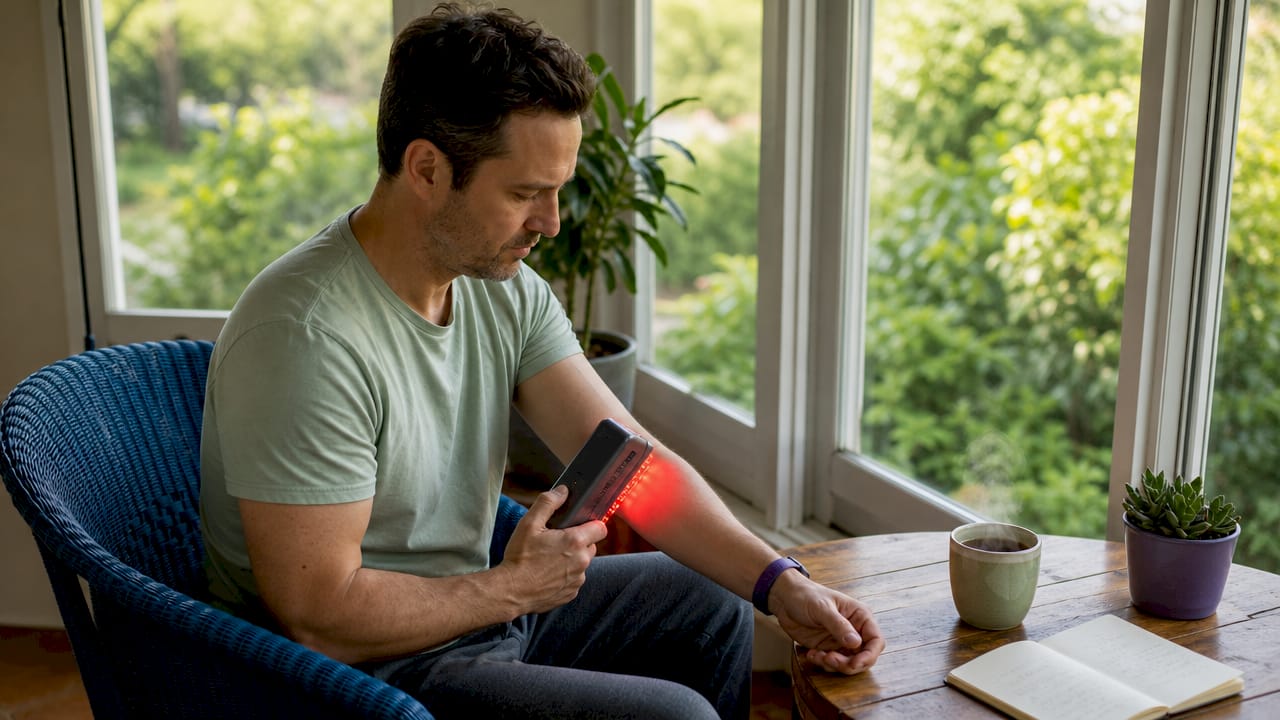
Intensity matters as much as wavelength. A device that emits the correct colour of light but at insufficient power will not deliver a therapeutic dose. This is the critical difference between medical-grade clinic equipment and many consumer products.
Key wavelength facts to know:
- 630–660 nm (red light): targets skin surface, collagen, fine lines, and wound healing
- 810–850 nm (near-infrared): penetrates muscle and joint tissue for pain and recovery
- Intensity output: measured in milliwatts per square centimetre; higher output equals deeper and faster tissue response
- Session duration: typically 10–20 minutes depending on device power and treatment goal
Pro Tip: Ask any clinic or device supplier for the specific wavelength and intensity data for their equipment. If they cannot provide it, the device is likely cosmetic rather than therapeutic.
What are the proven benefits of red light therapy?
The evidence base for photobiomodulation is stronger than many people realise, but it is also more specific than wellness marketing suggests. A 2025 scientific review confirms that strongest evidence supports fibromyalgia pain relief and osteoarthritis, while no significant effect has been demonstrated for rheumatoid arthritis. That distinction matters if you are choosing therapy for a specific condition.
“Expert dermatologists advise against seeing red light therapy as a replacement for medical treatments. It is a complement, not a cure.” — Nature, 2026
For skin health, the evidence supports modest but real improvements. Regular sessions reduce the appearance of fine lines, stimulate collagen synthesis, and accelerate wound healing. For hair loss, clinical studies show measurable regrowth in people with androgenetic alopecia when using devices calibrated to the correct wavelength.
| Condition | Evidence level | Notes |
|---|---|---|
| Pattern hair loss | Strong | Clinically confirmed in 2025 expert consensus |
| Fibromyalgia pain | Strong | Demonstrated in multiple clinical reviews |
| Osteoarthritis | Strong | Consistent pain and mobility improvements |
| Fine lines and collagen | Moderate | Observable with consistent long-term use |
| Oral mucositis | Strong | Particularly in cancer treatment side effects |
| Rheumatoid arthritis | Weak | No significant clinical effect demonstrated |
| Neurological conditions | Experimental | Research ongoing; not yet clinically established |
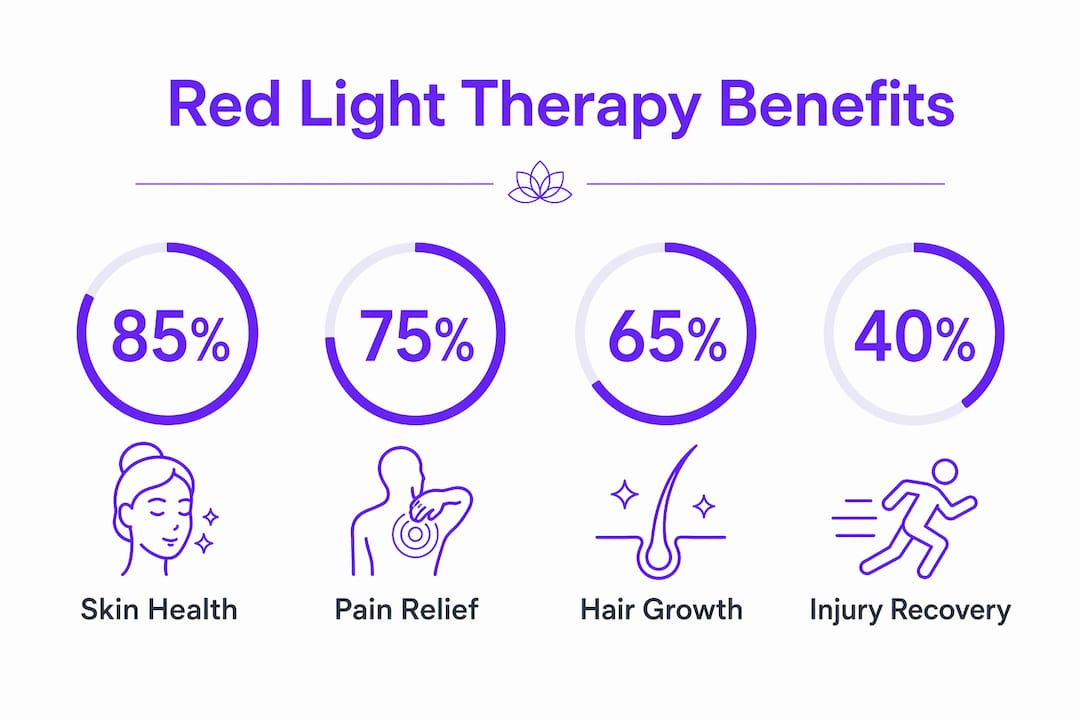
Emerging research explores red light therapy’s potential in neurological conditions, but these applications remain experimental. Managing your expectations based on the evidence level for your specific goal is the most important step you can take before starting treatment.
Clinic sessions vs home devices: what works best in Ireland?
Professional LED therapy session prices in Irish clinics range from €10 to €95 as of june 2026. Basic sessions start at €10–€40, while advanced medical packages cost considerably more. That pricing reflects the quality of equipment used. Professional clinics use medical-grade, high-intensity LEDs with verified wavelength outputs, which target specific tissues far more effectively than most consumer devices.
Home devices have improved significantly and now include LED face masks, panel lights, and full-body light beds. Quality varies enormously. Many home devices lack sufficient output quality to deliver a therapeutic dose, making them cosmetic rather than medical tools. The price of a home device does not reliably indicate its therapeutic value.
For home LED face masks, experts recommend:
- Use on a clean face only, free of makeup and skincare products
- Sessions of 10 minutes, two to three times per week
- Consistent use over weeks and months for visible skin results
- Never use over open wounds or active skin infections
- Check the device specification sheet for wavelength and intensity data before purchasing
Pro Tip: When buying a home device, look for independent certification or third-party testing data. Rigorous independent testing is often lacking in the consumer market, so seek certified equipment rather than relying on marketing claims alone.
Consistent, long-term use is critical. Short-term or sporadic sessions offer minimal benefit, particularly for cosmetic goals like skin tightening or collagen stimulation. Commit to a regular schedule before assessing whether a device is working for you.
How to use red light therapy safely: protocols and precautions
Safe and effective use starts with preparation. Cleansing your skin before treatment is not optional. Makeup, moisturisers, and serums all block light absorption and reduce the therapeutic effect. A clean face allows maximum light penetration to the target tissue.
Follow this protocol for safe home use:
- Cleanse thoroughly. Remove all makeup, SPF, and skincare products before every session.
- Start gradually. Begin with shorter sessions of five minutes and build up to the recommended duration over the first two weeks.
- Protect your eyes. Never look directly at the light source. Use the protective goggles supplied with your device.
- Observe your skin. Stop use immediately if you notice unusual redness, irritation, or burning that does not resolve within an hour.
- Maintain a schedule. Two to three sessions per week is the minimum for meaningful results.
- Store the device correctly. Keep it clean and dry to maintain output accuracy over time.
Certain people should consult a doctor before starting any form of photobiomodulation. If you have an autoimmune condition, a history of skin cancer, light sensitivity, or are currently undergoing chemotherapy or radiotherapy, professional medical advice is required first. You can find a detailed overview of who should avoid red light therapy on the Live5dhealth website. Photosensitising medications, including some antibiotics and retinoids, also increase the risk of adverse skin reactions under light exposure.
Where to find red light therapy near you in Ireland
The number of clinics and wellness centres offering LED therapy in Ireland has grown considerably. When choosing a provider or purchasing a home device, the following factors matter most:
- Wavelength transparency: the provider should state the exact wavelengths used and their clinical rationale
- Device certification: look for CE marking and any independent quality assurance documentation
- Staff training: qualified practitioners understand contraindications and can tailor sessions to your goals
- Session pricing and packages: compare per-session costs against package deals; packages often reduce the per-session cost significantly
- Reviews and outcomes: look for specific outcome-based reviews rather than general satisfaction scores
- Aftercare guidance: a reputable clinic will advise on session frequency, home care, and realistic timelines
Live5dhealth, based in Boyle, County Roscommon, offers red light therapy treatments alongside a full range of wellness and recovery services. The centre uses professional-grade equipment and provides clear guidance on treatment protocols. For those who prefer to combine therapies, Live5dhealth also offers PEMF therapy and spa recovery services, which complement photobiomodulation for pain relief and recovery goals. You can read more about red light therapy applications in Ireland on their site before booking.
Key takeaways
Red light therapy delivers measurable benefits for specific medical and cosmetic conditions, but only when the correct wavelength, intensity, and treatment frequency are applied consistently.
| Point | Details |
|---|---|
| Wavelength determines outcome | Red (630–660 nm) targets skin; near-infrared (810–850 nm) reaches muscle and joints. |
| Strongest clinical evidence | Fibromyalgia, osteoarthritis, pattern hair loss, and oral mucositis have the best-supported outcomes. |
| Home devices vary widely | Many consumer devices lack the intensity needed for therapeutic results; always check specifications. |
| Preparation is non-negotiable | Clean skin before every session; makeup and skincare products block light penetration. |
| Consistency drives results | Two to three sessions per week over several months is the minimum for meaningful cosmetic improvement. |
What I have learned from watching the Irish red light therapy market grow
The honest picture of red light therapy is more nuanced than either the sceptics or the enthusiasts admit. I have watched the Irish wellness market absorb this technology over several years, and the pattern is consistent. People who approach it with realistic expectations and a quality device or clinic get real results. People who buy the cheapest LED mask they can find, use it twice, and expect a facelift are disappointed.
The medical evidence is genuinely encouraging for specific conditions. Fibromyalgia sufferers, people managing osteoarthritis, and those dealing with hair thinning have real clinical data behind them. That is not nothing. What concerns me is the gap between that evidence and the broader wellness claims that surround the technology. Neurological applications, mood enhancement, and systemic anti-ageing effects are being marketed as established when they are still experimental.
My view is that photobiomodulation belongs in a broader recovery and wellness programme rather than as a standalone cure. Paired with good sleep, appropriate nutrition, and complementary therapies like infrared wellness practices, it becomes part of a genuinely effective approach to long-term health. Used in isolation with unrealistic expectations, it becomes another expensive disappointment. The Irish market is maturing, device quality is improving, and the clinical research is moving in the right direction. Choose wisely, commit to consistency, and the results will follow.
— Mark
Red light therapy at Live5dhealth in Boyle, County Roscommon
Live5dhealth offers professional red light therapy sessions at its wellness centre in Boyle, County Roscommon, using calibrated equipment with verified wavelength outputs.
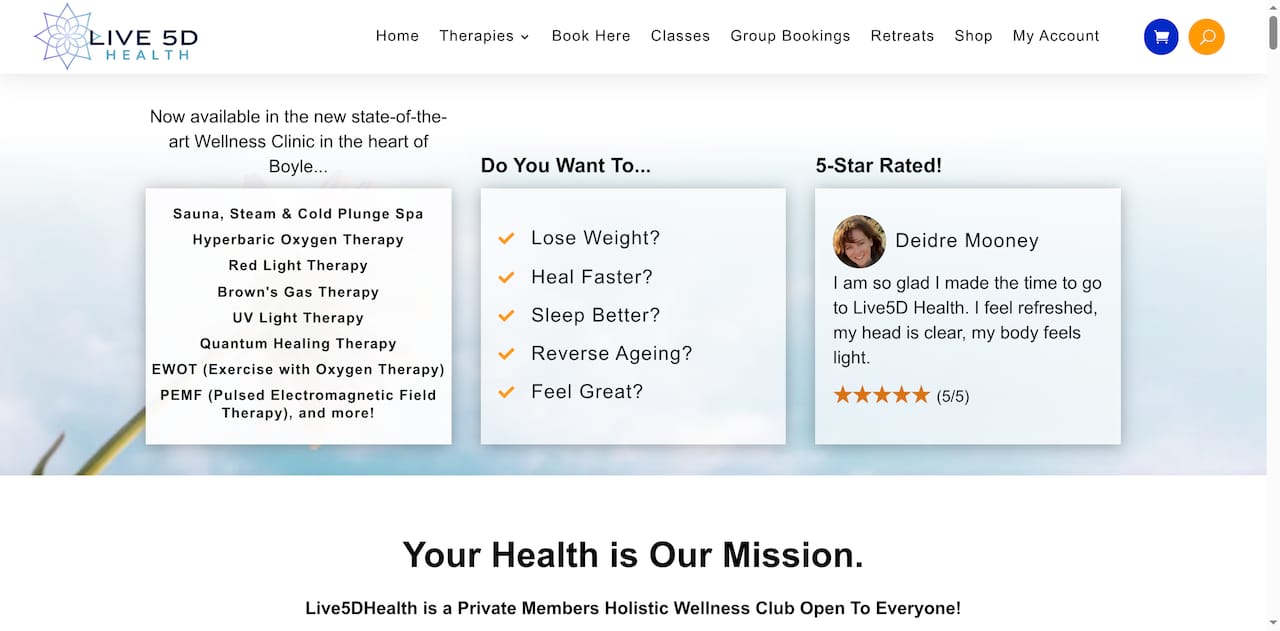
Whether you are managing chronic pain, working on skin health, or recovering from injury, the team at Live5dhealth can guide you to the right treatment protocol. Sessions are available individually or as part of broader wellness packages that include spa, sauna, and recovery services. For those exploring all their options in the west of Ireland, the luxury spa and recovery centre at Live5dhealth is worth a visit. You can also browse wellness retreat options if you are looking for a more immersive health experience.
FAQ
What is red light therapy used for in Ireland?
Red light therapy in Ireland is used for skin rejuvenation, pain relief, pattern hair loss, and injury recovery. Clinical evidence is strongest for fibromyalgia, osteoarthritis, and androgenetic alopecia.
How much does a red light therapy session cost in Ireland?
Session prices in Irish clinics range from €10 to €95 depending on the type of treatment and the equipment used. Basic LED sessions start at the lower end; advanced medical packages cost more.
How often should I use red light therapy at home?
Experts recommend two to three sessions per week, each lasting approximately 10 minutes on a clean face. Consistent use over several weeks is required before results become visible.
Are home LED devices as effective as clinic treatments?
Professional clinic devices use medical-grade LEDs with verified wavelength and intensity outputs. Many home devices lack sufficient power to deliver a therapeutic dose, making them less effective for medical applications.
Who should not use red light therapy?
People with autoimmune conditions, light sensitivity, active skin cancer, or those taking photosensitising medications should consult a doctor before use. Full contraindication guidance is available at Live5dhealth’s safety page.