
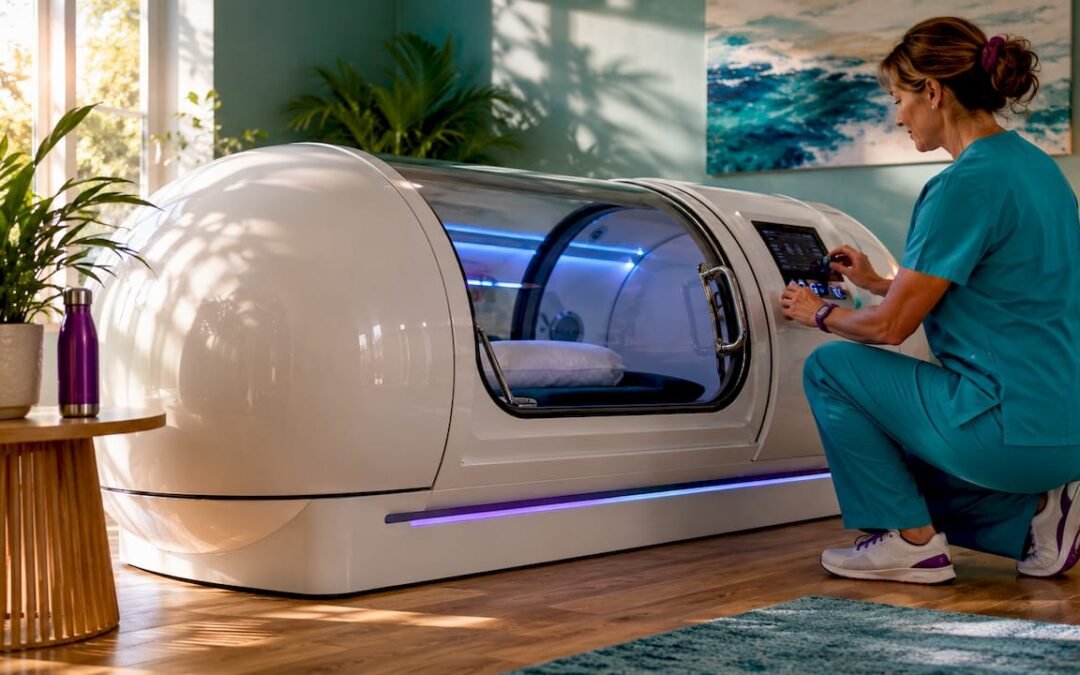
A monoplace hyperbaric chamber is a single-patient pressurised enclosure used to deliver hyperbaric oxygen therapy (HBOT), where one person breathes 100% pure oxygen at increased atmospheric pressure to enhance tissue oxygenation and accelerate healing. The University of Pennsylvania’s hyperbaric medicine programme uses clear acrylic monoplace chambers with continuous clinician monitoring throughout each session. If you are over 40 and curious about whether this therapy could support your recovery, injury management, or general wellbeing, understanding how these chambers work is the right place to start. The clinical rationale is straightforward: more oxygen, delivered under pressure, reaches tissues that would otherwise struggle to heal.
How does a monoplace chamber work?
A monoplace hyperbaric chamber works by sealing one patient inside a rigid, transparent acrylic tube and gradually increasing the internal air pressure while the patient breathes pure oxygen. That combination of pressure and oxygen concentration is what makes the therapy clinically meaningful. Under normal conditions, oxygen travels through the body almost entirely bound to red blood cells. Under hyperbaric conditions, oxygen dissolves directly into the blood plasma, cerebrospinal fluid, and lymph, reaching tissues that poor circulation would otherwise leave oxygen-starved.
HBOT increases plasma oxygen by 10–20 times the normal level. That dramatic increase is what drives the therapy’s ability to support wound healing, reduce inflammation, and stimulate new blood vessel growth. Treatment pressures typically range from 1.9 to 3.0 atmospheres absolute (ATA), and sessions generally run for 2–3 hours daily, depending on the clinical indication. Air breaks are built into protocols to reduce the risk of oxygen toxicity.
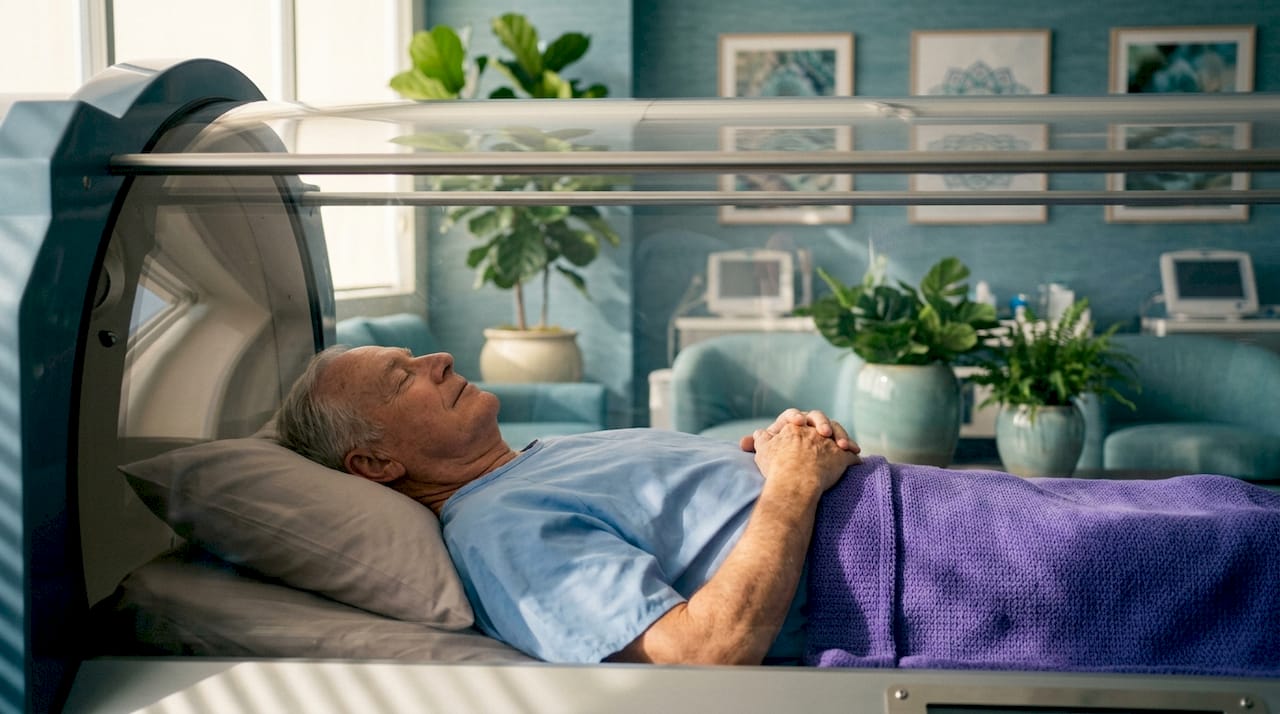
The patient experience inside a monoplace chamber is quieter and more contained than many people expect. You lie flat inside the clear acrylic tube, fully visible to the attending clinician outside. The chamber pressurises gradually, and you can watch television, listen to audio, or simply rest. Communication with the clinical team is maintained throughout via an intercom system. Understanding the full mechanism of HBOT helps set realistic expectations before your first session.
Pro Tip: Swallow frequently or perform gentle jaw movements as the chamber pressurises. This helps equalise pressure in your ears and prevents discomfort, much like descending in an aeroplane.
What are the clinical benefits and uses of monoplace hyperbaric therapy?
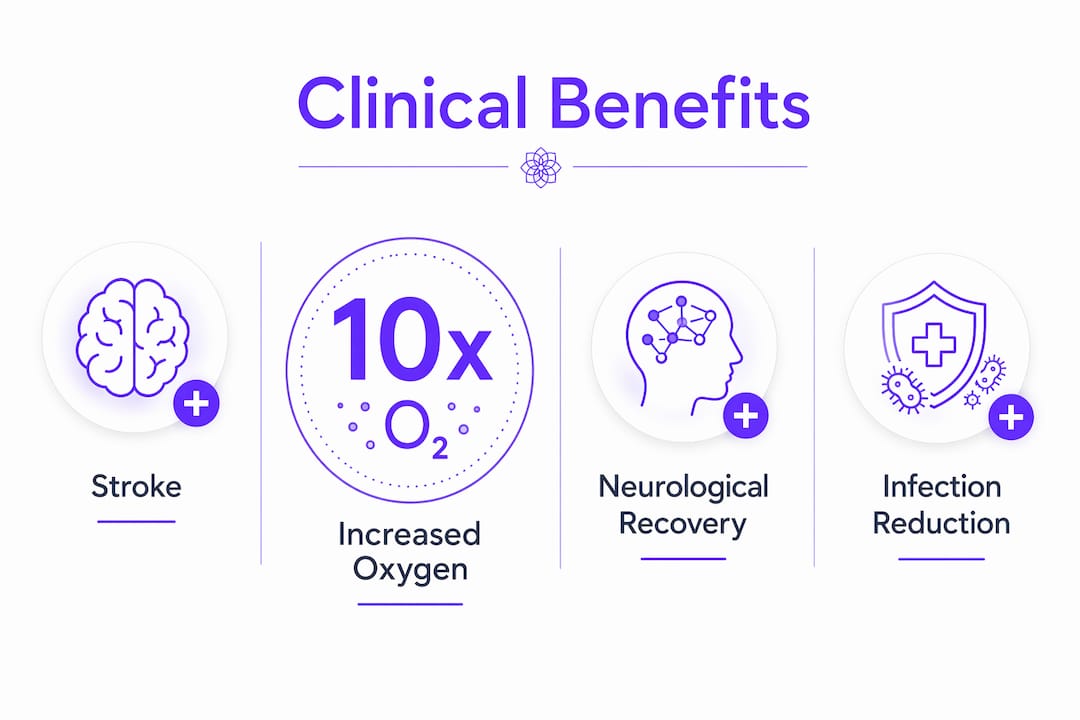
HBOT has a well-established list of FDA-approved clinical uses, alongside a growing body of evidence for emerging applications. The oxygen-driven healing mechanisms include angiogenesis (new blood vessel formation), immune modulation, and enhanced white blood cell function. For adults over 40, many of these applications are directly relevant to the health challenges that tend to emerge with age.
FDA-approved uses of HBOT include:
- Decompression sickness (the “bends” in divers)
- Carbon monoxide poisoning
- Chronic non-healing wounds, including diabetic foot ulcers
- Radiation tissue damage following cancer treatment
- Severe anaemia where blood transfusion is not possible
- Necrotising soft tissue infections
- Arterial gas embolism
- Crush injuries and compromised skin grafts
Beyond these established indications, researchers are actively investigating HBOT for neurological recovery after stroke, traumatic brain injury rehabilitation, and cardiovascular support. For those over 40 managing the aftermath of sports injuries, surgical recovery, or chronic fatigue, the therapy’s ability to flood tissues with oxygen at a cellular level is genuinely compelling. A typical clinical course runs between 20 and 40 sessions, though acute conditions like carbon monoxide poisoning may require far fewer. Outcomes vary by condition, and a qualified hyperbaric physician should set expectations before treatment begins. Learning how to maximise results from each session makes a measurable difference to the overall outcome.
What safety considerations should individuals over 40 know?
Monoplace hyperbaric therapy is safe for the vast majority of patients when delivered in a properly equipped clinical setting. That said, specific contraindications and risk factors require careful evaluation before treatment begins, particularly for those over 40 who may carry underlying health conditions.
Key safety considerations include:
- Absolute contraindication: Untreated pneumothorax (a collapsed lung) is the one condition that rules out HBOT entirely until resolved.
- Oxygen toxicity: Prolonged exposure to high-pressure oxygen can affect the central nervous system. Air breaks during sessions reduce this risk significantly.
- Barotrauma: Pressure changes can injure the ears, sinuses, or lungs if equalisation is not managed correctly.
- Fire hazard: The FDA classifies HBOT devices as Class II medical devices and has issued guidance highlighting fire risk in oxygen-enriched environments. Strict protocols around clothing, materials, and electronics inside the chamber are non-negotiable.
- Medication interactions: Certain drugs, including some chemotherapy agents, interact adversely with high-pressure oxygen.
Pre-treatment evaluation for adults over 40 should include a review of cardiovascular health, respiratory function, and Eustachian tube function. Clinicians screen specifically for Eustachian tube dysfunction because pressure equalisation difficulties are more common with age and can cause painful barotrauma injuries. A thorough medical history review is not optional. It is the foundation of safe treatment. For a detailed breakdown of who should avoid HBOT, the contraindications guide at Live5dhealth is a practical starting point.
Pro Tip: Always disclose every medication, supplement, and chronic condition to your hyperbaric physician before your first session. What seems unrelated to you may be clinically significant to them.
Monoplace chamber vs multiplace chamber: what is the difference?
The core distinction between a monoplace and a multiplace chamber is capacity. A monoplace chamber holds one patient. A multiplace chamber holds several patients simultaneously, along with at least one trained attendant who remains inside the pressurised environment throughout the session.
| Feature | Monoplace chamber | Multiplace chamber |
|---|---|---|
| Patient capacity | One patient | Multiple patients plus attendant |
| Staff access during session | No direct access | Attendant present inside chamber |
| Typical cost | Lower | Higher |
| Best suited for | Stable patients, outpatient settings | Critically ill patients needing hands-on care |
| Patient experience | Alone in acrylic tube | Seated with others, more social |
| Common settings | Wound care centres, wellness clinics | Hospitals, military facilities |
The Merck Manual notes that monoplace chambers present access limitations for critically ill patients precisely because the sealed design prevents staff from intervening directly during a session. This is not a flaw in the design. It is simply a clinical boundary that determines patient selection. Monoplace chambers are entirely appropriate for the vast majority of HBOT candidates, including those seeking recovery support, wound healing, or wellness-oriented therapy. Multiplace chambers are preferred when a patient’s condition may require immediate hands-on intervention mid-session.
From a practical standpoint, monoplace chambers are far more widely available in outpatient and wellness settings. If you are exploring hyperbaric therapy for recovery or health maintenance rather than acute critical care, a monoplace chamber is almost certainly the type you will encounter.
Practical tips before and during your first session
Preparation makes a significant difference to both comfort and outcome in monoplace hyperbaric therapy. A few straightforward steps before your first session will help you get the most from the experience.
- Complete a thorough pre-treatment evaluation. Your clinician should review your full medical history, current medications, and any respiratory or ear conditions before clearing you for treatment.
- Wear 100% cotton clothing. Synthetic fabrics can generate static electricity in an oxygen-rich environment. Most clinics provide approved garments, but confirm this in advance.
- Avoid alcohol and carbonated drinks on treatment days. Both can affect how your body responds to pressure changes.
- Practise pressure equalisation techniques. Swallowing, yawning, or the Valsalva manoeuvre (gently pinching your nose and blowing softly) helps manage ear pressure as the chamber pressurises.
- Bring something to occupy your mind. Sessions last 2–3 hours. Many clinics pipe audio or video into the chamber. Knowing this in advance makes the time pass more comfortably.
- Communicate openly with your clinical team. If you feel any discomfort, ear pain, or anxiety during a session, the intercom is there for exactly that reason.
Pro Tip: Schedule your sessions at a consistent time each day when possible. Consistent timing helps your body adapt to the pressure cycle and may improve the cumulative therapeutic effect.
Key takeaways
A monoplace hyperbaric chamber delivers 100% oxygen under pressure to a single patient, making it the most widely available and cost-effective format for hyperbaric oxygen therapy outside of hospital critical care.
| Point | Details |
|---|---|
| Core definition | A monoplace chamber is a sealed, single-patient acrylic enclosure for HBOT at 1.9–3.0 ATA. |
| Mechanism of action | Pressure increases plasma oxygen by 10–20 times, reaching tissues that normal circulation cannot adequately supply. |
| Clinical uses | FDA-approved for decompression sickness, wound healing, carbon monoxide poisoning, and radiation injury, among others. |
| Safety first | Untreated pneumothorax is an absolute contraindication; pre-treatment evaluation is non-negotiable for adults over 40. |
| Chamber choice | Monoplace suits stable outpatient candidates; multiplace is preferred when hands-on clinical access during sessions is required. |
Why I think monoplace therapy deserves serious attention from adults over 40
The conversation around monoplace hyperbaric therapy has shifted noticeably in recent years. What was once confined to hospital wound care units and diving medicine is now appearing in wellness clinics, sports recovery centres, and integrative health practices. That shift reflects genuine clinical interest, not marketing hype.
From what I have observed, the adults who benefit most from monoplace therapy are those who approach it with realistic expectations and proper medical oversight. The therapy is not a shortcut. A course of 20 to 40 sessions requires commitment, and the outcomes depend heavily on the underlying condition being treated. For chronic wound healing and radiation injury, the evidence is strong. For neurological and cardiovascular applications, the research is promising but still developing.
What concerns me is the growing number of people over 40 who pursue HBOT without adequate pre-treatment screening. The common misconceptions around HBOT often lead people to underestimate the importance of that evaluation step. Oxygen under pressure is a drug, and like any drug, it requires the right dose, the right patient, and the right clinical oversight. Get those three things right, and monoplace hyperbaric therapy can be a genuinely powerful tool for recovery and health maintenance.
— Mark
Natural supplements to support your recovery alongside hyperbaric therapy
Hyperbaric therapy works best as part of a broader approach to health and recovery. Nutrition and supplementation play a real supporting role in how well your body responds to increased oxygen delivery and tissue repair.

Live5dhealth, based in Boyle, County Roscommon, offers a carefully selected range of natural health supplements designed to support cellular health, immune function, and recovery. Whether you are preparing for a course of hyperbaric therapy or looking to maintain the gains you have made, the right nutritional foundation matters. Browse the full supplement range at Live5dhealth to find products that complement your wellness goals and support your body from the inside out.
FAQ
What is a monoplace hyperbaric chamber used for?
A monoplace hyperbaric chamber is used to deliver hyperbaric oxygen therapy for conditions including decompression sickness, chronic wounds, carbon monoxide poisoning, and radiation tissue damage. Clinicians also use it for investigational applications such as neurological recovery and injury rehabilitation.
How long does a monoplace hyperbaric therapy session last?
Sessions typically last 2–3 hours, with treatment pressures ranging from 1.9 to 3.0 ATA. A full clinical course usually involves 20–40 sessions depending on the condition being treated.
Is a monoplace chamber safe for people over 40?
Monoplace hyperbaric therapy is safe for most adults over 40 when preceded by thorough medical evaluation. Pre-treatment screening for Eustachian tube dysfunction, respiratory conditions, and medication interactions is particularly important for this age group.
What is the difference between a monoplace and multiplace chamber?
A monoplace chamber holds one patient in a sealed acrylic enclosure with no staff access during the session. A multiplace chamber accommodates several patients and an attendant inside the pressurised space, making it preferable for critically ill patients who may need hands-on care mid-session.
Can you feel claustrophobic in a monoplace chamber?
The clear acrylic design of most monoplace chambers allows full visibility in all directions, which reduces the sensation of confinement for most patients. Clinics typically offer audio and video options to keep patients comfortable throughout the session.