by | Oct 3, 2026 | Uncategorized
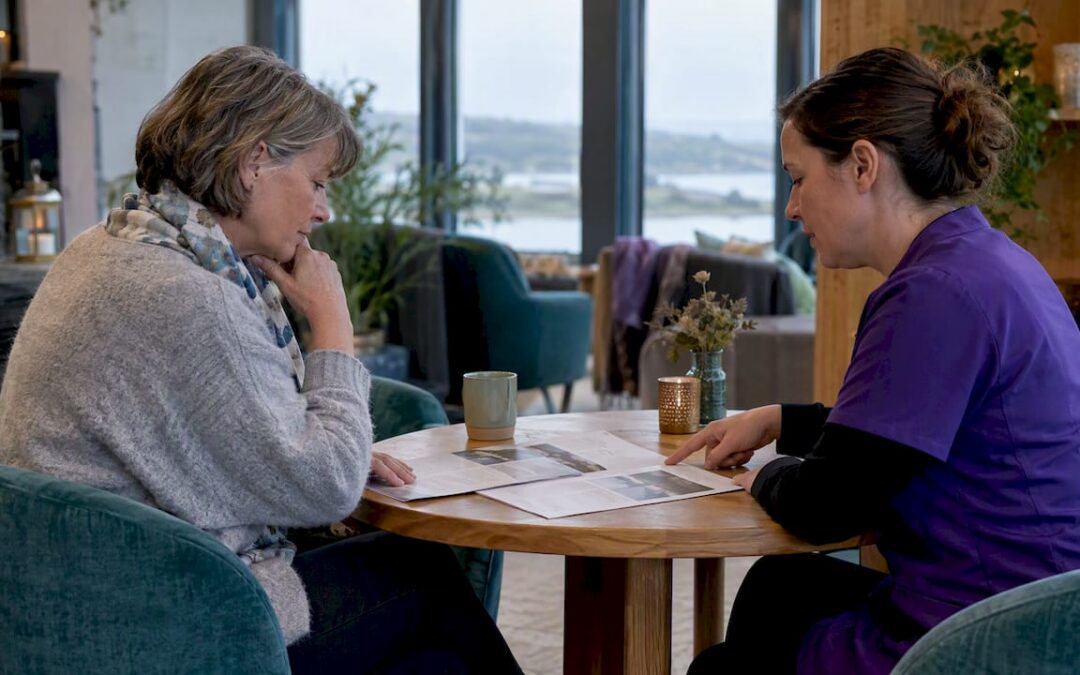
A day of wellness treatments in Ireland generally ranges from a low-cost entry point to higher daily rates; weekend retreats and longer residential stays vary with accommodation and included therapies, with luxury weeks potentially costing significantly more. The best...
by | Oct 2, 2026 | Uncategorized
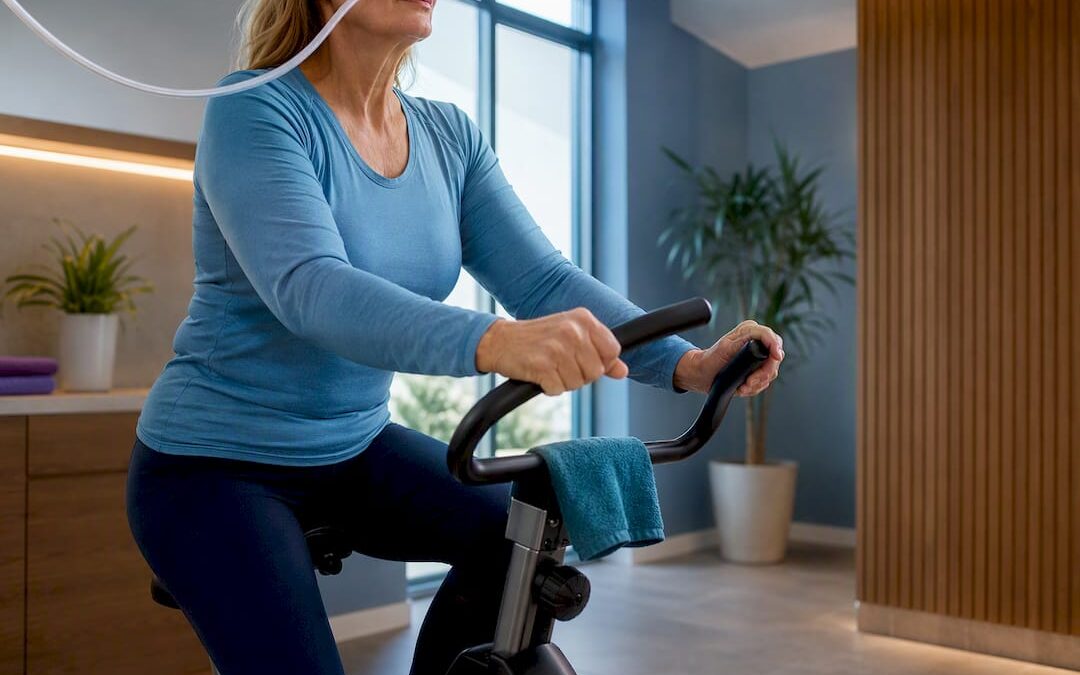
A single supervised EWOT session in Ireland typically runs from around €30 upwards, with block bookings and retreat packages bringing the per-session price down further. Home units sit in a completely different bracket, often several hundred euro upwards for a...
by | Oct 2, 2026 | Uncategorized
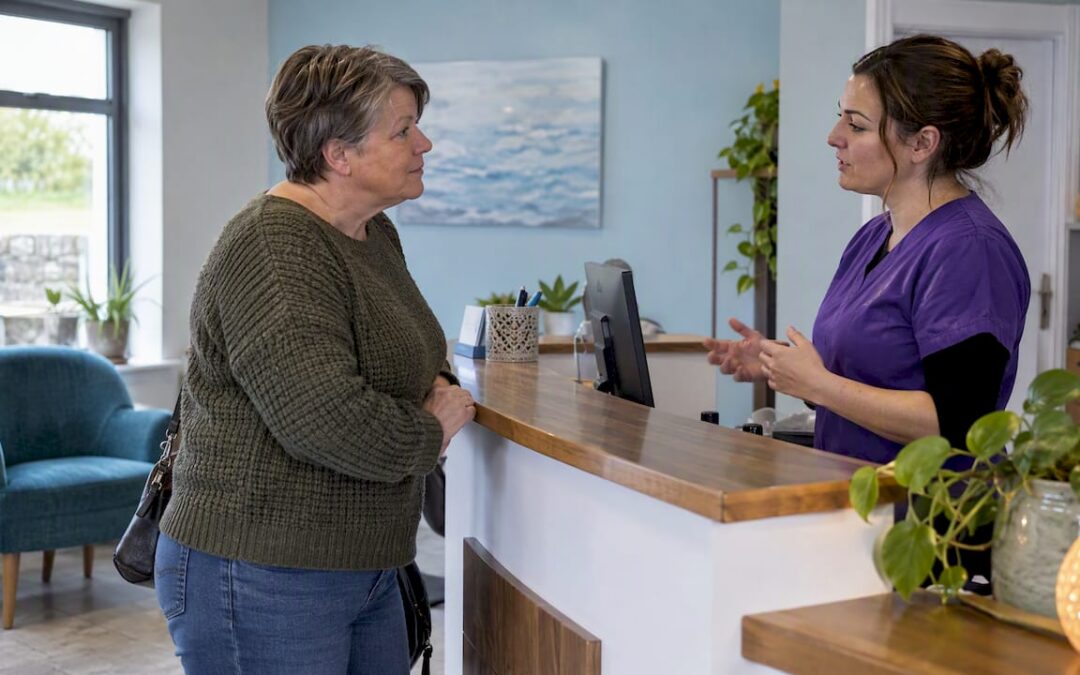
A typical single hydrogen therapy session in Ireland commonly falls within a moderate to higher price range, though the final figure shifts with delivery method, session length and equipment quality. Hydrogen bars and shorter exposures can cost less, while...

by | Sep 30, 2026 | Uncategorized
Most PEMF sessions in Ireland generally range from lower-cost wellness-centre or introductory sessions to higher-cost clinic-based clinical protocols. Multi-packs typically bring the per-session price down, and home devices span a much wider band from low hundreds to...

by | Sep 29, 2026 | Uncategorized
Start by naming the single wellness outcome you most want. Every other choice flows from that: retreat style, location, programme intensity, food philosophy, and safety protocols all need to serve that one goal. Compare options across six axes, type, setting,...
by | Sep 28, 2026 | Uncategorized
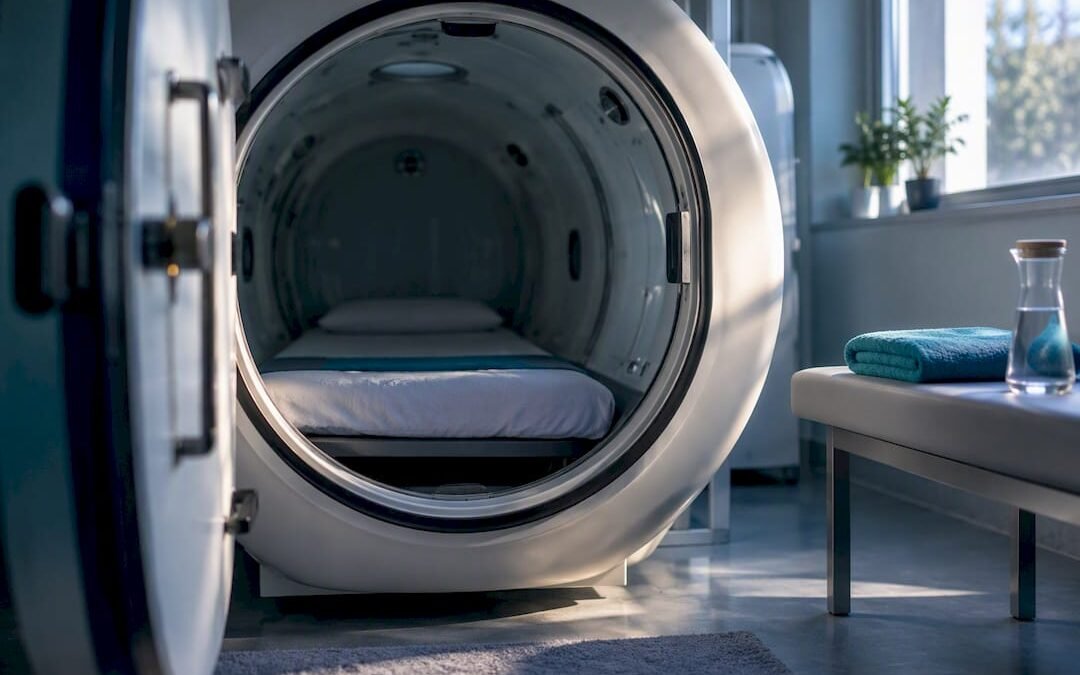
A single hyperbaric oxygen therapy session in Ireland typically costs in a moderate range depending on session length and clinic. Booking a bundle brings that per-session price down considerably, with 10-session packages often landing between €100 and €110 per...
