by | Aug 23, 2026 | Uncategorized
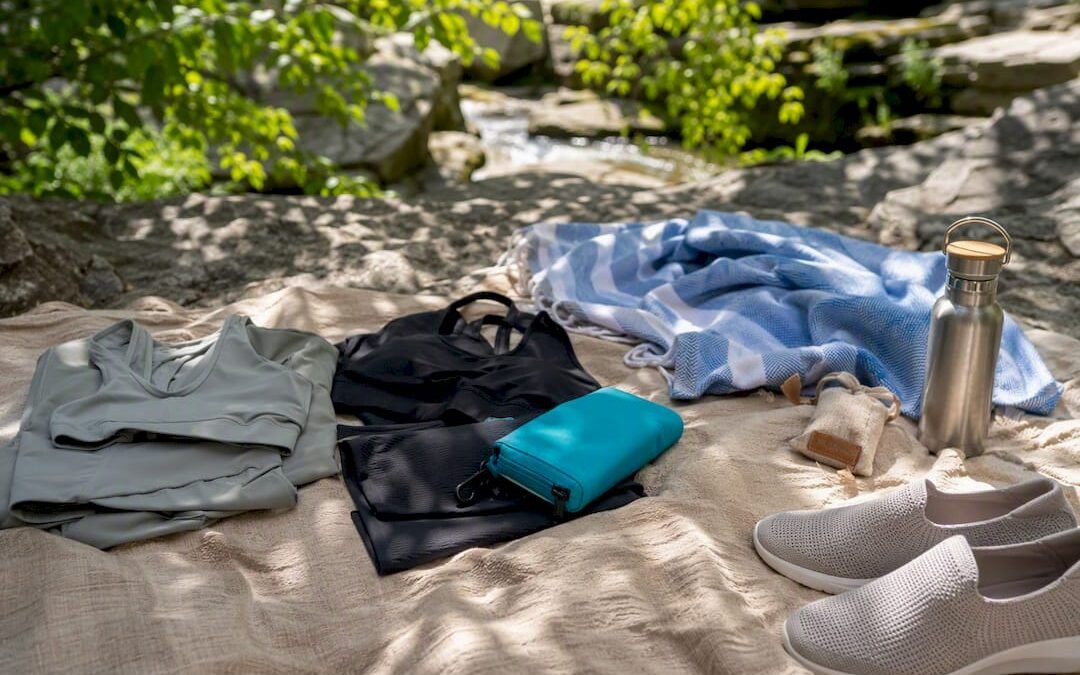
Pack light, pack in layers, and pack for the activities on your schedule, not for a fortnight of outfit changes. That is the whole philosophy behind a good wellness retreat packing list. Most guests bring twice what they need and spend the first evening rummaging...
by | Aug 22, 2026 | Uncategorized
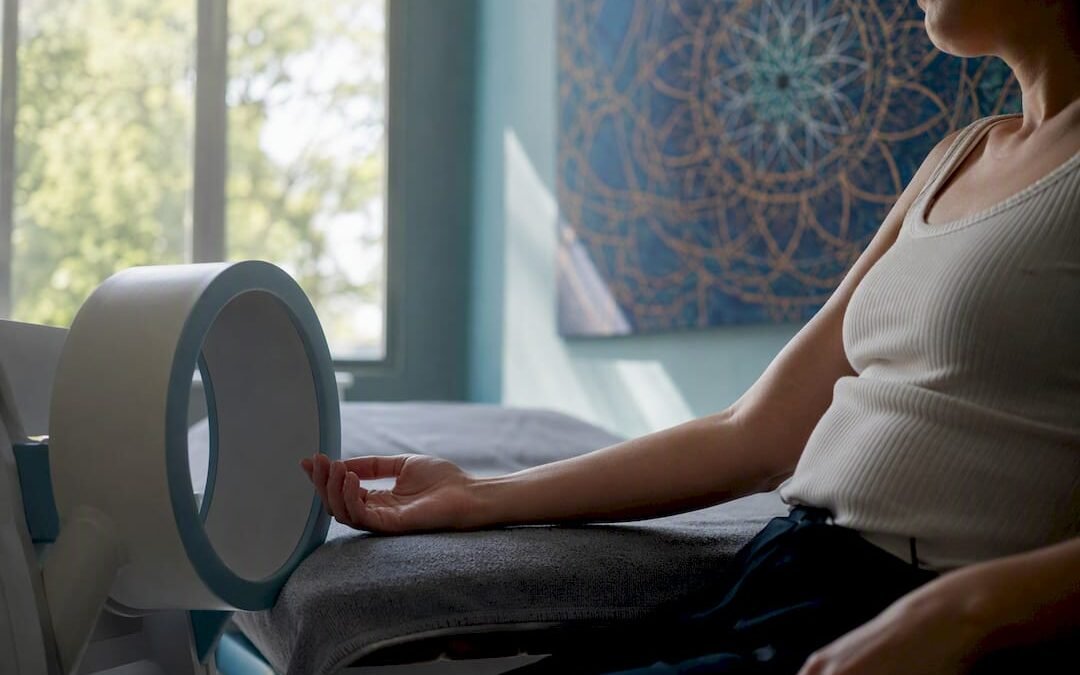
If you have an implanted electronic device, are pregnant, have active bleeding, a known cancer at the treatment site, an active severe infection, or have had major surgery in the past few weeks, PEMF therapy is not for you right now. Everyone else generally tolerates...
by | Aug 21, 2026 | Uncategorized
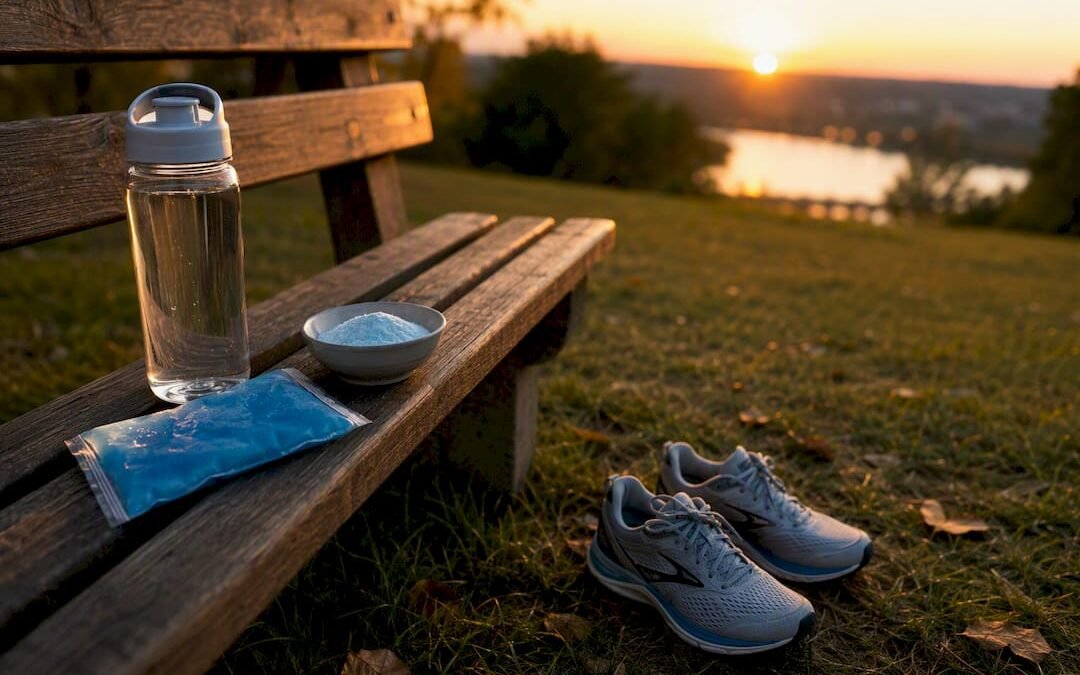
The fastest, safest recovery after a marathon follows a staged protocol: immediate refuelling and gentle movement, protected sleep and rest, then a progressive return to running over 2–4 weeks. Rushing any stage raises your risk of injury and prolongs the very fatigue...
by | Aug 20, 2026 | Uncategorized
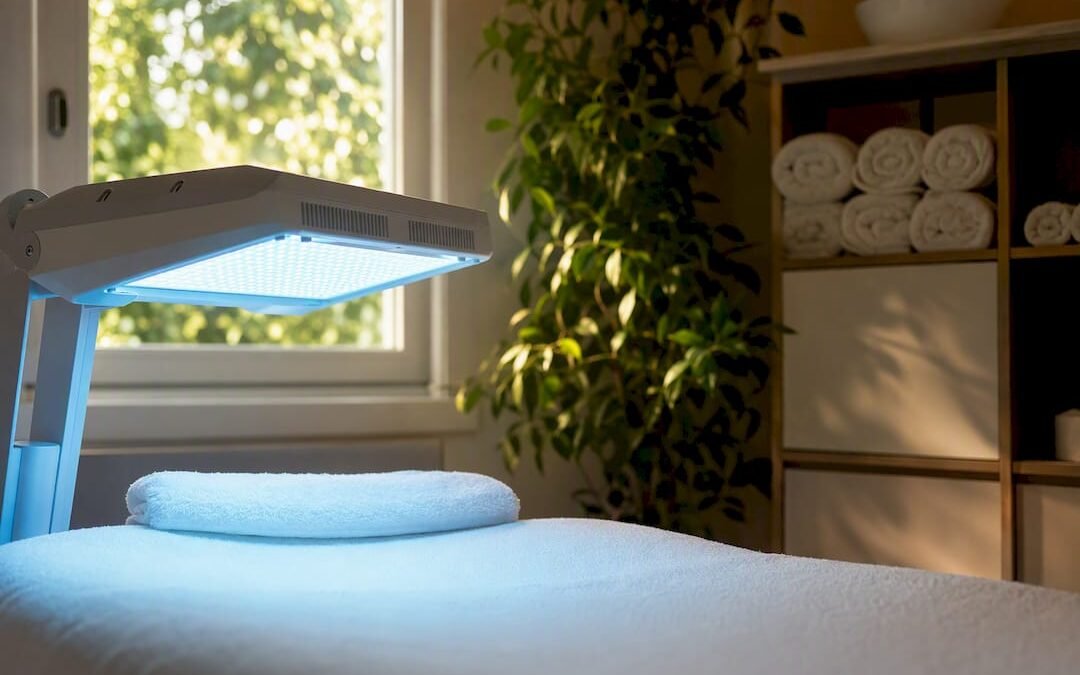
Non-medical UV sessions at spas and tanning studios carry a genuine, well-documented cancer risk, and no major health body considers them safe for routine cosmetic use. The Scientific Committee on Emerging and Newly Identified Health Risks (SCENIHR) classifies UV as a...
by | Aug 19, 2026 | Uncategorized
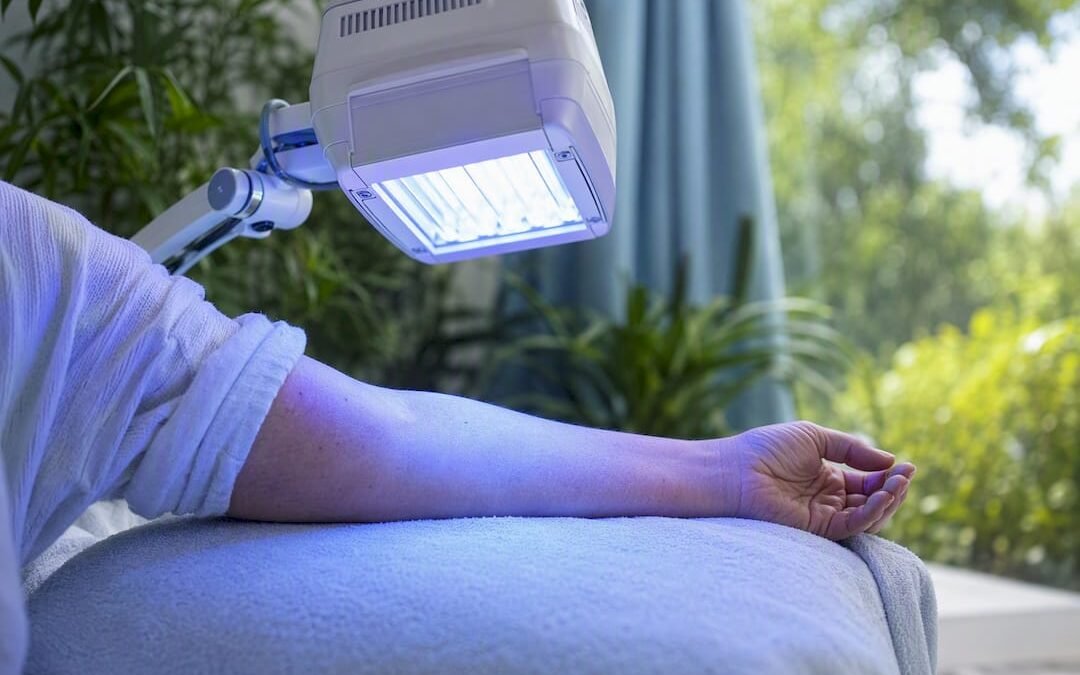
Controlled UVB exposure can raise circulating vitamin D and correct deficiency in many people, provided the wavelength, dose, and treated surface area are right. It’s not a universal fix, and it’s not a substitute for medical guidance. If your blood test shows low...
by | Aug 18, 2026 | Uncategorized
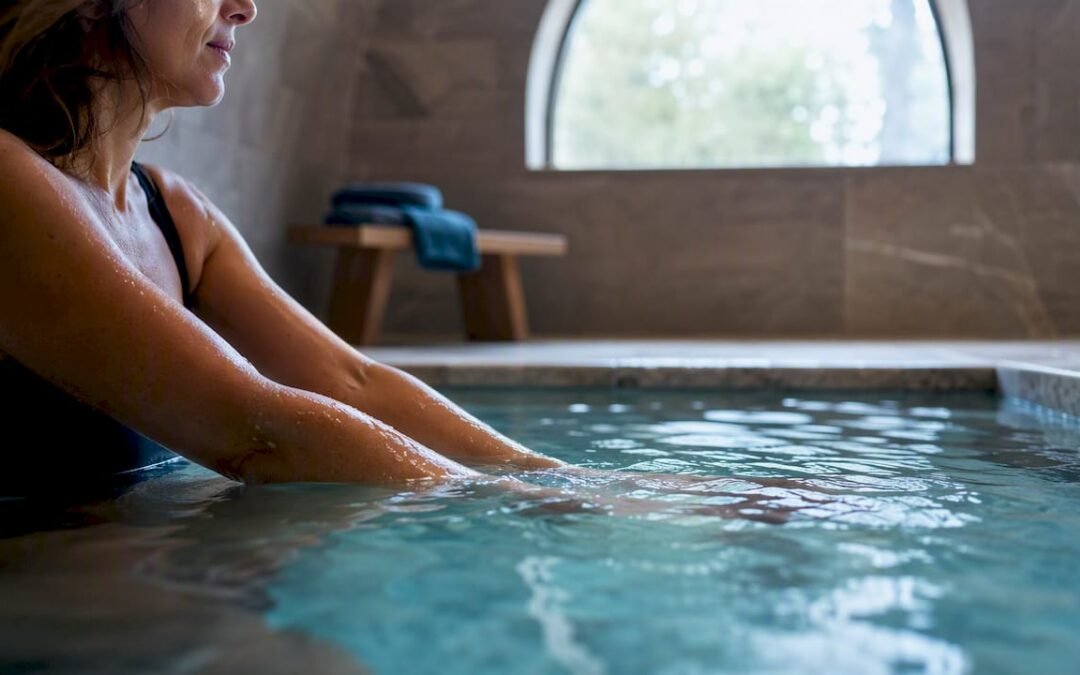
For most people, the best cold plunge temperature is 10–15°C (50–59°F) for 10 to 15 minutes. That single range covers the bulk of what health-conscious plungers are chasing: less muscle soreness, a calmer nervous system, and a recovery boost you can sustain week after...
